SUPREME IS NOW OWNED BY ESSILORLUXOTTICA, NOT VF CORP
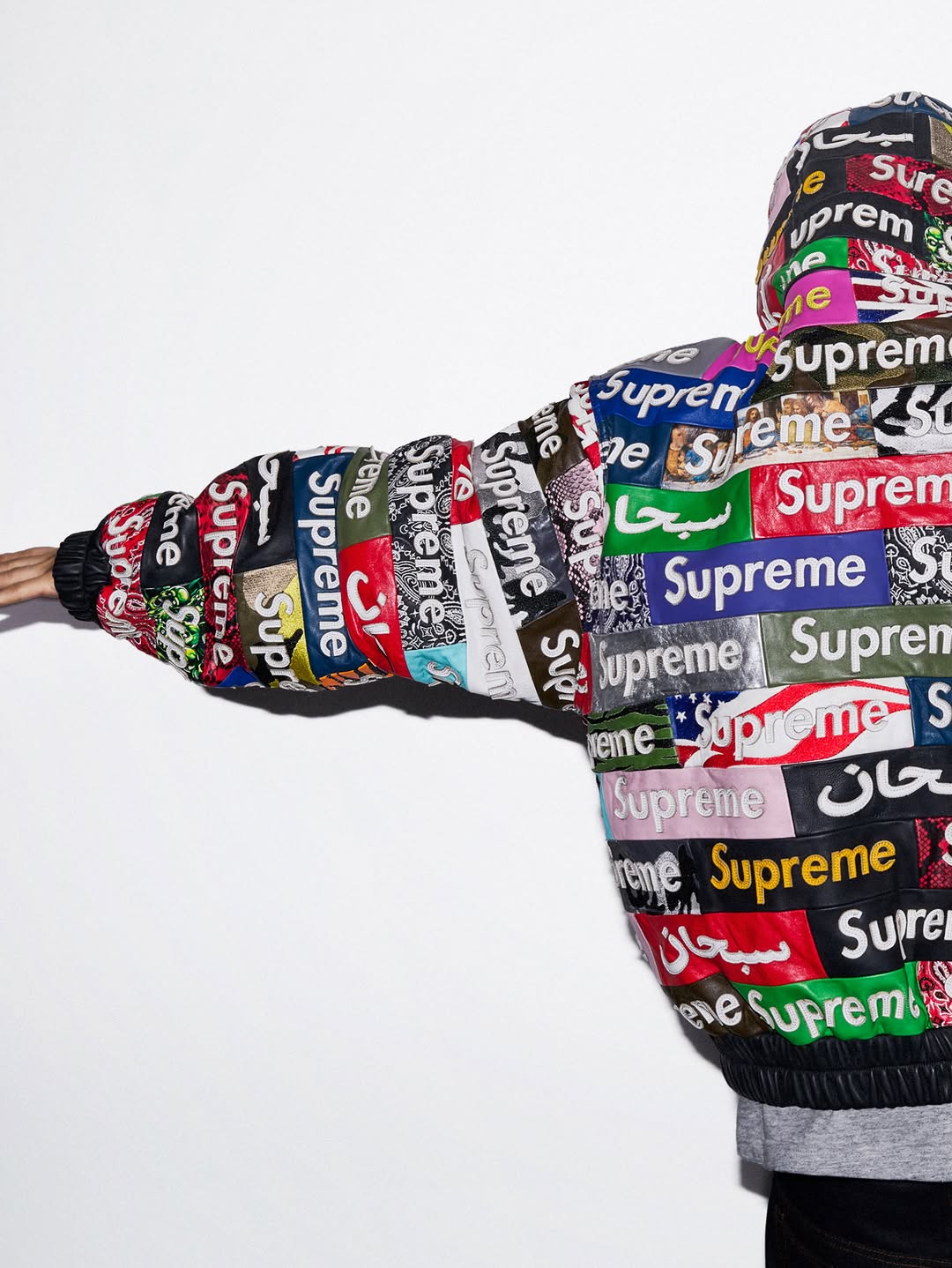
Supreme, the streetwear brand James Jebbia opened on Lafayette Street in Manhattan in 1994, is now owned by EssilorLuxottica, the eyewear group behind Ray Ban and Oakley. Jebbia worked as a child actor in the BBC series Grange Hill before running the Union and Stussy stores and then founding Supreme. EssilorLuxottica bought Supreme from VF Corporation in a deal that closed October 2, 2024, and Jebbia continues to run Supreme's operations under the new ownership.
Key Points
- James Jebbia played a BBC child actor role in 1978, 16 years before he opened Supreme's first store.
- Supreme's original Lafayette Street store closed in 2019; the brand moved to 190 Bowery.
- EssilorLuxottica has owned Supreme since October 2024, after VF Corp sold it for less than it paid in 2020.
Supreme is not a VF Corporation brand anymore. EssilorLuxottica, the European eyewear conglomerate that owns Ray Ban and Oakley, bought Supreme from VF Corp in a deal that closed on October 2, 2024. James Jebbia, who opened the original store on Lafayette Street in Manhattan in April 1994, still runs the company. Three owners in seven years, one founder who has never left the org chart.
274 Lafayette Street, April 1994
Before Supreme, Jebbia had a different life entirely. In 1978, at around fifteen, he played Tommy Watson in the first series of the BBC show Grange Hill, a role IMDb and Wikipedia both credit to him under his own name. He later ran the Union store in downtown Manhattan starting in 1989, then moved to managing Stussy's New York flagship into the early 1990s, a lineage FO traced in Stussy versus Supreme. He opened Supreme on Lafayette Street between Prince and Houston in April 1994, reportedly for less than 15,000 dollars. The layout put clothing racks against the walls and left an open floor for skaters to ride through, a retail decision, not a marketing one. The first products were T shirts at 32 dollars and caps at 28. The box logo came directly from artist Barbara Kruger's work; FO has reported separately on why Kruger never sued over it.
The Store Closed in 2019. The Brand Didn't.
The original Lafayette Street shop shut down in September 2019, twenty five years after it opened, for a renovation that never happened as planned. Supreme instead opened a new Manhattan flagship at 190 Bowery, which has been the brand's New York base since. The storefront that appears in every early photo of Supreme has sat on the commercial leasing market ever since. The address most people picture when they think of Supreme is not the address that currently sells anything.
Weekly Drops Turned a Skate Shop Into a Billion Dollar Target
Supreme's Thursday drop model, small production runs released on a fixed schedule with no restocks, is the mechanism that turned a single store into something private equity and two public companies would fight to own. The clearest proof came in 2017, when Supreme collaborated with Louis Vuitton on a full ready to wear collection sold through eight temporary stores in cities including Paris, Tokyo, London and Los Angeles, with prices running from roughly 300 dollars for accessories to more than 50,000 dollars for a monogrammed trunk. Lines formed overnight outside stores that would sell out within hours. A collaboration model built on scarcity, not advertising, is what every later owner was actually buying.
Carlyle Bought Half the Company in 2017
Jebbia held onto Supreme alone for 23 years before selling any of it. In October 2017, private equity firm Carlyle Group paid 500 million dollars for a 50 percent stake, a deal Jebbia reportedly kept quiet because he worried a large check from a buyout firm would cost the brand its credibility. The transaction valued Supreme's equity at roughly 1 billion dollars, with an enterprise value near 1.1 billion once debt was included. A store that cost less than 15,000 dollars to open in 1994 was, on paper, a unicorn 23 years later.
Two Sales in Four Years
VF Corporation, the parent of The North Face, Vans and Timberland, bought the rest of Supreme in a deal that closed December 28, 2020, for 2.1 billion dollars. Less than four years later, VF sold the brand to EssilorLuxottica for 1.5 billion dollars, booking the difference as a loss on a company it had owned for well under half a decade. FO's earlier reporting on Supreme's box logo has the full announce and close dates on both deals; the short version is that Supreme changed hands twice in four years and lost 600 million dollars in headline value each time it did.
A Third Owner, the Same Operator
EssilorLuxottica did not buy Supreme for its clothes. The company controls Ray Ban, Oakley and thousands of retail doors worldwide, and has been extending its eyewear licensing relationships into wider apparel and lifestyle categories. Supreme gives it a direct to consumer streetwear operation with its own manufacturing relationships and a customer base younger than eyewear buyers typically skew. Jebbia said in the July 2024 announcement, "In EssilorLuxottica, we have a unique partner that understands that we are at our best when we stay true to the brand and continue to operate and grow as we have for the past 30 years." Supreme kept releasing collections on the same schedule through the ownership change, including its Fall 2026 collection with A.PRESSE and a Larry Clark Tulsa zine.
The teenager who played a student on a BBC school drama in 1978 spent less than 15,000 dollars opening a skate shop in 1994 and now runs a piece of a European eyewear conglomerate's portfolio. Stussy, the label Jebbia left to start Supreme, has been run by the same family since 1996, a stability Supreme has not had since Carlyle bought in during 2017. The collaboration record that made Supreme worth billions came out of one SoHo skate shop with a ramp built into the floor. The ownership paperwork behind it has changed twice since 2020, and Jebbia has signed all three versions.
Frequently Asked Questions
Who founded Supreme?
James Jebbia founded Supreme, opening the original store on Lafayette Street in Manhattan in April 1994.
What did James Jebbia do before starting Supreme?
Jebbia worked as a child actor in the BBC series Grange Hill in 1978, then ran the Union store and managed Stussy's New York flagship before opening Supreme in 1994.
What was Supreme's first store like?
The original Lafayette Street store put clothing racks against the walls and left an open floor so skaters could ride through it, with a first product run of 32 dollar T shirts and 28 dollar caps.
Where is Supreme's flagship store today?
Supreme's original Lafayette Street store closed in September 2019 after 25 years; the brand's New York flagship is now at 190 Bowery.
When did Carlyle Group invest in Supreme?
Carlyle Group paid 500 million dollars for a 50 percent stake in Supreme in October 2017, valuing the company at roughly 1 billion dollars in equity.
Who owns Supreme now?
EssilorLuxottica, the eyewear company behind Ray Ban and Oakley, has owned Supreme since October 2024, when it bought the brand from VF Corporation.
Does James Jebbia still run Supreme under its new owner?
Yes. Jebbia has stayed on as Supreme's operator through the Carlyle, VF Corporation and EssilorLuxottica ownership changes.
What inspired Supreme's box logo?
The design came directly from artist Barbara Kruger's conceptual art, a connection Jebbia has acknowledged; FO's box logo reporting has the full story of why Kruger never sued.
Topics: stüssy, lafayette-street, brand-history, streetwear, carlyle-group, essilorluxottica, james-jebbia, fashion, oakley, louis vuitton, the north face, vans, chanel, prada, louis-vuitton, the-north-face, futura, stssy, supreme, box-logo, vf-corp, bowery