SUPREME COLLAB PLAYBOOK FROM BOX LOGOS TO MARGIELA
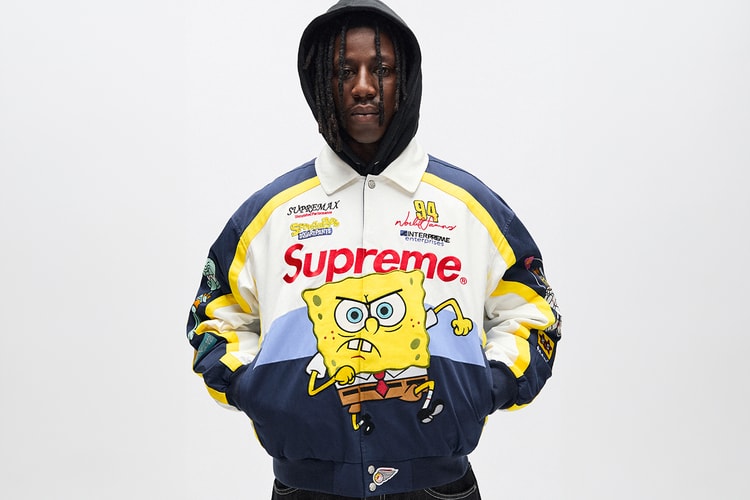
Supreme releases 30-35 collaborations per year following a Thursday drop formula. The Maison Margiela partnership is a Tier 3 luxury collaboration expected to sell out instantly. EssilorLuxottica acquired Supreme in 2024 for $1.5B.
Key Points
- Supreme produces 30-35 collaborations per year following the same Thursday drop formula
- EssilorLuxottica acquired Supreme in 2024 for $1.5B after VF $600M write-down
- Three collaboration tiers: commercial, cultural, and luxury with escalating scarcity
The Formula
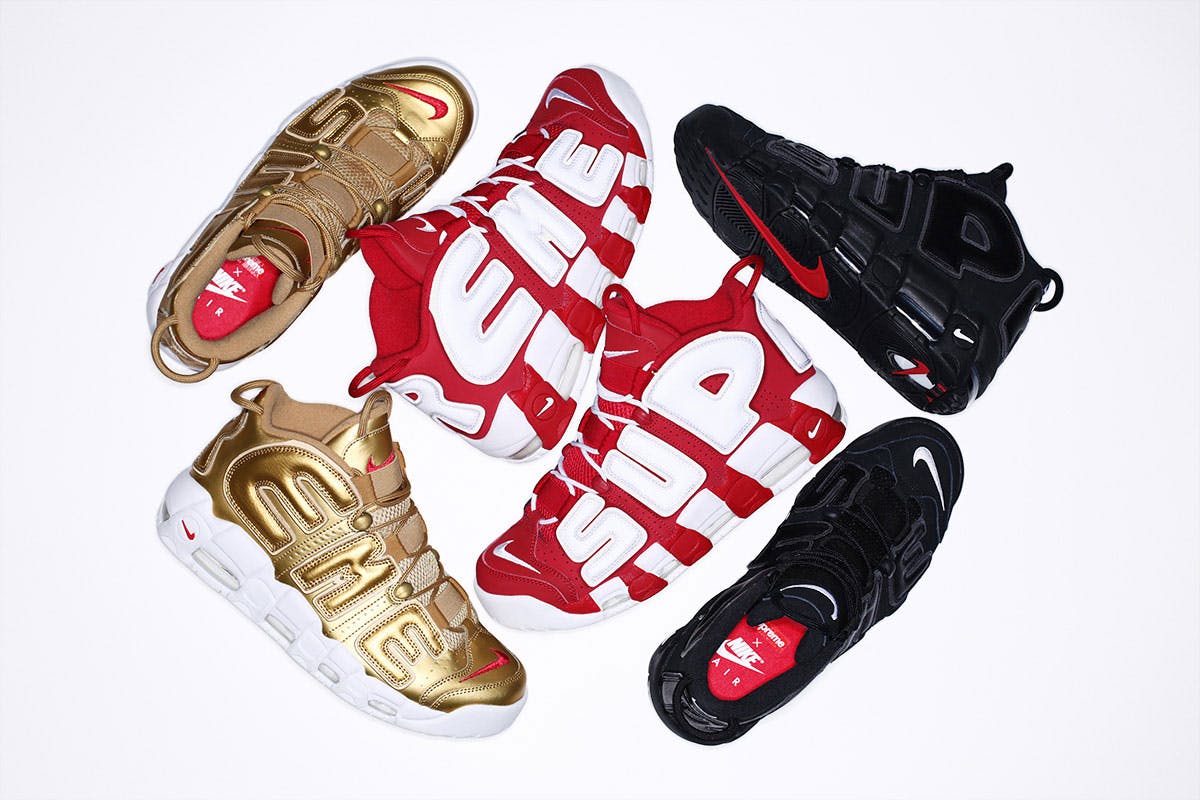
Supreme releases one collaboration per week during each season, approximately 30 to 35 collaborations per year. The formula has not changed since James Jebbia codified it in the 2000s: take an existing brand, apply the Supreme box logo or design language, limit production, drop on Thursday at 11 AM Eastern, sell out in seconds. The partner list reads like a museum of American and global consumer culture: Oreo, Coleman, Honda, North Face, Louis Vuitton, Nike, Tiffany, and now Maison Margiela.The Economics
Supreme generates approximately $500 to $600 million in annual revenue. VF Corporation acquired the brand in 2020 for $2.1 billion, then sold it to EssilorLuxottica in 2024 for approximately $1.5 billion, a $600 million write down that reflected both post pandemic streetwear cooling and VF mismanagement of the brand positioning. Under EssilorLuxottica, Supreme now sits alongside Ray Ban and Oakley, a pairing that seems absurd until you remember that Supreme sold branded binoculars and crowbars. The parent company is irrelevant to the customer. The Thursday drop is the product.The Tier System
Supreme collaborations operate in three tiers. Tier 1: commercial brands (Hanes, Levi, Nike SB) that produce affordable, high volume product. Tier 2: cultural brands (North Face, Stone Island, Comme des Garcons) that produce mid priced items with genuine design integration. Tier 3: luxury brands (Louis Vuitton, Tiffany, and now Margiela) that produce high priced, extremely limited items that function as collectible objects. Each tier serves a different customer but all three drive the same behavior: Thursday morning checkout anxiety.The Margiela Fit
Margiela is a perfect Tier 3 partner because the house already operates on scarcity and intellectual complexity. The Tabi boot split toe is as recognizable as the Supreme box logo. The Artisanal numbering system (1 through 22, each representing a garment category) maps onto Supreme seasonal catalog structure. Both brands use anonymity as a design principle: Margiela through its white stitched label and faceless shows, Supreme through its refusal to advertise or explain itself. The collaboration will likely feature Tabi silhouettes with Supreme branding and Supreme staples (hoodies, tees, accessories) with Margiela deconstructed techniques.The Prediction
Every piece will sell out in under 30 seconds online. The Tabi boot variant, if produced, will resell for 4x to 6x retail within the first week. The hoodies will settle at 2x to 3x retail after the initial spike. The accessories (bags, small leather goods) will hold the highest long term resale premium. In five years, a Supreme x Margiela piece in deadstock condition will trade like the Supreme x LV collection does now: as a cultural artifact worth more than its materials suggest.The Collaboration Economy
Supreme's collaboration playbook is the most studied strategy in fashion because it turns every partner into a headline. The Louis Vuitton collaboration generated $500 million in revenue. The Nike SB Dunk collaborations created a resale market worth hundreds of millions. The Hanes Box Logo tee takes a $3 undergarment and adds six letters that convert $3 into $44 at retail and $1,200 on StockX.
The Margiela Tabi collaboration is the intellectual ceiling of the playbook: two brands that reject convention collaborating on a product that most people find physically uncomfortable to look at. The split-toe Supreme shoe sold out in seconds because the audience understands that the most difficult collaborations produce the most valuable collectibles.
Supreme's collaboration strategy works because Jebbia never collaborates with brands that need Supreme more than Supreme needs them. Every partner, from Comme des Garçons to Timberland, brings credibility from a different subculture, and the collision of those subcultures on a single product creates a cultural moment that neither brand could manufacture independently. The playbook is simple: pick the right partner, limit the supply, and let the secondary market do the marketing.
Related Reading
- MAISON MARGIELA AND SUPREME JUST ANNOUNCED A COLLAB AND NOBODY SAW IT COMING
- SUPREME AND MARGIELA JUST MADE THE FIRST ZIP UP BOX LOGO HOODIE EVER
- Every Stüssy Nike Collaboration Ranked by Cultural Impact
Frequently Asked Questions
How many collaborations does Supreme do per year?
Supreme releases approximately 30 to 35 collaborations per year, one per week during each season, following a consistent Thursday 11 AM Eastern drop format.
Who owns Supreme now?
EssilorLuxottica acquired Supreme in 2024 for approximately $1.5 billion from VF Corporation, placing it alongside Ray-Ban and Oakley.
Topics: nike-sb, luxury, supreme-suprsupreme, stone island, streetwear, hype, maison-margiela, fashion, oakley, tabi, resale, louis vuitton, nike sb, stockx, maison margiela, collaboration, louis-vuitton, stssy, supreme, box-logo, stone-island, comme-des-garons, comme des garçons, nike, stüssy