CONVERSE NAMED ITS SHOE AFTER A SALESMAN, NOT A PLAYER
Chuck Taylor was a Converse traveling salesman hired in 1921, not an athlete Converse signed or the shoe's inventor. His name reached the ankle patch in 1932. He died in 1969 with no royalty ever paid, while the shoe he sold has moved more than 800 million pairs and Nike bought Converse in 2003 for $305 million.
Key Points
- Chuck Taylor was hired by Converse in 1921 as a traveling salesman four years after the All Star already existed; his signature was not added to the ankle patch until 1932, making the shoe named for a working salesman rather than a signed star athlete
- Taylor retired in 1968 and died in 1969 having sold more sneakers than anyone in history, but historical accounts agree he never received a royalty, only a salary, a car and expenses, even as Converse sold over 800 million pairs under his name
- Nike bought bankrupt Converse for approximately $305 million in 2003, not the $309 million commonly misquoted, and built the acquisition into a lifestyle business still centered on reissuing the shoe Taylor sold out of his car trunk
Chuck Taylor was not a professional athlete, and he did not invent the shoe that carries his name. He was a traveling salesman Converse hired in 1921 to sell its four-year-old All Star basketball shoe out of the trunk of his car, and his signature did not reach the ankle patch until 1932, eleven years into the job. The company built one of the best-selling products in sneaker history around a man who never owned a share of it and, by every account Converse itself has published, never collected a royalty on his own name.
The Salesman Who Redesigned the Shoe He Sold
Charles Hollis Taylor grew up in Brown County, Indiana, and played semi-pro basketball for the Akron Firestone Non-Skids before Converse salesman Bob Pletz hired him in 1921 to find him an offseason job. Taylor's role was not endorsement in the modern sense. He drove from gym to gym across the country, ran basketball clinics, coached local teams, and sold All Stars directly to high school and college programs, living out of motels for months at a stretch. Within a year, Converse had adopted his suggestions for a better fitting shoe with more ankle support, and by 1932 his signature sat inside the circular patch that protected the ankle, the detail that turned an anonymous canvas sneaker into the Chuck Taylor All Star and made it one of the first athletic shoes built around a living salesman's name instead of a company logo.
The Only Basketball Shoe Anyone Saw for 30 Years
The All Star itself predates Taylor by four years. Converse launched it in 1917 at $2 a pair, a plain rubber soled, canvas topped shoe with no cushioning and no real technology. What made it dominant was distribution and timing. When basketball entered the Olympics in 1936, Chuck Taylor's shoe became the official model for the US team, and Team USA won seven straight golds wearing it through 1968. By the 1960s Converse controlled an estimated 70 to 80 percent of the basketball shoe market, and roughly 90 percent of professional and college players wore Chucks, Wilt Chamberlain among them. Chamberlain scored 100 points in a pair of Converse All Stars on March 2, 1962, still the highest single game total in NBA history. Nothing in basketball footwear looked like real competition until Nike built its own basketball business around a different shoe entirely, one it eventually handed to a rookie named Michael Jordan and turned into a $4 billion franchise.
A Name on 800 Million Pairs, No Royalty Ever Paid
Taylor retired from Converse in 1968 and was inducted into the Naismith Basketball Hall of Fame on April 13, 1969, an unusual honor for a man who never played a single professional game. He died of a heart attack on June 23, 1969, in Port Charlotte, Florida, at 67. Across four decades with the company, historical accounts agree he drew a salary, a company car, and travel expenses, but no royalty on the shoe that carried his name. Converse has since sold more than 800 million pairs of the Chuck Taylor All Star, and by some estimates 60 percent of Americans have owned a pair at some point in their lives, numbers that make Taylor arguably the most successful unpaid salesman in the history of American retail.
The Ramones Myth Converse Never Corrected
Streetwear folklore credits the Ramones' 1976 debut album cover with the Chuck Taylor's punk identity, but the photo itself, shot by Punk magazine's Roberta Bayley for a $125 fee, actually shows the band in sneakers closer to Keds than Converse. The Chucks association arrived slightly later and through a different channel: a John Holmstrom illustration in Punk magazine drew Joey Ramone wearing what looked like Chuck Taylors, and bandmates Dee Dee Ramone and Marky Ramone genuinely wore them on stage in the years that followed. By the time Kurt Cobain and the Strokes picked up the same silhouette, myth and reality had merged completely, and the cheapest sneaker on the rack had become punk's default uniform regardless of what that original 1976 cover actually shows.
Nike's 2003 Deal for the Company Chuck Taylor Never Owned
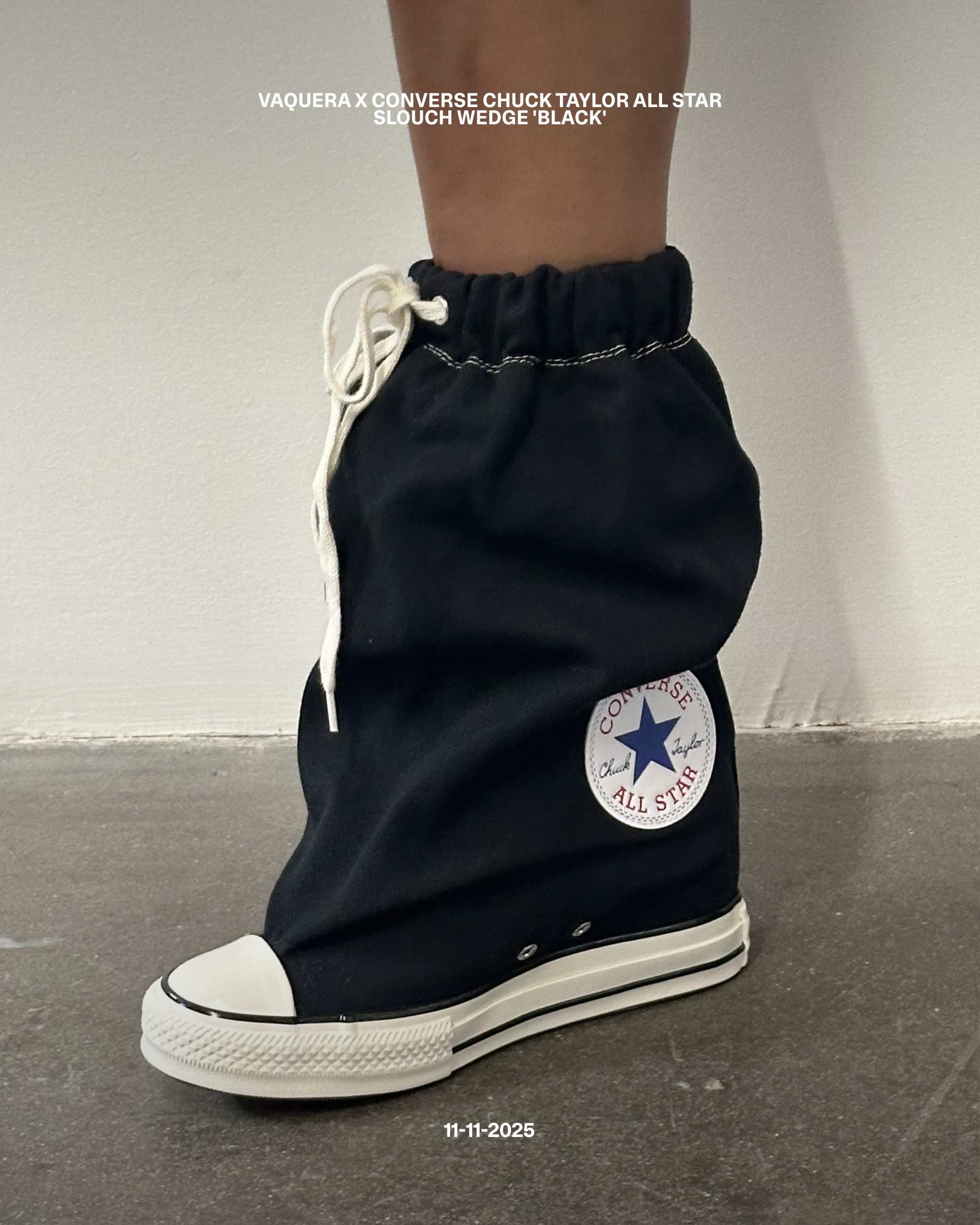
Converse filed for bankruptcy in 2001 carrying more than $226 million in debt, and Nike completed its purchase of the company on September 4, 2003, for approximately $305 million in cash, a figure some retrospectives still round up or misquote. Under Nike, Converse became a lifestyle label built almost entirely on Taylor's silhouette rather than a competing athletic brand, and that strategy still runs the business today. Converse keeps reissuing and reworking the shoe he sold from the trunk of his car, from Noah's $120 Chuck 70 remake to a $200 First String woven leather version, a Dodgers Chuck 70 collaboration with Undefeated, and a Collina Strada redesign that deliberately unmakes the original. The resale market treats his name the same way retail does: a Vaquera designed Chuck Taylor was still moving on GOAT at $205 years after its release. Nike itself was built on a different piece of sneaker folklore, a waffle iron a co-founder poured rubber into, and today one company owns both origin stories. The salesman who sold 800 million pairs never got a cut of any of it.
Related: CONVERSE KEEPS THE CHUCK CHEAP AND LETS COLLABS CHARGE.
Frequently Asked Questions
Who is Chuck Taylor of Converse?
Chuck Taylor was a semi-pro basketball player from Brown County, Indiana, whom Converse hired in 1921 as a traveling salesman. His signature went on the All Star ankle patch in 1932, and he died on June 23, 1969.
Why is Chuck Taylor's name on the Converse All Star?
Converse added Taylor's signature to the shoe's ankle patch in 1932 to credit the fit and support changes he pushed for and to reward more than a decade of sales work, making it one of the first athletic shoes to carry a living salesman's name.
Did Chuck Taylor invent the Converse All Star?
No. The Converse All Star launched in 1917, four years before Taylor joined the company in 1921. He helped redesign its fit and became its public face, but the shoe already existed when he arrived.
Did Chuck Taylor receive royalties from Converse?
No. Historical accounts, including Converse's own retrospectives, say Taylor received a salary, a company car and travel expenses but never a royalty, even as the shoe bearing his name went on to sell more than 800 million pairs.
When did Chuck Taylor die?
Chuck Taylor died of a heart attack on June 23, 1969, in Port Charlotte, Florida, at age 67, the same year he was inducted into the Naismith Basketball Hall of Fame.
How many Converse Chuck Taylor All Stars have been sold?
Converse has sold more than 800 million pairs of the Chuck Taylor All Star since it launched in 1917, making it one of the best selling shoe designs in history.
Did the Ramones wear Chuck Taylors on their 1976 album cover?
No, despite the popular myth. Photographer Roberta Bayley's cover for the album Ramones shows the band in sneakers closer to Keds. The Chucks association came slightly later through a Punk magazine illustration and later band members who genuinely wore them on stage.
Who owns Converse now?
Nike owns Converse, having bought the bankrupt company for approximately $305 million in 2003. Nike has since built Converse into a lifestyle brand still centered on the Chuck Taylor All Star that Taylor sold decades earlier.
Topics: nba, sneaker-history, punk-rock, basketball, chuck-taylor, ramones, converse, nike