BALTIMORE SAVED THE AIR FORCE 1 AND NIKE OWES THEM EVERYTHING
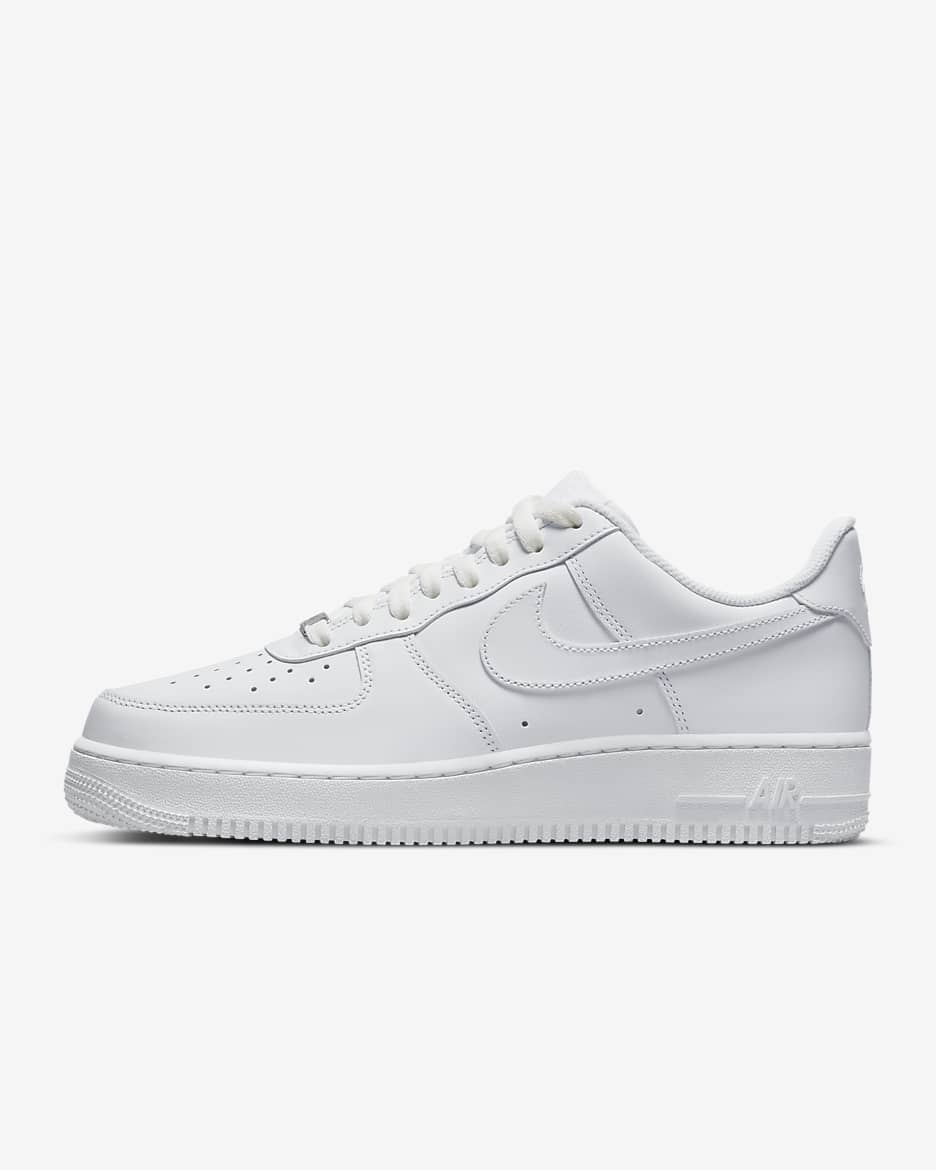
The Nike Air Force 1, designed by Bruce Kilgore in 1982, was the first basketball shoe with Nike Air cushioning. After Nike discontinued it in 1984, Baltimore retailers saved the shoe by placing special orders. It now generates over $2 billion annually and is the best-selling sneaker silhouette in Nike history.
Key Points
- Baltimore retailers special-ordered AF1s from Nike after the shoe was discontinued in 1984
- Nelly's "Air Force Ones" debuted at #3 on Billboard Hot 100 in 2002, pushing annual sales past $1B
- The Air Force 1 generates over $2 billion in annual revenue with 100+ colorways per year
The First Air Sole Basketball Shoe
Bruce Kilgore designed the Air Force 1 in 1982 with one innovation that changed footwear forever: he put Nike's Air cushioning unit into a basketball shoe for the first time. The technology, invented by former NASA engineer Frank Rudy, had only appeared in running shoes. Kilgore's decision to place it under a pivoting outsole built for lateral movement created the most durable, comfortable basketball sneaker anyone had ever worn. Six NBA players debuted the shoe that season: Moses Malone, Michael Cooper, Bobby Jones, Mychal Thompson, Calvin Natt, and Jamal Wilkes.
The Baltimore Resurrection
By 1984, Nike stopped producing the Air Force 1. Sales didn't justify the manufacturing cost. The shoe should have died. Instead, three Baltimore retailers, Charley Rudo Sports, Cinderella Shoes, and Downtown Locker Room, placed a special order directly with Nike to keep the shoe alive in their city. Baltimore adopted the AF1 as a street uniform. The all-white "Uptowns" became as essential as a winter coat. Wearing creased AF1s was a social violation; keeping them pristine became a ritual.
Nike noticed. In 1986, they resumed full production. By 1996, the shoe was selling 15 million pairs annually. The Baltimore connection gave the Air Force 1 something no marketing campaign could manufacture: authenticity from the streets.
Nelly, 2002, and the $1 Billion Mark
When Nelly released "Air Force Ones" in 2002, the song debuted at number 3 on the Billboard Hot 100 and sold the shoe to an entirely new generation. The track was not a paid endorsement; Nelly was simply rapping about what his crew from St. Louis actually wore. Nike reported that Air Force 1 revenue crossed $800 million that year and exceeded $1 billion shortly after.
The AF1 became Nike's canvas for collaboration. Virgil Abloh's Off-White version in 2017 deconstructed the silhouette with exposed stitching and zip ties. Travis Scott's "Sail" colorway in 2021 resold for $1,200 within hours. Supreme, COMME des Garçons, and Louis Vuitton have all used the AF1 as their collaboration vehicle of choice.
The Numbers That End Every Argument
The Air Force 1 is the best-selling sneaker silhouette in Nike history. Over 100 colorways release every year. Annual revenue exceeds $2 billion. More than any Jordan, Dunk, or Air Max, the AF1 is the shoe that subsidizes Nike's entire innovation pipeline. It requires no marketing because the culture does the work.
The Definitive Take
The Air Force 1 is proof that a product's survival depends on community, not corporate strategy. Nike tried to kill it. Baltimore said no. A rapper from St. Louis gave it a second life. And now, 44 years after Bruce Kilgore put an Air unit in a basketball shoe, the AF1 generates more revenue than most sneaker companies do in total. The white-on-white Air Force 1 is not a sneaker; it is infrastructure.
Related Reading
- CHUCK TAYLOR SOLD SNEAKERS DOOR TO DOOR AND MOVED 800 MILLION PAIRS
- Every Stüssy Nike Collaboration Ranked by Cultural Impact
- How Nike Air Jordan 1 Changed Everything
Frequently Asked Questions
Why is the Nike Air Force 1 called Uptowns?
The Air Force 1 earned the nickname 'Uptowns' in Harlem and Baltimore street culture, where the all-white version became an essential part of the local uniform in the late 1980s.
How much does the Air Force 1 make Nike per year?
The Air Force 1 generates over $2 billion in annual revenue for Nike, making it the best-selling sneaker silhouette in the company's history.
Who designed the Nike Air Force 1?
Bruce Kilgore designed the Air Force 1 in 1982, making it the first basketball shoe to feature Nike's Air cushioning technology, originally invented by former NASA engineer Frank Rudy.
Topics: sneakers, billboard, virgil abloh, supreme-suprsupreme, streetwear, hip-hop, bruce-kilgore, travis scott, travis-scott, fashion, louis vuitton, focus-58-68, virgil-abloh, louis-vuitton, stssy, nba, sneaker-history, air-force-1, supreme, off-white, nike, baltimore, stüssy