OAKLEY'S FATCAT RETURNS UNCHANGED FROM 2004
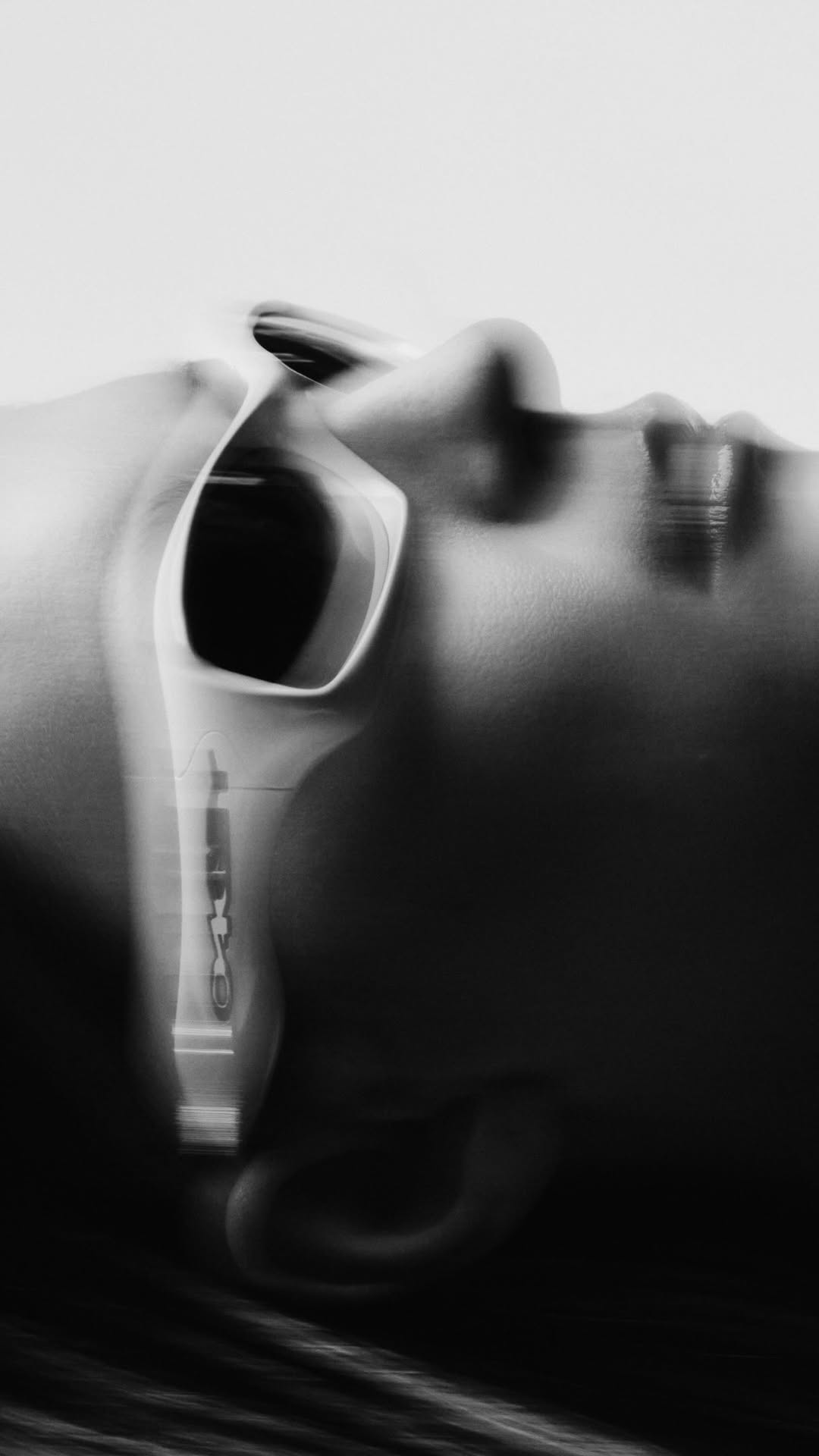
Oakley brought back the FatCat, the sunglasses model that debuted in 2004 as the brand's first true lifestyle frame, under a new reissue name, MUZM. The silhouette and Heavy Stretch Logo are unchanged from the original; Oakley updated the lens with Prizm technology and released two colorways, matte black with Prizm Grey and cream with Prizm 24K Polarized. Soccer player and Team Oakley athlete Alexia Putellas fronts the campaign, tagged #OakleyMUZM. The release lands inside a broader Y2K eyewear revival across fashion, echoing archive reissue strategies already playing out in sneakers and streetwear.
Key Points
- Oakley's FatCat debuted in 2004 as the brand's first true lifestyle frame.
- MUZM reissue keeps the original shape, adding Prizm lenses in two colorways.
- Soccer star Alexia Putellas fronts the campaign, calling FatCat heritage and futurism.
Oakley just called back to 2004 without irony.
The FatCat, the brand's first true lifestyle frame, is back on shelves under a new name, MUZM, more than two decades after the original run disappeared. The caption says it plainly: welcome to 2004, FatCat returns, unchanged where it matters.
That last part is the actual argument. Not a redesign. A ratification.
The FatCat earned its place in Oakley's history by looking nothing like the sport frames that came before it. Organic sculpting, deep set lenses, a chunky Heavy Stretch Logo that debuted on this exact model in 2004 and later became the foundation for Oakley's Fractal branding. It was built to be worn off the field as much as on it, which at the time was a genuine departure for a company known for ski goggles and cycling shields.
Oakley Kept The Original Shape And Upgraded The Lens
MUZM FatCat keeps that shape intact and upgrades what sits behind it. Oakley swapped in Prizm lens technology and kept the lightweight O Matter frame material, releasing two colorways: matte black with Prizm Grey lenses, and cream with Prizm 24K Polarized lenses. The campaign is fronted by Alexia Putellas, the soccer player and Team Oakley athlete, who described the frame as having that rare balance of heritage and futurism. That's a brand talking point, but it's also an accurate read of what a reissue is supposed to do: update the parts nobody will notice and leave the parts everybody remembers alone.
The #OakleyMUZM tag is the campaign's own coinage rather than a term with an established meaning outside this release. Oakley has attached it to the reissue line without spelling out what it stands for beyond that, which fits a brand that would rather let a two decade old silhouette do the talking.
Release mechanics matter here too. The pair went live on Oakley.com and at select stores and partners, not as a scattered drop across resale channels, which signals a brand controlling supply on purpose rather than letting scarcity happen by accident.
Fashion Has Been Running This Same Archive Playbook For Years
Archive pulls, original tooling, minimal reinterpretation, all sold on the premise that the original design already did the work. JW Anderson printed a literal football trading card onto a gardening tee this year, treating archive imagery as raw material rather than reference. Oakley is running the eyewear version of the same move: don't reinterpret the FatCat, just put it back into circulation with better glass behind the same face.
Y2K Eyewear Is Resurging Well Beyond One Brand
Oversized frames, shield shapes, gradient and mirrored lenses are all back in rotation after roughly fifteen years of minimal wire frames dominating fashion editorial. The pattern tracks with what's happening in footwear too, where brands keep pulling archive silhouettes off warehouse shelves instead of drawing new ones. Adidas just put six new silhouettes into Sneakersnstuff on the same football heritage logic: old shape, new materials, same core appeal carried through.
The through line across categories is that early 2000s nostalgia isn't casual anymore, it functions as purchasing behavior. A frame that reads as loud and a little maximalist now reads as personality rather than dated. Oakley timed the FatCat's return directly into that appetite instead of waiting for it to fade on its own.
A Professional Athlete Fronting A 2004 Frame Says Something
Somebody at Oakley had to argue for reissuing a frame instead of designing a new flagship, and somebody had to convince Putellas that wearing a shape built two decades ago was the forward looking move for an active athlete. That's the quieter bet inside this launch.
It also means Oakley is trusting its own archive over its current design bench, at least for one release. That's a meaningful admission for a performance brand that usually leads with new technology rather than old shapes, and it mirrors what Jerry Lorenzo has been doing with Fear of God's own archive teasers this year: trust the original idea, resist the urge to redraw it.
Putellas plays professional soccer at the highest level, where equipment choices get scrutinized by people who actually wear performance gear for a living. Attaching her to a two decade old lifestyle silhouette, rather than a new technical release, is a deliberate signal about where Oakley thinks credibility now lives.
Call this one early, not late. The FatCat reissue lands before the broader eyewear market has fully caught up to what footwear and streetwear already worked out about archive product. Two facts anchor that read: the shape being sold today debuted in 2004 with the Heavy Stretch Logo intact, and Oakley picked a professional athlete, not a lifestyle influencer, to front a nostalgia release across two distinct colorways. Both choices bet on the original design holding up unassisted, no reinterpretation required.
Frequently Asked Questions
What is the Oakley FatCat?
The FatCat is Oakley's first true lifestyle sunglasses frame, originally released in 2004 with organic sculpting and a Heavy Stretch Logo.
What is Oakley MUZM?
MUZM is the name of Oakley's reissue campaign bringing the FatCat back with Prizm lens technology in two colorways.
What does the #OakleyMUZM hashtag mean?
It is the campaign's own hashtag for the FatCat reissue. Oakley has not publicly defined what MUZM stands for beyond branding the release.
What colorways does the MUZM FatCat come in?
Matte black with Prizm Grey lenses, and cream with Prizm 24K Polarized lenses.
Who fronts the MUZM FatCat campaign?
Professional soccer player and Team Oakley athlete Alexia Putellas fronts the campaign.
Where can you buy the MUZM FatCat?
The reissue is available at Oakley.com and select Oakley stores and partners.
Why is Y2K eyewear trending again?
Oversized frames and shield shapes are resurging as nostalgia for the early 2000s becomes a real purchasing driver across fashion.
Is the MUZM FatCat different from the original 2004 model?
The silhouette and Heavy Stretch Logo are unchanged; Oakley upgraded the lens technology and kept the lightweight O Matter frame material.
Topics: archive-revival, fatcat, jw-anderson, sneakersnstuff, fear-of-god, adidas, sunglasses, eyewear, muzm, jw anderson, alexia-putellas, jerry lorenzo, y2k, prizm-lens, fashion, oakley, jerry-lorenzo, fear of god