WILLIAM AND DAVID GREAVES DROP HARLEM TEASER OCT 16
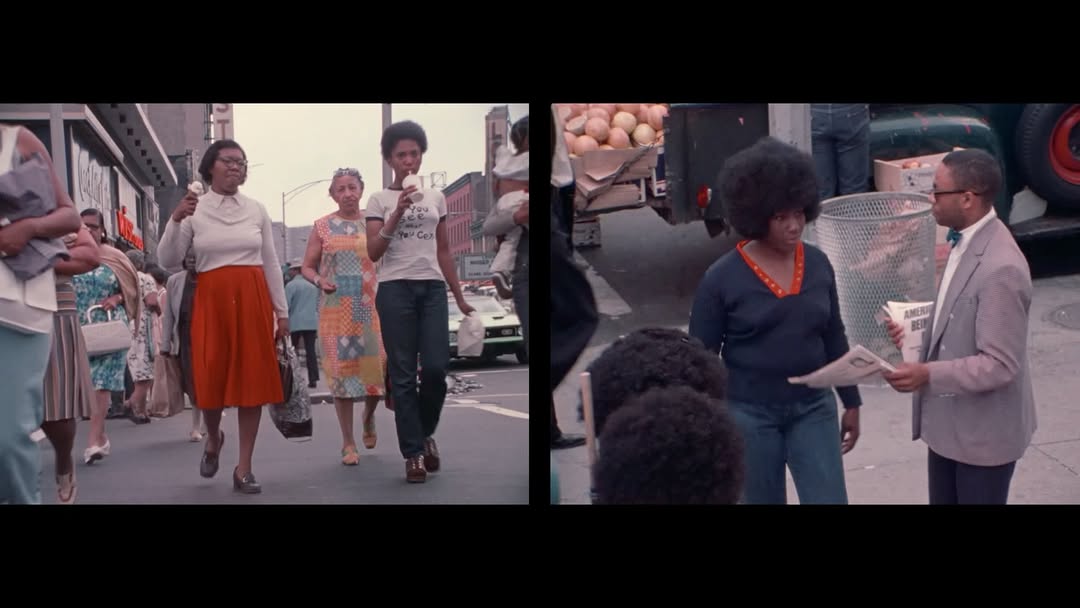
Letterboxd posted the teaser trailer for Once Upon a Time in Harlem from William and David Greaves, with Neon scheduling a theatrical release on October 16. The film extends William Greaves's six decade Black documentary archive into a father and son collaboration with editorial restraint that mirrors the original Symbiopsychotaxiplasm sensibility. It positions Neon to anchor the fall awards calendar with the most archive grounded documentary of 2026.
Key Points
- William Greaves (1926-2014) was a foundational Black American documentary filmmaker, best known for Symbiopsychotaxiplasm: Take One (1968).
- David Greaves is William's son and a documentary filmmaker continuing the family archive practice.
- Neon is the independent distributor behind Anora, The Worst Person in the World, and Triangle of Sadness.
- The teaser trailer launched via Letterboxd with the film scheduled for a theatrical release October 16, 2026.
- Symbiopsychotaxiplasm was selected for the National Film Registry by the Library of Congress in 2015.
October 16. Theatrical. Neon. The teaser trailer for Once Upon a Time in Harlem from William and David Greaves went up on Letterboxd before any awards rollout, any festival push, or any film publication coverage cycle started. The film is the kind of release that builds momentum through the community that already knew William Greaves''s name before the algorithm got involved. The community is on Letterboxd. So the trailer landed there first.
A father, a son, a six decade Black documentary archive, and Neon writing the check.
William Greaves Is the Lineage Most Documentaries Are Quietly Built On
William Greaves was born in Harlem in 1926 and built a documentary practice that included over 200 films before his death in 2014. Symbiopsychotaxiplasm: Take One in 1968 is the work most cited by contemporary filmmakers, a meta documentary that staged a fictional couple''s breakup while filming the crew filming the couple while filming themselves filming the crew. The film was rediscovered in 1991, re released, and added to the National Film Registry in 2015. Its influence runs through Charles Burnett, through Spike Lee, through the entire post 1990s Black independent cinema bench.
That lineage matters here. Once Upon a Time in Harlem is being released into a documentary market that has been chasing William Greaves''s sensibility for fifty years without naming him out loud. The release lets his actual hand back into the conversation, with his son David continuing the practice rather than just preserving the archive.
Neon as the Right Distributor for the Right Audience
Neon since 2017 has been the distributor most likely to position a documentary or an arthouse release for both critical recognition and theatrical box office. The brand''s slate includes Parasite, Anora, The Worst Person in the World, Triangle of Sadness, and a documentary roster that has consistently outperformed expectations at year end awards ballots. A William and David Greaves documentary at Neon is the kind of fit that does not need a press release to explain itself.
The October 16 release date is a deliberate calendar move. Mid October sits at the front edge of the awards qualifying window and gives the documentary feature category enough runway to build word of mouth without competing with the December narrative feature wave for screen counts. Neon has used this exact slot before, most recently for documentary releases that crossed seven figures domestically with limited release patterns.
Why Letterboxd as the Premiere Platform Matters
Letterboxd is the central film community platform with roughly 17 million active users by mid 2025. The platform''s audience skews young, cinephile literate, and disproportionately influential on the early word of mouth that determines whether an independent documentary breaks past art house screens into broader theatrical runs. Premiering the teaser on Letterboxd rather than on YouTube or a Variety embed is the move that signals the distributor knows where the actual audience lives.
Cross vertical. Music labels have been doing this for years with album rollouts on Tidal, Audiomack, and SoundCloud before the broader streaming push. Cross reference. The Converse and Vince Staples Cry Baby rollout used Rubber Tracks as the platform first audience activation before the broader release. Letterboxd plays the same role for film. Hit the engaged audience first. Let them build the conversation. Then the broader release lands into a primed market.
What the Teaser Actually Probably Shows
A teaser at this stage in a documentary rollout typically runs between 60 and 120 seconds. The Once Upon a Time in Harlem teaser likely combines archival footage, contemporary Harlem street imagery, voice over from William Greaves, and brief shots of David Greaves at work. The structure is calibrated to establish the lineage, the geography, and the tonal register without revealing the film''s narrative spine.
That restraint is what makes a documentary teaser work. The film cannot promise a plot twist. It can only promise a sensibility. The Greaves sensibility is the brand the teaser is selling.
The Cross Industry Read on Family Archive Cinema
Documentary as a category has been moving toward family archive cinema for the last decade. The Beatles Get Back. The Bee Gees: How Can You Mend a Broken Heart. The Spike Lee documentary catalog. The Eames Brothers archive films. A son completing or extending a father''s practice is a familiar lineage move in narrative cinema. It is rarer in documentary because the archive scope is harder to navigate.
Cross reference. Shannon Abloh filed the Virgil Abloh Foundation''s first institutional record earlier this year on the same impulse. A surviving family member operates as the steward of a creative archive and chooses when and how to release new work into the world. The Greaves film is the documentary cinema version of that practice.
What the Two Plate Carousel Documents
The post is structured as a still image and a video. The still likely shows a frame from the film, probably an archival Harlem street photograph or a portrait of William Greaves. The video is the teaser itself. No copy, no narration overlay on the post text, no celebrity tag. Just the trailer and the release date.
What to Watch Through October 16
Three things. Whether the film picks up a fall festival premiere ahead of release, with Toronto, New York Film Festival, or Telluride as the most likely platforms. Whether Neon expands the theatrical footprint past art house chains into a broader limited release pattern by November. And whether the William Greaves archive itself becomes a streaming or repertory cinema feature on the back of the new film''s publicity cycle.
October 16. Neon. A documentary lineage that has been waiting for someone to do this properly for fifty years. Letterboxd dropped the trailer first because Letterboxd is where the audience already was.
Related: FO Pulse July 1, 2026: Real Madrid Takes No. 1 on the First Close.
Related: Nathan Fielder Elizabeth Holmes Documentary Release Date.
Related: Andrew Garfield Is Sam Altman in Artificial Trailer.
Frequently Asked Questions
Who is William Greaves?
William Greaves (1926-2014) was a foundational Black American documentary filmmaker. Symbiopsychotaxiplasm: Take One (1968) is his best known work and was added to the National Film Registry in 2015.
What is Once Upon a Time in Harlem?
A documentary from William and David Greaves about Harlem's cultural history, with Neon releasing in theaters October 16, 2026.
Why is Letterboxd the launch platform?
Letterboxd functions as the central film community and watchlist platform, particularly for independent and documentary cinema. Premiering the teaser there reaches the audience that drives early word of mouth.
Topics: youtube, once-upon-a-time-in-harlem, soundcloud, virgil abloh, documentary, culture, william-greaves, sam-altman, david-greaves, sam altman, black-cinema, converse, neon, virgil-abloh, harlem, symbiopsychotaxiplasm, letterboxd, audiomack, real madrid, real-madrid, variety