COMME DES GARÇONS HOMME PLUS FW26 MASKS TAKE CREDIT
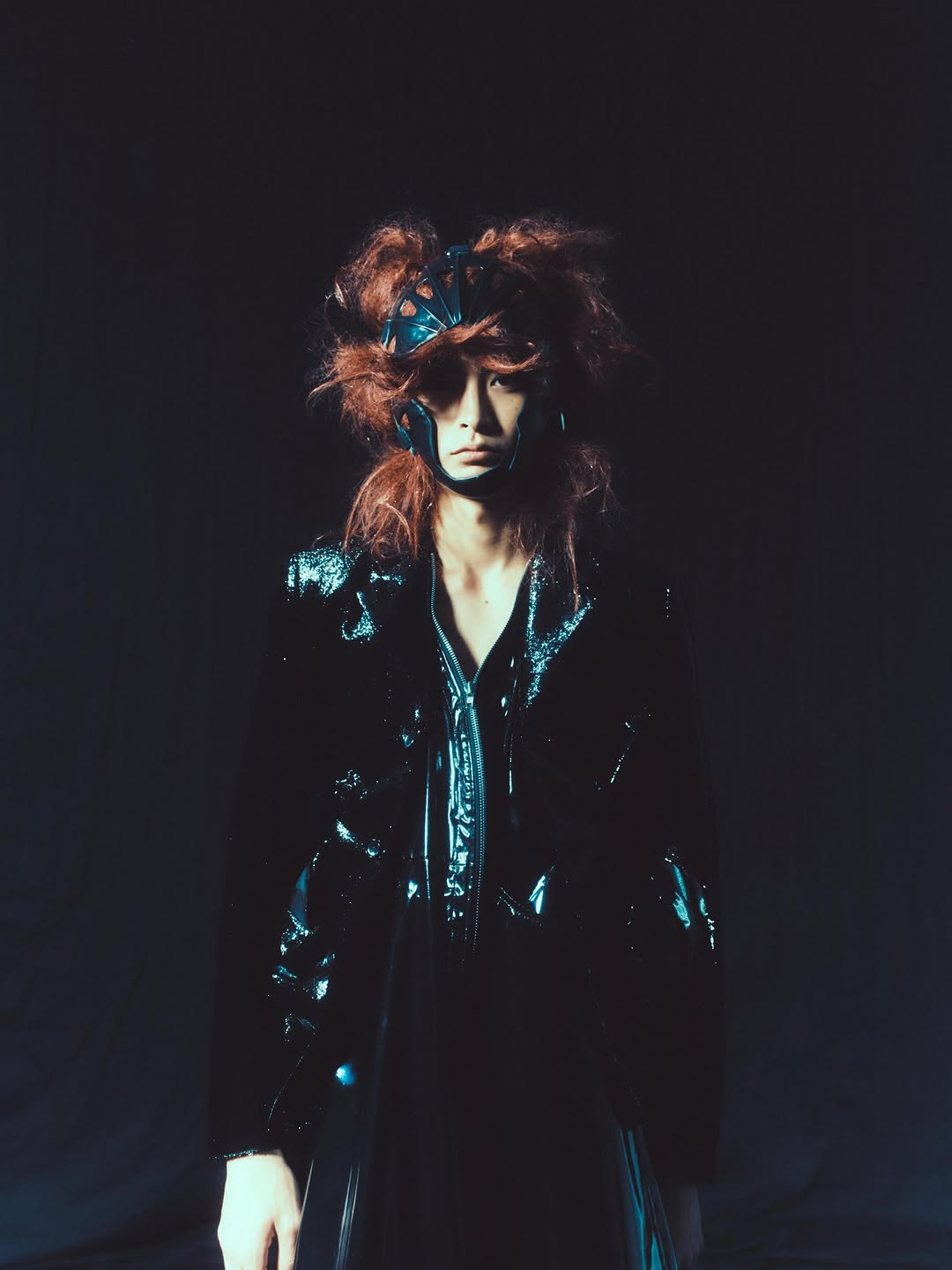
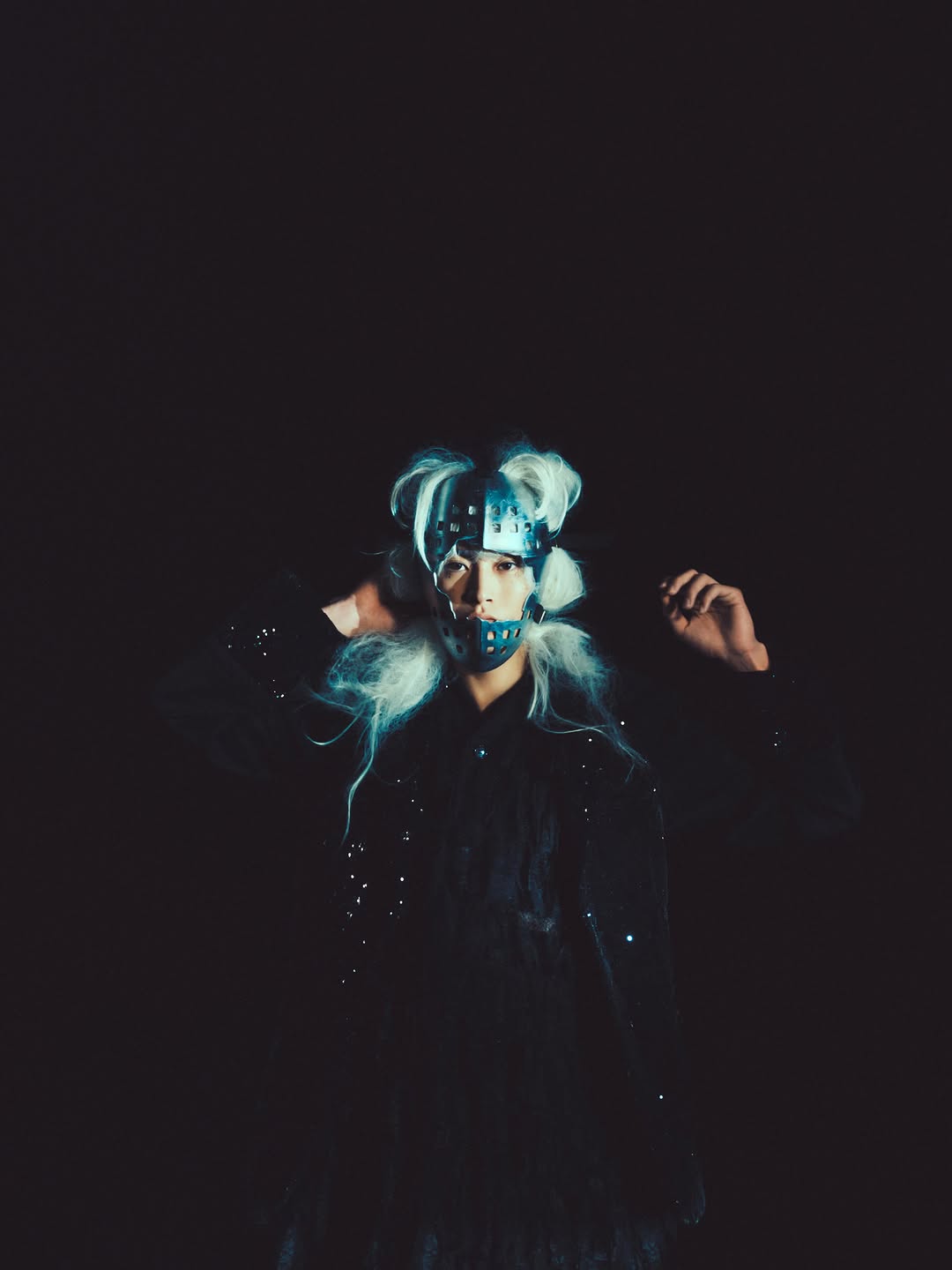
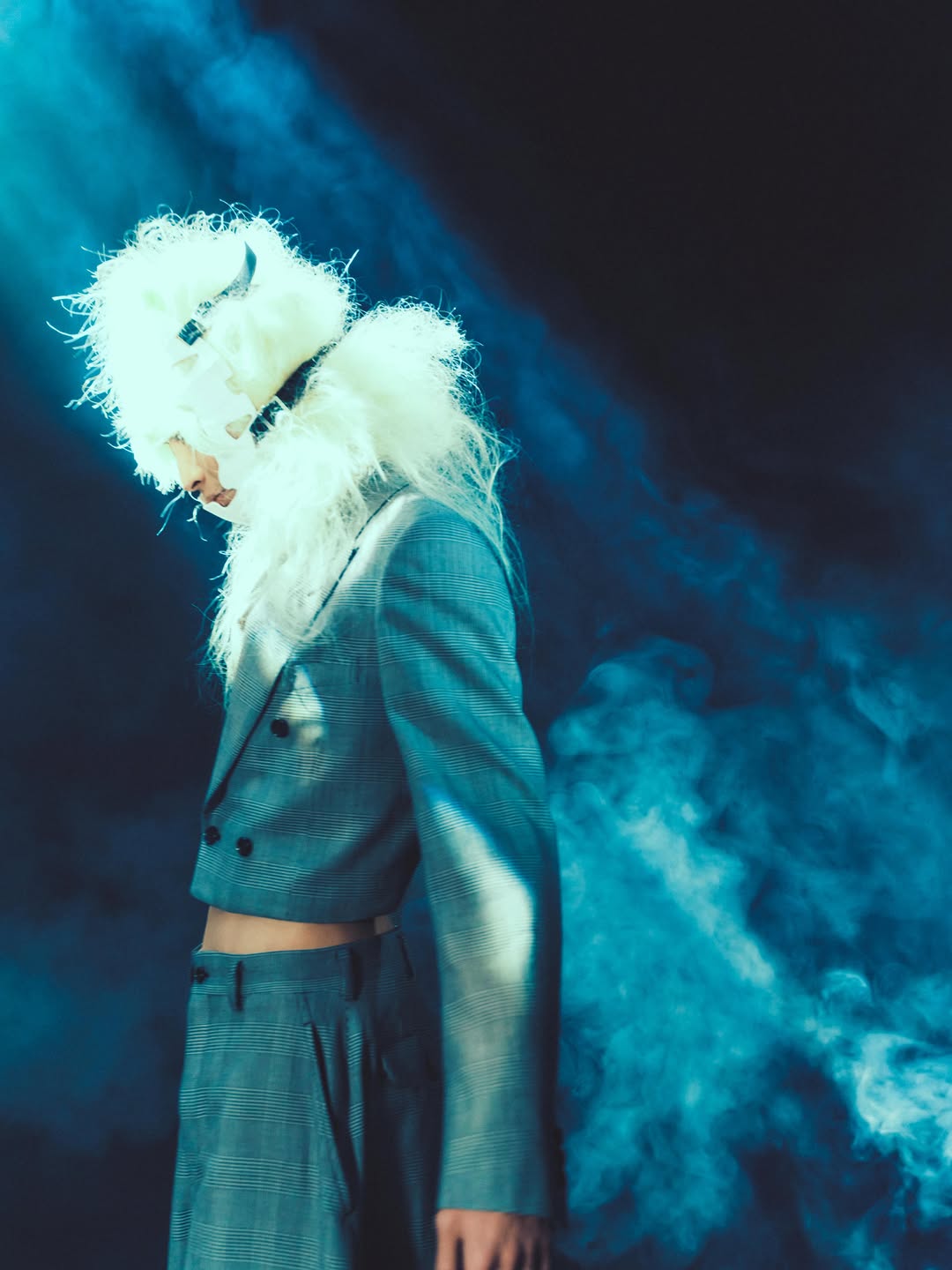
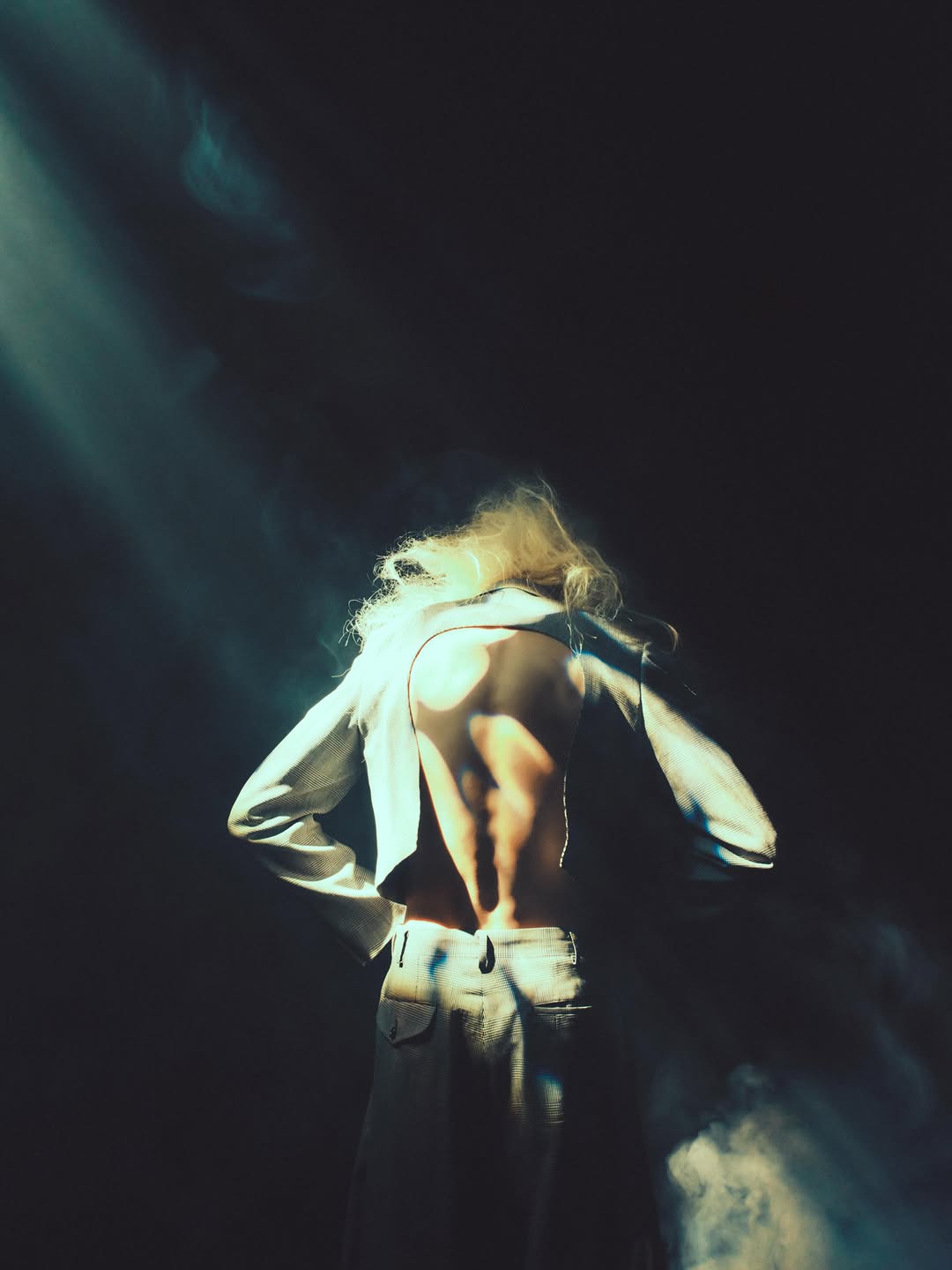
Comme des Garçons Homme Plus FW26 was previewed in a seven-image editorial for Mapsworld Media, shot by Seiya Fujii with styling by Masahiro Hiramatsu. The editorial features sculptural masks built by Syn Murayama, credited separately, with model Hibiki Tomiyama's face concealed in every frame. Homme Plus, launched by Rei Kawakubo in 1984, is the experimental menswear line within the Comme des Garçons universe.
Key Points
- Comme des Garçons Homme Plus FW26 editorial features masks built by Syn Murayama with its own separate credit line
- Seiya Fujii shot seven editorial images for Mapsworld Media; Masahiro Hiramatsu styled; no face visible in any frame
- Comme des Garçons Homme Plus launched in 1984 as Kawakubo's experimental menswear line; FW26 marks 42 years
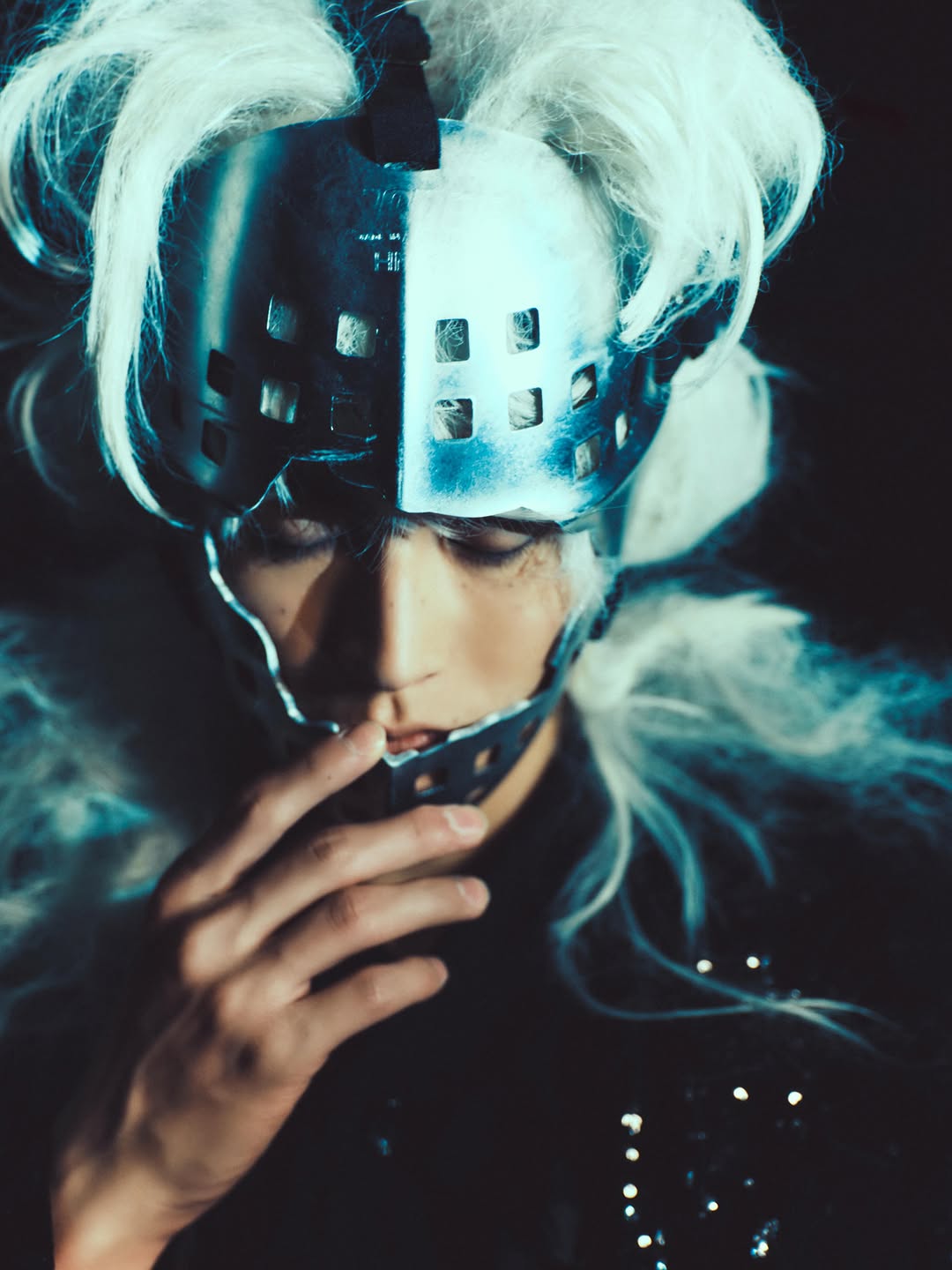
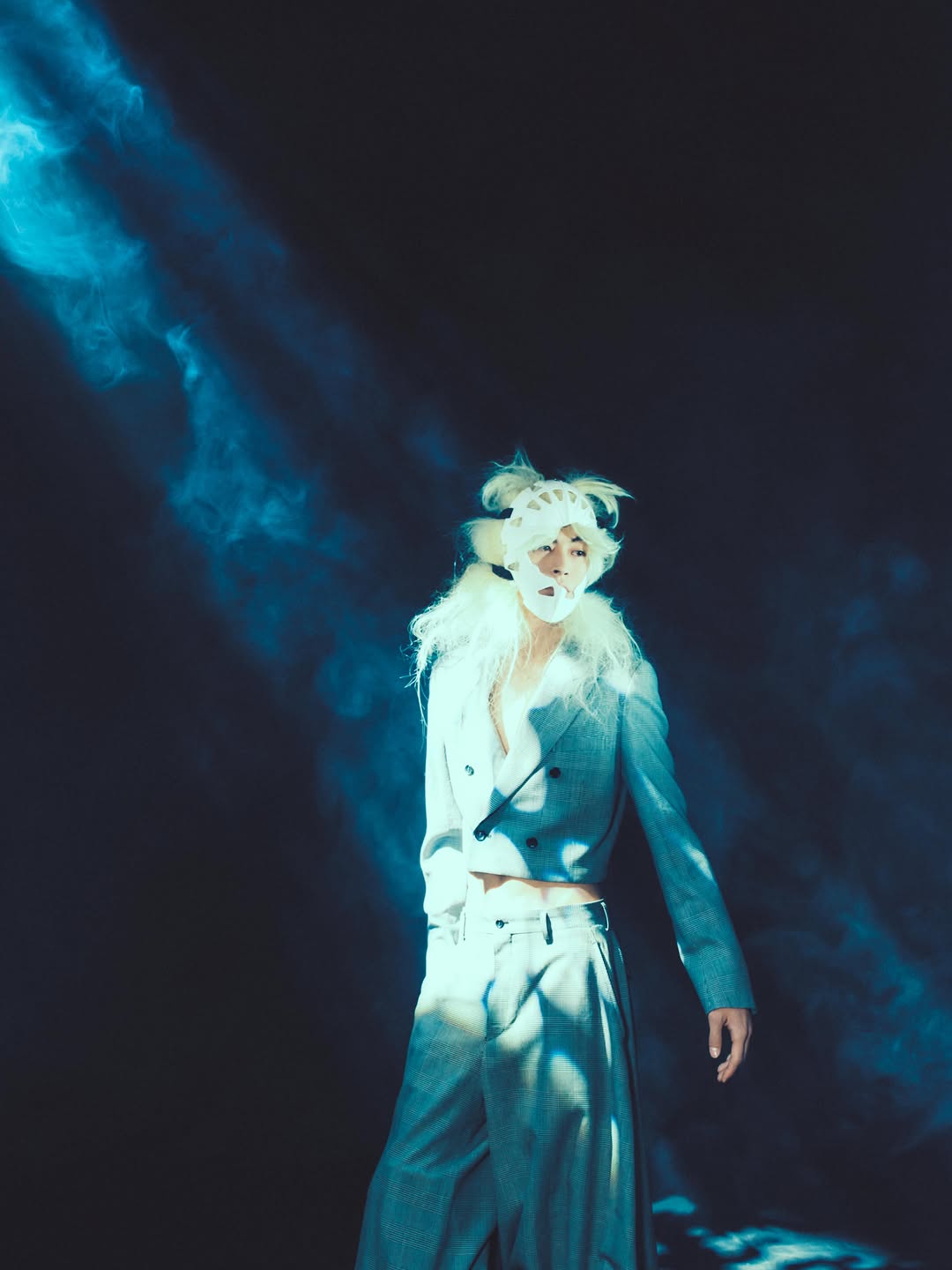
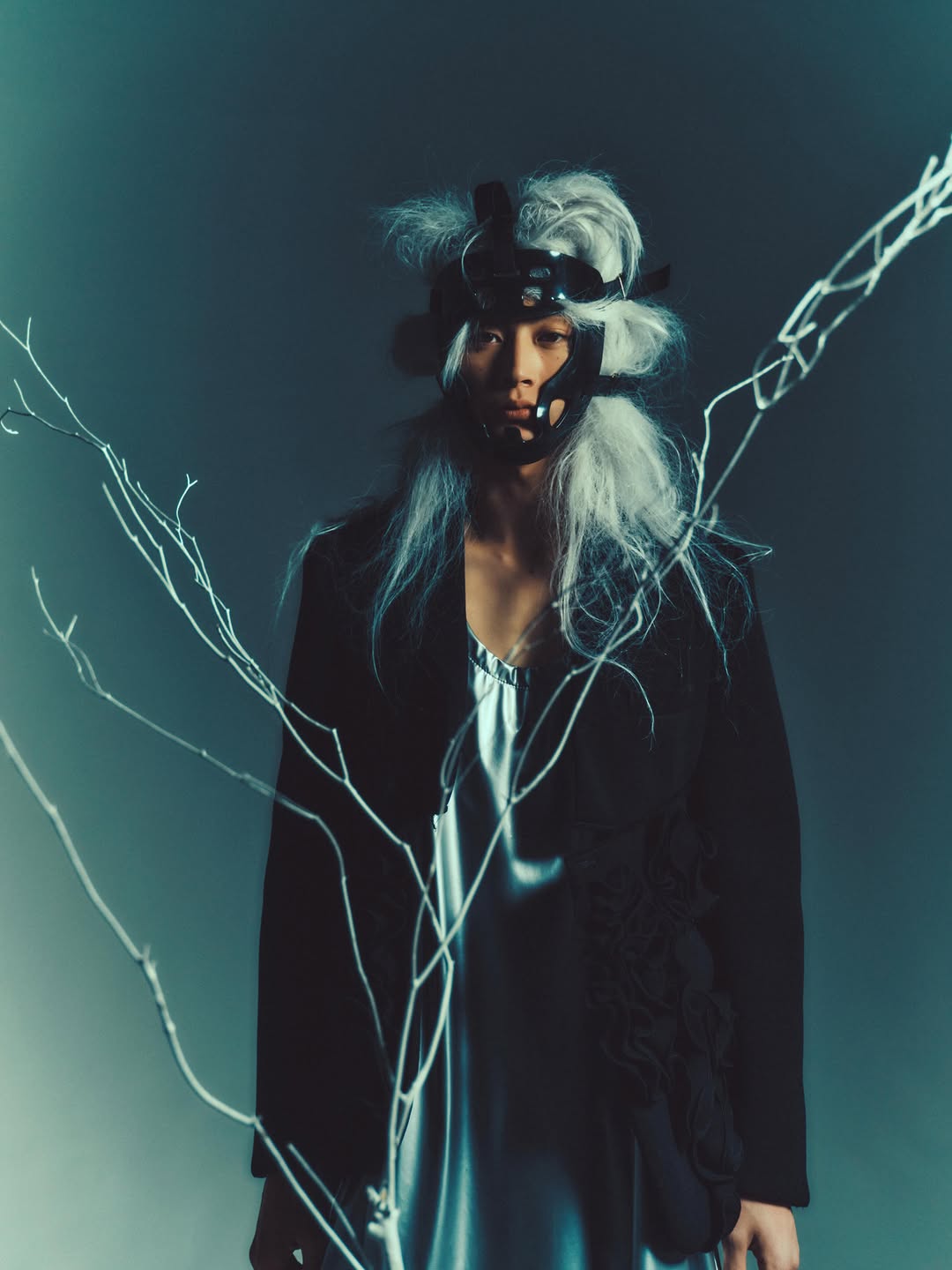
The credit for masks gets its own line. The editorial for Comme des Garçons Homme Plus Fall Winter 2026 lists photographer, stylist, hair and makeup, and then separately: Masks by Syn Murayama. Seven images published in Mapsworld Media, model Hibiki Tomiyama, face concealed in every frame. This is not a styling choice. Syn Murayama built objects, and those objects received a credit because they function as garments do: as designed form placed on a body with intention.
1984. Kawakubo Added a Second Menswear Line.
Comme des Garçons Homme Plus launched in 1984, three years after Rei Kawakubo's 1981 Paris debut changed what runway fashion was allowed to mean. The main Homme line had already established that Kawakubo was not interested in conventional menswear. Homme Plus was positioned further: more theatrical, more formally ambitious, more willing to interrogate the silhouette itself rather than work within it. Over four decades, the line has staged some of the most consequential menswear shows of any season.
The editorial preview format FW26 is taking is different from the runway context. FO has covered Kawakubo's recent runway seasons in detail, including the SS26 'Not Suits But Suits' collection where transformable suits became ruffled skirts during the show and the AW26 collection of 16 monochromatic black looks followed by six pink disruptions, staged in silence. Both were events: performances with specific spatial and temporal conditions. This editorial is something different in register.
Syn Murayama Built the Masks. The Credit Is Separate.
In standard fashion editorial credits, the breakdown runs: photographer, stylist, hair and makeup artist. A separate credit for a specific element means that element is a designed object, not a prop borrowed from a styling kit. Syn Murayama's masks, given their own credit line in this shoot, are constructed pieces built for the purpose of this editorial. The tradition of sculptural mask making runs through Japanese performance and theater, and Kawakubo's relationship to Japanese avant garde craft is not incidental to how Homme Plus operates.
The mask as an object that suppresses identity rather than augments it is doing something specific here. The body is present. The garment is present. The face is absent. What remains is the relationship between the constructed object Murayama built and the constructed object Kawakubo designed.
Seven Images. No Faces.
Seiya Fujii photographed the seven frames that comprise this editorial preview. Masahiro Hiramatsu handled styling. The images were published through Mapsworld Media, which runs consistently in this editorial register: photographers who shoot from inside the discipline, garments that reward that kind of attention rather than depending on a famous face to carry the frame.
Hibiki Tomiyama is in every image. The identity concealed behind Murayama's masks makes him a formal element rather than a subject. This is a consistent move within Kawakubo's aesthetic project: the model as wearer of the idea, not the subject of the narrative. The garments in these seven frames appear to carry the weight and construction detail associated with Homme Plus at this tier. Dark fabric, formal cuts, the kind of precision that shows best at close range rather than at runway distance.
FW26 Against What Kawakubo Has Been Testing
The AW26 runway sent 22 looks into silence. SS26 required transformable suits and a shaman's invocation. FW26, as presented in this editorial, is operating at a different frequency. The masks ground the work in object making rather than performance spectacle. This is Comme des Garçons menswear in a frame that allows individual pieces to be read without the immediate context of a runway sequence imposing its own narrative.
That is not a step back. A Kawakubo garment that holds its argument in a controlled editorial frame, without the event around it, is demonstrating that the garment itself carries the logic. Menswear elsewhere this season has chased scale; AMI Paris built SS2027 around Place des Victoires as venue while Kawakubo built FW26 around seven frames and a mask credit.
Hibiki Tomiyama Stands Inside the Argument
Comme des Garçons Homme Plus has been running this argument for 42 years: menswear does not have to make the wearer look aspirationally like the men they want to be. It can make the wearer look like the idea the designer is testing. FW26 tests the idea of presence without visible identity. Syn Murayama's masks, credited separately in a fashion shoot for the first time most readers of this editorial will have encountered that specific formatting choice, are the argument made object.
The runway FW26 collection was presented in January 2026 at Paris Fashion Week. This editorial comes after, as close reading rather than announcement. The same pieces that moved through that runway context are now standing still, face obscured, in a controlled frame. Seven images. One model. No visible face in any of them. Syn Murayama's contribution is design. Kawakubo's contribution is everything else.
Frequently Asked Questions
What is Comme des Garçons Homme Plus?
Comme des Garçons Homme Plus is the experimental menswear line within the Comme des Garçons universe, launched by Rei Kawakubo in 1984. It is known for conceptual runway shows and garments that challenge conventional menswear.
Who made the masks in the Comme des Garçons Homme Plus FW26 editorial?
The masks were built by Syn Murayama, credited separately from the hair and makeup team, indicating the masks are designed objects rather than styling props.
Who photographed the Comme des Garçons Homme Plus FW26 editorial?
The editorial was photographed by Seiya Fujii with styling by Masahiro Hiramatsu, published in Mapsworld Media.
Is Comme des Garçons a Japanese brand?
Yes. Rei Kawakubo founded Comme des Garçons in Tokyo in 1969 and debuted the brand in Paris in 1981. Homme Plus is one of several lines within the CDG umbrella.
What is the Comme des Garçons Homme Plus FW26 editorial about?
The FW26 Homme Plus editorial suppresses the model's identity through sculptural masks, foregrounding the garments and constructed objects over the body. Seven images were published in Mapsworld Media.
Who is the model in the Comme des Garçons Homme Plus FW26 editorial?
The model is Hibiki Tomiyama, whose face is concealed in all seven frames by masks built by Syn Murayama.
Topics: seiya-fujii, rei-kawakubo, fashion, syn-murayama, editorial, menswear, masks, homme-plus, fw26, comme-des-garons, comme des garçons, comme-des-garcons