Coca Cola Life's Green Can Lost the Middle to Zero Sugar
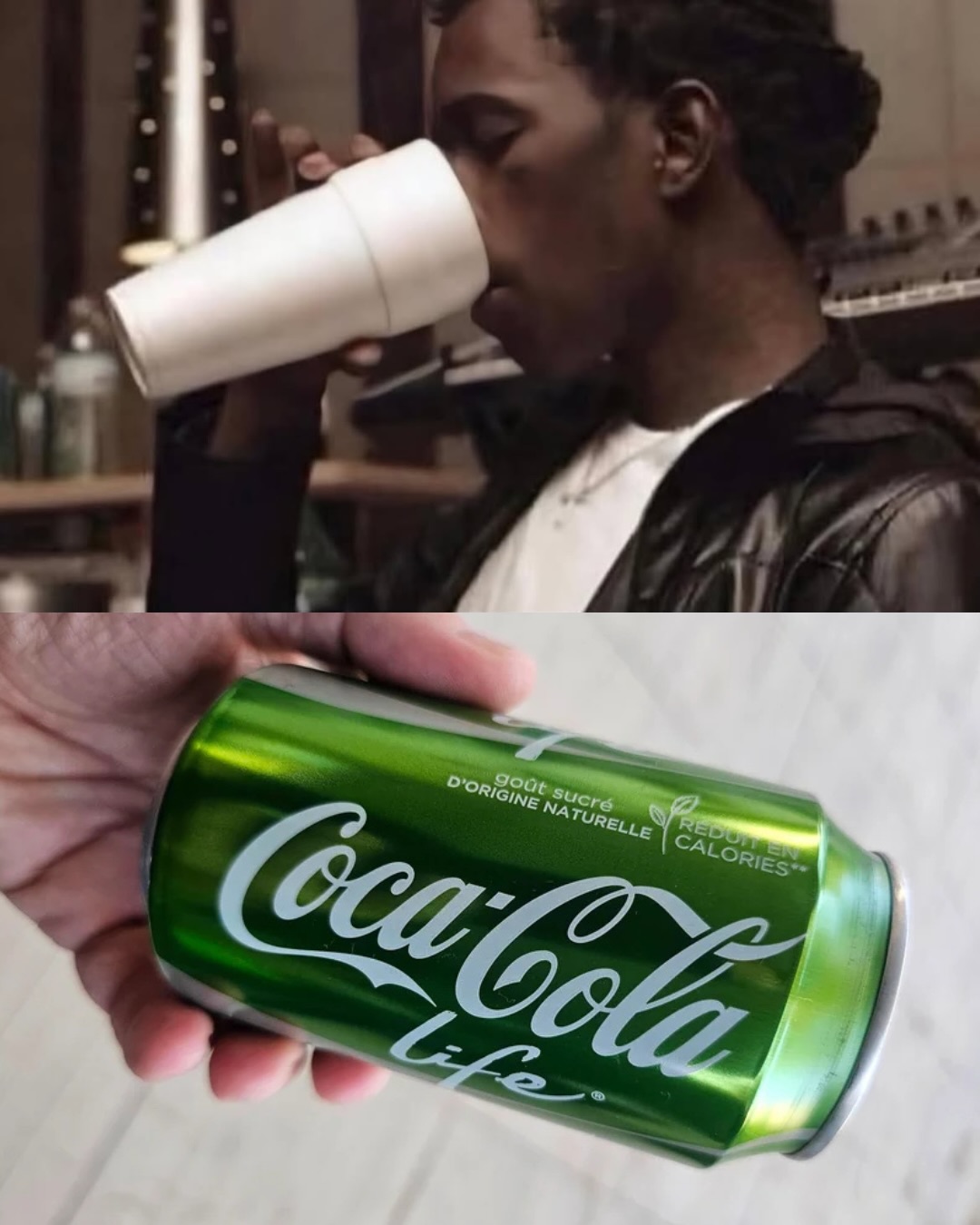
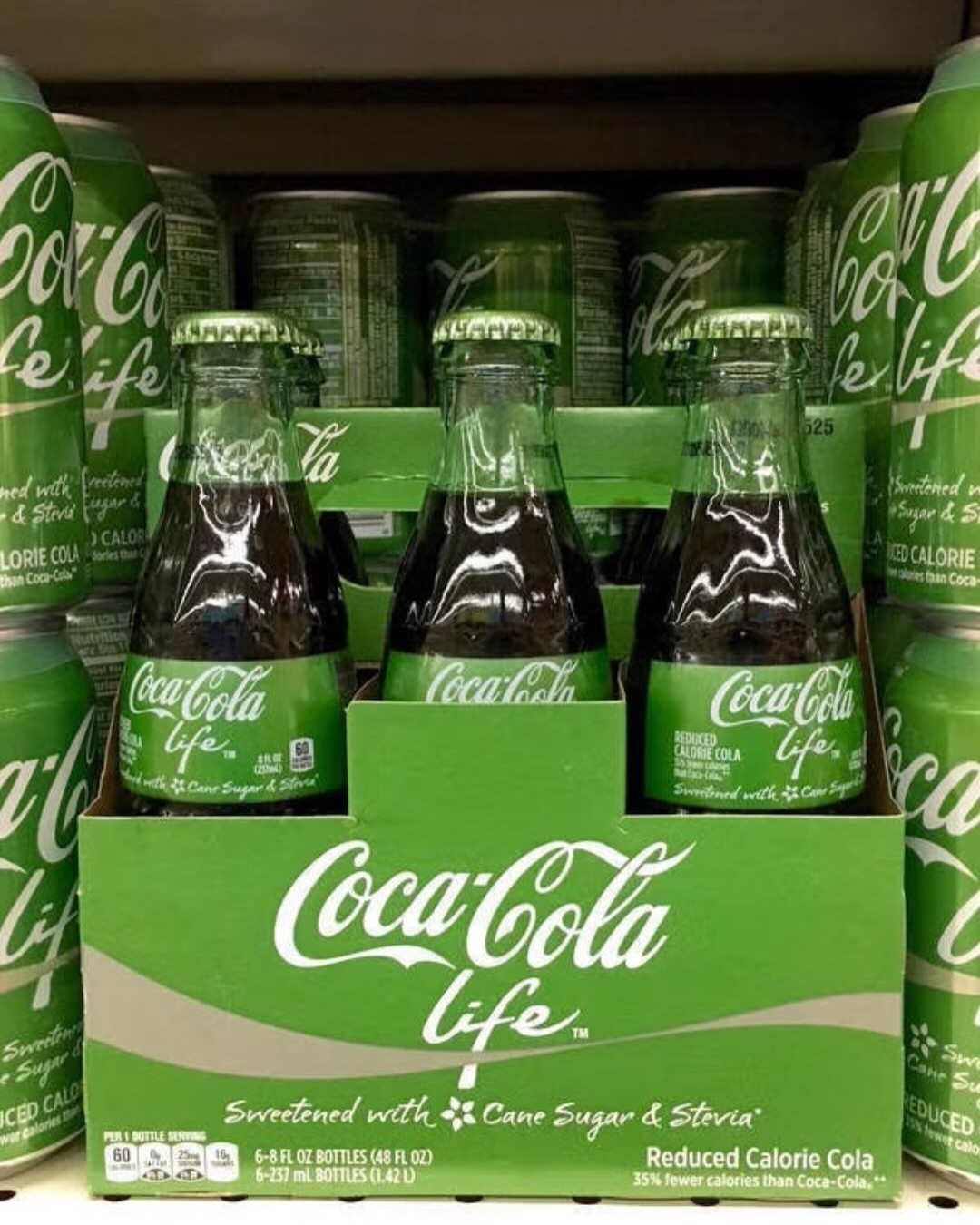
Coca Cola Life, a stevia and cane sugar cola in green packaging, launched in Argentina in June 2013 and reached the UK in September 2014. UK value sales fell from £4.2m in the first month to £1m in the four weeks to December 5, 2015, Coca Cola announced the UK exit in April 2017, and the brand was discontinued by 2020.
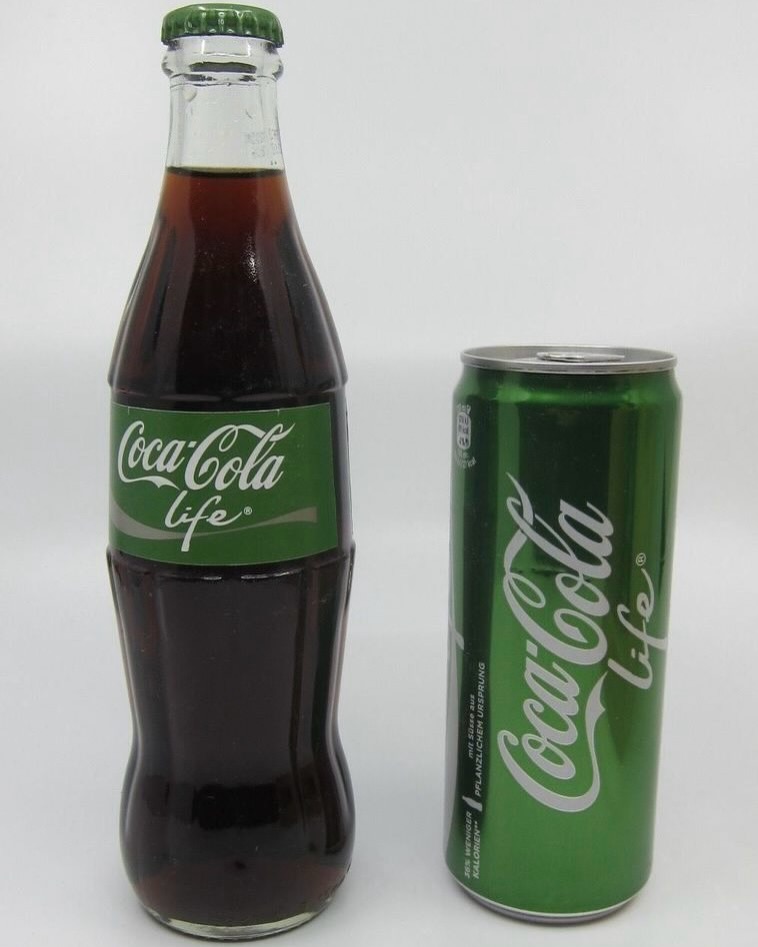
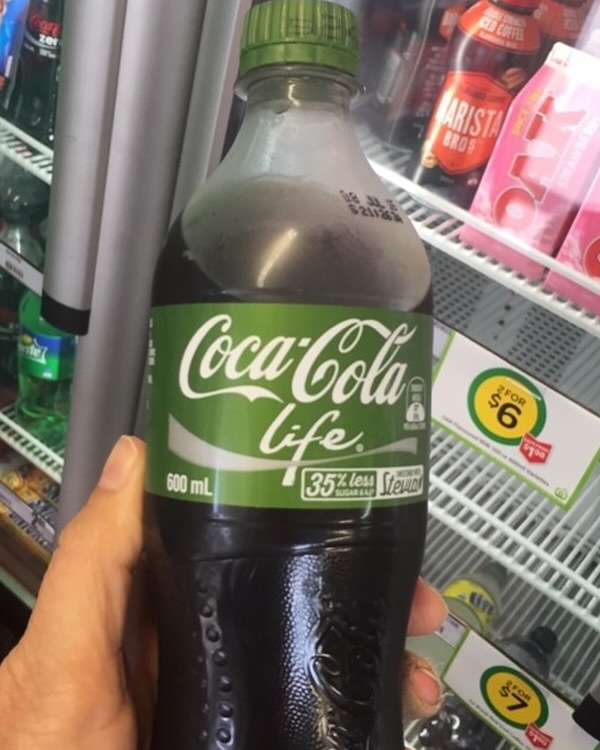
Key Points
- UK value sales went from £4.2m in month one to £1m in four weeks to December 5, 2015
- A 330ml can had 89 calories against 139 for a regular Coca Cola
- Zero Sugar grew 81.2% in volume while Life fell 73.1% in the year to March 2017
Coca Cola Life was a green can that tried to sit between Coke and Diet Coke, and the middle is where it died. It launched in Argentina in June 2013 with stevia and cane sugar, reached the UK in September 2014, and by 2020 the brand was discontinued. In Britain, the numbers show the drop: £4.2m in its first month on sale, £1m in a single four week stretch by December 2015.
89 Calories Against 139
Coca Cola Life cut calories by a third instead of removing sugar. Reports on the UK launch put a 330ml can at 89 calories, against 139 for a regular Coca Cola, and described it as having a third less sugar. In the US, Coca Cola's launch materials framed it as 35 percent fewer calories than leading colas, with a 60 calorie 8 ounce bottle against 93 for regular Coke.
The sweetener was a blend of cane sugar and stevia leaf extract, and Coca Cola told BevNET the proportion could vary, which changed the calorie count by market. One nutritionist's commentary pointed out that at 89 calories a can it still held the equivalent of four teaspoons of sugar. The drink was lighter, not light.
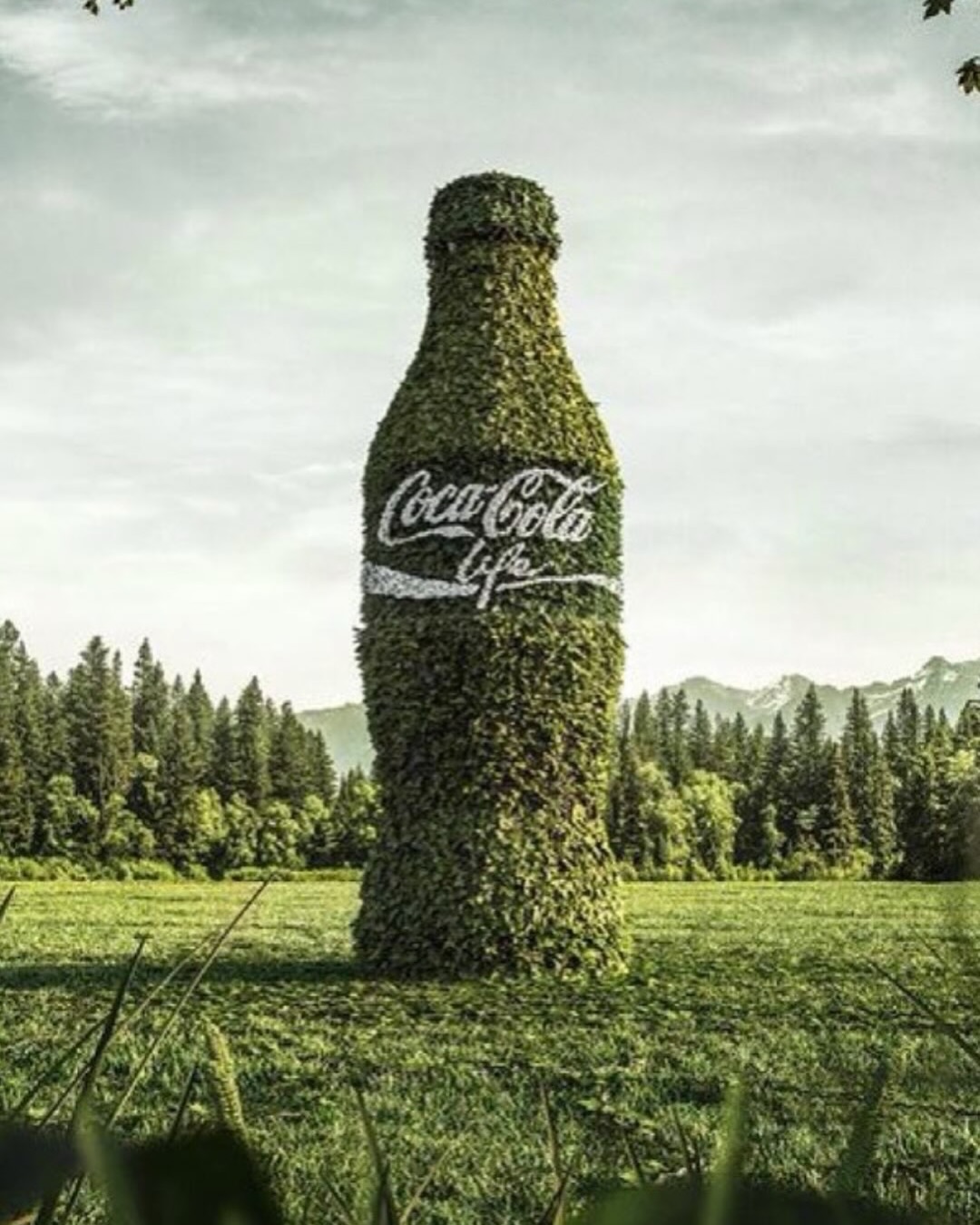
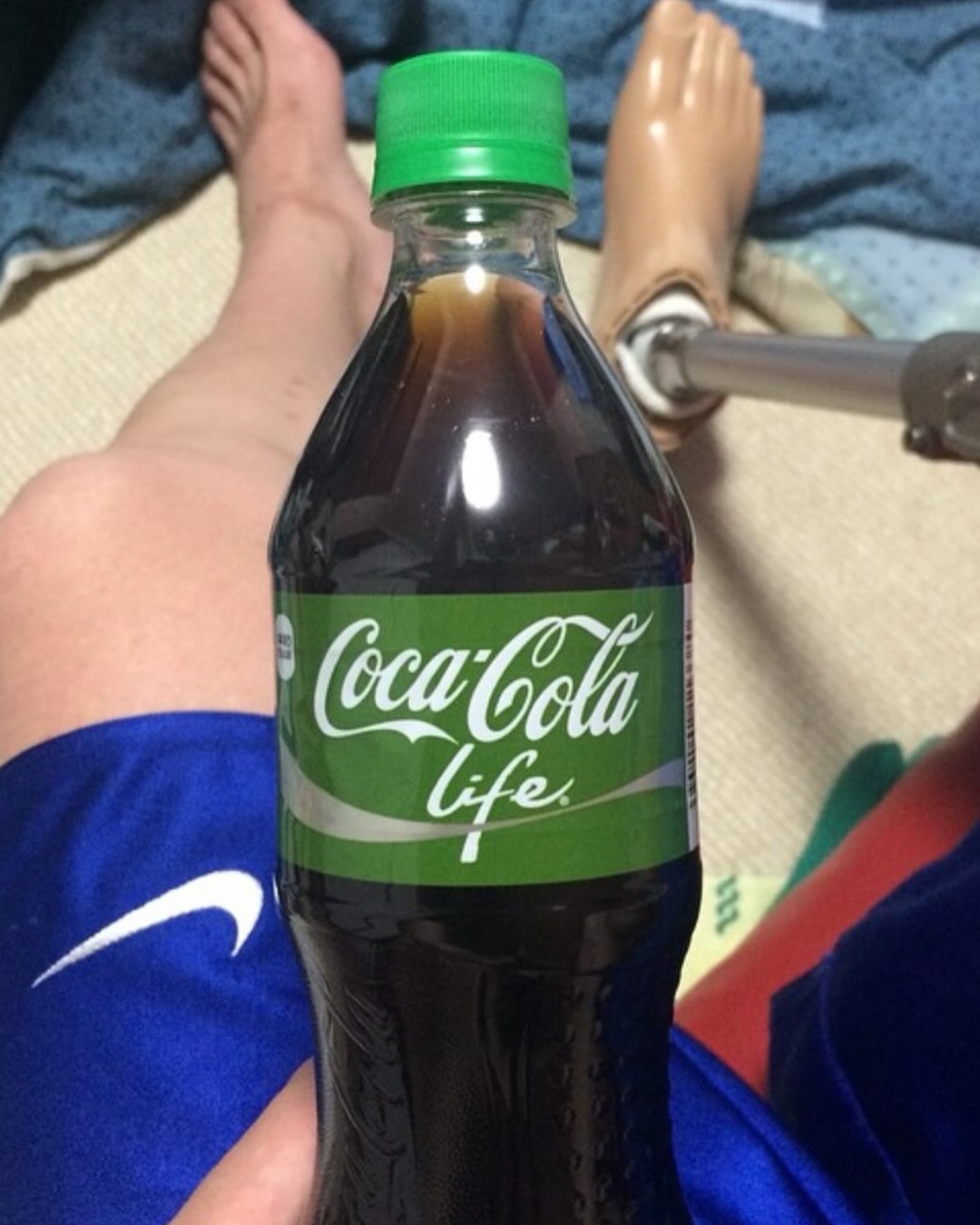
The green packaging did the persuading. Coke's red is shorthand for the original; green signalled something closer to nature. That was the early 2010s wellness wave in a can, and the "natural" pitch depended on shoppers accepting stevia as the healthy sweetener.
June 2013 to September 2014 in Five Launches
Argentina came first, in June 2013, followed by Chile in November 2013. One account says the formula came out of five years of research in those two countries. Sweden got it in June 2014, the UK in September 2014, and Mexico in 2014, where Coca Cola's press release said the drink "is not a substitute" for any of its current drinks.
The US came by test. Coca Cola placed 8 ounce glass bottles in about 65 Fresh Market stores in the Southeast in late August 2014, then announced a national rollout on November 4, 2014 with 12 ounce cans and 12 packs. Sanford Bernstein's analyst called the early US response "lackluster."
In the UK, Coca Cola Enterprises announced the launch in June 2014, and it was the first new Coca Cola product in Great Britain since Coke Zero in 2006. The September push ran across outdoor, print and digital in about 7,000 commuter and shopping locations, plus free 150ml samples at lunchtime.
£4.2m, Then £1m
IRI data shows £4.2m of UK value sales in the first month, then a drop to £1m in the four weeks to 5 December 2015. Campaign reported the second year as "difficult" with sales flat at that low. Coca Cola's James Quincey called the product "1.0" and said stevia would need more development, and the company's marketing chief described it as a small part of its business.
Nielsen figures reported by Marketing Week put the six months ending 2 July 2016 at £5.6m, down 54.5% on the year before. The Grocer, citing Nielsen, reported that sales had fallen 58% over the past year to £8.8m, and that all but three SKUs were axed in December. Those two figures cover different periods and should not be added together.
Marketing Week's year to 18 March 2017 data had Life down 73.1% in volume and 74.6% in value.
Zero Sugar Took the Middle
In June 2016, Coca Cola GB launched Coca Cola Zero Sugar. Over the year to March 2017, Zero Sugar grew 81.2% in volume and 56.6% in value, and Coca Cola GB said it had reached £115m in sales since launch. The company put the two side by side when it announced the UK exit in April 2017, saying it wanted to focus on "our three leading and iconic cola variants" and that Life had a "loyal and niche following."
The positioning problem was already visible. Verdict put it as either not healthy enough for the health conscious or not Coca Cola enough for people who just like drinking Coke. Zero Sugar put its claim in the name.
Life did not vanish everywhere at once. Coca Cola said in 2017 that it was still on sale in more than 30 markets outside the UK. Mexico dropped it that same year, according to Expansión, in favour of Coca Cola Sin Azúcar.
McDonald's Sold Flavor, Not Guilt
A drink between two products needs a reason to exist, and the soda aisle of 2026 sells flavor first. McDonald's launched six specialty drinks on May 6, including a Dirty Dr Pepper with vanilla and cold foam, as a permanent beverage strategy after CosMc's closed. That pitch sells cream and syrup, not a guilt free swap, which is the opposite move from a green can.
Life itself ended market by market: the UK in 2017, Mexico the same year, Australia in a swap for Coca Cola with Stevia, and Canada by early 2020, when its version became zero calorie Coca Cola Stevia.
Frequently Asked Questions
When was Coca Cola Life discontinued?
Coca Cola announced the UK exit in April 2017, and the brand was discontinued by 2020, with dates varying by market.
What was in Coca Cola Life?
It was sweetened with a blend of cane sugar and stevia leaf extract and had about a third fewer calories than regular Coca Cola.
Why did Coca Cola Life fail?
UK sales fell sharply while Coca Cola Zero Sugar grew, and commentators said Life was neither healthy enough nor Coca Cola enough.
Topics: soda, stevia, uk, argentina, zero-sugar, coca-cola, discontinued, wellness, green-can, coca-cola-life, 2010s