TARYN SIMON BUILDS A BALL RUN THROUGH 42 STORIES
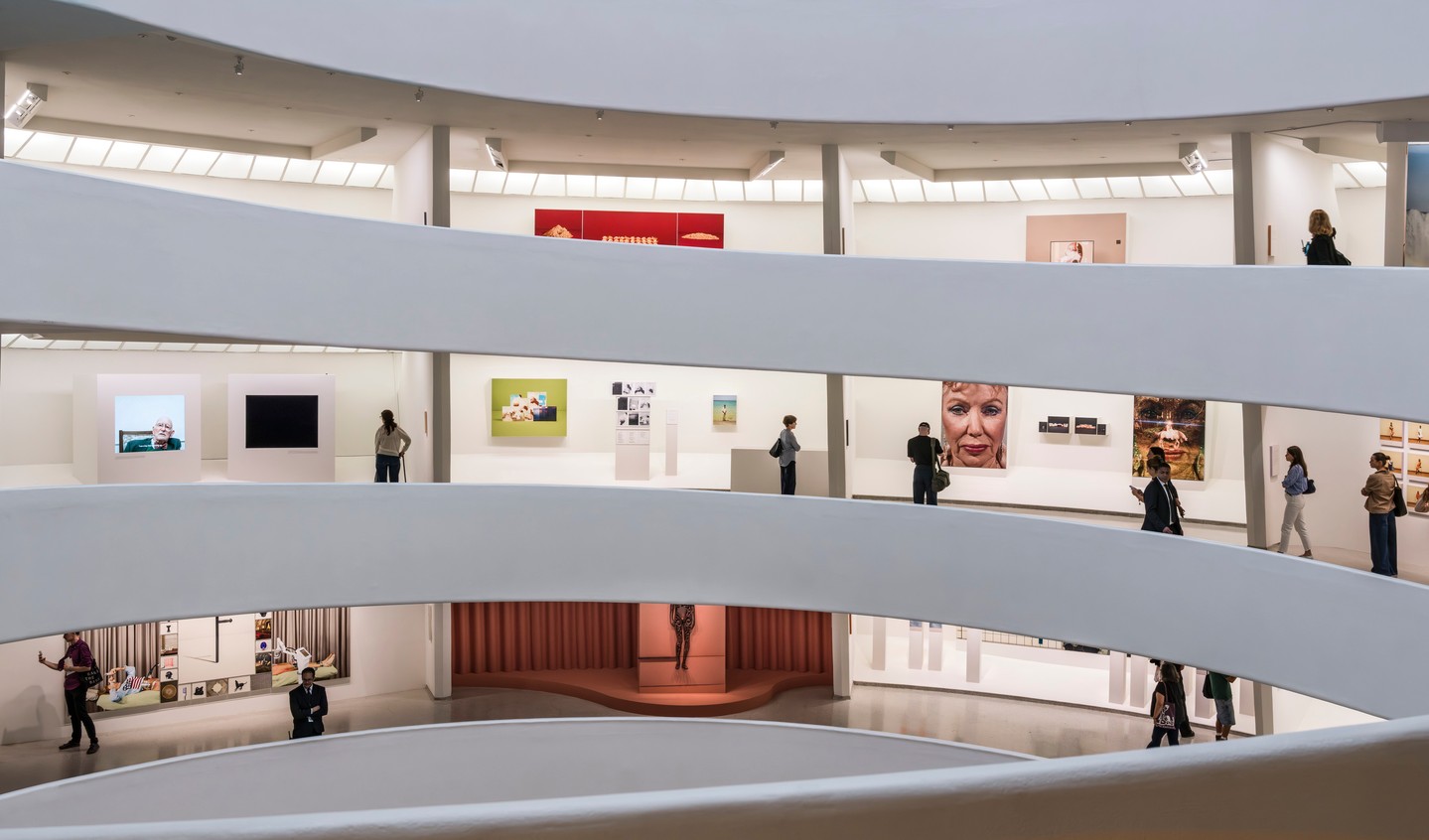
Taryn Simon's Father Country, I Do Love You presents 42 chapters drawn from an unnamed federal agent's accounts. The Guggenheim exhibition combines photography, video and sculpture and runs from September 18, 2026, through March 14, 2027.
Key Points
- Father Country, I Do Love You runs at the Guggenheim from September 18, 2026, to March 14, 2027.
- A teak ball run follows the Guggenheim's inner parapet.
- Jodie Foster and an AI clone of Simon's father's voice narrate the audio guide.
Taryn Simon gives Father Country, I Do Love You a mechanism visitors can set in motion: wooden balls rolling down a teak track inside the Guggenheim. The exhibition's 42 chapters begin with an unnamed American federal agent's accounts. The ball run makes a sharper proposition than a linear biography, because a visitor can choose a beginning without controlling everything that follows.
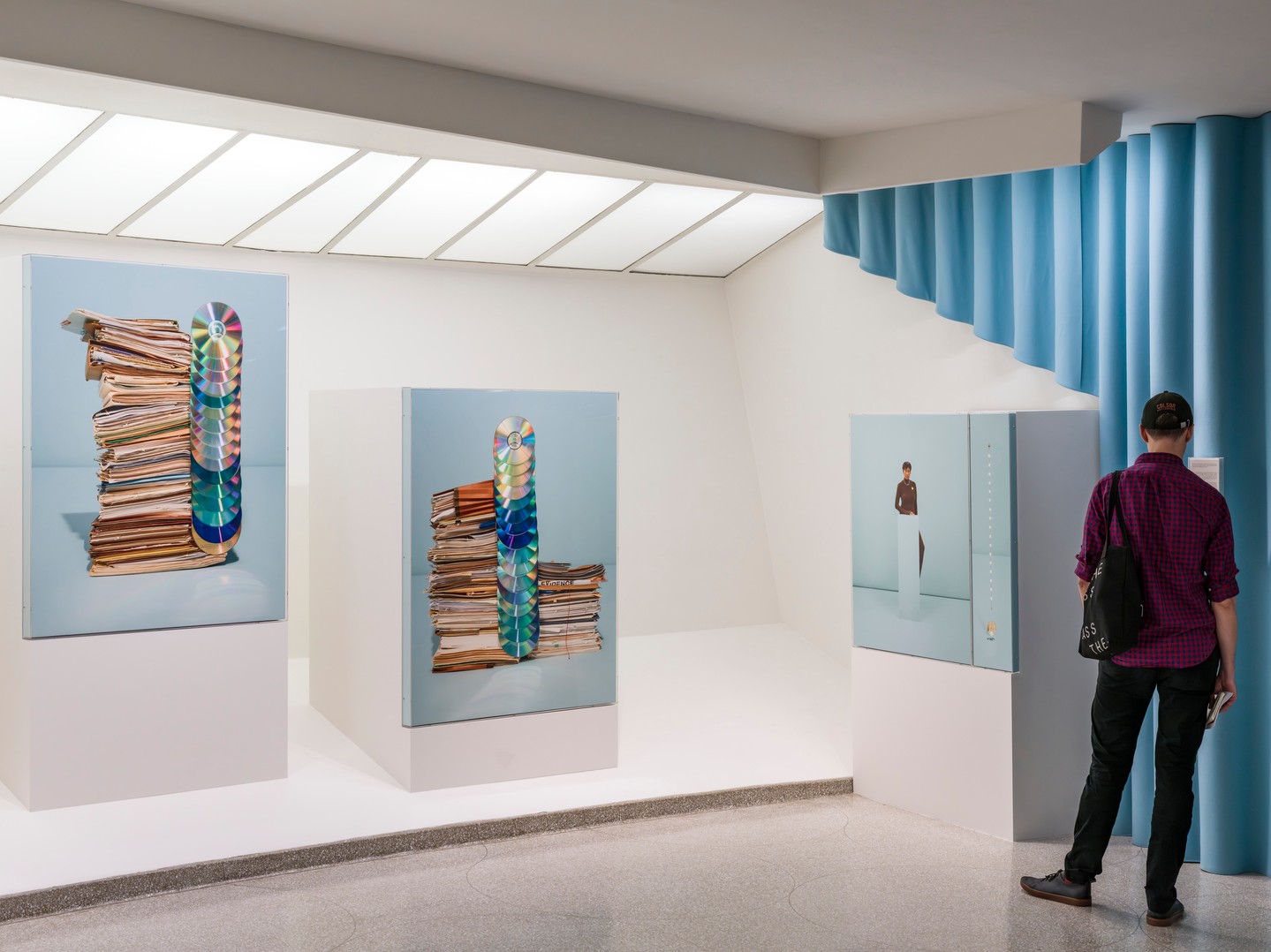
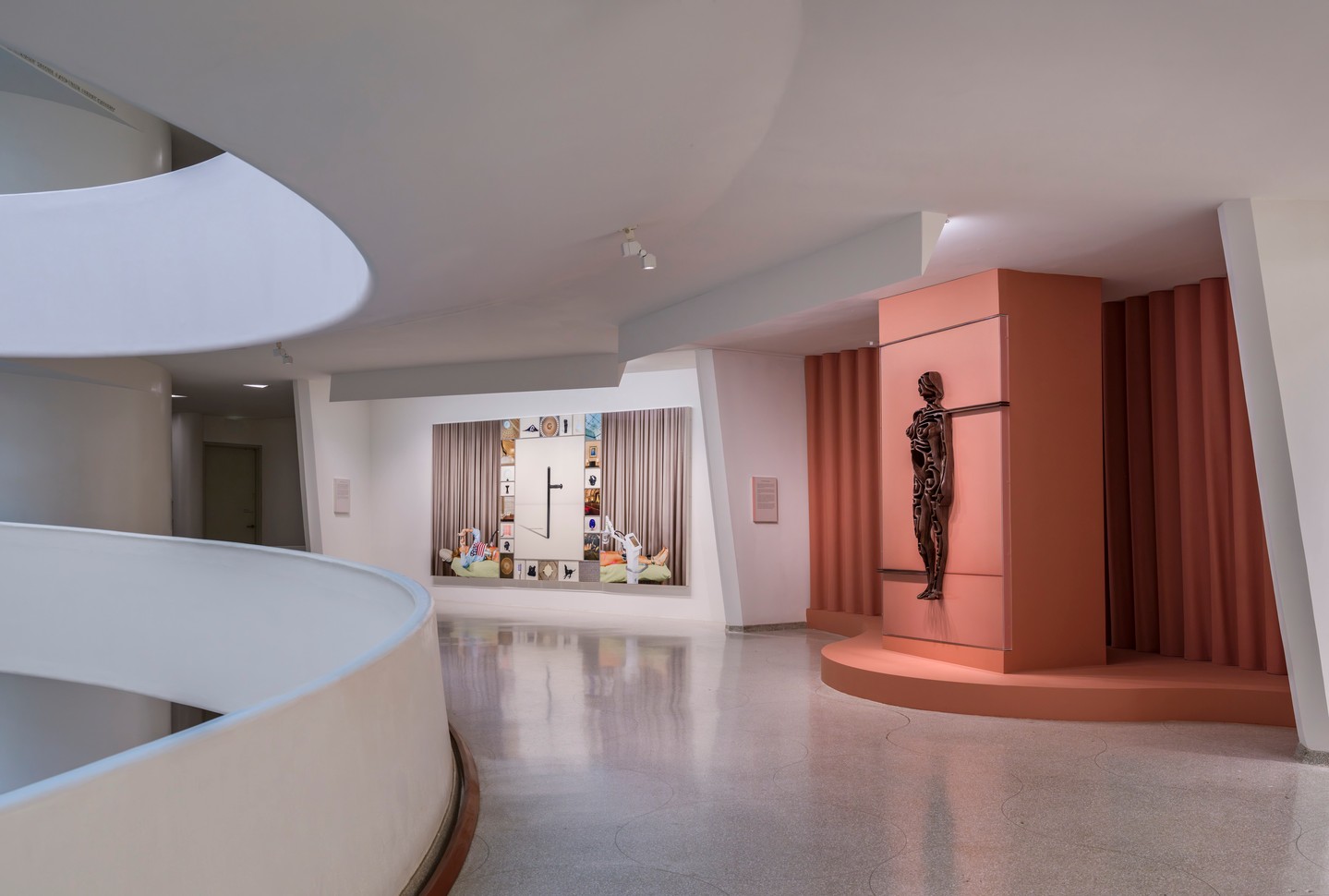
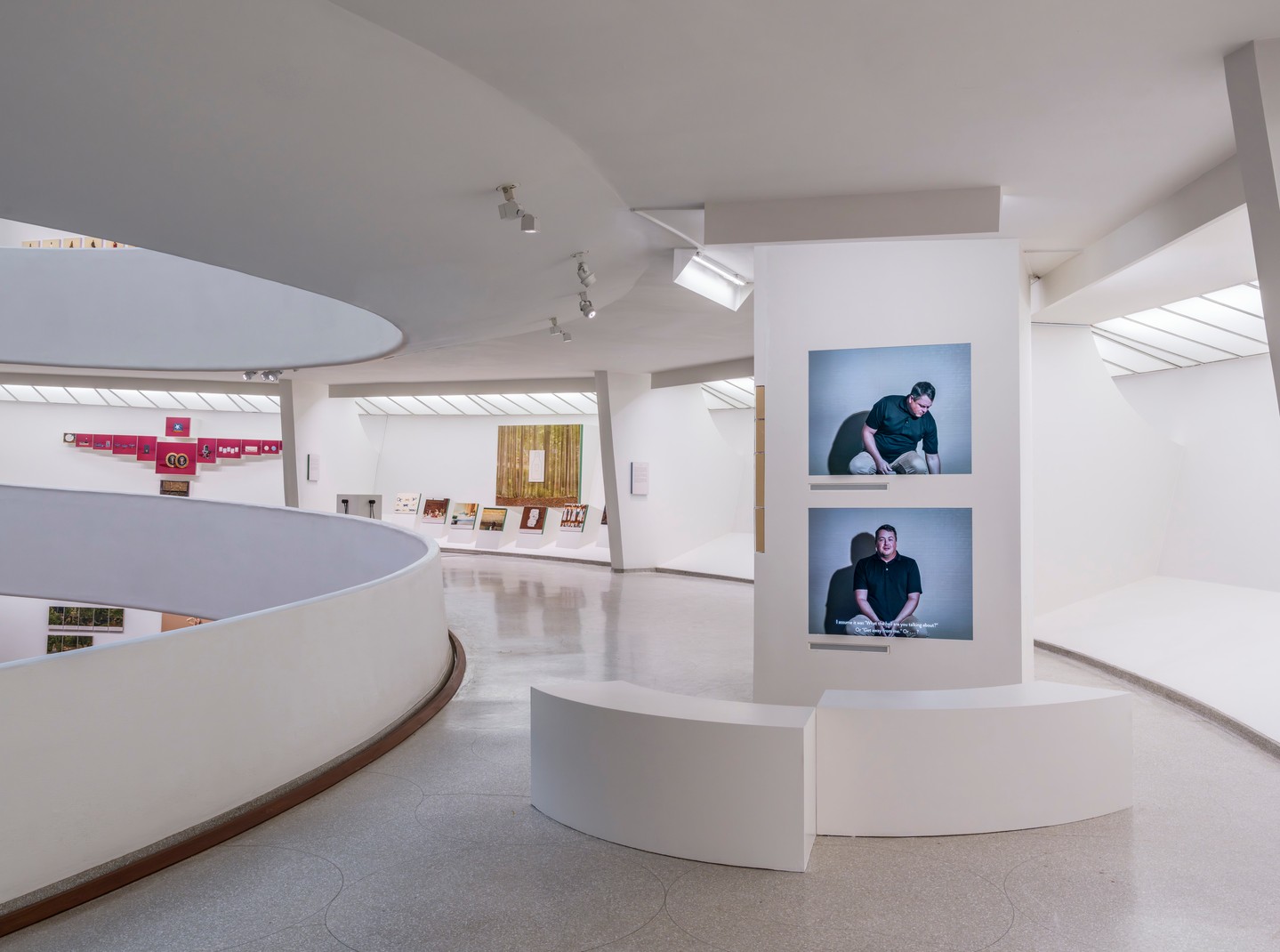
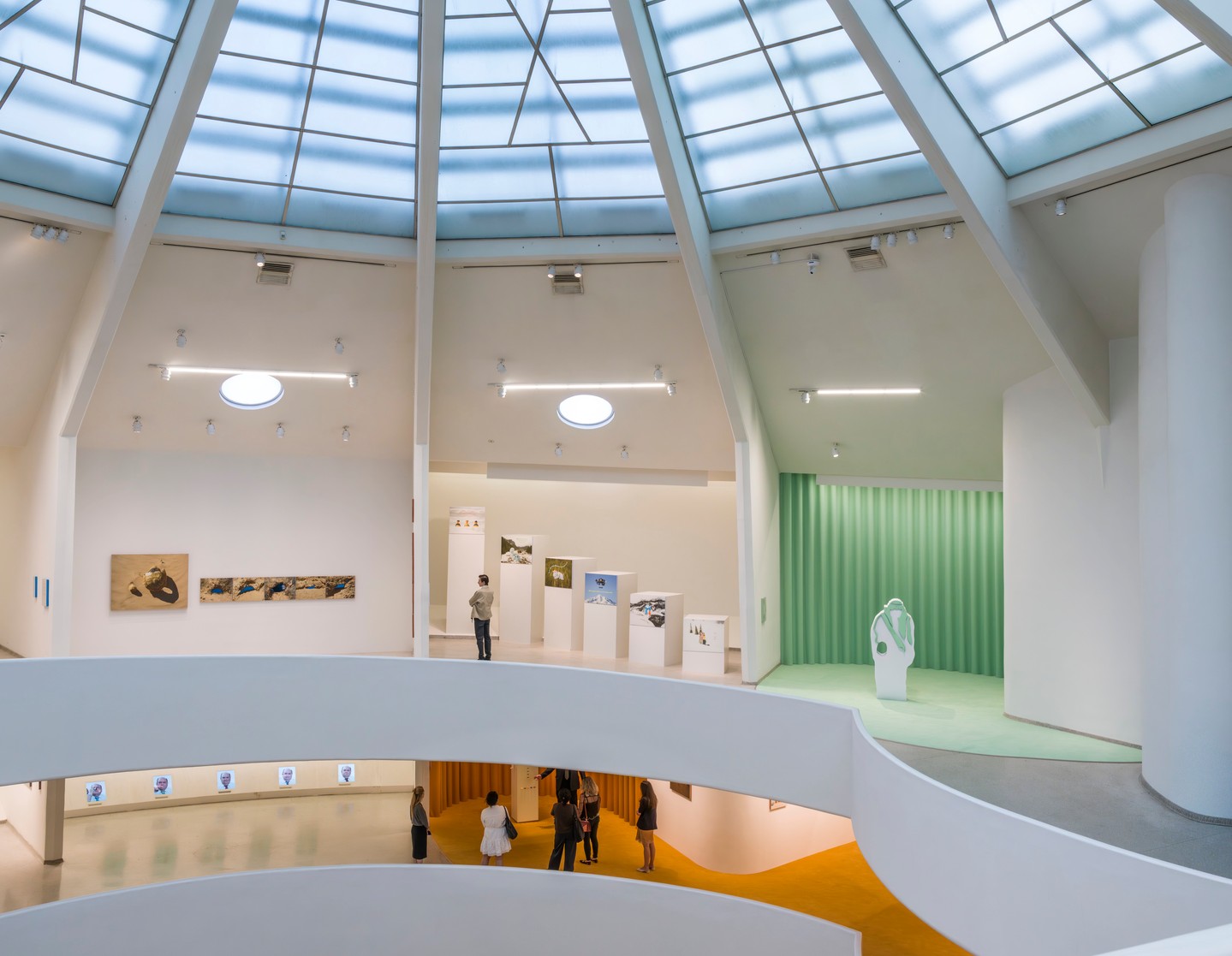
Open from September 18, 2026, through March 14, 2027, the New York exhibition combines photography, video and sculpture across the rotunda. An agent who listened to the Soviet embassy and investigated an assassination in Saudi Arabia provides one thread. Simon's family memories supply another.
Finally Offline's earlier account of Christie's four stop New York art itinerary placed this show within the city's autumn museum circuit. The installation supplies the reason to separate it from that itinerary: Frank Lloyd Wright's ramp becomes part of the work's machinery.
42 chapters refuse a single assignment
The Guggenheim describes an agent whose professional recollections include listening operations, an assassination investigation and looking after models' children during a drug sting. Simon translates that uneven material into photographs, moving images and sculptural arrangements, without turning each episode into a conventional case file.
The range of assignments matters. Babysitting and surveillance sit within one career, but they do not produce an orderly picture of state authority. Simon can place the bureaucratic and the intimate beside each other because the agent's testimony already contains both.
The agent and Simon's father are separate figures. Keeping that distinction intact is essential to reading an exhibition that brings their stories into proximity. A father's changing recollections do not verify an investigator's account, and an investigator's institutional role cannot make memory infallible.
For Simon, selecting and arranging an account gives the viewer a second set of decisions to examine. A photograph can show what was placed before a camera. It cannot, by itself, certify every remembered event that made the photograph seem necessary.
Teak follows Wright's spiral
The ball run follows the rotunda's inner parapet, letting visitors release wooden balls from the top into a descent through the museum. Colors on the balls correspond to the frames around the exhibition's chapters.
Simon describes the work in the museum's announcement: “A single act of participation unfolds in ways that can’t be calculated.” The sculpture turns that thought into a physical instruction. Release a ball, then follow a route the building helps determine.
A track also provides a useful limit to the metaphor. The ball's movement can vary, but the artist has built its course. Simon's arrangement of 42 chapters works under a related constraint: viewers can make connections while moving through a structure somebody else has chosen.
This is where the rotunda earns its role. Wright's continuous spiral lets the ball run belong to the exhibition's route instead of sitting apart as an isolated interactive object. The sculpture makes circulation visible, something a sequence of photographs on flat walls would have to suggest by other means.
Listen to a voice with two authors
The Bloomberg Connects audio guide combines Jodie Foster's narration with an AI voice clone of Simon's father. The pairing introduces a recognizable actor and a technologically reconstructed family voice into an exhibition already concerned with how accounts reach their listeners.
An AI voice can preserve recognizable vocal qualities without restoring the person or settling a memory. Within Father Country, that gap makes the audio guide more than an aid to identifying works. Its medium raises a question that a spoken account alone might leave unnoticed: who is responsible for the voice a visitor hears?
The use of moving images also places Simon beside another upcoming New York exhibition. Our coverage of Arthur Jafa's I AM TONy at the New Museum identifies a survey spanning two floors. Both artists make the screen an exhibition material, though Simon's chapter system follows a different route through testimony.
Published with 1,000 color illustrations
Hatje Cantz's accompanying book, published with the Guggenheim, is listed at 696 pages with 1,000 color illustrations. Artbook gives the US publication date as November 3, 2026, so the volume should not be confused with a book already released on the exhibition's opening day.
Those specifications give the project a second scale. A visitor follows the museum's ramp in sequence; a reader can stop, return and compare distant pages. The printed volume will let the images be examined without the ball run supplying their pace.
Installation photography by David Heald.
The teak track and reconstructed paternal voice are the exhibition's strongest challenges to a tidy account of the past. The teak track gives memory a course through Wright's building; the audio gives Simon's father a voice without returning its speaker. With 42 chapters available, Simon has built a structure for questioning recollection, not a machine for confirming it.
Frequently Asked Questions
What is Taryn Simon's Father Country, I Do Love You?
It is a Guggenheim exhibition of photography, video and sculpture organized around 42 chapters drawn from an unnamed American federal agent's accounts.
When is the exhibition at the Guggenheim?
The New York exhibition runs from September 18, 2026, through March 14, 2027.
How does the ball run work?
Visitors release wooden balls into a teak track along the Guggenheim rotunda.
Who narrates the audio guide?
Jodie Foster and an AI voice clone of Simon's father narrate the guide on Bloomberg Connects.
Is Simon's father the federal agent?
No. The exhibition brings the agent's accounts into proximity with Simon's family history, but they are separate people.
When will the accompanying book be published in the US?
Artbook lists November 3, 2026, for the Hatje Cantz and Guggenheim volume, which has 696 pages and 1,000 color illustrations.
Topics: father-country, new-york, new-museum, exhibitions, sculpture, contemporary-art, photography, new museum, guggenheim, taryn-simon