STONE ISLAND REBUILDS OXFORD WEAVE IN NYLON FOR AW26
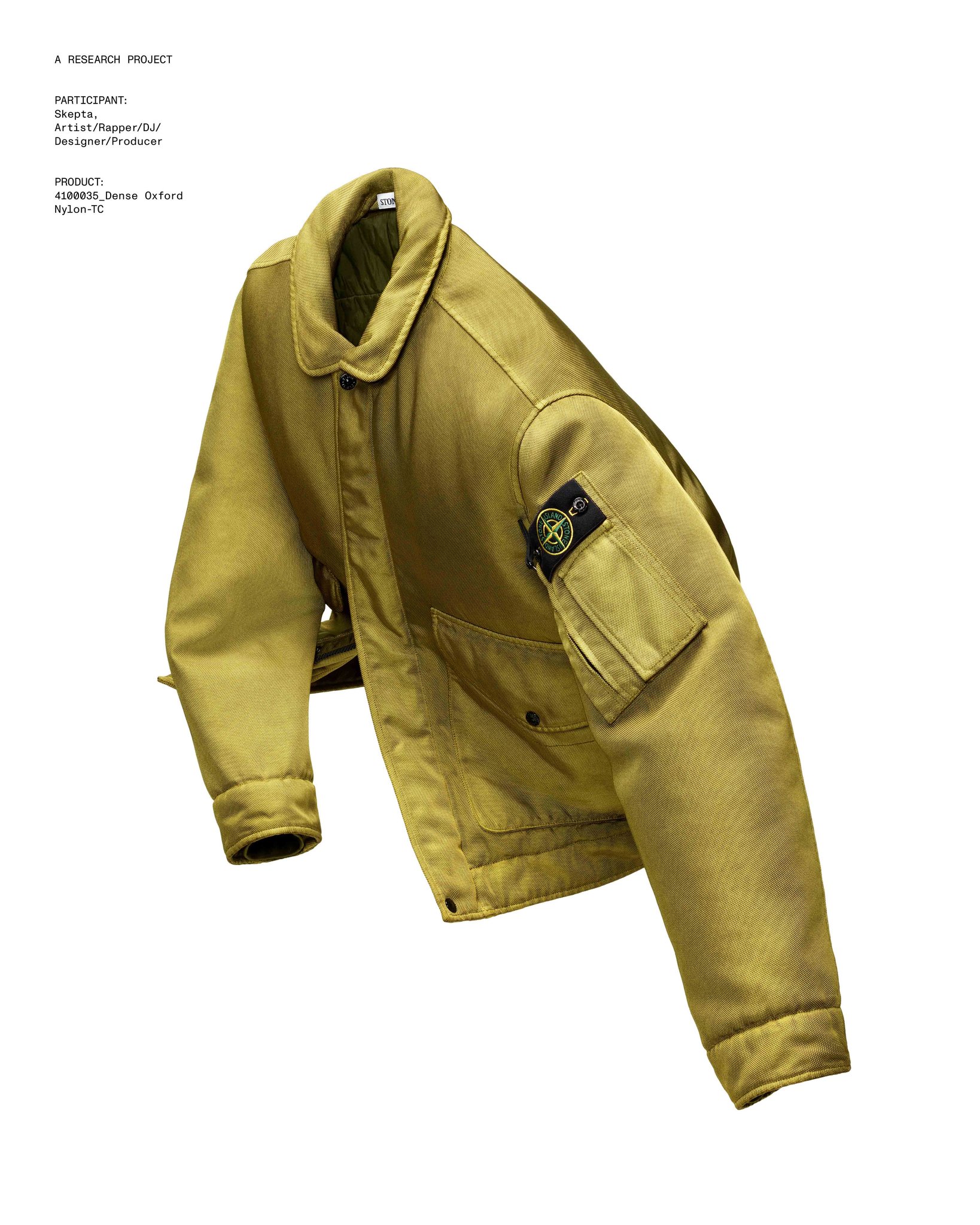
Stone Island's 4100035 Dense Oxford Nylon TC jacket reinterprets oxford weave, a structure typically used in cotton shirting, in heavy nylon, garment dyed with an anti drop agent and quilted with PrimaLoft-TC insulation that is 70 percent recycled and engineered specifically with Stone Island for its garment dyeing process. The technique traces back to founder Massimo Osti's original postconstruction dyeing method.
Key Points
- Stone Island's 4100035 jacket reworks oxford weave, a cotton shirting structure, in heavy nylon for strength and lightness.
- The garment dye recipe adds an anti drop agent, and the quilted lining uses PrimaLoft-TC, a 70 percent recycled insulation engineered for that dye process.
- The jacket's postconstruction dyeing method traces back to founder Massimo Osti's original Research Department technique.
STONE ISLAND REBUILDS OXFORD WEAVE IN NYLON FOR AW26
Stone Island's 4100035 Dense Oxford Nylon TC takes a weave structure built for cotton shirting and rebuilds it in nylon, the latest piece in a Research Department run that has spent all of Autumn Winter 2026 asking what happens when one fabric borrows another's construction logic. Oxford weave normally gives a dress shirt its basket textured surface and light structure. Stone Island applied that same weave geometry to heavy nylon instead, chasing strength and lightness in a fabric oxford was never designed for.
The Weave Comes From Shirting, Not Outerwear
Oxford cloth is a basket weave developed for cotton shirts, valued for a textured hand and enough structure to hold a collar shape without stiffening the whole garment. Applying that same geometry to nylon is a material transplant, not a styling reference: the weave pattern controls how the fabric drapes and resists tearing regardless of what fiber runs through it, which is why Stone Island's Research Department could lift the structure wholesale and expect it to behave differently once the fiber changed underneath it.
The jacket takes a stand collar instead of the point collar oxford shirting usually holds, so the shirting reference stays in the weave and the dyeing, not the silhouette. A stand collar reads as outerwear from ten feet away. The oxford structure only reveals itself up close, in the surface texture the nylon carries because of how it was woven, not because of any print or finish applied on top.
Garment Dyeing Adds an Anti Drop Agent on Top of the Weave
Stone Island hand brushes a resin finish onto the Q100027 jacket's nylon using a different Research Department process from the Dense Oxford piece, proof the brand runs multiple garment dyeing methods in parallel instead of standardizing one technique across the season. The 4100035 jacket's own dye recipe adds an anti drop agent during the process, a chemical addition that keeps color from migrating or shedding after the fact, and the dyeing itself lends the fabric its textured, uneven surface appearance. The Q100035 resin coated anorak and G100016 monofilament vest represent the season's two extremes, one built for weight and reinforcement, one built with no lining at all. The Dense Oxford jacket sits between them: heavier than the vest, lighter than the resin anorak, using a weave borrowed from shirting instead of either extreme's approach to nylon weight.PrimaLoft TC Is 70 Percent Recycled, Engineered for This Dye Process
The quilted lining runs on PrimaLoft TC, an insulating fiber blend built at 70 percent recycled content and engineered specifically with Stone Island for garment dyeing. That last detail matters more than the recycled content figure alone. A standard insulation fiber can shift color unevenly when garment dyed after construction, which is why Stone Island needed a version engineered to take the brand's own dye process evenly instead of sourcing an off the shelf insulation and hoping the color held.
Stone Island's Q100019 Light Nylon 3L TC jacket solved a related problem for a three layer waterproof shell, laminating a mesh built specifically to absorb dye so the whole garment could be colored after it was already sewn and waterproofed. PrimaLoft TC applies that logic to insulation: engineer the material around the dye process first, then build the garment.The Research Department Method Traces Back to Massimo Osti
Stone Island's compass badge traces back to a sailboat and to founder Massimo Osti's original research lab, where garment dyeing whole finished pieces after construction, instead of dyeing yarn before weaving, became the brand's defining technical signature. Every AW26 Research Department piece released this season, the Dense Oxford jacket included, runs some version of that same postconstruction dyeing logic Osti developed decades before nylon oxford weaves or PrimaLoft blends existed to apply it to.That lineage is the real reason the anti drop agent and the recycled PrimaLoft blend matter beyond their own specs. Stone Island is not solving new problems with new methods. It is solving new fiber and fabric combinations with the postconstruction dyeing discipline Osti built the brand on, one Research Department jacket at a time.
The Season Has Produced One Fabric Story Per Jacket
Samir Bantal wore Stone Island's 4100062 Ghost Parka earlier this month, a separate AW26 piece carrying its own construction story under the same Compass Inside framing as the Dense Oxford jacket. Counting the Ghost Parka, the resin coated Q100035 anorak, the Light Nylon 3L Q100019, the Nylon Smerigliato overshirt and the garment dyed Desert tee, Stone Island has now shipped at least six distinct fabric stories under one season's Research Department banner, each one solving a different construction problem instead of repeating a single technical trick across colorways.That volume is unusual for a single season. Most outerwear brands build one or two hero fabrics a year and variate the silhouette around them. Stone Island is doing the opposite: one recurring dyeing philosophy, applied across nylon smerigliato, resin coated canvas, laminated three layer shells, organic cotton jersey and now oxford weave nylon, each fabric solved on its own terms rather than forced into a shared technical platform. The Dense Oxford jacket is not the season's headline piece. It is proof the Research Department method scales to a weave structure nobody else in technical outerwear had bothered borrowing from a dress shirt.
Frequently Asked Questions
What is Stone Island's Dense Oxford Nylon TC jacket?
Style 4100035 is a stand collar jacket that reworks oxford weave, a structure typically used in cotton shirting, in heavy nylon for added strength and lightness.
What is an anti drop agent in Stone Island's dyeing process?
It is a chemical addition to the garment dye recipe that keeps color from migrating or shedding from the fabric after dyeing, giving the surface its textured appearance.
What is PrimaLoft-TC?
PrimaLoft-TC is an insulating fiber blend that is 70 percent recycled, engineered specifically with Stone Island to take the brand's garment dyeing process evenly.
What is Stone Island's Research Department known for?
The Research Department develops Stone Island's own fabric and dyeing techniques, including garment dyeing finished pieces after construction rather than dyeing yarn beforehand, a method tracing back to founder Massimo Osti.
What is oxford weave?
Oxford weave is a basket weave structure originally developed for cotton shirting, valued for its textured surface and light structure.
Topics: garment-dyeing, dense-oxford-nylon-tc, technical-outerwear, aw26, research-department, nylon, stone-island, stone island, focus-49-25