OCTANT HOUSE BY MF ARCHITECTURE MAKES THE GARAGE THE CENTRAL SPACE
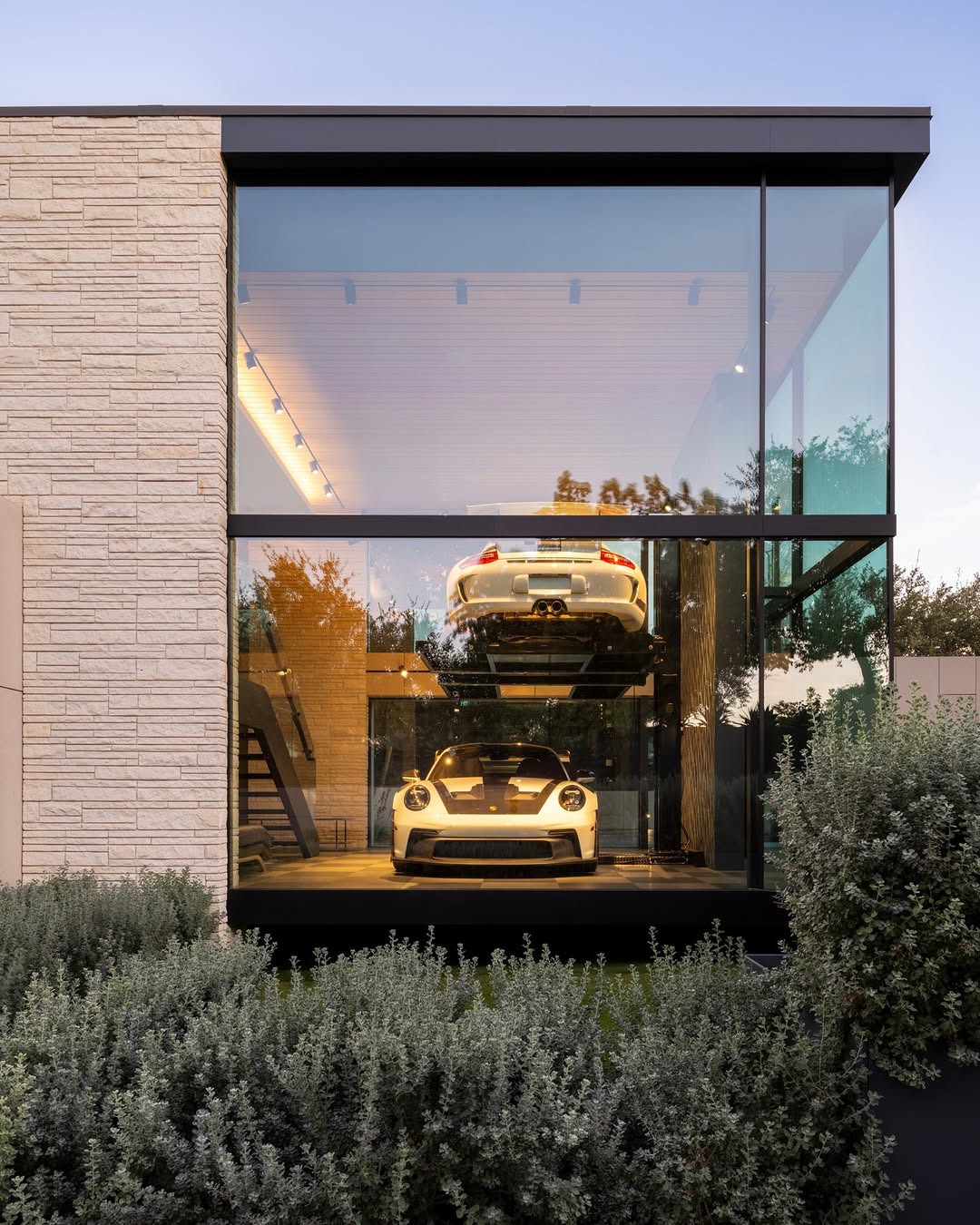
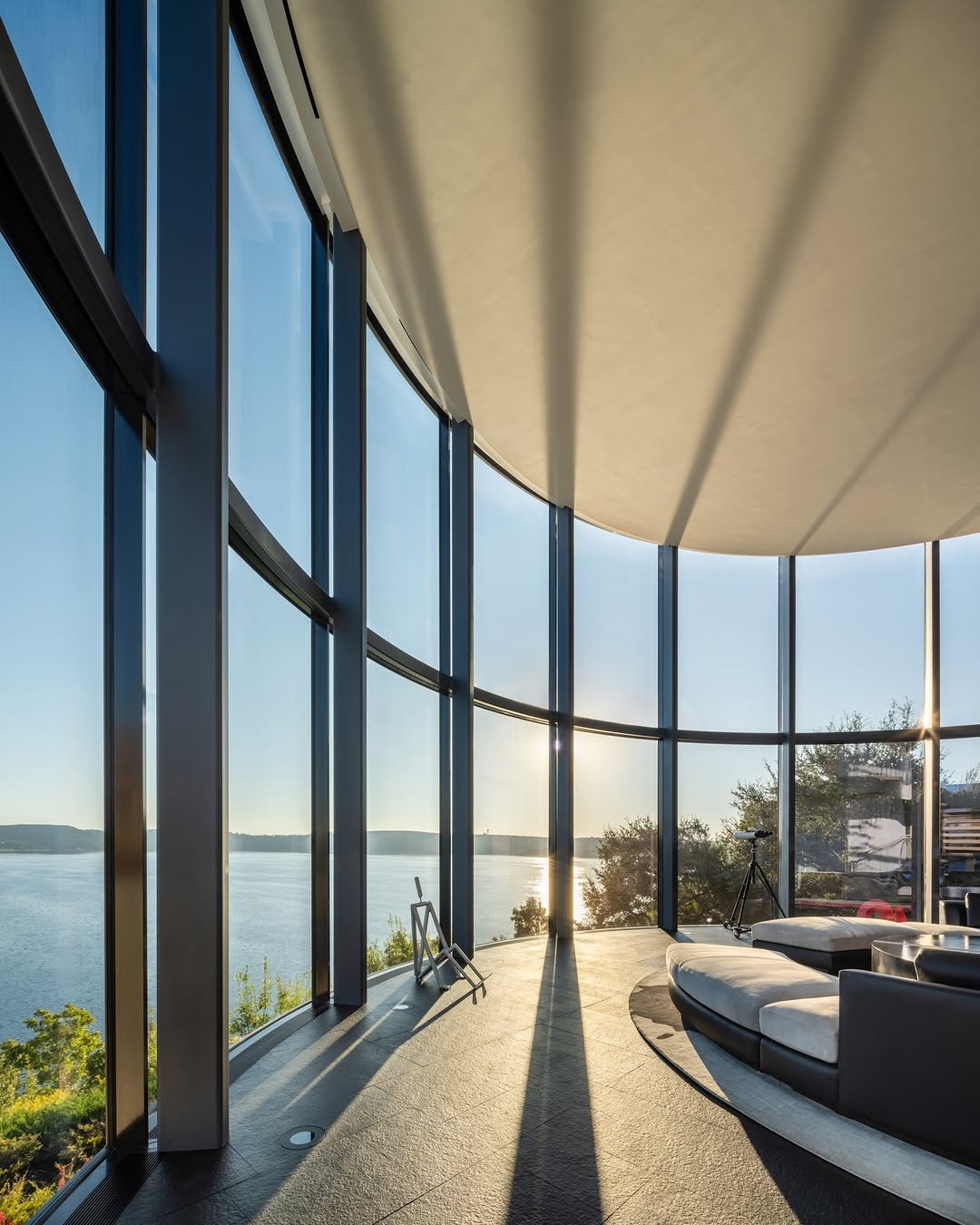
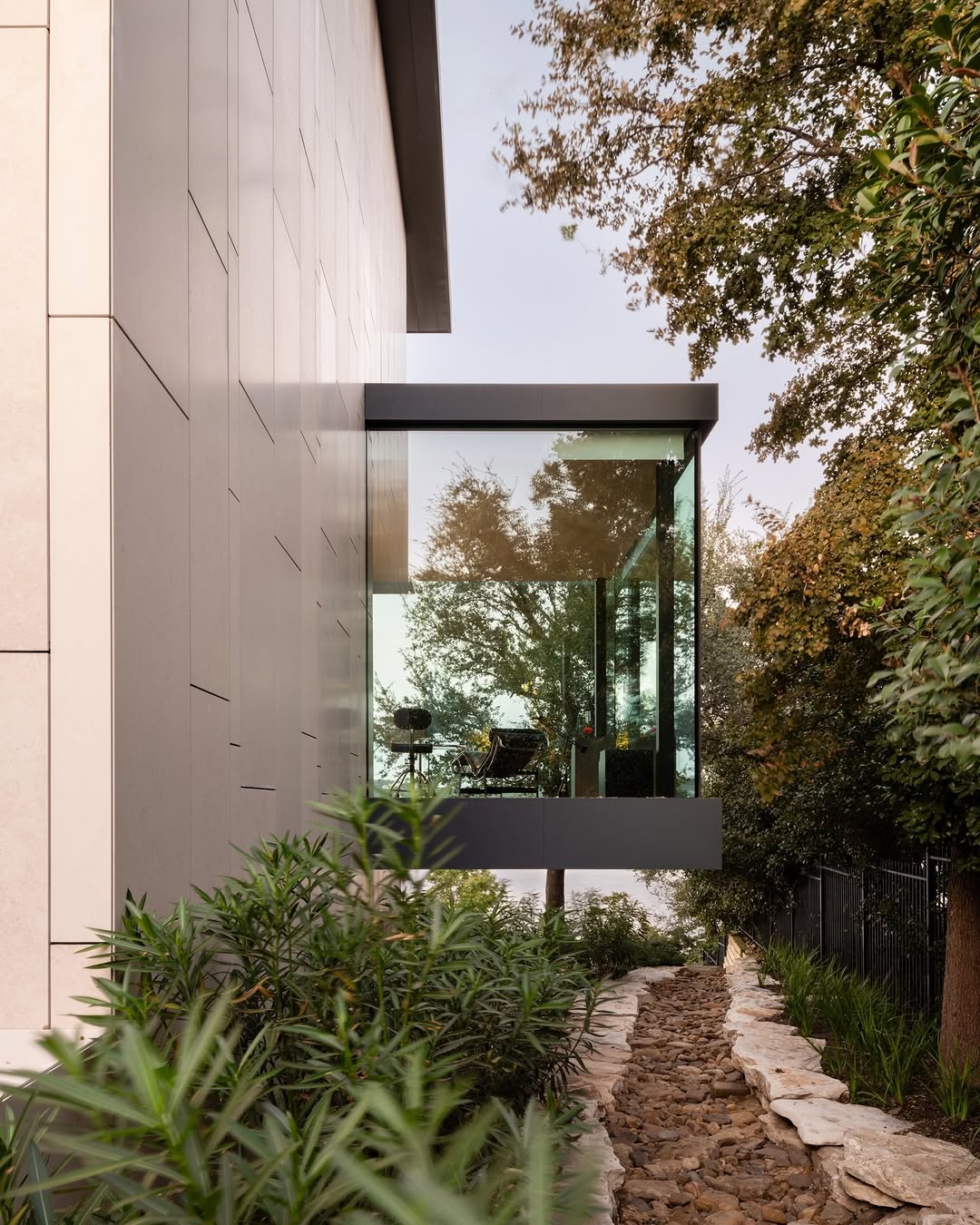
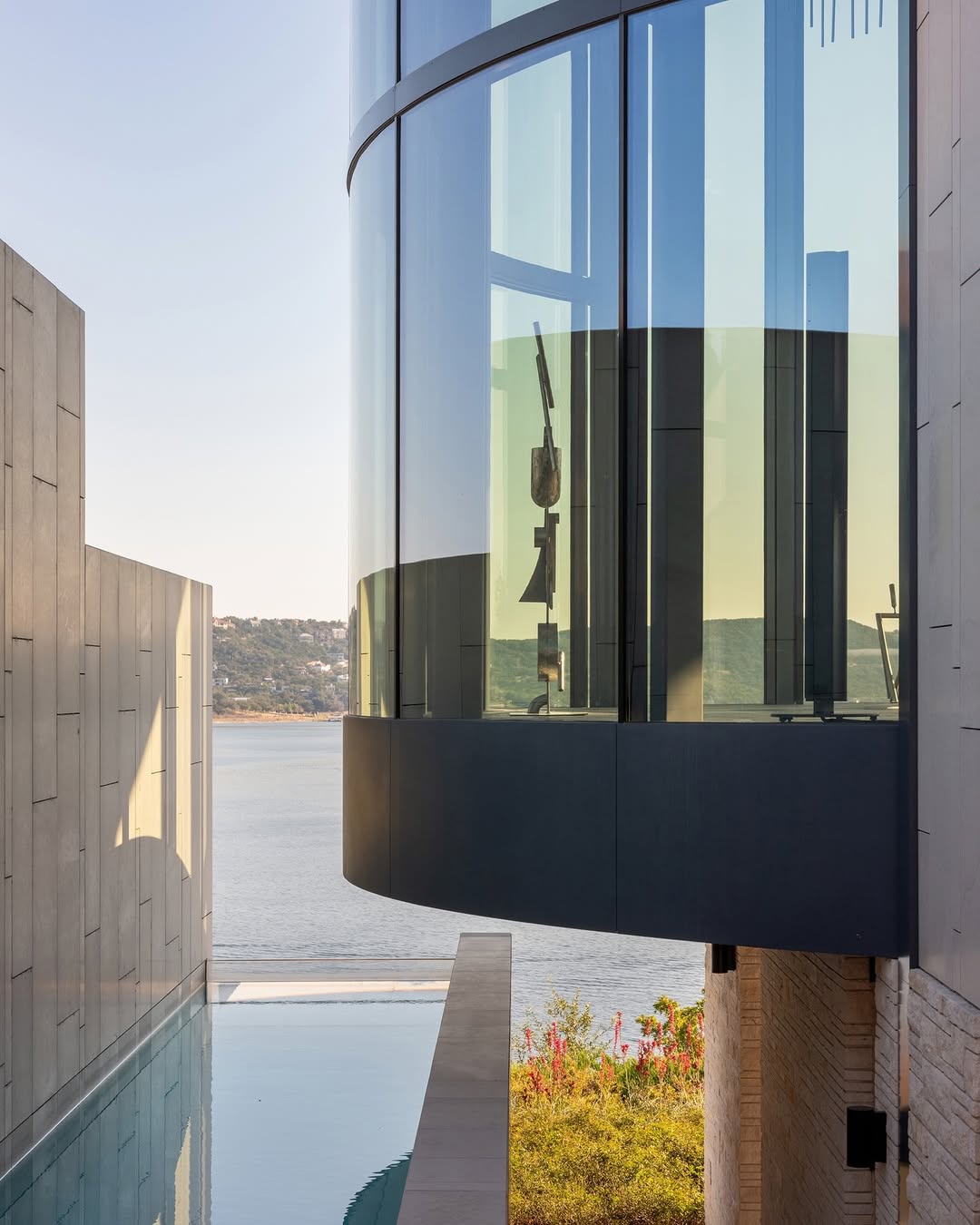
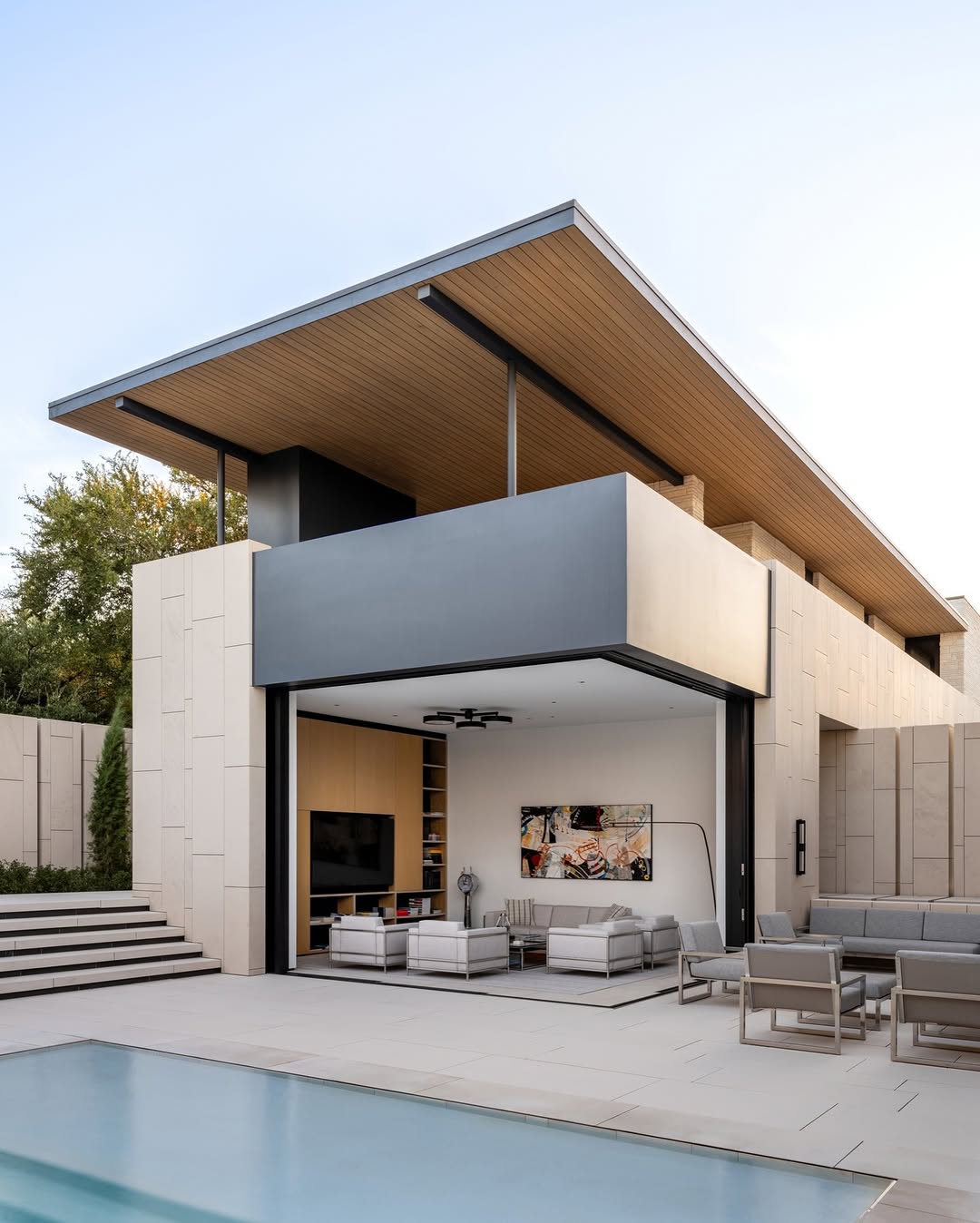
MF Architecture's Octant House, featured by Type7 and photographed by Leonid Furmansky, treats a cavernous double-height two-car garage as the building's dominant spatial volume. The house, named for the geometric unit of one-eighth of a sphere, counterweights the garage mass with a panoramic window overlooking water. Founded by Matt Fajkus in Austin, Texas, MF Architecture has built a practice around residential work that foregrounds program honestly, making Octant House's garage-first design a direct argument against the trend of concealing vehicle spaces in high-end homes.
Key Points
- Octant House's double-height two-car garage is the largest volume in the structure, treated as the organizing architectural event rather than a serviced hidden space.
- The name Octant refers to one-eighth of a sphere, the geometric unit informing the house's massing, with the panoramic window counterweighting the garage mass.
- MF Architecture, founded by Matt Fajkus in Austin, built a practice around residential work that foregrounds program honestly rather than masking mechanical requirements.
The garage has almost never been the architecture. The Octant House makes it the central argument.
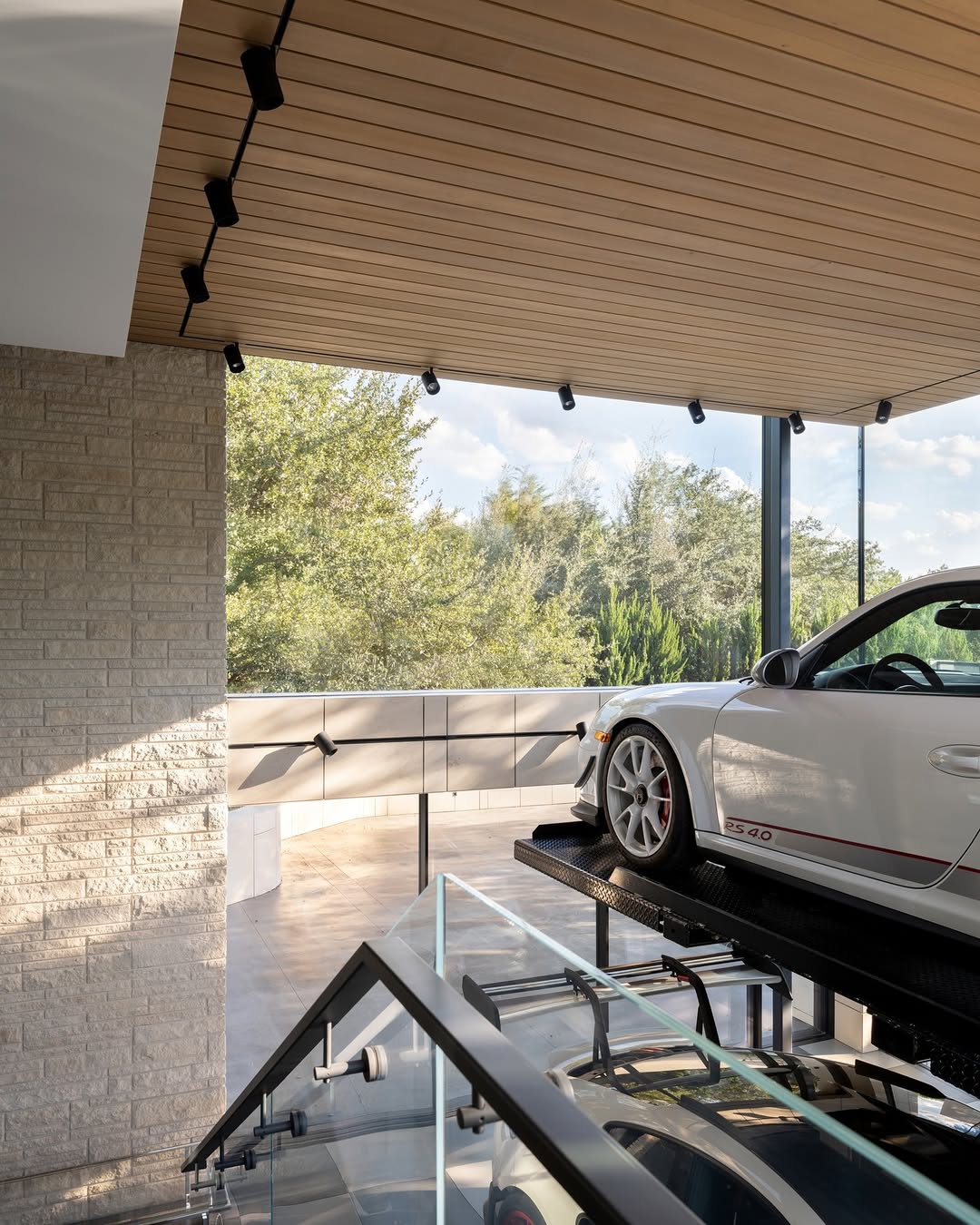
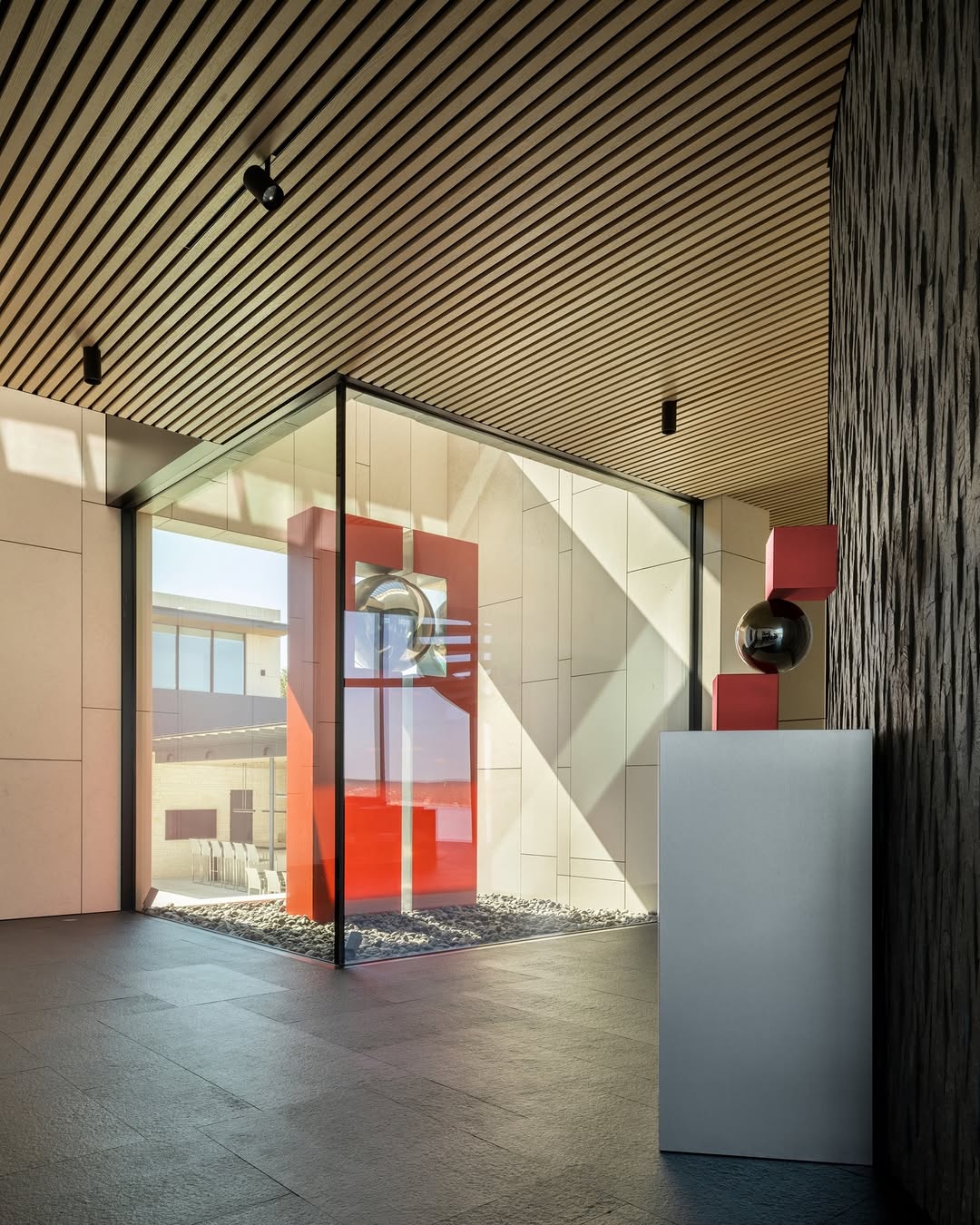
Matt Fajkus Architecture's Octant House, photographed by Leonid Furmansky and written by Nat Twiss for Type7, positions a two-vehicle garage as the controlling spatial event of the structure. The cavernous volume allocated to cars is not an afterthought packed beneath a cantilevered bedroom or hidden at grade behind a retaining wall. It is the first thing you see, the largest volume in the composition, and the element from which everything else radiates. The architectural decision is both functionally honest and formally provocative: homes in this price bracket typically mask their mechanical requirements behind materials or massing. Octant House does the opposite. It exposes them as the program's premise.
The Garage as Nave
In cathedral architecture, the nave is the central longitudinal space, the volume that organizes everything else. At the Octant House, the double-height garage performs this function. Two cars occupy a space that reads, in section, as taller than most living rooms on the market. The ceiling height — substantial enough to accommodate a car lift without visual awkwardness — is not arbitrary engineering clearance. It is a compositional decision about what kind of space a car deserves. Matt Fajkus, who founded MF Architecture in Austin, Texas, and has built a practice around residential work that takes program seriously without being literal about it, is making an argument about American car culture that most residential architects are too cautious to make directly.
Sculptural Geometry Controls the Rest
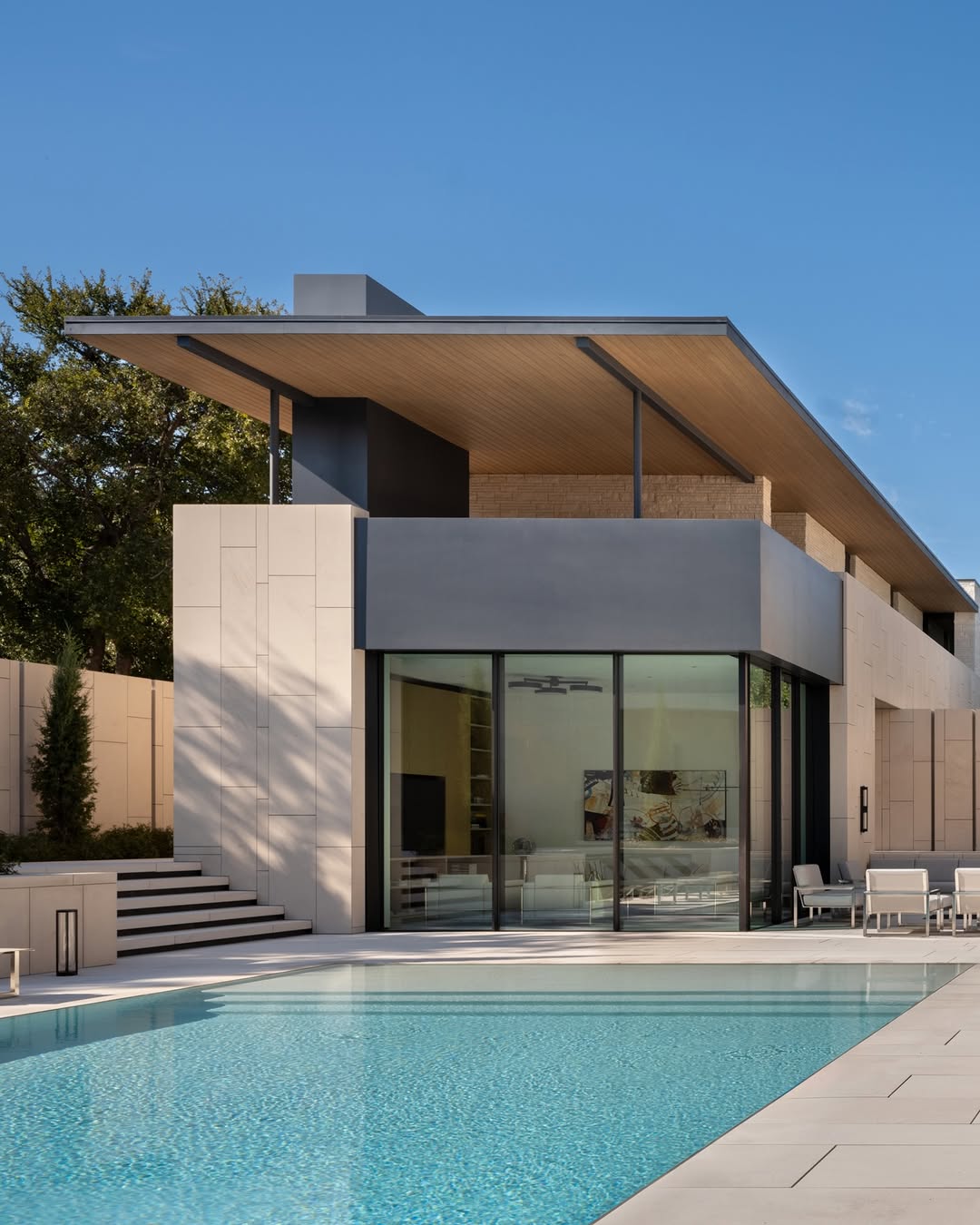
The name Octant refers to one-eighth of a sphere, the geometric unit that informed the house's massing study. The exterior reads as a series of folded planes that converge at the garage portal, with the panoramic window to the water positioned as a counterweight: the largest closed mass faces the street, the largest transparent plane faces the site's most valuable feature. It is a straightforward moves hierarchy — service faces public, view faces private — executed with enough formal precision that the decision reads as inevitable rather than calculated. Furmansky's photography catches this in natural light: the garage as dark cave, the panoramic window as bright aperture, the same house containing both.
Type7 and the Architecture Beat
Type7 has built a distinct editorial identity around residential architecture, automotive design, and the overlap between them. The Disco Volante superyacht collection, published earlier in 2026 and referencing the 1952 Alfa Romeo 6C 3000 CM racing prototype, established the publication's comfort with work that takes transportation objects seriously as design precedent. The Octant House continues that line. The editorial framing — admiring the view, as the caption puts it — treats the garage not as a concession to American suburban necessity but as a legitimate design achievement worth spending photographed time on.
What Happens When Program Is Honest
The Octant House will matter past this news cycle for a simple reason: it solves a problem most residential architects handle by avoidance. American homes built above $1.5 million in the past 15 years have largely buried their garages, disguised their mechanical systems, and presented living space as if the car does not exist until you are inside it. That approach produces handsome exteriors and forgettable architecture. Octant House produces a building where the garage's cavernous volume makes every other space feel precisely sized by comparison. The house teaches you how to read it. That is a harder thing to achieve than it looks.
Related Reading
- EDITION OFFICE BUILT ABOVE THE GROUND IN MELBOURNE
- GONZALO BARDACH BUILT HOUSE JR INTO THE EARTH
- HANNES PEER AND MARGRAF BUILT A MARBLE SANCTUARY IN BRERA
Frequently Asked Questions
What is the Octant House by MF Architecture?
Octant House is a residential project by Matt Fajkus Architecture in which a double-height two-car garage serves as the central organizational volume, photographed by Leonid Furmansky and featured by Type7.
Where is Matt Fajkus Architecture based?
Matt Fajkus Architecture (MF Architecture) is based in Austin, Texas, and focuses on residential and mixed-use projects with an emphasis on honest programmatic expression.
Why is the Octant House significant in residential design?
Octant House positions the garage as the architectural focal point rather than hiding it, a reversal of the trend in high-end residential design toward concealing mechanical and vehicle storage spaces.
Topics: residential-design, design-2026, mf-architecture, matt-fajkus, architecture, garage-design, type7, focus-78-73, austin-architecture