NIKE AIR MAX 90 LASER 90 PUTS ESPOSITO ON THE BOX
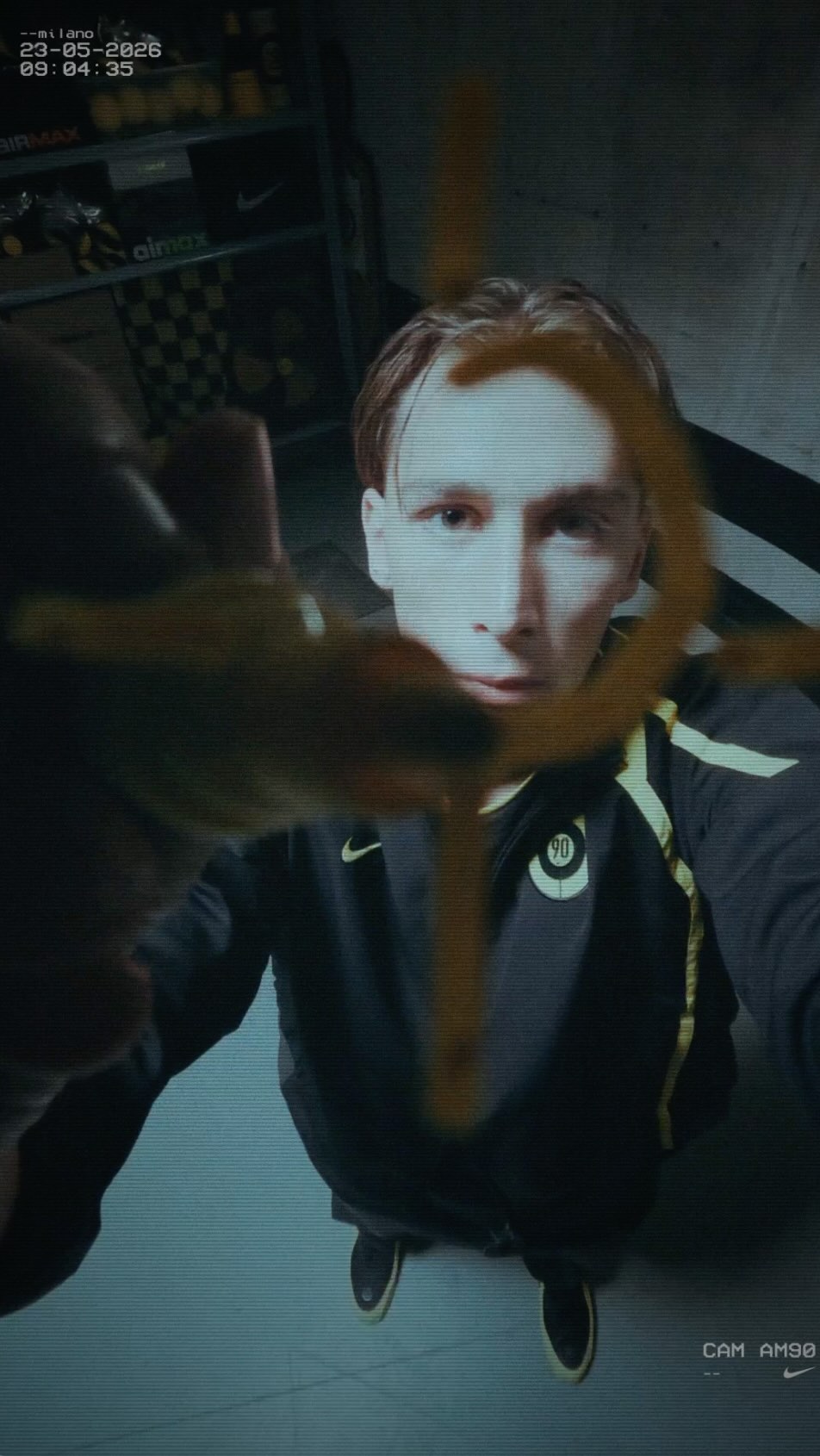
Nike rebuilt its 2007 Total 90 Laser boot graphic onto an Air Max 90, releasing it as the Laser 90 with 20-year-old Inter Milan and Italy striker Pio Esposito fronting the campaign. The piece reads the move as a double bet: the shoe borrows credibility from the heritage boot era of Gattuso, Figo and Rooney, while Esposito (19 goals on loan at Spezia in 2024/25, 7 goals and 3 assists for Inter in 2025/26, contracted to 2030) borrows relevance from the shoe. The verdict: buy it for the graphic and the silhouette, not the legend Nike is building around an unproven striker.
Key Points
- Nike turned its 2007 Total 90 Laser boot graphic into an Air Max 90, the Laser 90
- Pio Esposito, 20, fronts the campaign: 19 goals at Spezia in 2024/25, 7 goals and 3 assists for Inter in 2025/26, contract to 2030
- ShotShield and the strike zone were as much story as engineering, and the story was the product
- Nike is betting nostalgia plus an unproven striker, each propping up the other
The boot came out in 2007. The kid fronting its comeback was born around the same time anyone stopped caring about it. That is the whole tension of the Air Max 90 Laser 90, and Nike knows exactly what it is doing.
Here is the move, plain. Nike took the Total 90 Laser, a striker's boot from the mid 2000s, and rebuilt its loud swooping graphics onto an Air Max 90 silhouette. Then it put Pio Esposito on the box. A 20-year-old. A bet, not a legend. That gap between the heritage and the face is the entire story.
2007. The Total 90 Laser.
You have to remember what the Total 90 Laser actually was to understand why Nike is mining it now. This was the boot of the strike era, when Nike built footwear around one job: hit the ball harder and straighter. Gattuso wore it. Figo wore it. Rooney wore it and looked like he wanted to kick the ball through the netting and into the third row.
The selling point was a textured strike zone across the instep, marketed as ShotShield, the rubberized ridges that supposedly gripped the ball at contact. Was it real engineering or a good story told well? Both. That is usually the answer with Nike. The point is that the Laser graphic, those sweeping lines tracing the foot, became one of the most recognizable boot designs of the decade.
Now those same lines wrap an Air Max 90. The translation works because the 90 was always a loud shoe. The visible Air unit, the layered panels, the willingness to be seen. You can read the rest of Nike's football-to-lifestyle pipeline in the Mad 90 pack that dropped in May, which ran the same playbook with three football colorways. This is not a one-off. It is a strategy.
Pio Esposito Is the Bet, Not the Boot
Here is where it gets interesting, because Nike did not put a retired icon on this. It put Francesco Pio Esposito, 20 years old, Inter Milan and Italy.
The numbers say why. Esposito spent 2024/25 on loan at Spezia and scored 19 goals in Serie B, which is the kind of season that ends loans early. Back at Inter for 2025/26, he has 7 goals and 3 assists and a contract running to 2030. He is not a finished product. He is a position Nike is taking, the same way you take a position on a player before the market prices him correctly.
That is the leverage read. A legend endorsement is safe and expensive and tells you nothing. A 20-year-old striker on the box of a heritage shoe is Nike betting that by the time this kid is the face of Italian football, everyone will remember he was here first. The shoe borrows credibility from 2007. The kid borrows relevance from the shoe. Both sides are leaning on each other, and Nike is holding the whole structure up.
ShotShield Was Marketing. The Strike Zone Was Real.
Let me be honest about the heritage, because the romance gets thick fast. The Total 90 line was not magic. ShotShield was a feature you could feel and a story you could sell, and the second part mattered more than the first.
But the strike zone idea was real in the way that matters: it gave players and kids a reason to believe the boot did something. That belief is the actual product. Nike has always understood that you are not buying performance, you are buying the feeling of performance, and the Laser graphic was the visual shorthand for it.
Drop that graphic on an Air Max 90 in 2026 and you are selling the same feeling to people who never laced the boot. Nostalgia they did not earn, which is the most durable kind. Compare it to how Nike is leaning on cold-therapy science with the CryoShot football heritage push, and you see two versions of the same instinct: wrap a sneaker in the language of the pitch.
Skip the Hype. Buy the Heritage.
If you want this shoe, want it for the lines, not the legend Nike is trying to build around Esposito. The kid might pay off. He might not. That is what a bet is.
But the Laser 90 itself is honest about what it is: a loud shoe that remembers a louder era, sitting on the most reliable silhouette Nike makes. The heritage is real. The strike zone is folklore now, and folklore ages better than tech specs.
Watch Esposito. Buy the shoe if the graphic moves you. Just know which part is the product and which part is the wager.
Frequently Asked Questions
What is the Nike Air Max 90 Laser 90?
It is an Air Max 90 that borrows the sweeping graphic of Nike's 2007 Total 90 Laser football boot, translating a striker's boot design onto a lifestyle sneaker silhouette.
Who is Pio Esposito?
Francesco Pio Esposito is a 20-year-old striker for Inter Milan and Italy. He scored 19 goals on loan at Spezia in 2024/25 and has 7 goals and 3 assists for Inter in 2025/26, with a contract to 2030.
What was ShotShield?
ShotShield was the textured rubberized strike zone across the instep of the Total 90 Laser boot, marketed as helping players grip and strike the ball. It was as much a story as an engineering feature, but the belief was the product.
Topics: sneakers, heritage, Pio Esposito, Total 90 Laser, Inter Milan, Air Max 90, football, nike, Nike