EDITION OFFICE BUILT ABOVE THE GROUND IN MELBOURNE
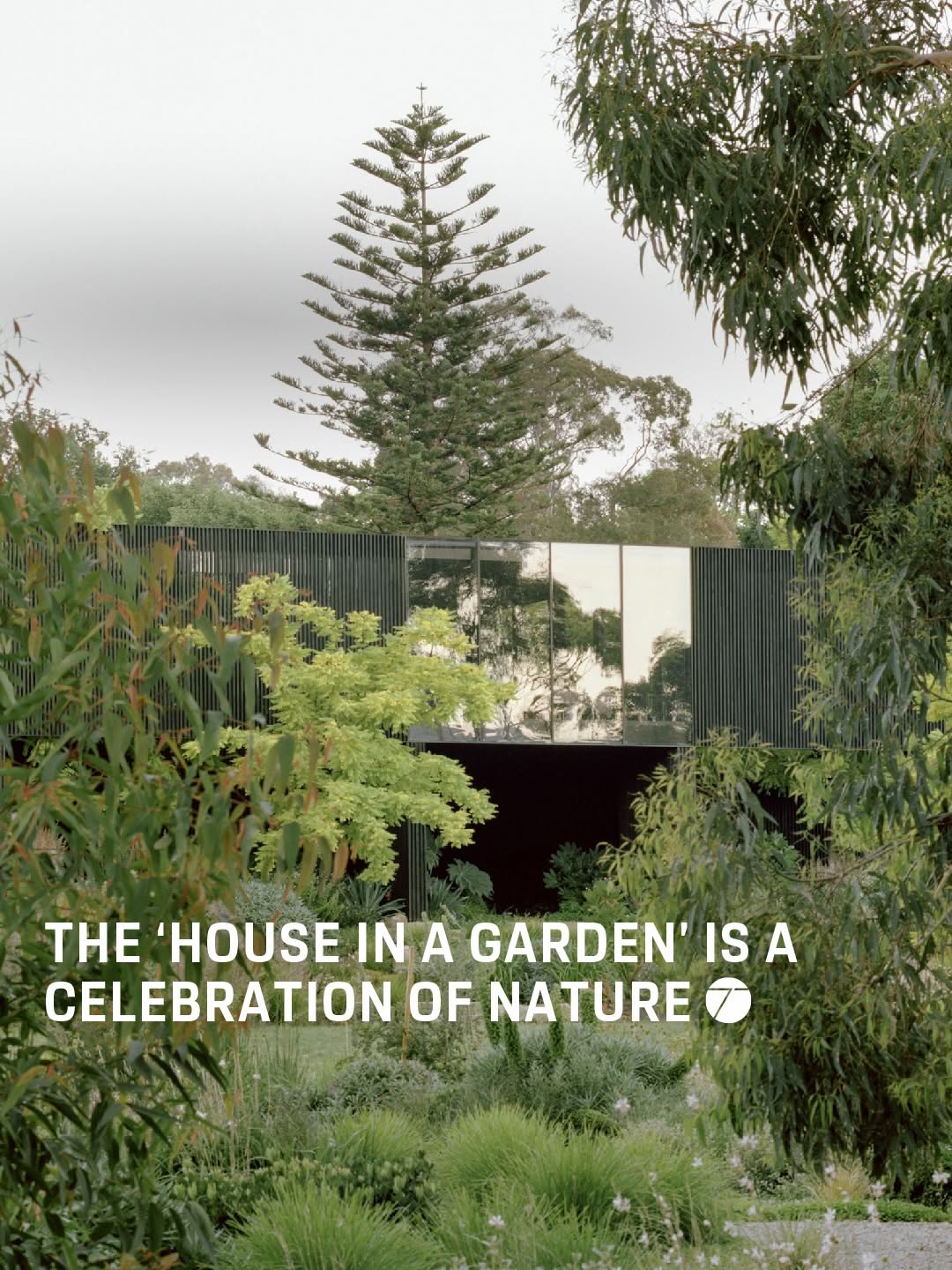
Edition Office completed 'House in a Garden' in Melbourne in early 2026, a two-wing residential project elevated on concrete feet above the Birrarung floodplain. The design allows mature trees to pass through the architecture via structural voids rather than removing them, while smoothly curved timber interior walls follow the existing tree trunks. The project represents the studio's most explicit statement on the relationship between built form and landscape.
Key Points
- The house sits on structural concrete feet above grade so mature trees pass through the architecture
- Two wings split the programme with an exterior threshold between living and retreat
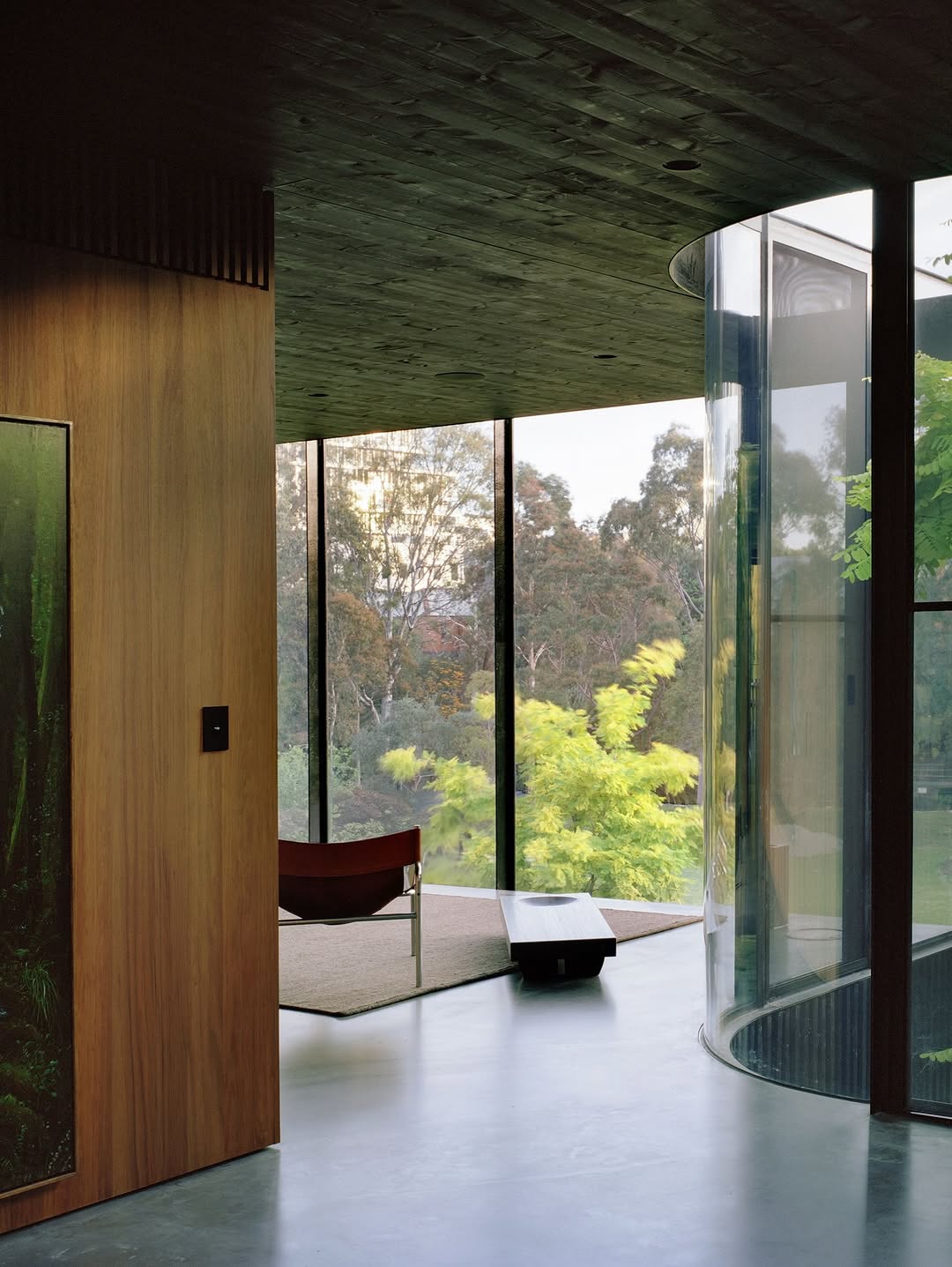
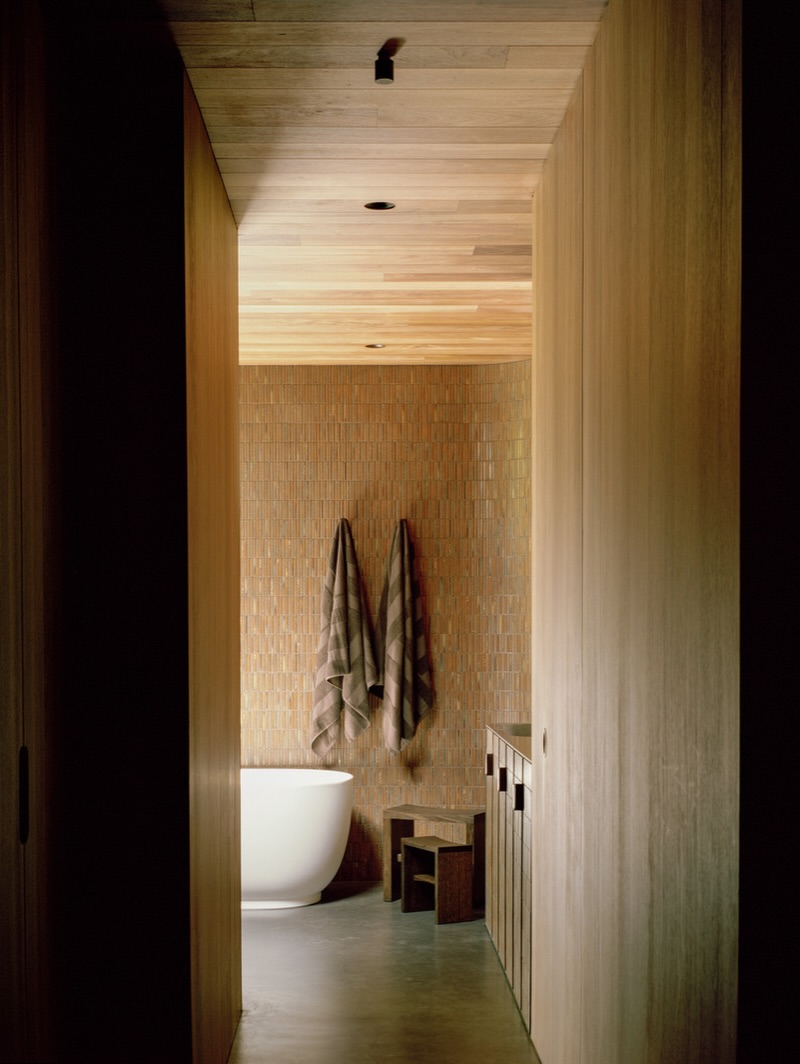
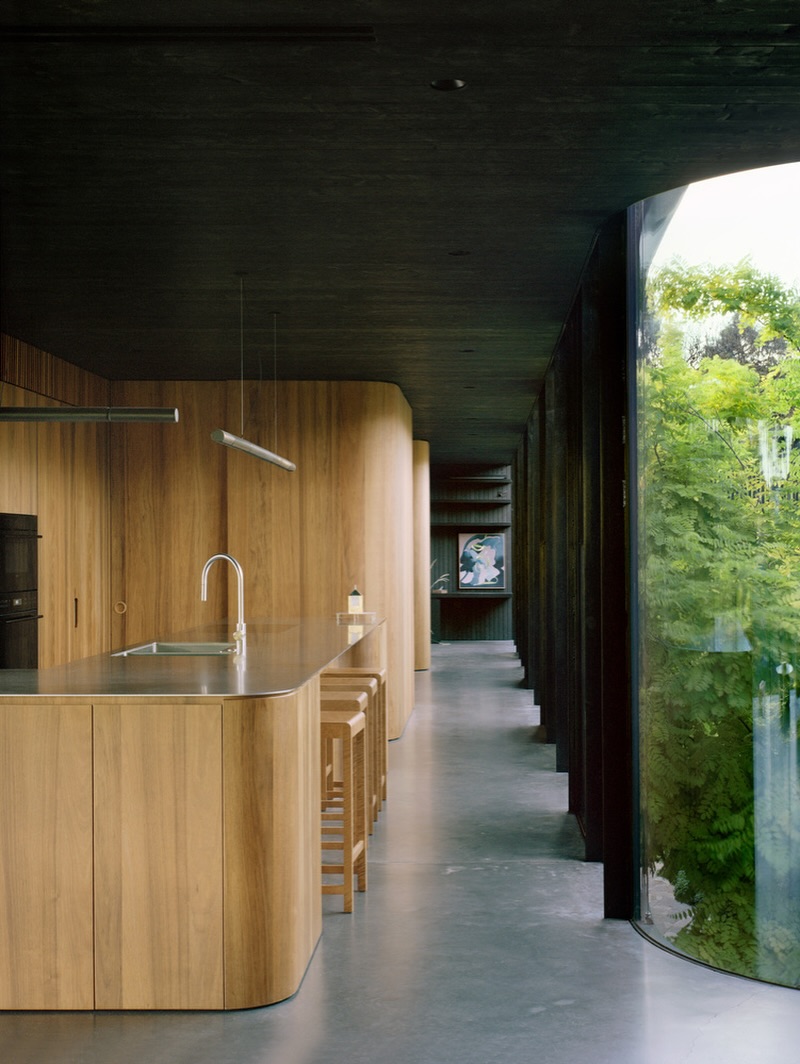
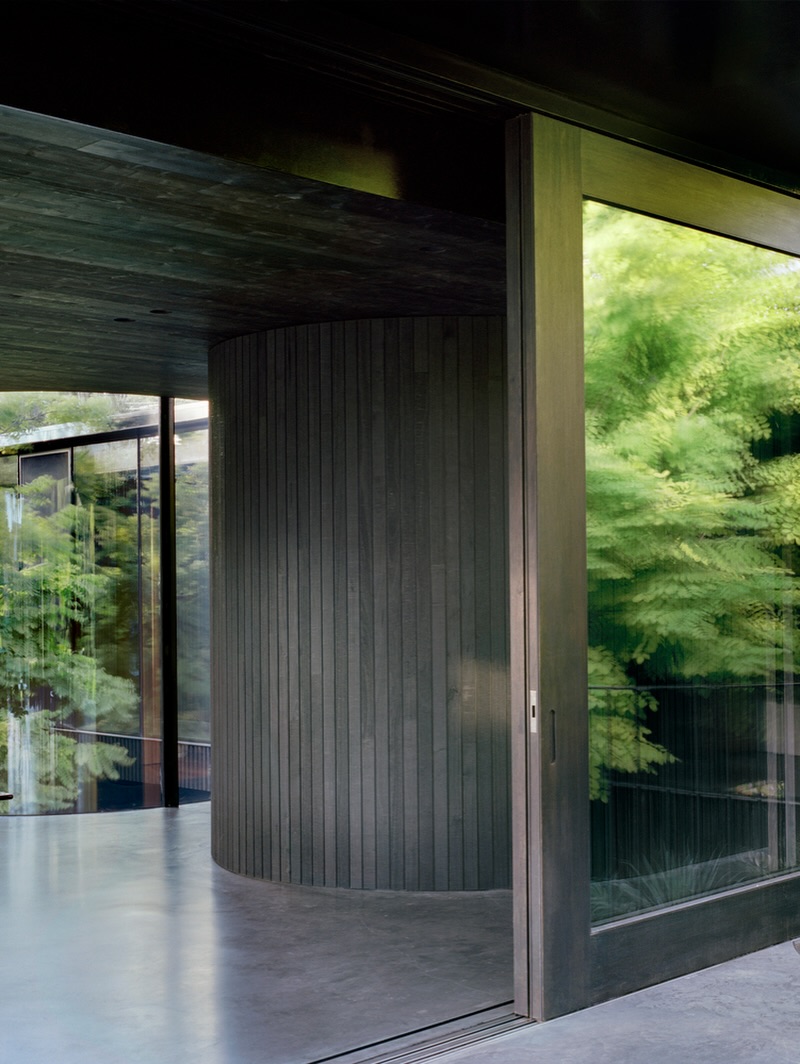
- Interior timber surfaces curve around tree trunks rather than cutting through them
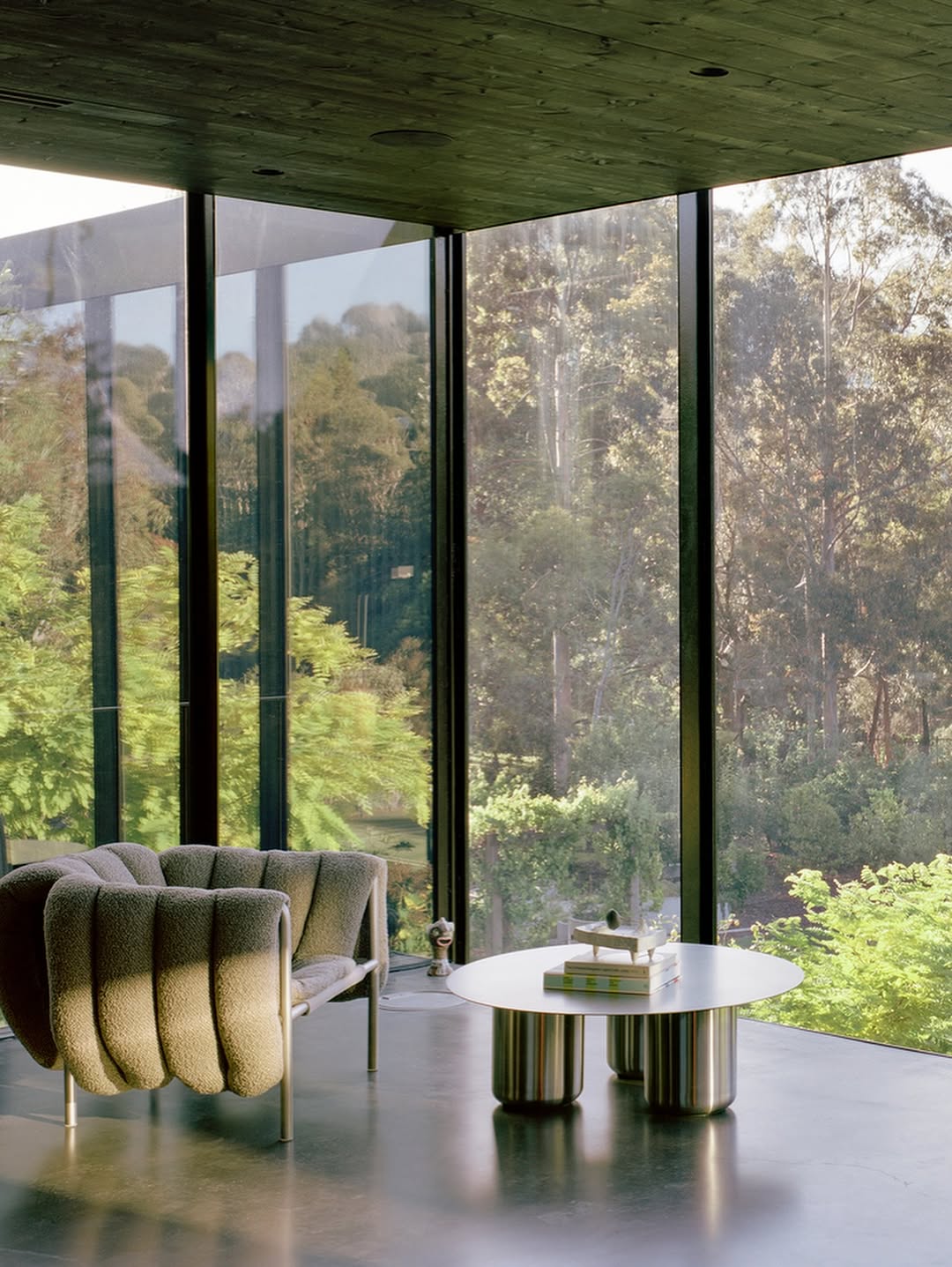
The site was a market garden. Then it became a 1980s Mediterranean Revival house that filled every corner of the lot and blocked what light remained. Now it is a two-wing concrete structure elevated on structural feet above the Birrarung floodplain in Melbourne, and the trees the 1980s house could not accommodate pass directly through the architecture.
Edition Office and the Specific Problem of Melbourne Lots
Kim Bridgland and Aaron Roberts, the directors of Edition Office, have a recurring architectural argument with the standard Australian residential lot: it assumes the house should dominate. Their practice, which completed the Hawthorn House in an earlier phase of this same conversation, uses material constraint to let the landscape reassert itself. The Hawthorn House used board-marked concrete shrouds that created vignette views into the branches of mature trees. "House in a Garden," completed in early 2026, takes the same logic further. The entire structure sits above the site, not on it. The ground plane flows freely beneath.
Concrete Feet, Not Foundation
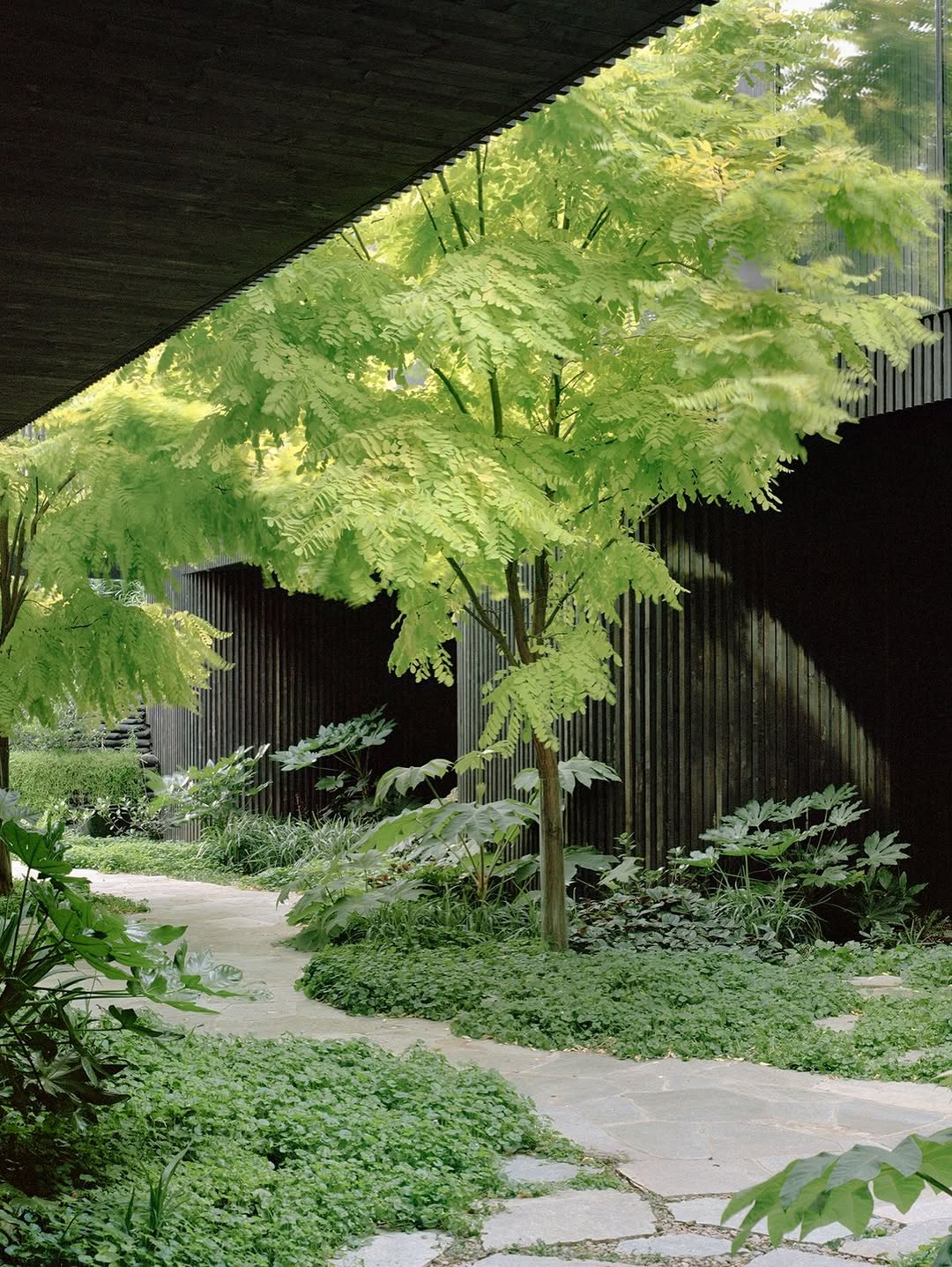
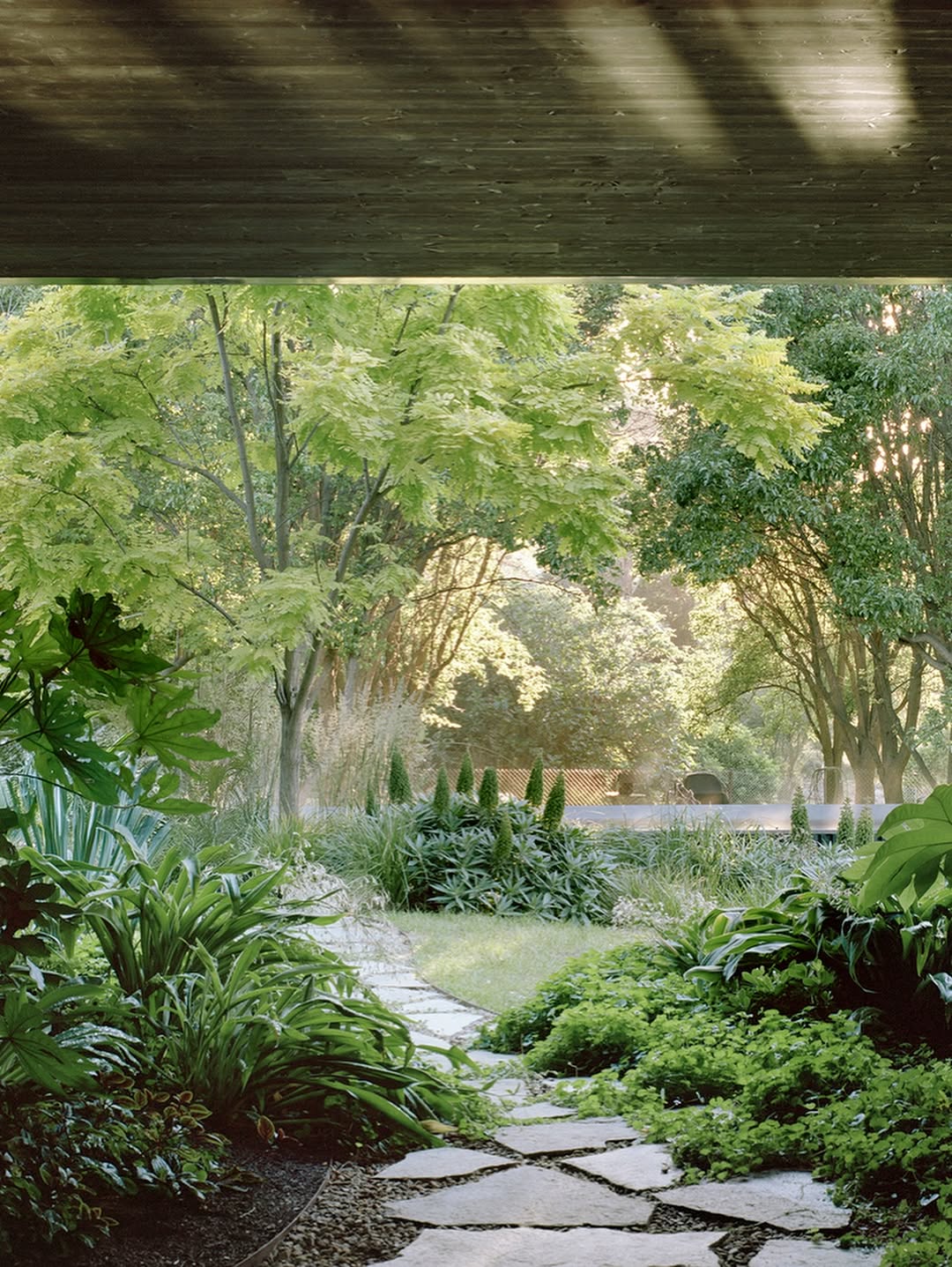
The structural move at the center of this project is also its most legible statement. Most contemporary residential architecture in the $4 to $8 million tier in Melbourne sits on a conventional slab, which paves the site. Bridgland and Roberts chose monumental concrete footing elements instead, placing the inhabited volumes above the existing grades so the earth remains unpaved, permeable, and continuous with the surrounding landscape. The trees on the site, which include mature specimens that would have required removal under conventional construction, were not touched. They pierced through voids in the plan instead.
Two Wings, One Idea
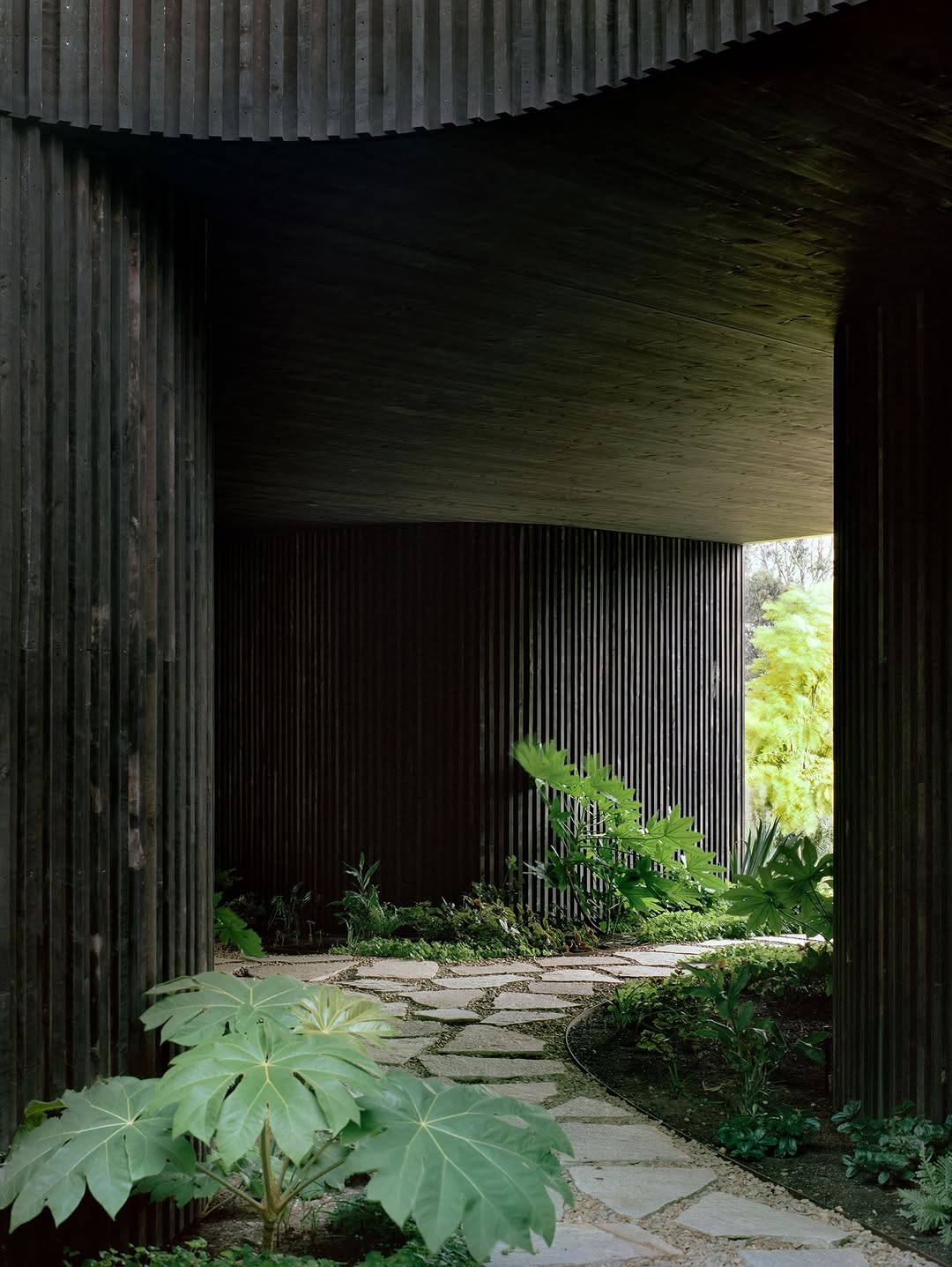
The house splits into two distinct programmes. One wing handles shared living: kitchen, dining, a continuous interior that opens toward the canopy. The second is quieter, reserved for retreat and sleep. The corridor between them is not a hallway. It is an exterior threshold, which means every movement between public and private is a move through the landscape itself. This is not decorative. It changes how you live in the house. It makes the weather part of the daily rhythm.
Timber Surfaces and the Curve Decision
Inside, the wall surfaces are smoothly cornered timber that curves around the existing tree trunks rather than cutting through them. This detail is the most expensive element per linear meter in the project and also the most invisible in photographs. The curve happens because the trees are positioned where rectilinear walls would have been. Edition Office held the timber to the trees rather than rerouting the trees to fit the timber. That is a construction prioritisation decision with significant schedule and cost implications. It is also the decision that makes the house worth looking at.
Where This Sits in the Australian Residential Conversation
Edition Office sits in a Melbourne architectural ecosystem that also includes John Wardle Architects, Freadman-White, and Breathe Architecture. Each firm has a distinct position on the relationship between built form and landscape. Edition Office is the most willing to let the site win. They design architecture that acknowledges its own limitations in the face of a good tree line. "House in a Garden" extends that position into its clearest statement yet.
Max Delv photographed the project. Nat Twiss wrote the story for Type7. The images across ten frames capture what the words can't fully hold: a house that treats the canopy as the ceiling and the ground as a floor it chose not to touch.
Related Reading
- GONZALO BARDACH BUILT HOUSE JR INTO THE EARTH
- TYPE7 SPOTLIGHTS INNOVATIVE MEXICAN ARCHITECTURE PROJECT
- How Norm Architects Designed the Repulse Bay Residence as Vision, Not Plan
Related: OCTANT HOUSE BY MF ARCHITECTURE MAKES THE GARAGE THE CENTRAL SPACE.
Frequently Asked Questions
Who are Edition Office architects?
Edition Office is a Melbourne architecture practice led by directors Kim Bridgland and Aaron Roberts, known for minimalist residential projects that prioritize landscape over built form.
What is the House in a Garden project?
Completed in early 2026, 'House in a Garden' is an Edition Office project in Melbourne elevated on concrete feet above the Birrarung floodplain, allowing mature trees to pass through the two-wing structure.
Where did this project appear?
The project was photographed by Max Delv and written by Nat Twiss for Type7, featuring in a 10-image carousel showcasing the elevation detail and timber interior surfaces.
Topics: type7, residential-design, brutalism, melbourne, edition-office, design, architecture, landscape-architecture