GONZALO BARDACH BUILT HOUSE JR INTO THE EARTH
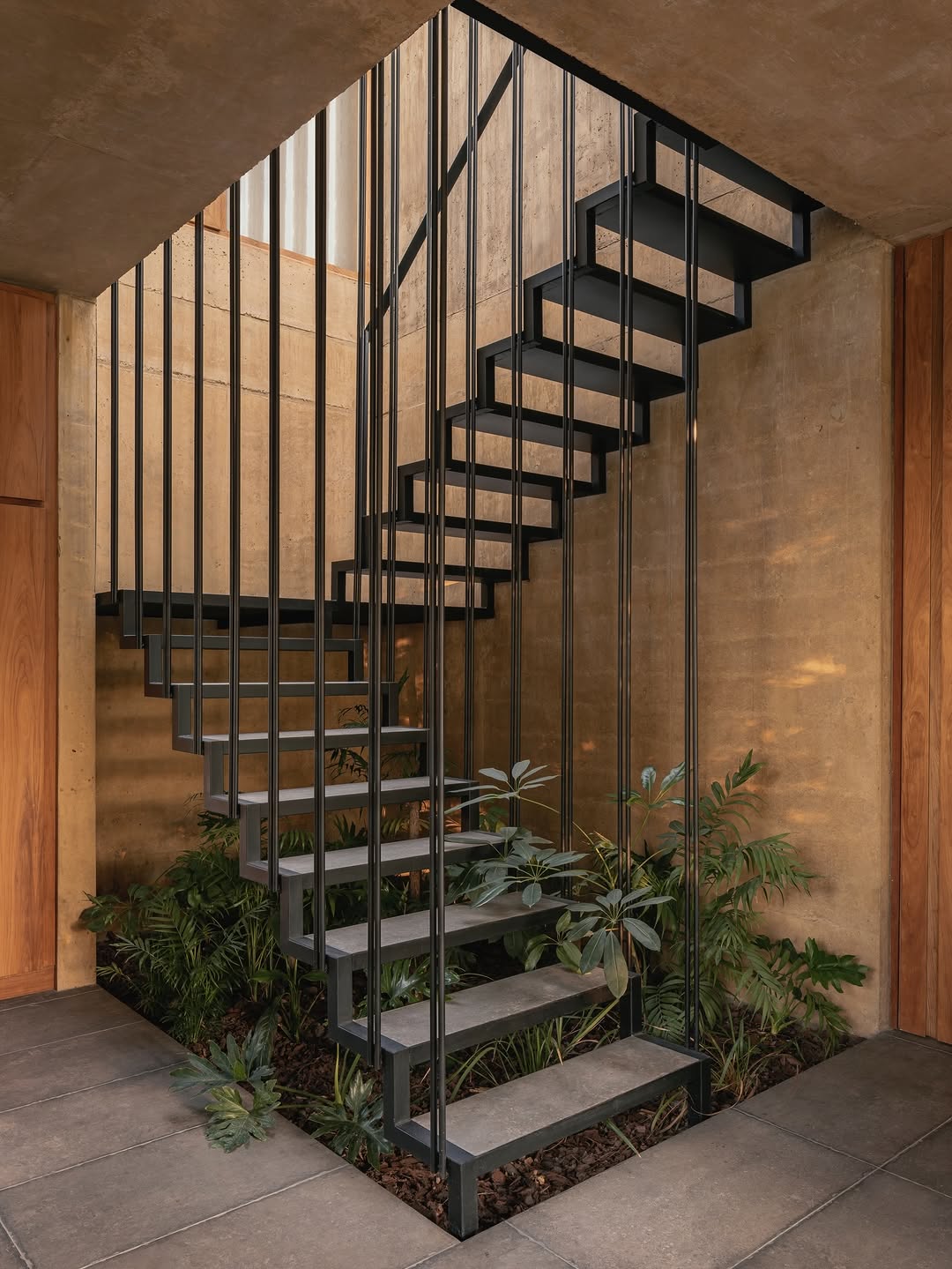
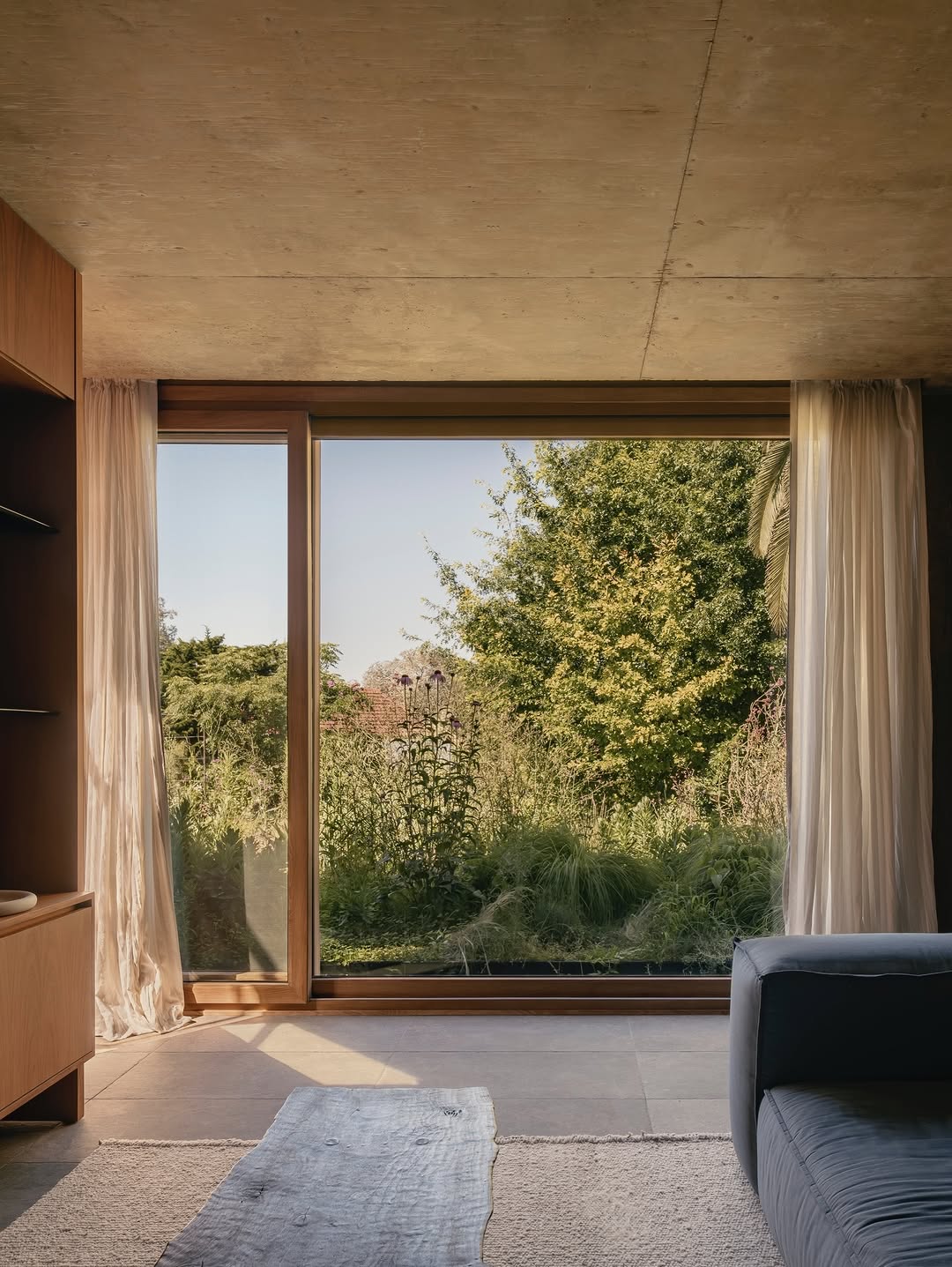
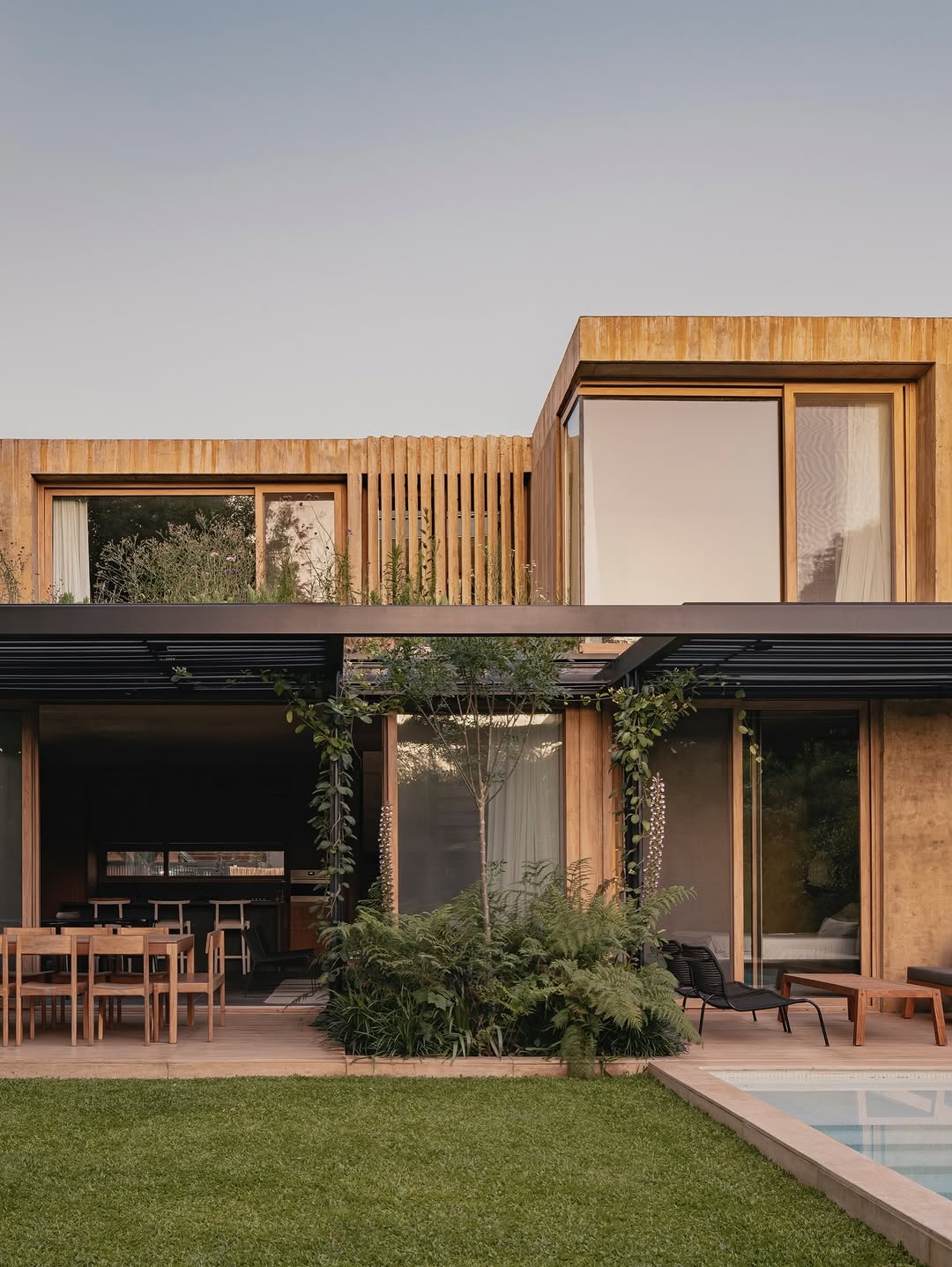
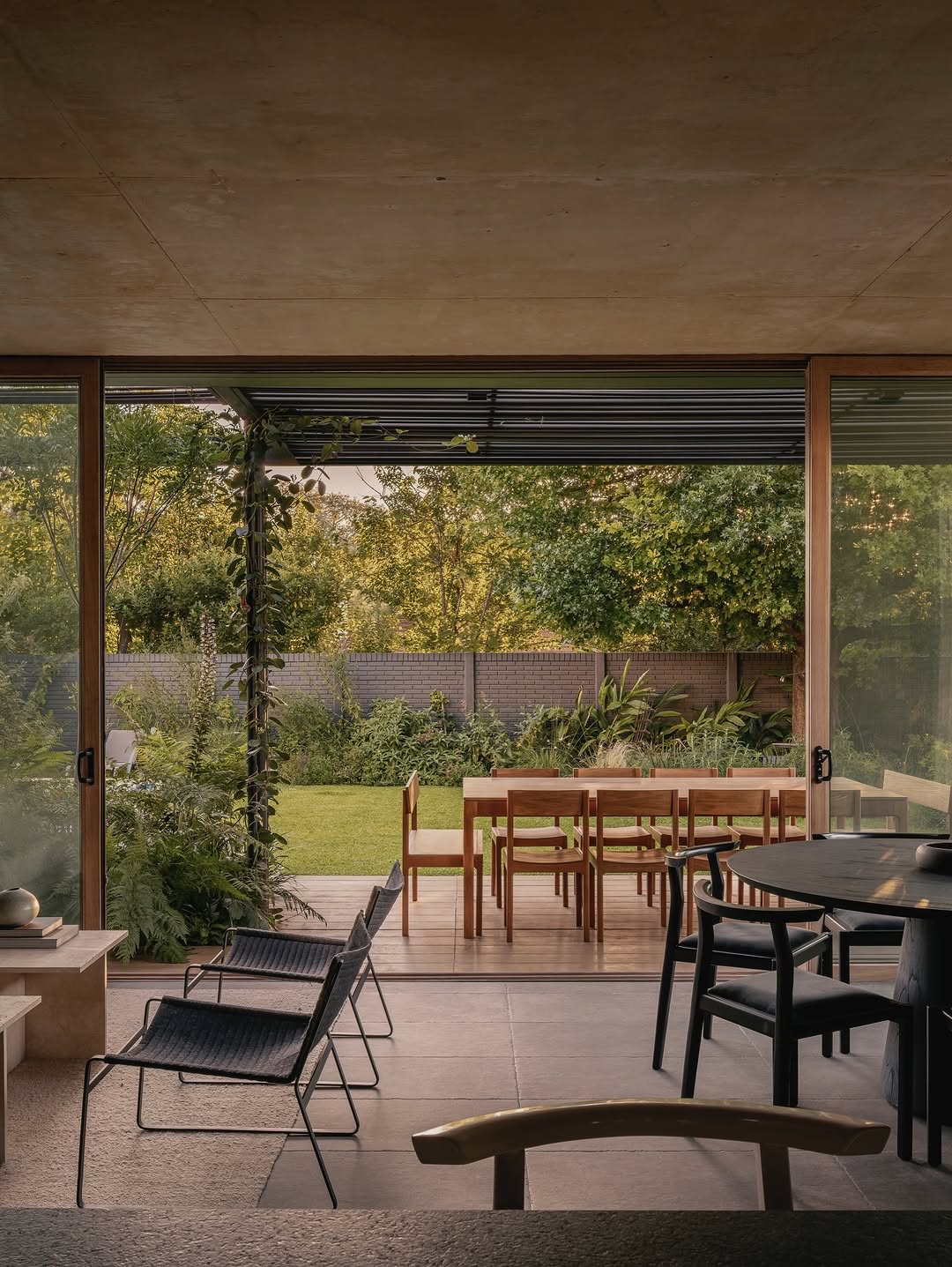
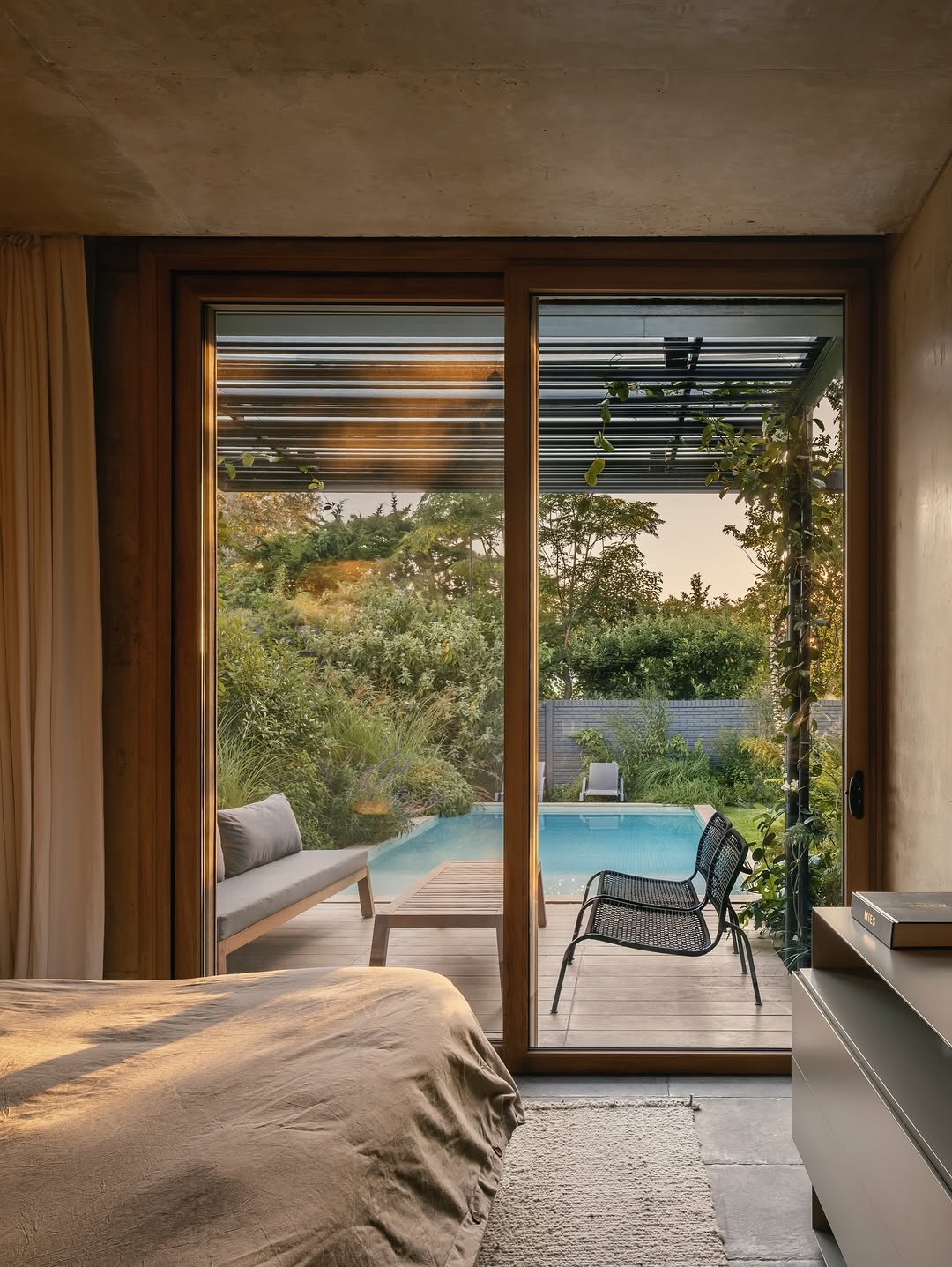
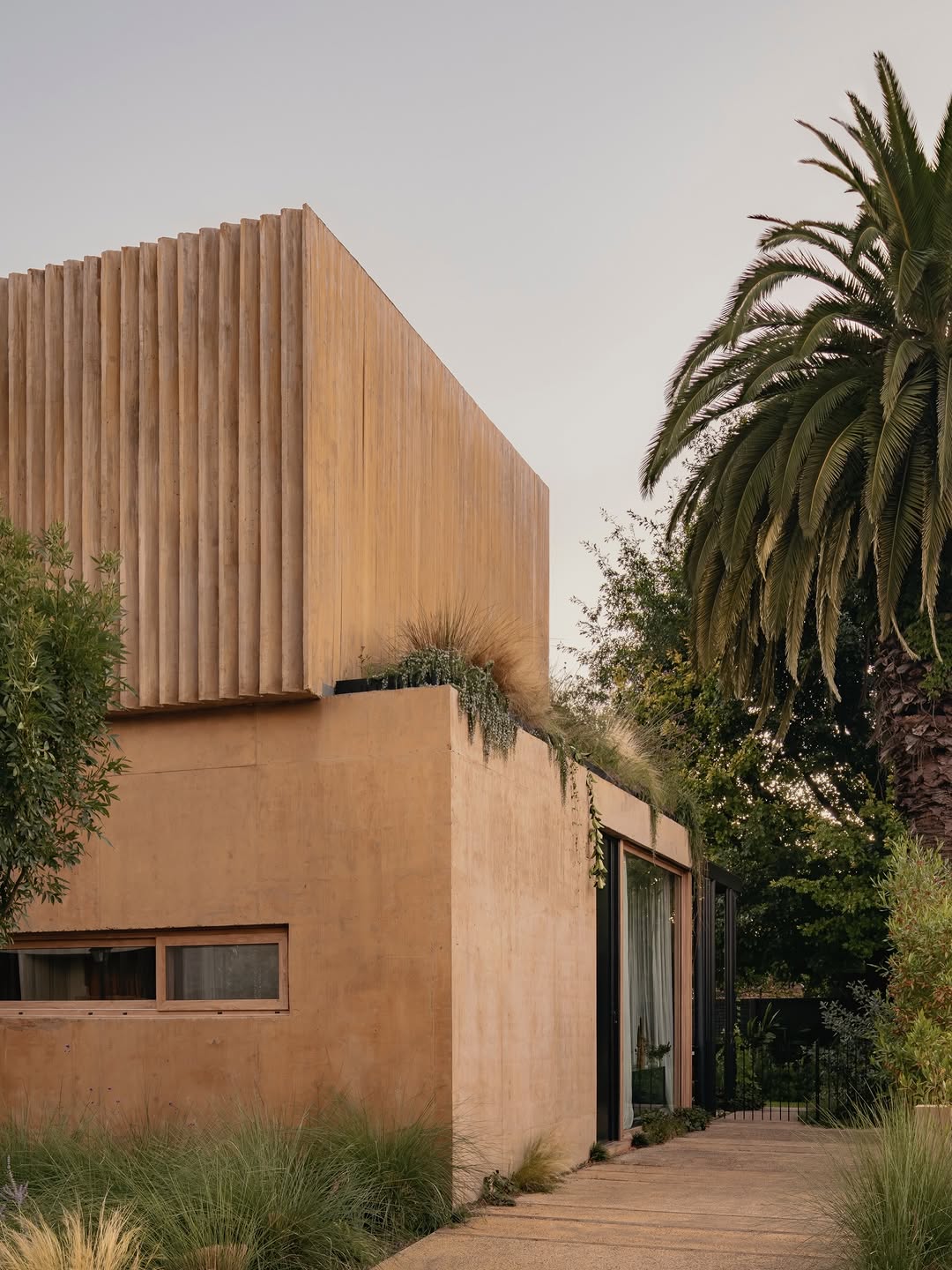
House JR is a low-set private residence outside Buenos Aires designed by architect Gonzalo Bardach. The building sits flush with its pampas landscape, built from materials that blend with the terrain. Bardach's guiding principle — that architecture is defined by what it filters rather than what it shows — governs every aperture and wall orientation in the design.
Key Points
- House JR sits just outside Buenos Aires, built from local earth-toned materials that make it appear carved from the ground
- Architect Gonzalo Bardach: 'Architecture is defined more by what it filters than by what it shows'
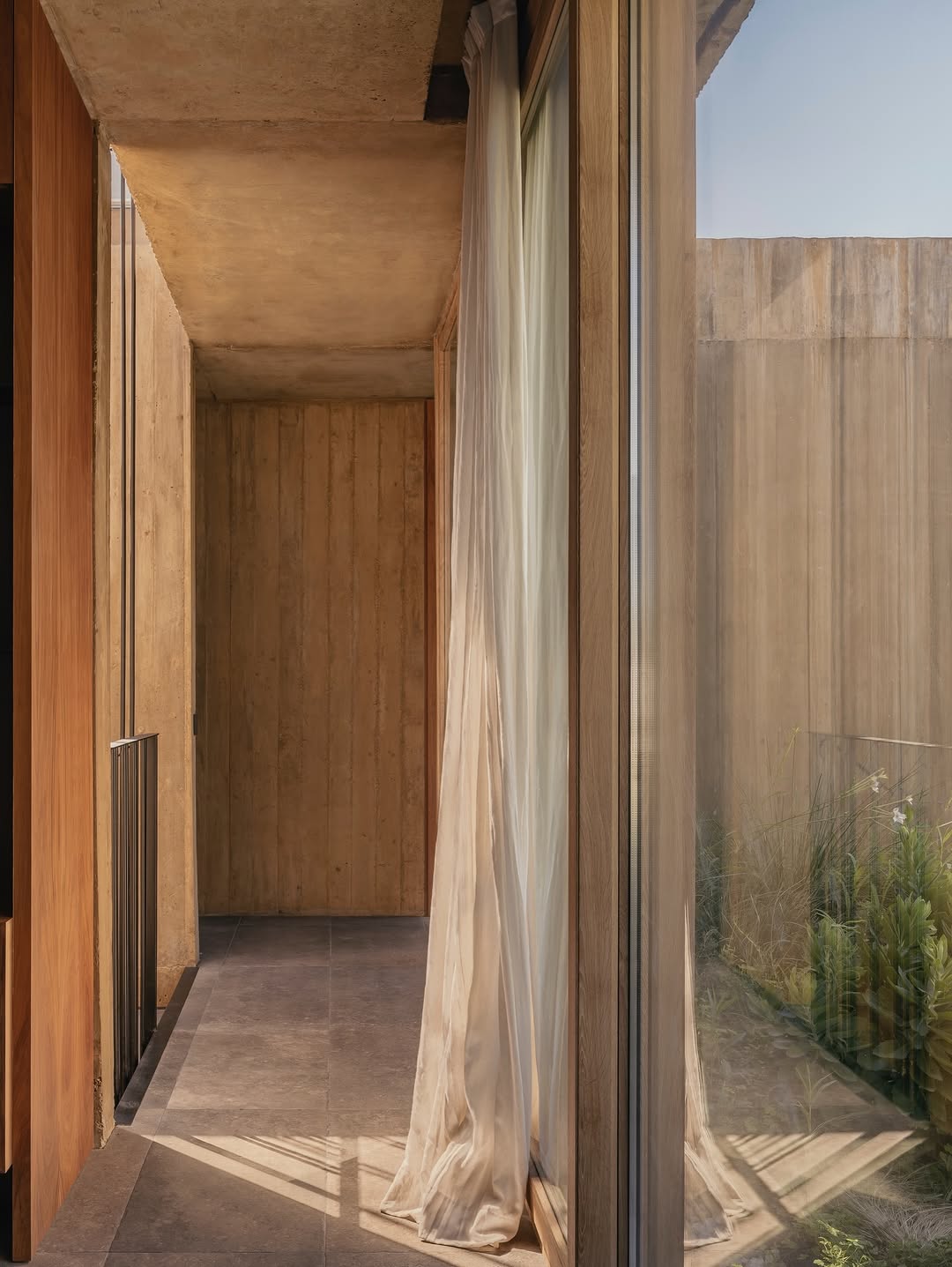
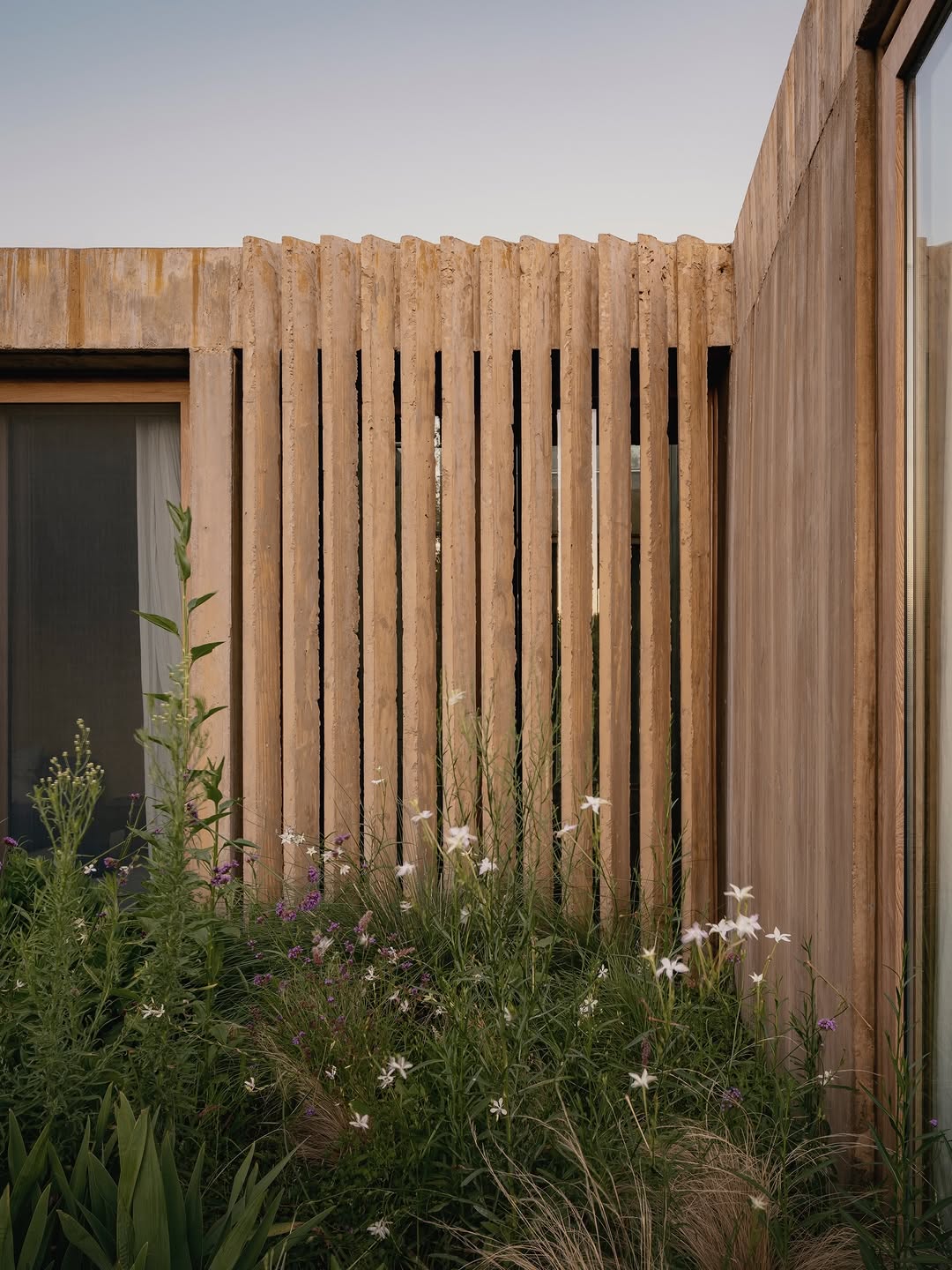
- The home uses strategic apertures and horizontal massing to control light, view, and privacy simultaneously
Gonzalo Bardach defined House JR in nine words. Architecture is defined more by what it filters than by what it shows.
That sentence is a design specification. Every wall orientation, every aperture size, every material choice in the building outside Buenos Aires flows from that single constraint. The house does not announce itself from the approach road. It does not compete with the pampas. It sits into the ground as if the site already had it and the construction only made it visible.
Horizontal Massing Is an Active Decision, Not a Default
Most residential architecture defaults to vertical expression when it needs to communicate significance. Height implies presence. Bardach moved in the opposite direction with House JR, extending the plan horizontally until the building reads as part of the terrain rather than something placed on top of it.
That choice multiplies the design problems. A horizontal building on an open site negotiates with drainage, with approach sequence, with the relationship between ceiling height and exterior scale in a way a two-storey structure never has to. The building that looks simple from a distance is never simple to design. Every centimeter of elevation has to earn its spot relative to ground level.
Bardach has been working in Buenos Aires and surrounding areas long enough to understand that the pampas is not a neutral backdrop. It has specific light behavior across seasons, specific wind patterns, specific visibility distances that determine how a building reads from fifty meters versus five hundred. House JR accounts for all of that. It is a context-specific building. On a different site, it would be a different design entirely.
Earth-Toned Materials Do Not Age Into the Landscape. They Belong to It From Day One.
The material palette of House JR uses tones consistent with the pampas terrain. Visitors to the site describe the experience of approaching as gradual. The building does not snap into view. It accumulates. First a horizontal line, then texture, then scale, then entry. The sequence is designed.
That sequence is only achievable when the materials do not contrast with the ground. Bardach did not import a foreign material vocabulary. He used what the context already contained and built around it. Twenty years from now, House JR will look as if it has always been there. That is the outcome when the design decision and the material decision point in the same direction.
Buenos Aires Residential Has a Different Conversation Going On
The dominant energy in Buenos Aires residential architecture in 2026 trends toward maximalism: rooftop pools that signal arrival, glass towers in Palermo Soho that reflect the city back at itself, penthouses that treat views as the primary design driver. That is legitimate. It solves for a specific client and a specific site type.
Bardach is not working in that conversation. House JR reads closer to rural modernism in Portugal or Australia than anything in the premium Buenos Aires apartment market. That distinction is not accidental. Bardach studied building as a material and thermal problem before he approached it as an aesthetic problem. The house is oriented, insulated, and sited correctly before it is photographed correctly. Those priorities produce a different building.
Type7 Found the Right Sequence
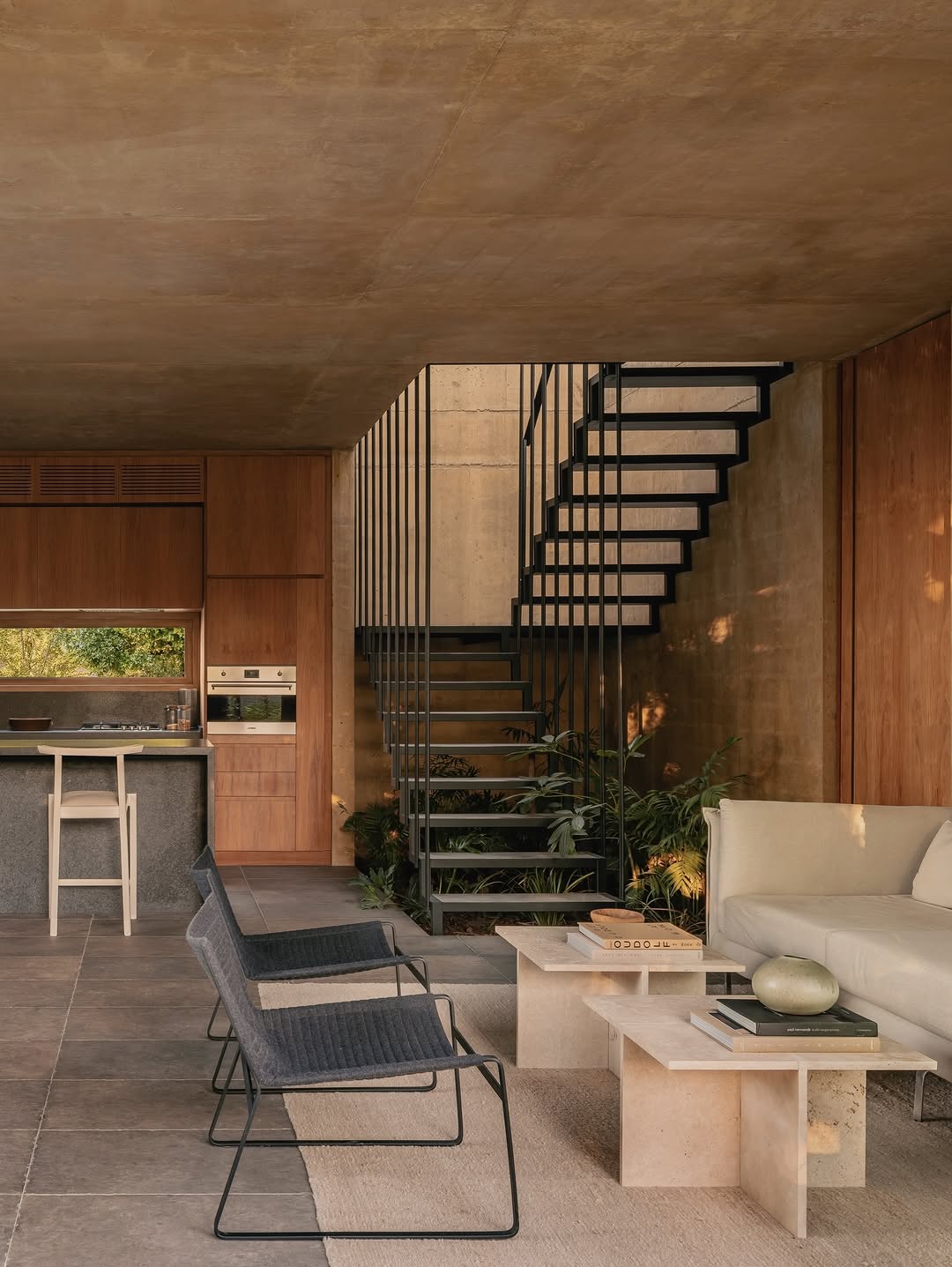
Ten images from Type7 document House JR across morning light, interior volume, detail, and approach. That is the right number for this building. More would be redundant. The architecture does not change between frames seven and seventeen. It reveals itself at a specific pace that matches the editorial sequence Type7 assembled.
Architecture publications tend to over-photograph quiet buildings because the coverage format requires content at a volume the building cannot support. Ten images is an honest amount for a house that is doing exactly what it needs to do and nothing more.
Gonzalo Bardach's Next Project
Architects who build one honest house usually build another. The design logic that produced House JR is not a singular experiment. It is a method. Bardach understands filtration as a spatial concept, which means his next building will apply that concept to a different program, a different site, a different set of constraints.
House JR will be on his website in ten years as the project that clarified his direction. Right now it is simply a very good building in the right place.
Related Reading
- EDITION OFFICE BUILT ABOVE THE GROUND IN MELBOURNE
- TYPE7 SPOTLIGHTS INNOVATIVE MEXICAN ARCHITECTURE PROJECT
- How Norm Architects Designed the Repulse Bay Residence as Vision, Not Plan
Related: OCTANT HOUSE BY MF ARCHITECTURE MAKES THE GARAGE THE CENTRAL SPACE.
Frequently Asked Questions
Who designed House JR?
Argentine architect Gonzalo Bardach (@gonzalobardach_arq) designed House JR, a private residence located just outside Buenos Aires.
What is House JR's design philosophy?
Bardach describes it as architecture defined by filtration — the home controls what it reveals through strategic apertures and horizontal massing rather than maximizing exposure.
What materials does House JR use?
The home uses earth-toned materials consistent with its Buenos Aires pampas setting, giving it the appearance of having been carved from the ground rather than placed on it.
Topics: house-jr, type7, residential-design, argentina, buenos-aires, design, architecture, gonzalo-bardach