OAKLEY GOLF IN 2026 IS 51 YEARS OF OPTICS APPLIED
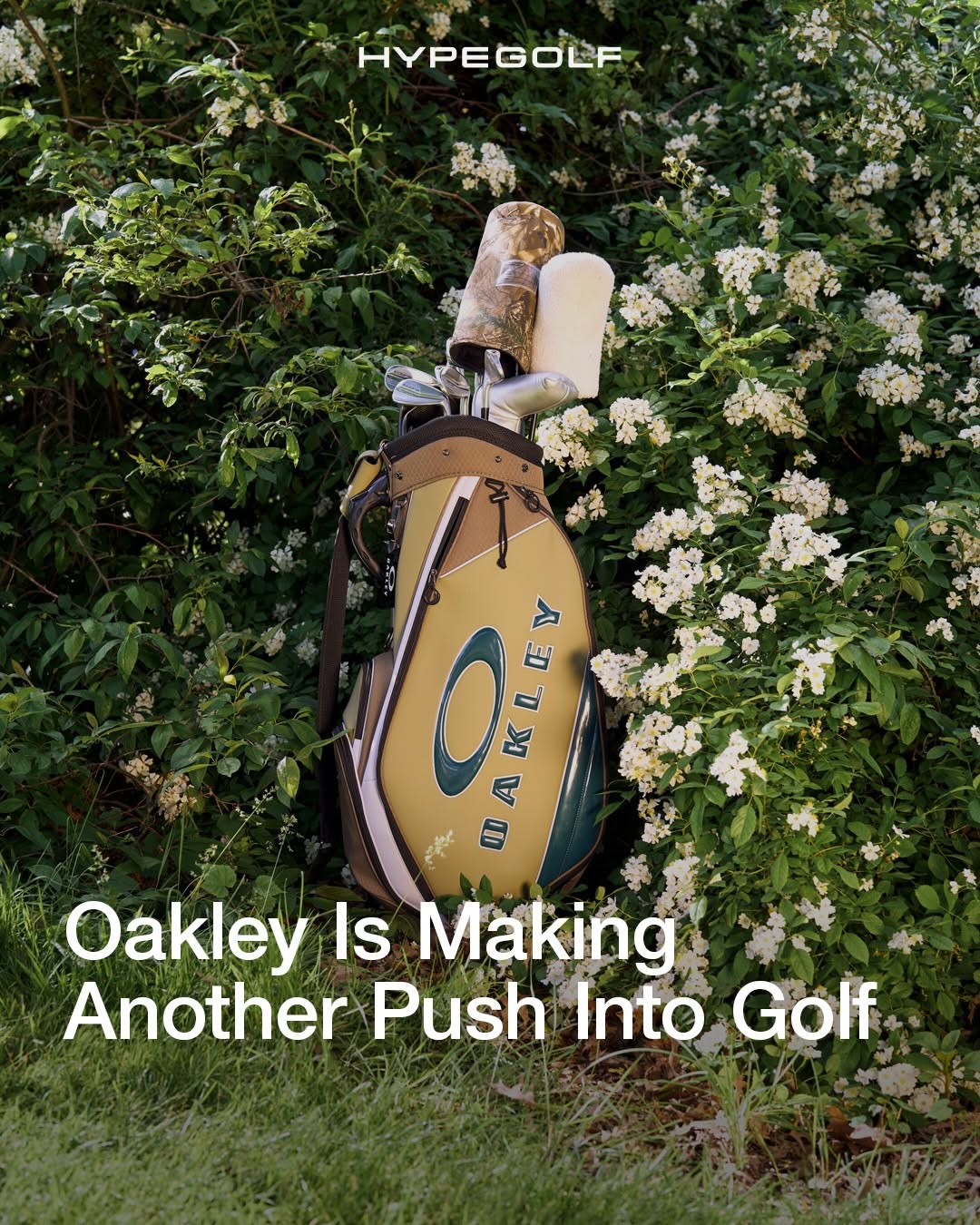
Oakley has equipped PGA Tour players since the 1990s and the 2026 golf line represents 51 years of sports optics compressed into a full kit covering sunglasses, footwear, apparel, and accessories. The Prizm Golf lens technology, first introduced in 2014, suppresses specific wavelengths to enhance terrain reading on the fairway. EssilorLuxottica acquired Oakley in 2007 for $2.1 billion, giving the golf line global distribution infrastructure that most lifestyle golf brands cannot match.
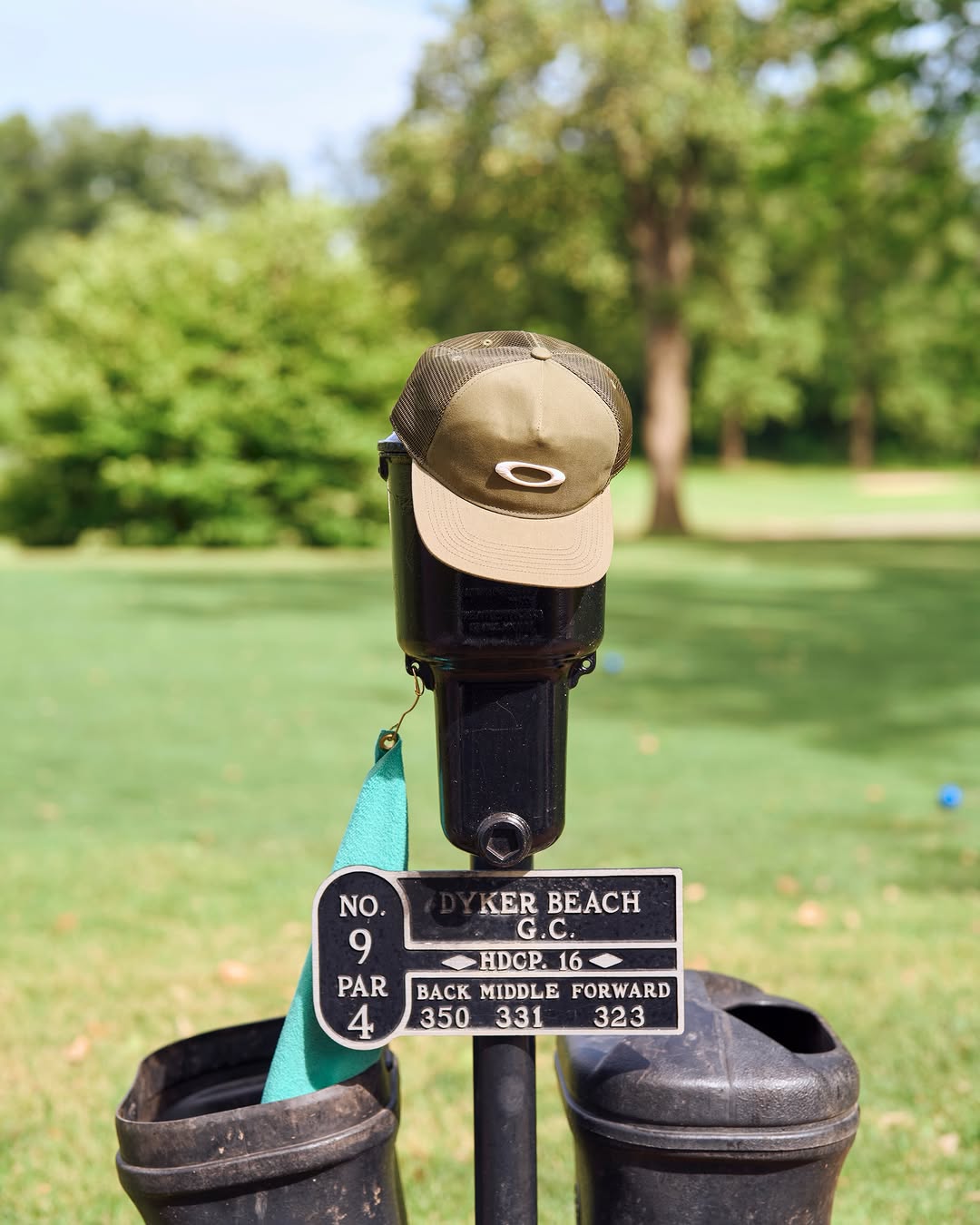
Key Points
- Oakley Prizm Golf lenses suppress blue sky spectrum and enhance greens for reading terrain on the fairway
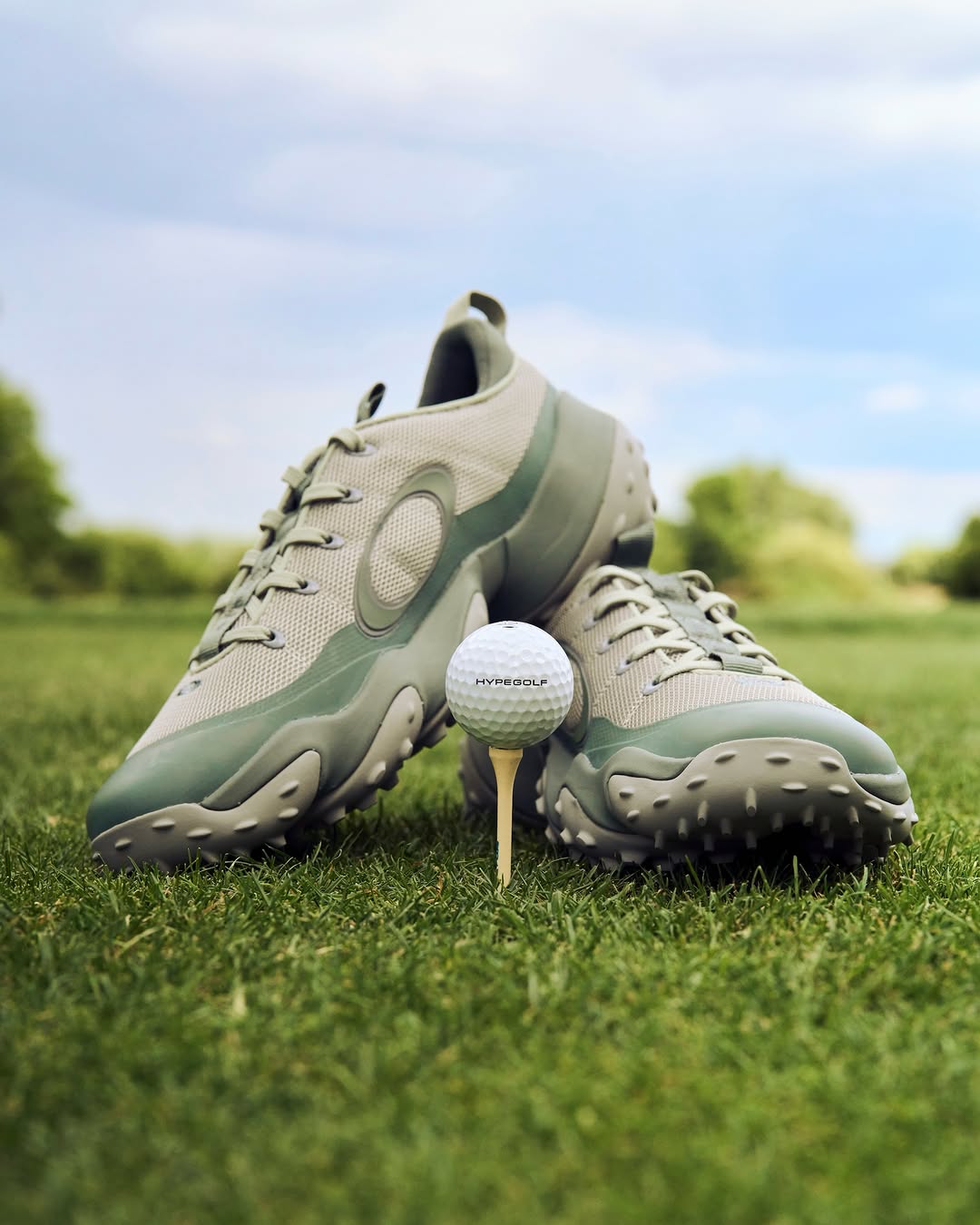
- The Cipher 5 golf shoe uses distributed micro lugs and a waterproof membrane, priced $130 to $160
- EssilorLuxottica acquired Oakley in 2007 for $2.1 billion, giving the golf line distribution across 50 countries
14 ounces of Prizm-filtered polycarbonate and a lens system originally calibrated for ski racing. That is what Oakley brought to a sport that had been squinting at the sun for 500 years. The 2026 golf line from Oakley is not a pivot into a new market. It is a consolidation of a position the brand has held since the 1990s.
Rory McIlroy won the 2011 US Open wearing Oakley frames. So did Graeme McDowell the year before. The brand's presence in professional golf predates most of the lifestyle brands currently trying to enter the space.
Prizm Golf Lenses Were Built for One Light Condition
Oakley Prizm lens technology debuted in 2014 as a frequency specific filter rather than a simple tint. Where conventional sports sunglasses darken everything uniformly, Prizm lenses suppress specific wavelengths and enhance others based on the visual environment they are designed for.
The Prizm Golf variant suppresses the blue sky spectrum and enhances greens and reds in the mid range. On a fairway, this means the texture of the rough reads differently than it would through a standard amber tint. The contour of a green becomes easier to read at distance. For a sport where half the strategic information comes from reading terrain, this is a functional advantage, not marketing copy.
The Flak 2.0 XL and Split Shot are the primary sunglass platforms in the 2026 golf lineup. Both use Oakley's O Matter frame material, which is stress-resistant and salt tolerant. Both offer three point fit using Unobtainium nosepads that increase grip when wet.
The Cipher 5 Footwear Is Built for 18 Holes, Not Just the Parking Lot
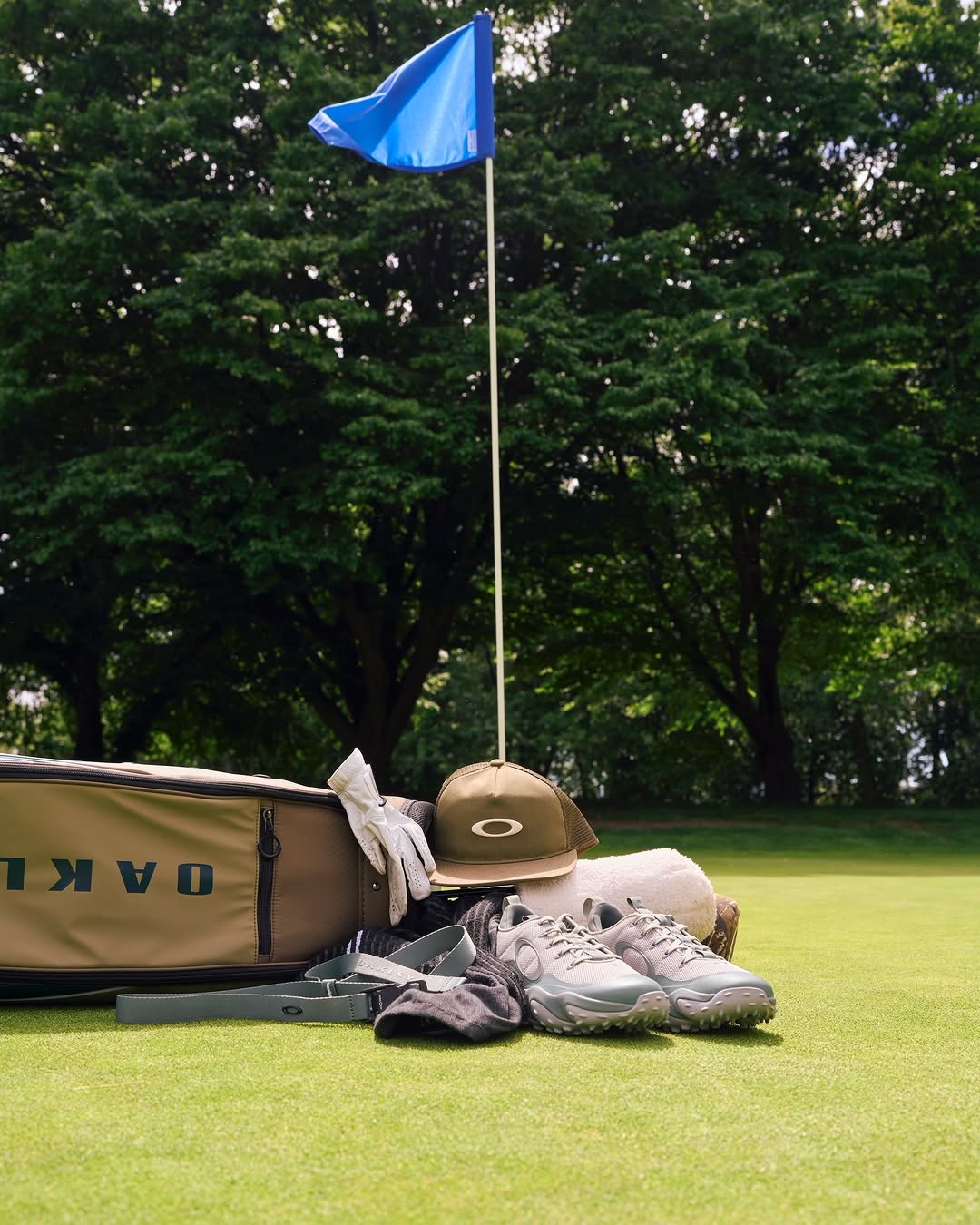
Nike ACG has been applying trail performance technology to cultural contexts for years. Oakley's approach in footwear follows a similar logic: take what works in competitive athletics and compress it into something that functions off the course as well as on it.The Cipher 5 golf shoe uses a rotational traction sole designed for lateral movement through the swing. The upper is a waterproof breathable membrane on a lightweight chassis. The traction elements are distributed micro lugs rather than soft spike inserts, which makes the shoe viable on concrete as well as turf.
Retail price is in the $130 to $160 range depending on colorway, which positions the Cipher 5 below FootJoy Traditions and above the entry Adidas Codechaos tier. For the golfer walking 18 holes three times a week, that is a reasonable price for what the construction delivers.
Malbon Rewrote the Brief. Oakley Had the Infrastructure to Answer.
Golf's cultural expansion in the early 2020s was driven by brands like Malbon Golf and Bad Birdie, which applied streetwear marketing logic to a sport that previously sold exclusivity, not community. Malbon in particular turned golf into a lifestyle identity product.
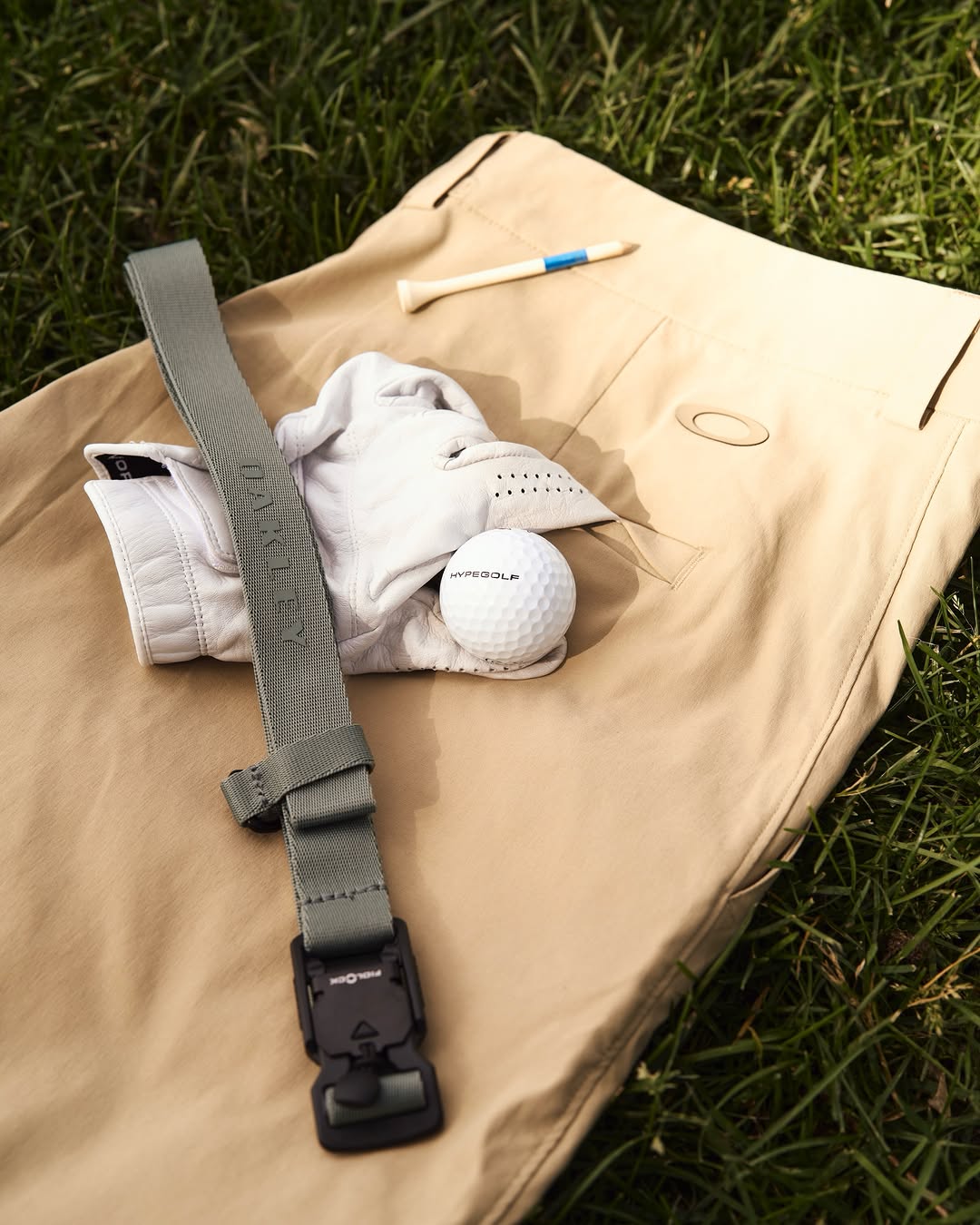
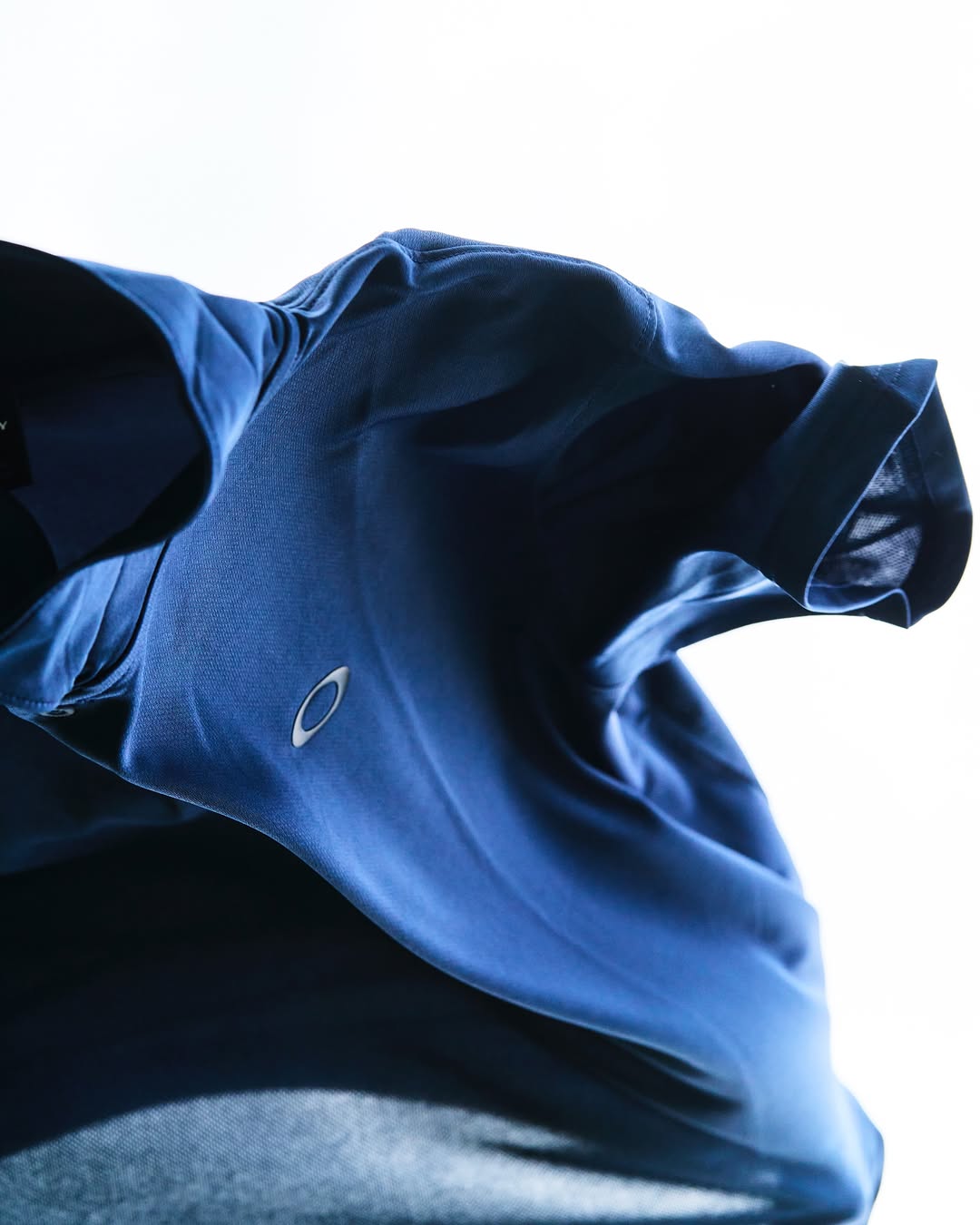
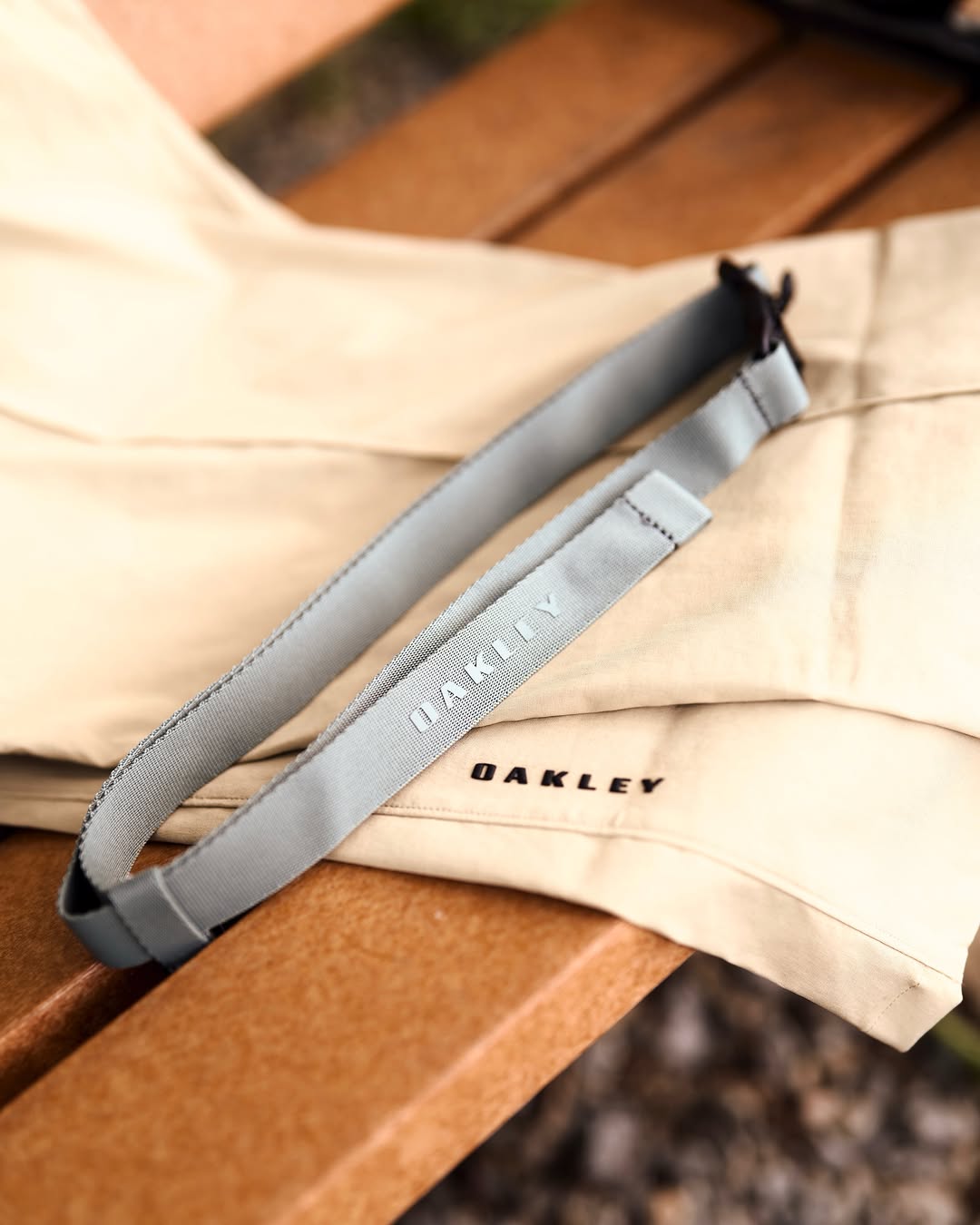
FO covered the Siegelman Stable x Maxfli collaboration at the US Open as an example of how golf's crossover moment is producing meaningful product. The same impulse is at work in Oakley's 2026 line: a performance brand that has credibility in the sport and now has permission to lean into the style component without manufacturing authenticity.Oakley's apparel in the golf line runs from technical polos in 87% polyester and 13% elastane to lightweight shorts with articulated knees. These are not fashion pieces. They are sport garments with enough design consideration to function in both contexts.
The Foundation Is 51 Years Old and It Shows
Oakley was founded by Jim Jannard in 1975 as a grip manufacturer for motocross bikes. The optical company came later. The technical foundation beneath every Oakley product predates the golf division by decades.
The Unobtainium materials in the nosepads and eartips were patented in 1994. Every apparel piece in the 2026 golf line runs through the same quality control process as Oakley's Olympic-tier athletic gear. The golf category benefits from that infrastructure without having to build it.
EssilorLuxottica acquired Oakley in 2007 for $2.1 billion. That acquisition brought distribution at a scale no independent sports optics company could achieve on its own. The 2026 golf line ships to over 50 countries through that infrastructure.
That is what separates Oakley golf from a lifestyle brand trying to manufacture credibility in the sport. The optics are real. The material science is real. The infrastructure is real. Jim Jannard built the foundation in 1975. The 2026 golf line is just the latest surface.
Related: ARSHAM PREVIEWS NEW MALBON COLLECTION IN SOHO SUNDAY.
Frequently Asked Questions
What is Oakley Prizm Golf technology?
Prizm Golf is a frequency specific lens filter that suppresses the blue sky spectrum and enhances greens and reds, making it easier to read fairway terrain and green contours at distance.
How much do Oakley golf shoes cost?
The Oakley Cipher 5 golf shoe retails between $130 and $160 depending on colorway, positioning it below FootJoy Traditions and above the entry Adidas Codechaos tier.
Does Oakley make golf apparel?
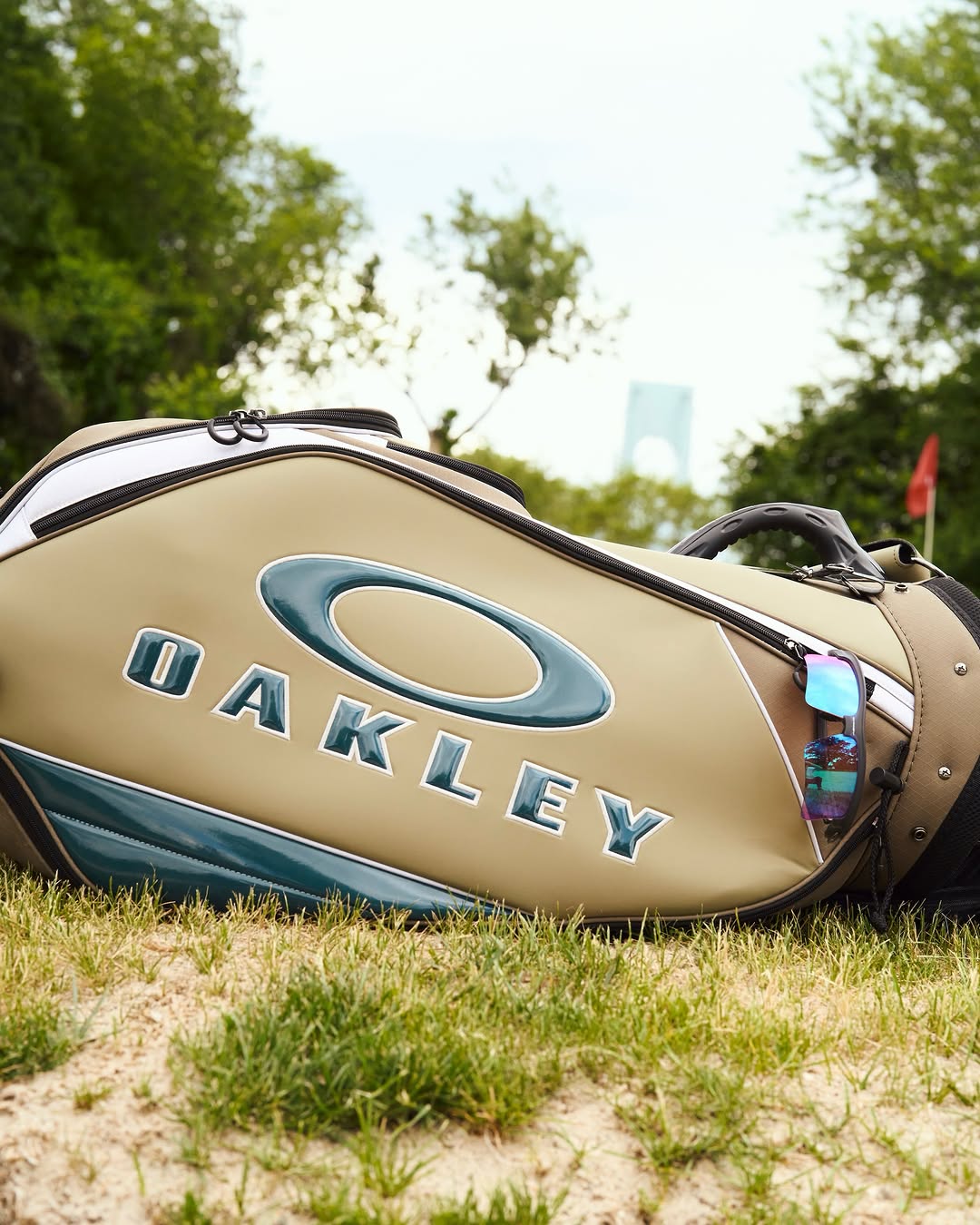
Yes. Oakley's 2026 golf line includes technical polos in 87% polyester and 13% elastane, lightweight shorts with articulated knees, hats, belts, and bags.
When did Oakley start making golf equipment?
Oakley has outfitted PGA Tour players since the 1990s. Rory McIlroy and Graeme McDowell both wore Oakley frames at US Open victories in 2010 and 2011.
Is Oakley good for golf sunglasses?
Oakley is considered one of the top performance sunglass brands for golf. The Flak 2.0 XL and Split Shot use Prizm Golf lenses with Unobtainium nosepads that increase grip in wet conditions.
Who owns Oakley now?
Oakley is owned by EssilorLuxottica, which acquired the brand in 2007 for $2.1 billion. The acquisition expanded Oakley distribution to over 50 countries.
What makes Oakley different from other golf eyewear brands?
Oakley's Prizm lens technology offers frequency specific filtering calibrated for golf environments, combined with O Matter frame materials and Unobtainium grip technology developed from 51 years of sports optics.
Topics: golf-apparel, nike acg, adidas, eyewear, malbon golf, sport, performance, sports-optics, fashion, oakley, prizm, malbon-golf, nike-acg, golf, nike, cipher-5