MUJI STYLES STAFF PICKS DAYS BEFORE 489 ITEMS GET PRICIER
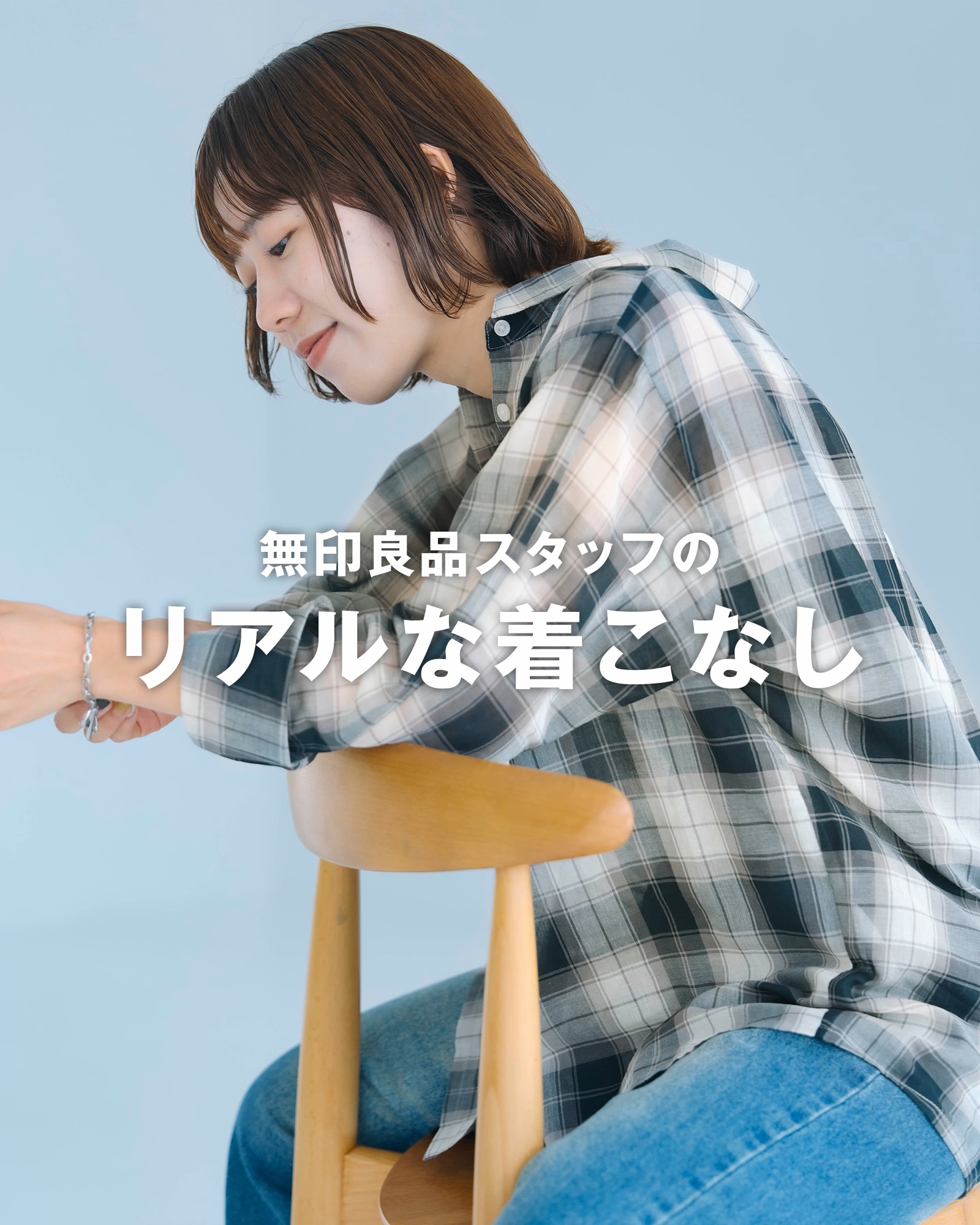
MUJIs parent company Ryohin Keikaku is raising prices on 489 products starting September 4, 2026, covering 8 clothing items, 373 household goods and 108 food items, an average increase of about 17.4 percent. The company cites unstable global supply conditions, higher raw material and logistics costs, and a weaker yen. MUJI published a staff clothing styling post days before the change, with prices explicitly dated September 2, 2026.
Key Points
- 489 MUJI products rise in price Sept 4: 8 clothing, 373 household goods, 108 food items.
- Average increase is about 17.4 percent, ranging roughly 10 to 400 yen depending on the item.
- Ryohin Keikaku cites global supply instability, raw material costs, logistics and a weak yen.
Every price on MUJI's staff styling post carries a quiet asterisk this week: prices current as of September 2, 2026. Two days later, on September 4, they will not be. MUJI's parent company, Ryohin Keikaku, confirmed on June 25 that 489 products across clothing, household goods and food would rise in price starting that Friday, and the styling post reads differently once you know the clock is running.
Eight Clothing Items Among 489 Getting Pricier Sept 4
The September 4 revision touches 489 items in total: 8 in clothing, 373 in household goods and 108 in food, with individual increases ranging from roughly 10 yen to 400 yen depending on the product. Averaged across the list, the increase runs about 17.4 percent, the largest MUJI has applied in over a year and well beyond the 85 item revision it made in September 2025, which touched only household goods and food.
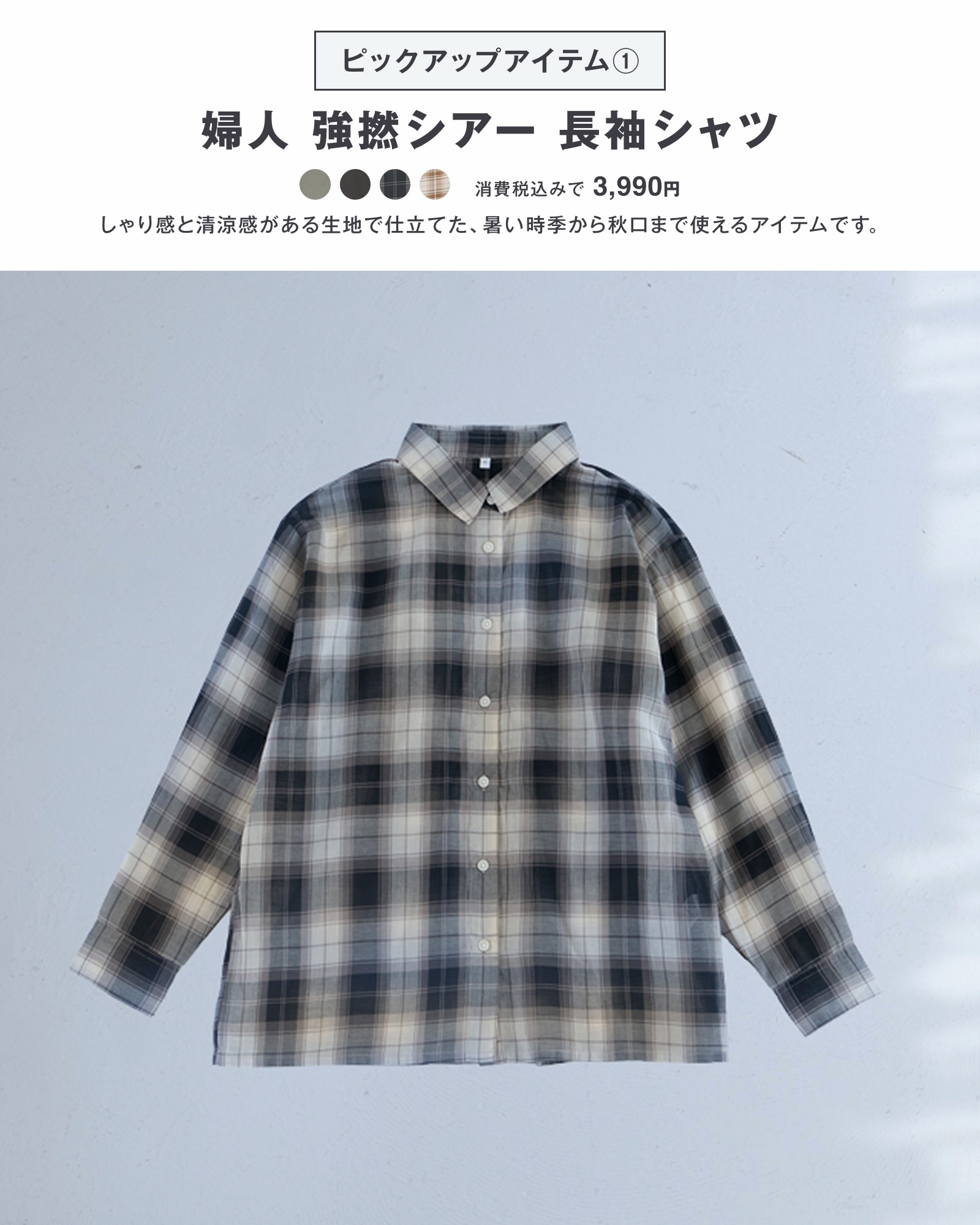
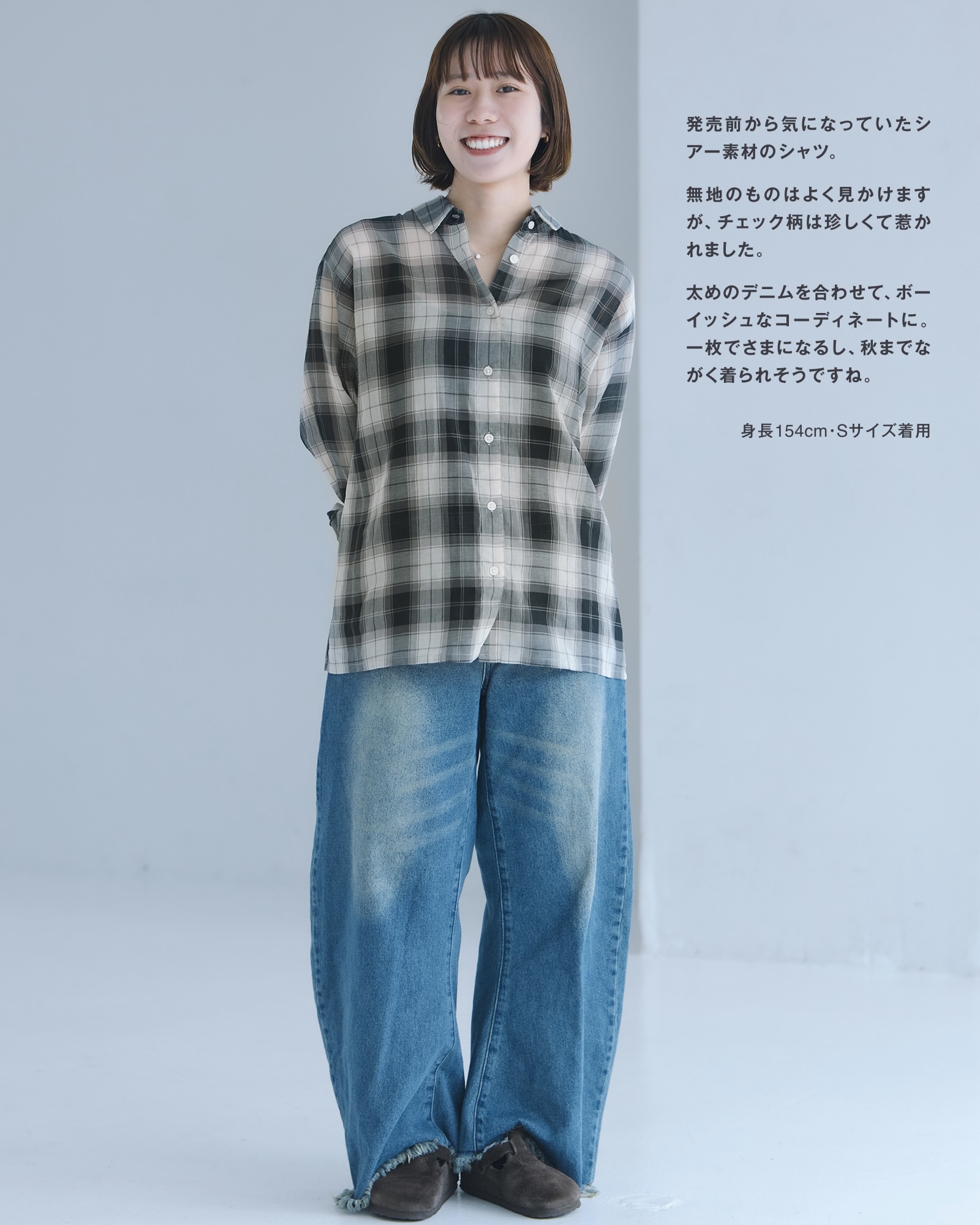
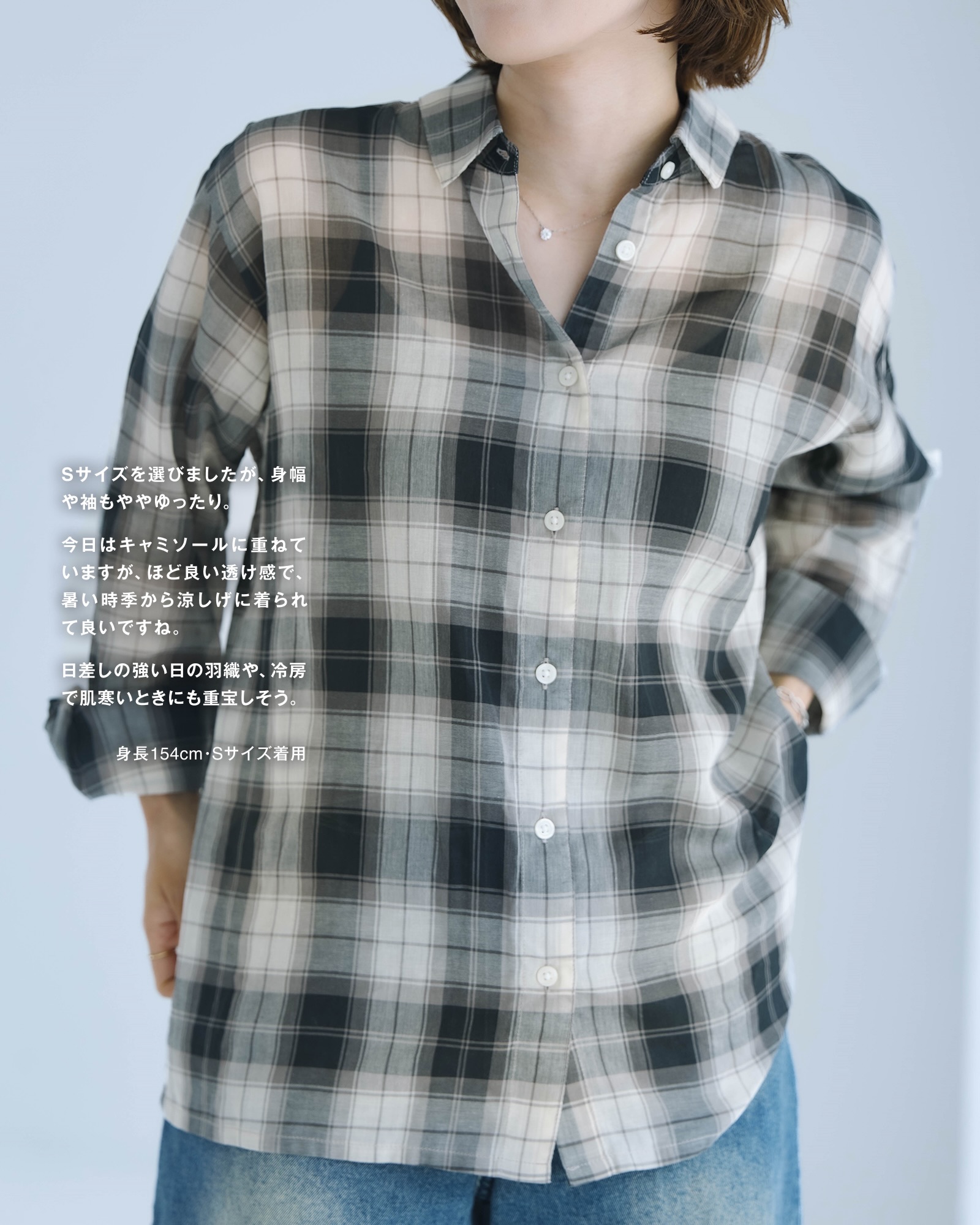
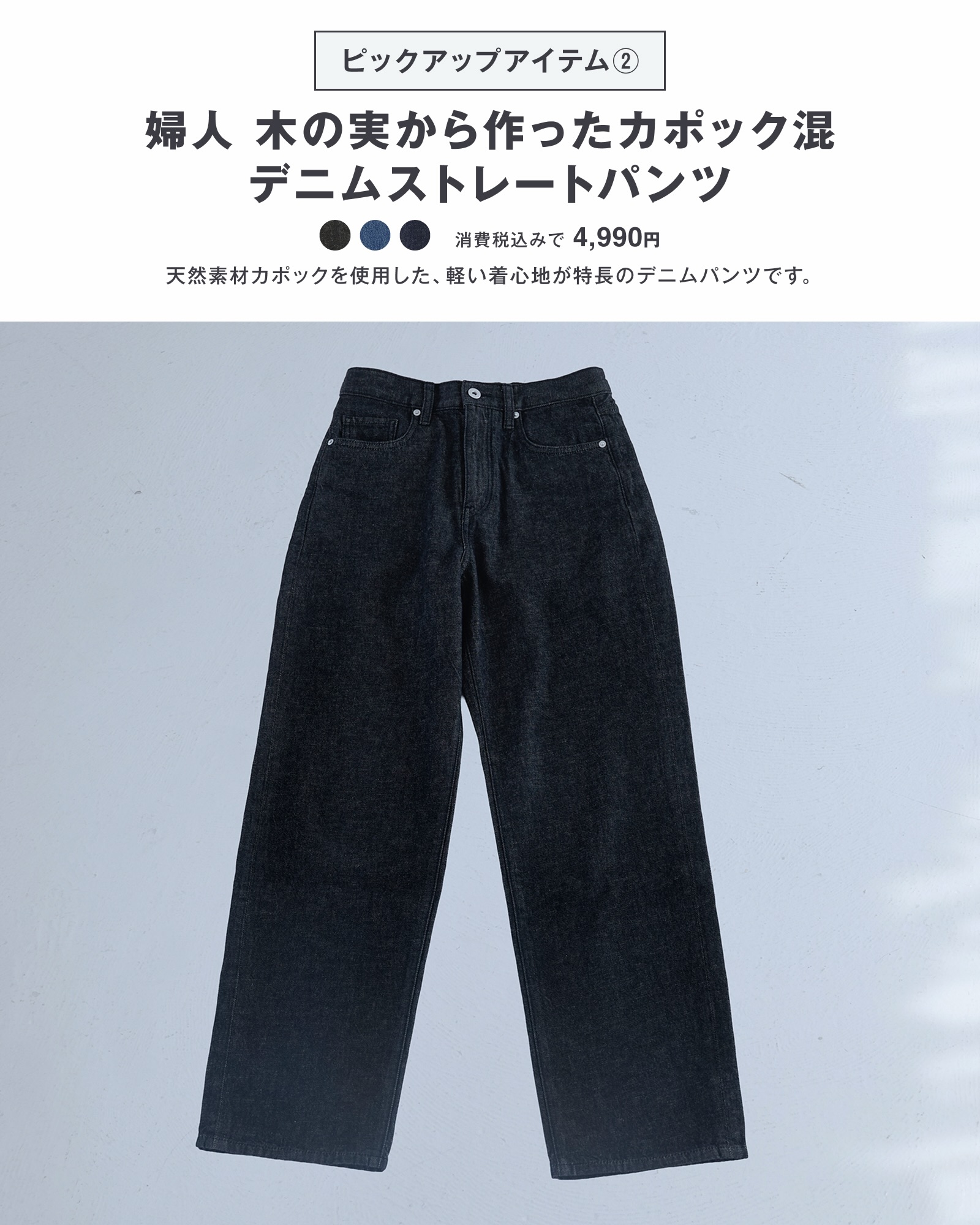
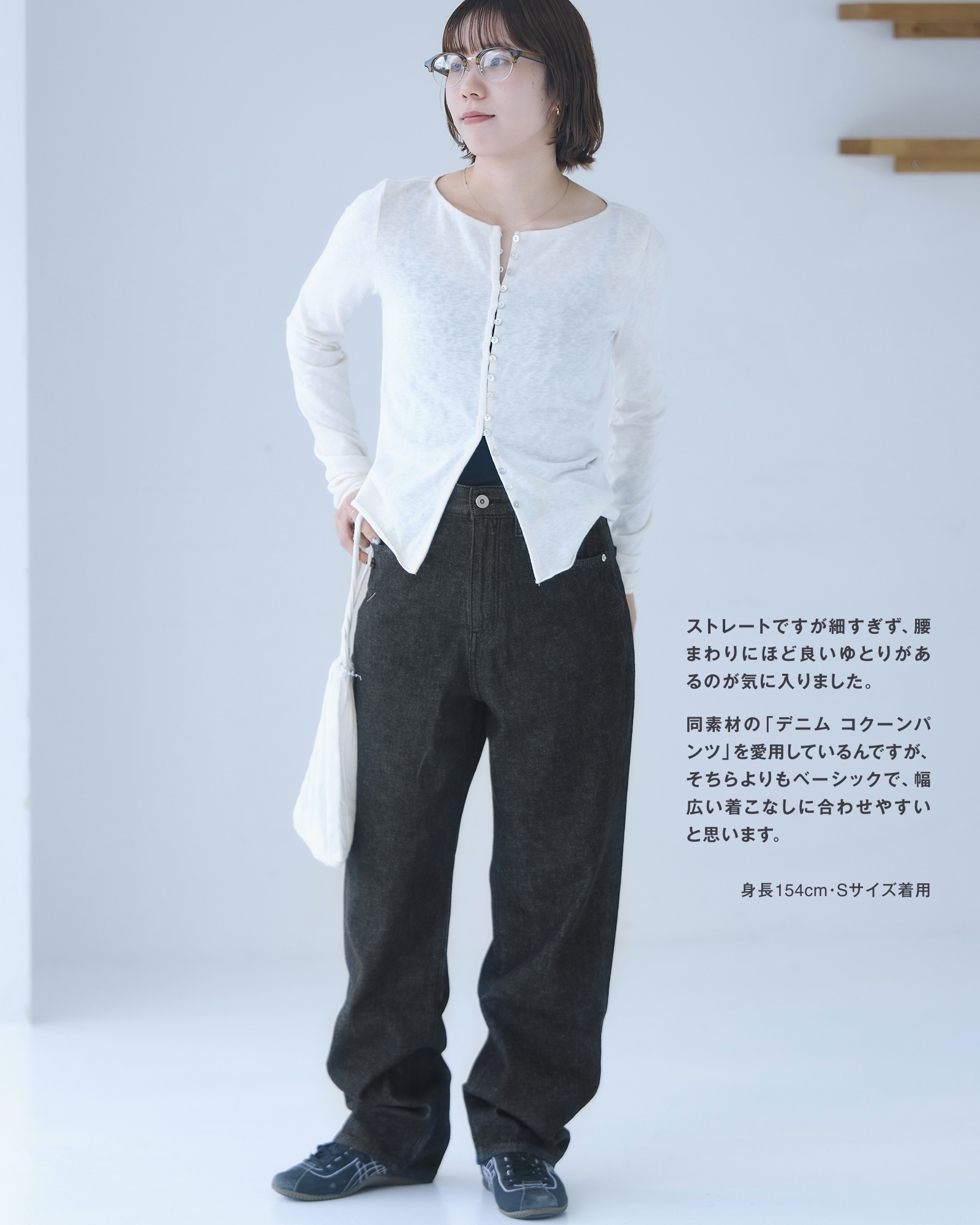
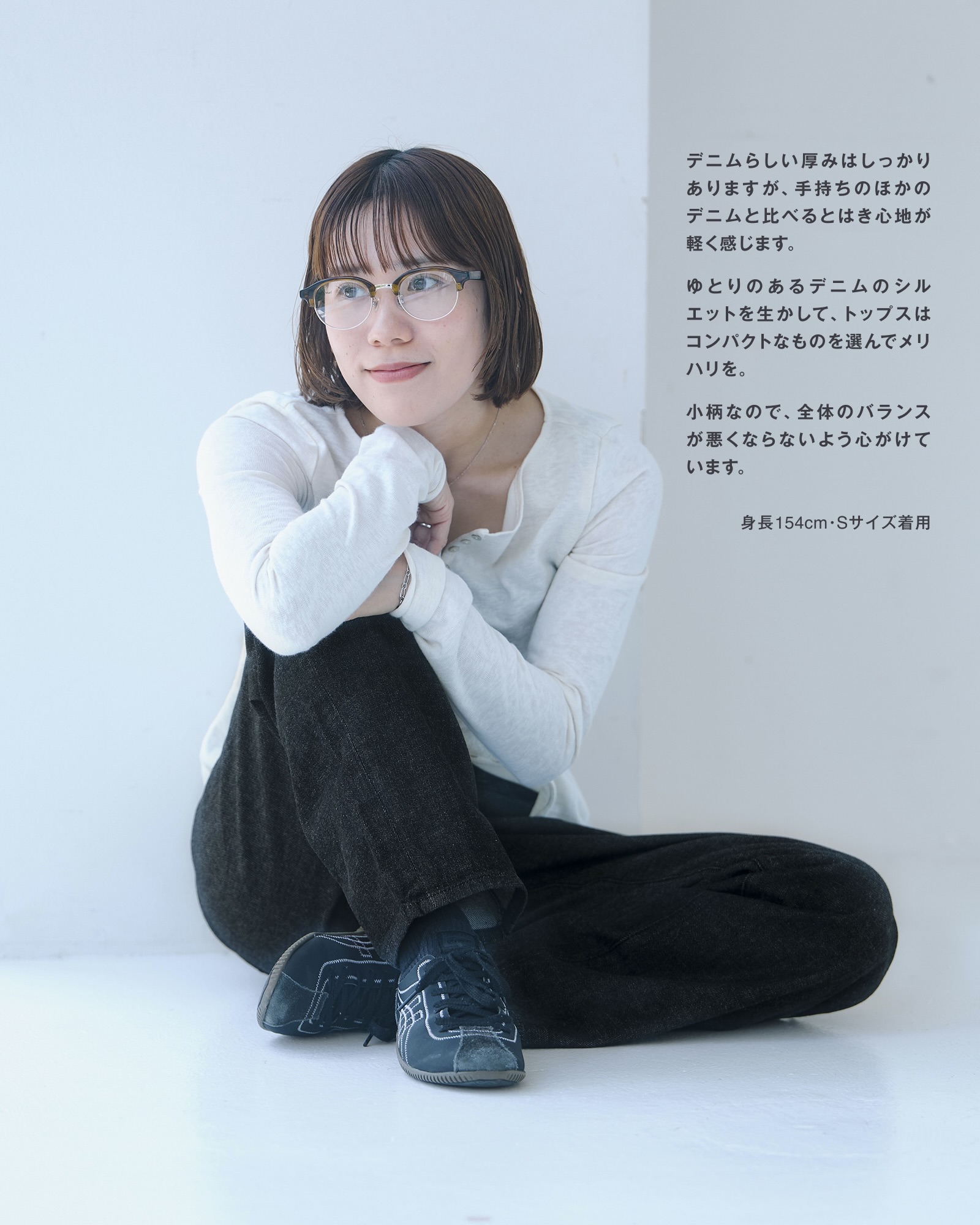
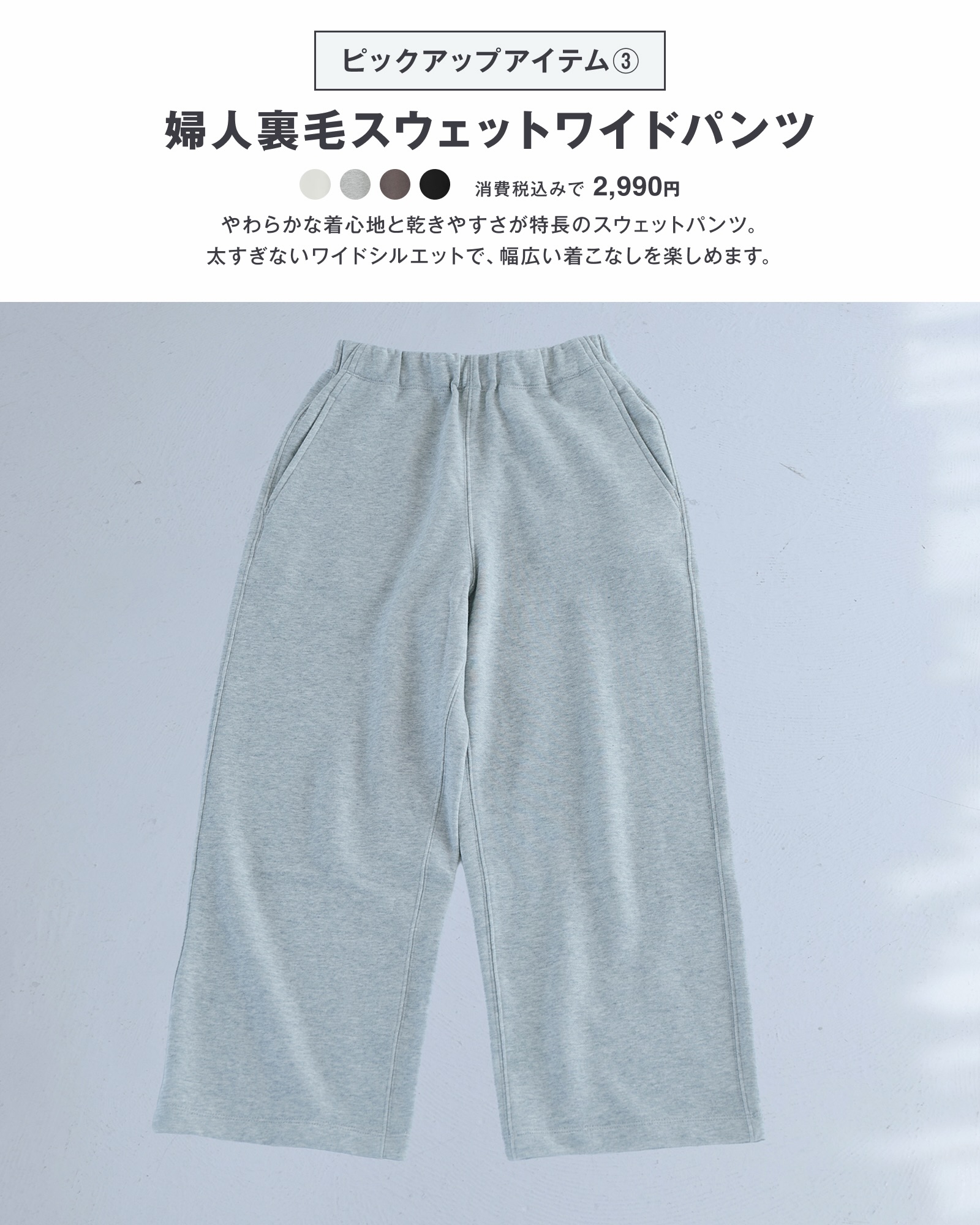
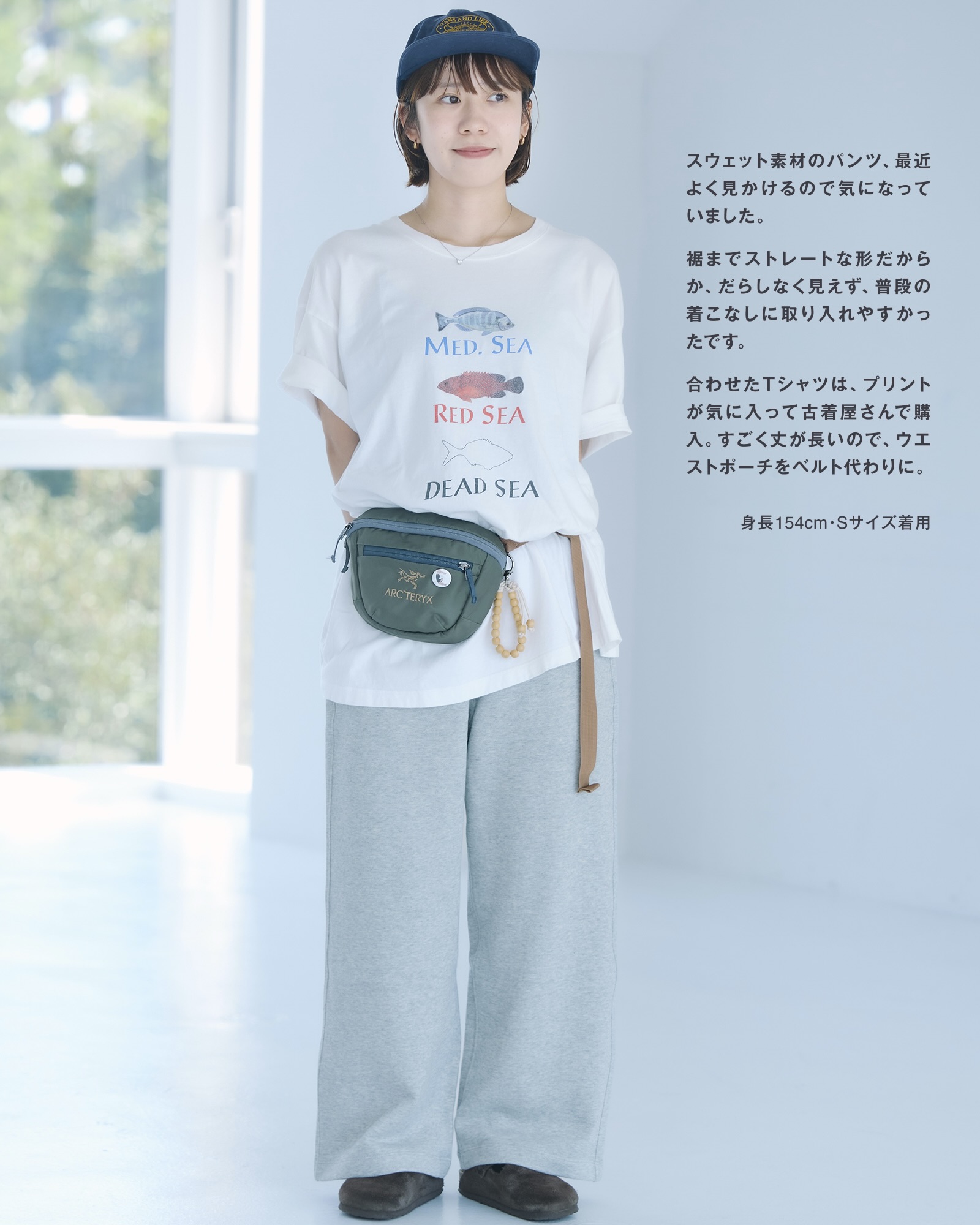
Clothing is the smallest category on the list by count, but it is the one MUJI chose to spotlight days before the increase lands. The staff post pulls from basics to what MUJI calls its more subtly designed pieces, the kind of item that looks plain until a staff member explains why the collar sits the way it does. MUJI's clothing has run on the same design constraints since the line launched: undyed or naturally dyed cotton and linen, standardized block silhouettes cut to minimize fabric waste, and almost no visible branding on the garment itself. Those constraints are exactly what a supply cost increase threatens, because a brand that competes on simplicity instead of logo value has fewer places to hide a higher input cost.
Staff Picks Are the Product Here, Not the Garment
MUJI is not selling one jacket or one shirt in this post. It is selling the judgment of the people who work the floor, staff who know the line well enough to walk a customer through usability, size selection and how a piece actually works inside an outfit, alongside what is genuinely new this season. That is a deliberate substitute for a single hero product, and it fits a brand whose entire identity was built on removing the designer's name from the label.
MUJI, short for Mujirushi Ryohin, translates to no brand, quality goods, a name chosen in 1980 specifically to reject the logo driven retail of its era. Finally Offline covered MUJI Hotel Ginza's expanded breakfast buffet in August, another example of the brand explaining itself through the people running the counter rather than a marketing department. The styling post is the same instinct applied to clothing: let the staff member's actual daily use replace the campaign.
Ryohin Keikaku Blames Global Supply, Not Cotton
Ryohin Keikaku's official notice cites instability in the supply environment tied to shifting international conditions, alongside rising raw material costs, higher logistics costs and a weaker yen. Those four forces sit behind nearly every retailer's price notice in Japan this year, but MUJI's scale makes the number impossible to ignore: 489 items is a list, not a rounding error, and household goods alone account for 373 of them.
The brand's minimalism has always been sold as a hedge against exactly this kind of pressure, fewer materials, simpler construction, less to mark up. That logic holds better for a t shirt than for a shelving unit or a bag of rice, which is likely why 373 of the 489 affected items sit in household goods and only 8 in clothing. The staff styling post, timed two days before the change, reads as MUJI protecting the category it can least afford to reprice without a story attached. Helmut Lang shipped its own Fall 2026 lookbook this August with no named creative director attached, betting that the clothes alone would carry the story the same way MUJI bets its staff will. Both brands are testing whether a product can still sell itself once the surrounding noise, whether a designer's name or a marketing budget, gets stripped away. MUJI's test now includes a price the customer will actually notice.
Buy Before Friday, Not Because of Marketing
The styling post is not an accident of timing. It is MUJI doing what it does best, using a staff member's honest read on fit and fabric to move product before a price list changes underneath it. That is worth acting on if the specific piece a staff member picked fits your rotation already, and worth ignoring if it does not. The clothes did not get better this week. They are just about to cost more.
Related: HOKA CLIFTON UTL SWAPS THE TRAIL FOR ATMOS EXCLUSIVITY.
Related: SALOMON XT-EVO LEAVES KITH EXCLUSIVITY IN 26 DAYS.
Related: CORDUROY PANTS RETURN TO MUJI ONE DAY BEFORE ITS PRICE HIKE.
Frequently Asked Questions
What is MUJI raising prices on in September 2026?
MUJI is raising prices on 489 products starting September 4, 2026: 8 clothing items, 373 household goods and 108 food items.
Why is MUJI raising prices?
Ryohin Keikaku, MUJIs parent company, cites instability in the global supply environment along with rising raw material costs, higher logistics costs and a weaker yen.
How much are MUJI prices increasing?
Individual items rise by roughly 10 to 400 yen, averaging about 17.4 percent across the list.
When does the MUJI price increase take effect?
The new prices take effect Friday, September 4, 2026.
Has MUJI raised prices before?
Yes, MUJI revised prices on 85 items in September 2025, a much smaller list limited to household goods and food.
What is the MUJI staff styling post about?
MUJI staff share how they wear and size MUJI clothing, from basics to more subtly designed pieces, days before the September 4 price change.
What does MUJI mean?
MUJI is short for Mujirushi Ryohin, meaning no brand quality goods, a name chosen in 1980 to reject logo driven retail.
Is MUJI clothing part of the price increase?
Yes, but it is the smallest category affected, with only 8 of the 489 items in clothing.
Topics: japanese-retail, hoka, no-brand-design, price-increase, staff-styling, ryohin-keikaku, helmut-lang, september-2026, helmut lang, japanese-design, muji