LACMA Danse Macabre Show Traces Death in Print to Dix
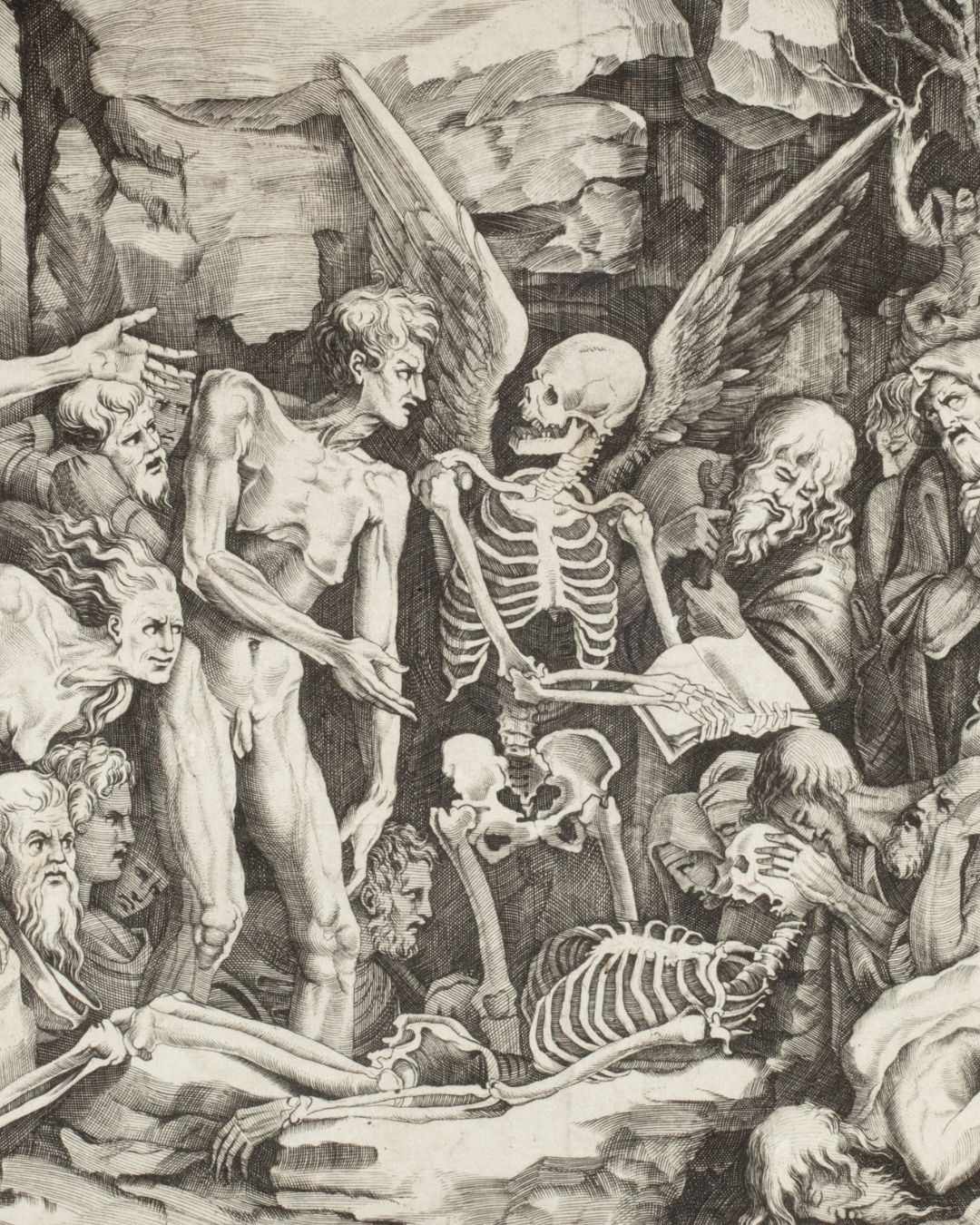
LACMA's exhibition Danse Macabre: Death in Print from Dürer to Dix runs June 12 to December 6, 2026 on Level 3 of BCAM in Los Angeles. It traces the danse macabre from 14th century woodcuts to German Expressionists who used skulls, hourglasses and personified Death to depict the war.
Key Points
- The show runs June 12 to December 6, 2026, on Level 3 of LACMA's BCAM building.
- Works include Marco Dente's The Skeletons (1518 to 1525) and Ernst Barlach's Dance of Death II (1920 to 1921).
- LACMA holds Otto Dix's etching Dance of Death 1917 (Dead Man's Hill) from the portfolio Der Krieg.
Death has been a print subject for six centuries, and LACMA is showing why. "Danse Macabre: Death in Print from Dürer to Dix" runs through December 6, 2026, on Level 3 of the BCAM building in Los Angeles, and it argues that the danse macabre survived because it could be printed, copied and carried.
LACMA describes the danse macabre as a visual allegory of life's impermanence, "equal parts foreboding and whimsical." Artists across Europe took the imagery up starting in the 14th century. By World War I, German Expressionist artists found it relevant again, using skulls, hourglasses and personifications of Death to evoke the grim circumstances of war.
June 12 to December 6, Third Floor
The Danse Macabre exhibition opened on June 12, 2026, and closes on December 6, in BCAM, with LACMA as the organizer. That gives visitors about six weeks from today, October 26, to see it. The display draws on LACMA's own collection, including prints held through its Robert Gore Rifkind Center for German Expressionist Studies.
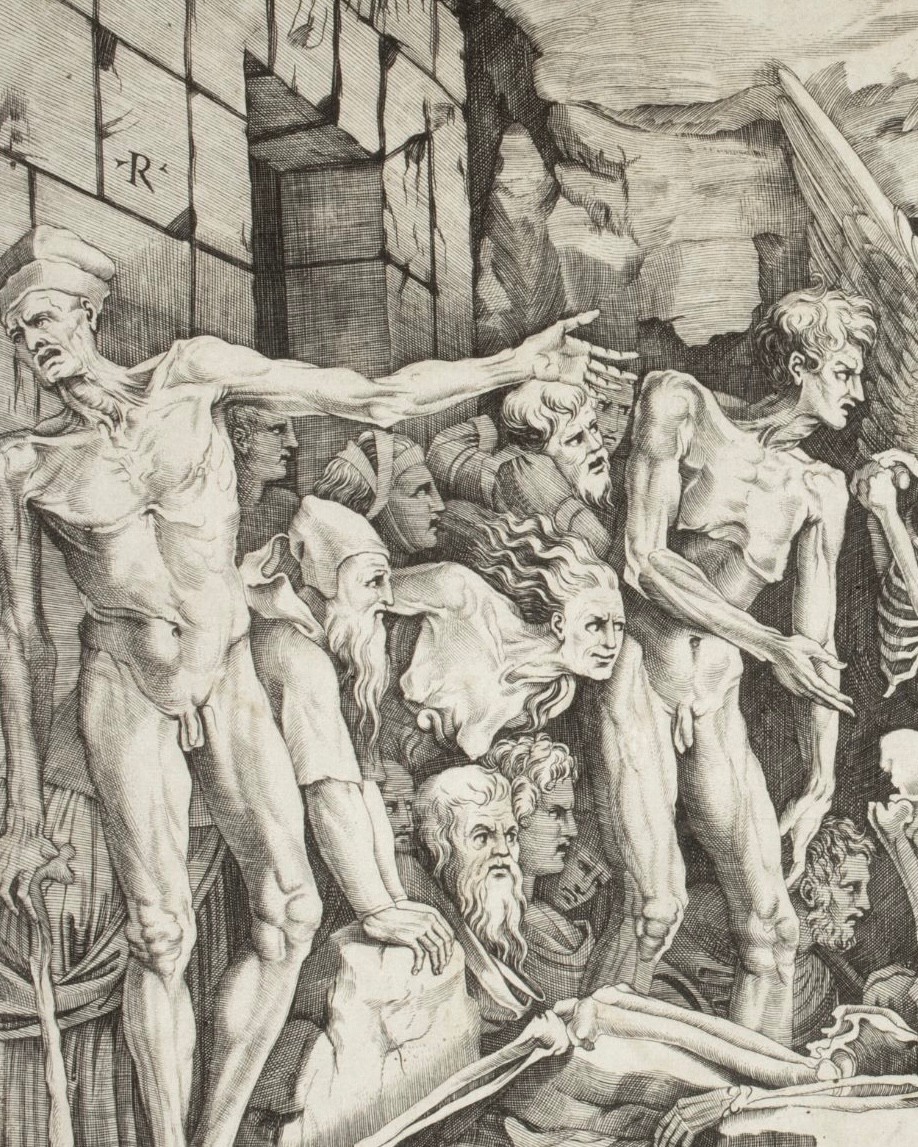
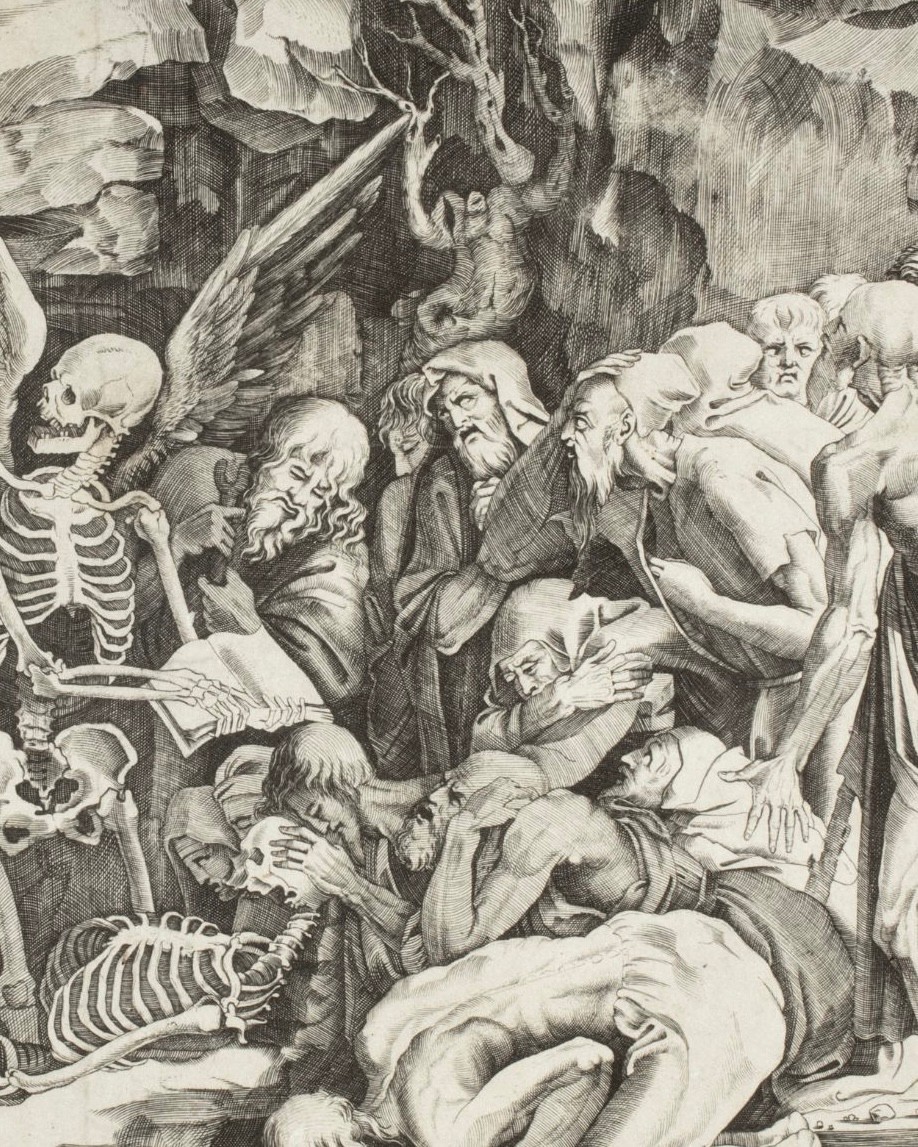
Collection records show what is on the wall. Marco Dente's print after Baccio Bandinelli, The Skeletons, dates to 1518 to 1525 and shows the Renaissance Italian version of the subject. Ernst Barlach's Dance of Death II, a woodcut on Japan paper from 1920 to 1921, represents the Expressionist revival, and a 1924 woodcut by Hans Gross is listed in the same display. The span from a 16th century print to 1920s woodcuts is the show's argument in one room.
Holbein Made Death a Series
The most famous run of the subject came from Hans Holbein the Younger, who drew the Dance of Death woodcuts between 1523 and 1525 while living in Basel in his twenties. The series reworked the medieval danse macabre as social satire, with Death arriving for popes, kings and ordinary people in turn, and it is treated as a forerunner of the political cartoon. A woodcut from the series is dated to the 1538 publication, more than a decade after Holbein drew it.
A woodcut is a multiple. One block yields hundreds of impressions, and a buyer who could not afford a painted Death could own a printed one. The medium suited the message: mortality applies to everyone, and the print reached nearly everyone. Dürer, whose name leads the exhibition's title, worked in that economy of the printed image.
A 1917 Battlefield Gets a Holbein Title
Otto Dix gave the subject a new setting four centuries after Holbein. LACMA's collection includes an etching, aquatint and drypoint titled Dance of Death 1917 (Dead Man's Hill), from Dix's portfolio Der Krieg, which translates to The War. The title borrows Holbein's phrase and sets it on a specific battlefield in a specific year. The medium matters here. Etching, aquatint and drypoint let an artist bite and scratch a line into metal, a rougher and more immediate mark than a woodcut's carved edge, and Dix used it on a battlefield. He did not need allegory to make the point. He had been there, and he used a 400 year old print tradition to say so.
Barlach and Dix were working a few years apart, and both reached for skulls and skeletons because the form already held the meaning. The Expressionists did not invent a new visual language for the war. They found one waiting in the print room.
Next Door to a Rebuilt Museum
LACMA is also in a year of reintroducing itself. The museum reopened with Peter Zumthor's David Geffen Galleries in April 2026, and Calder's Three Quintains fountain, installed in 1965, returned in a new pool in front of them. In September, the museum hosted a talk with painter Christina Quarles about her newly acquired Now We're There. Against all that new architecture, a print show on Level 3 of BCAM is the quiet argument that the oldest images in the collection still hold.
The logic runs outside the museum. Andy Warhol made 13 silkscreen paintings in 1963 from a single publicity photograph of Elizabeth Taylor taken during her recovery from near fatal pneumonia, and a Warhol Liz like The Broad's sold for 31.5 million dollars. Warhol repeated one mortal image thirteen times, and repeating it is the old print trick in a new medium. Visitors have until December 6 to see where it started.
Frequently Asked Questions
When does Danse Macabre: Death in Print from Dürer to Dix close at LACMA?
It closes on December 6, 2026.
Where is the LACMA Danse Macabre exhibition?
On Level 3 of the BCAM building at LACMA in Los Angeles.
What is the danse macabre?
A visual allegory of life's impermanence, shown through dancing skeletons and personifications of Death, taken up by artists across Europe starting in the 14th century.
Who made the famous Dance of Death woodcuts?
Hans Holbein the Younger drew the Dance of Death woodcuts between 1523 and 1525 in Basel.
Topics: durer, lacma, woodcut, the-broad, german-expressionism, otto-dix, danse-macabre, the broad, los-angeles-art, ernst-barlach, death-in-print, hans-holbein