EVISU AW26 SHOOTS INDIGO DENIM ACROSS RURAL SAITAMA
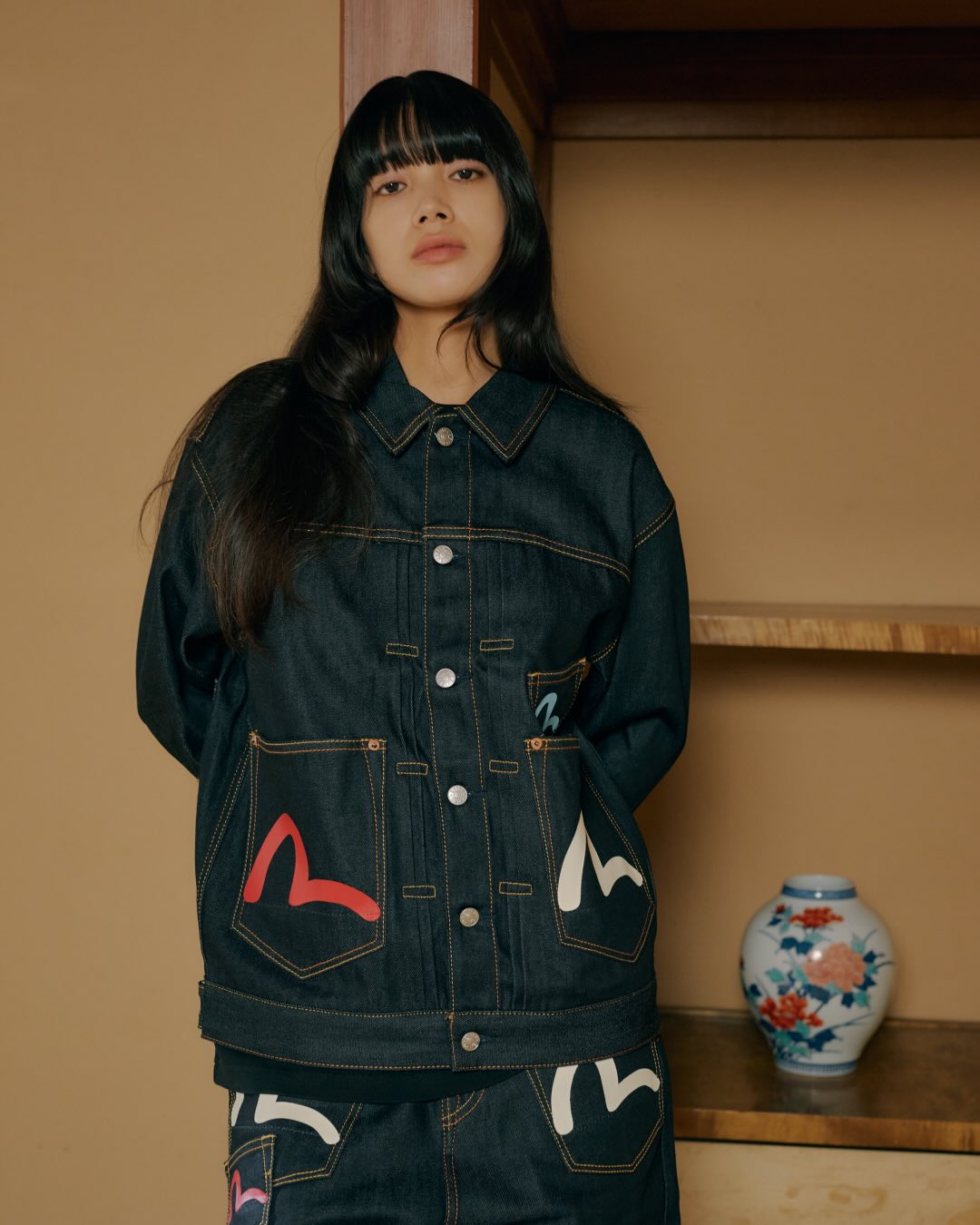
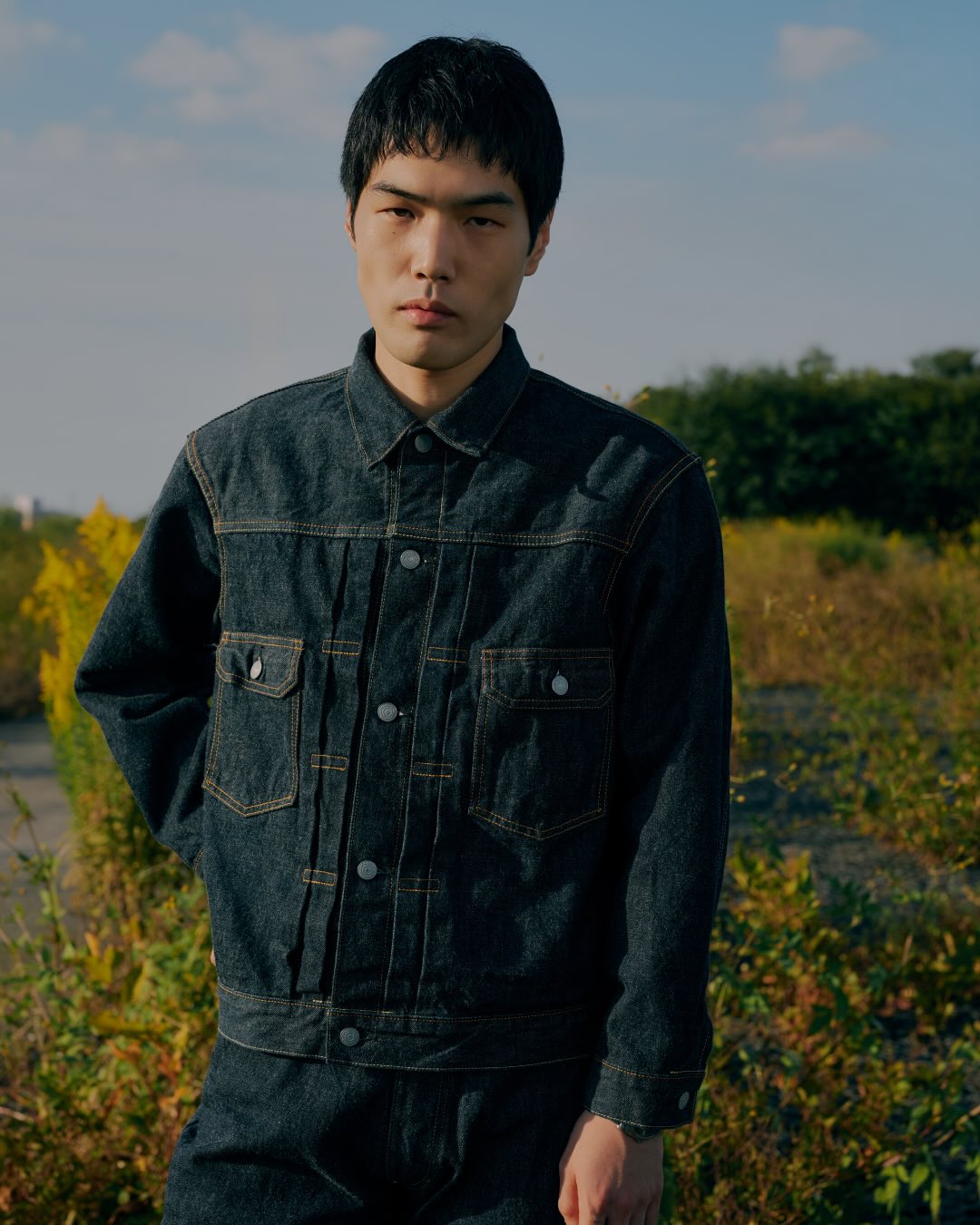
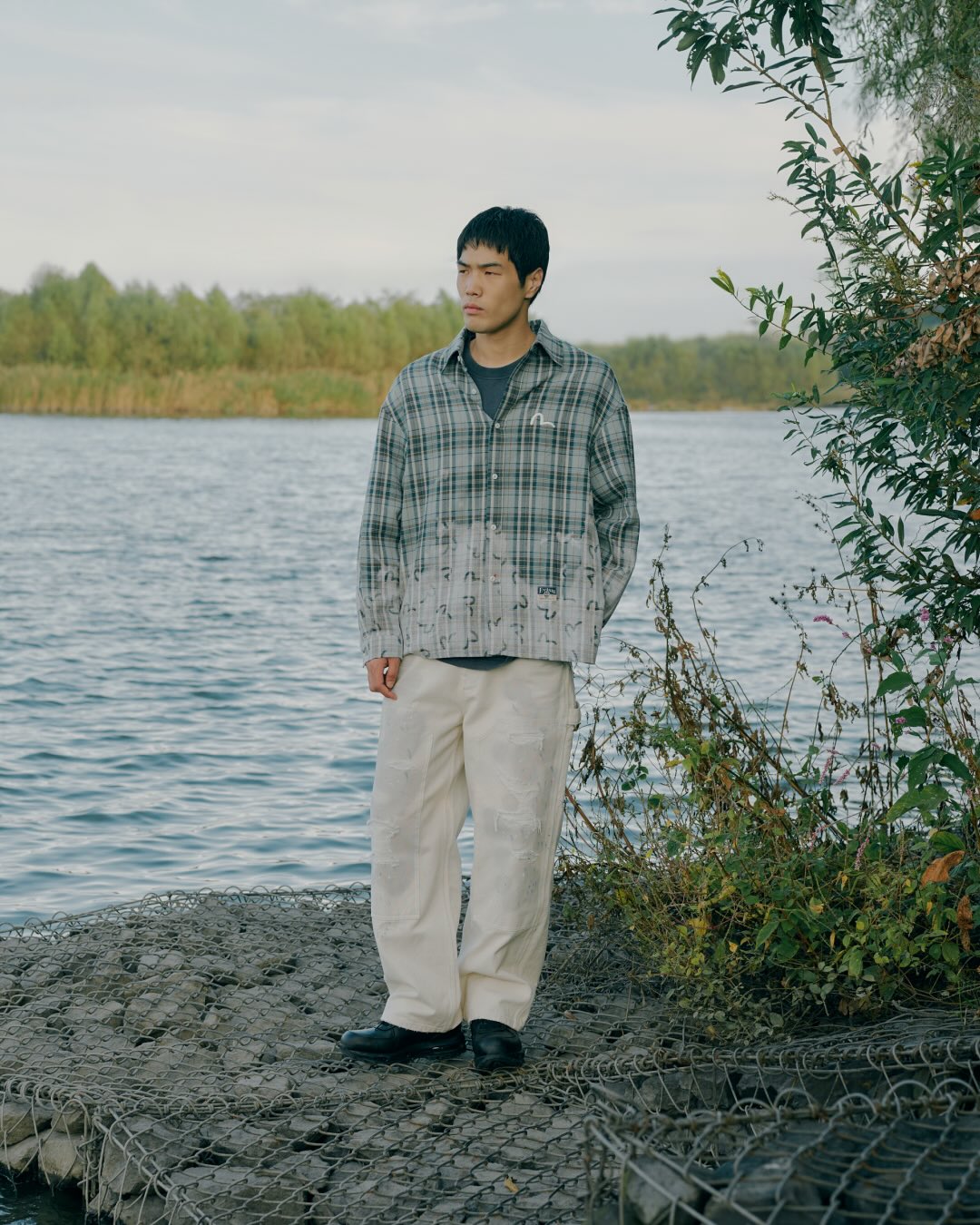
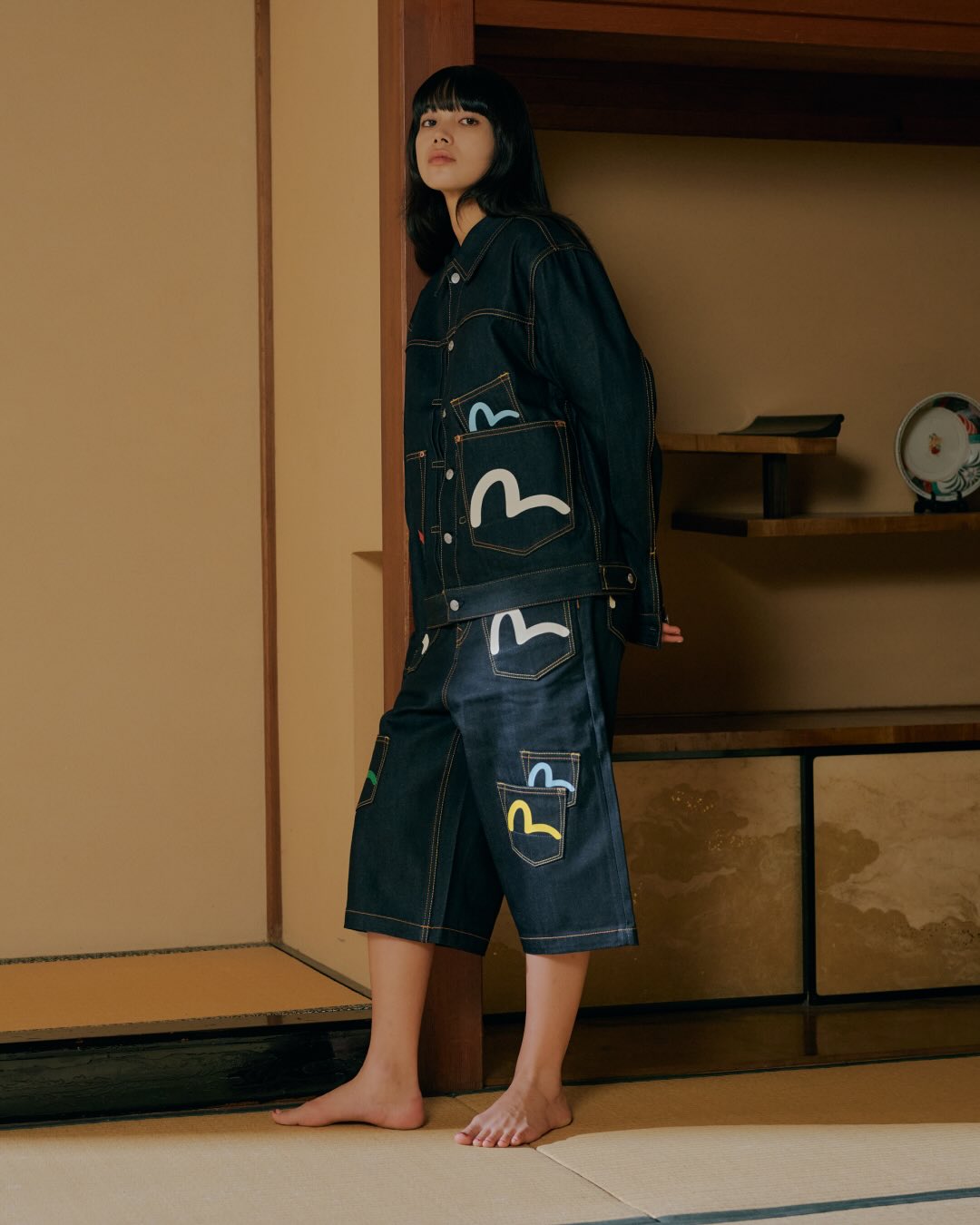
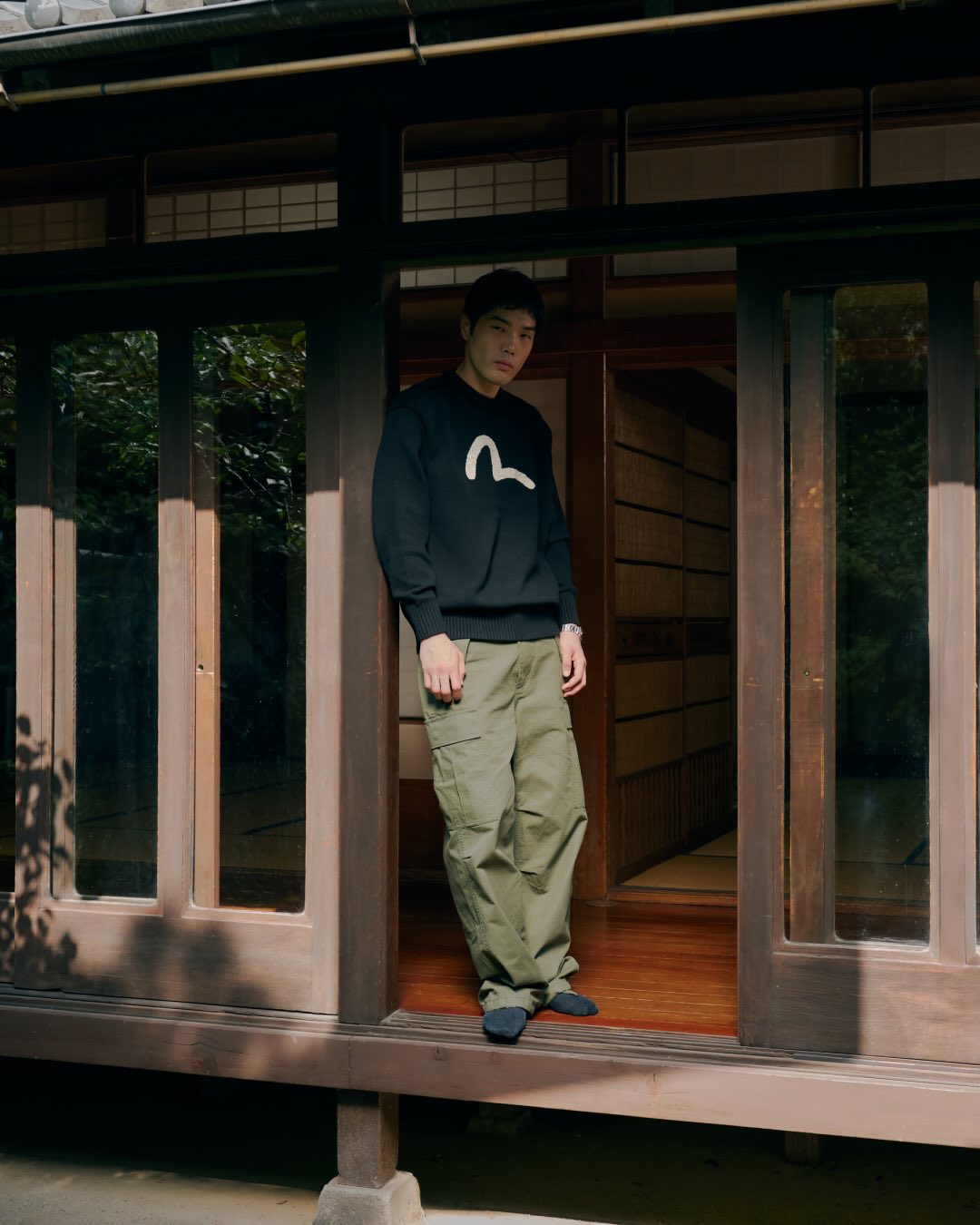
Evisu's Autumn Winter 2026 collection was photographed across rural Saitama by Tomoaki Shimoyama and styled by Joy Inagawa, pairing heavily washed indigo denim and workwear with tatami floors, paper walls, porcelain and calligraphy. Pieces include barrel legged three quarter shorts, double knee utility pants and padded bomber jackets, all with the seagull logo.
Key Points
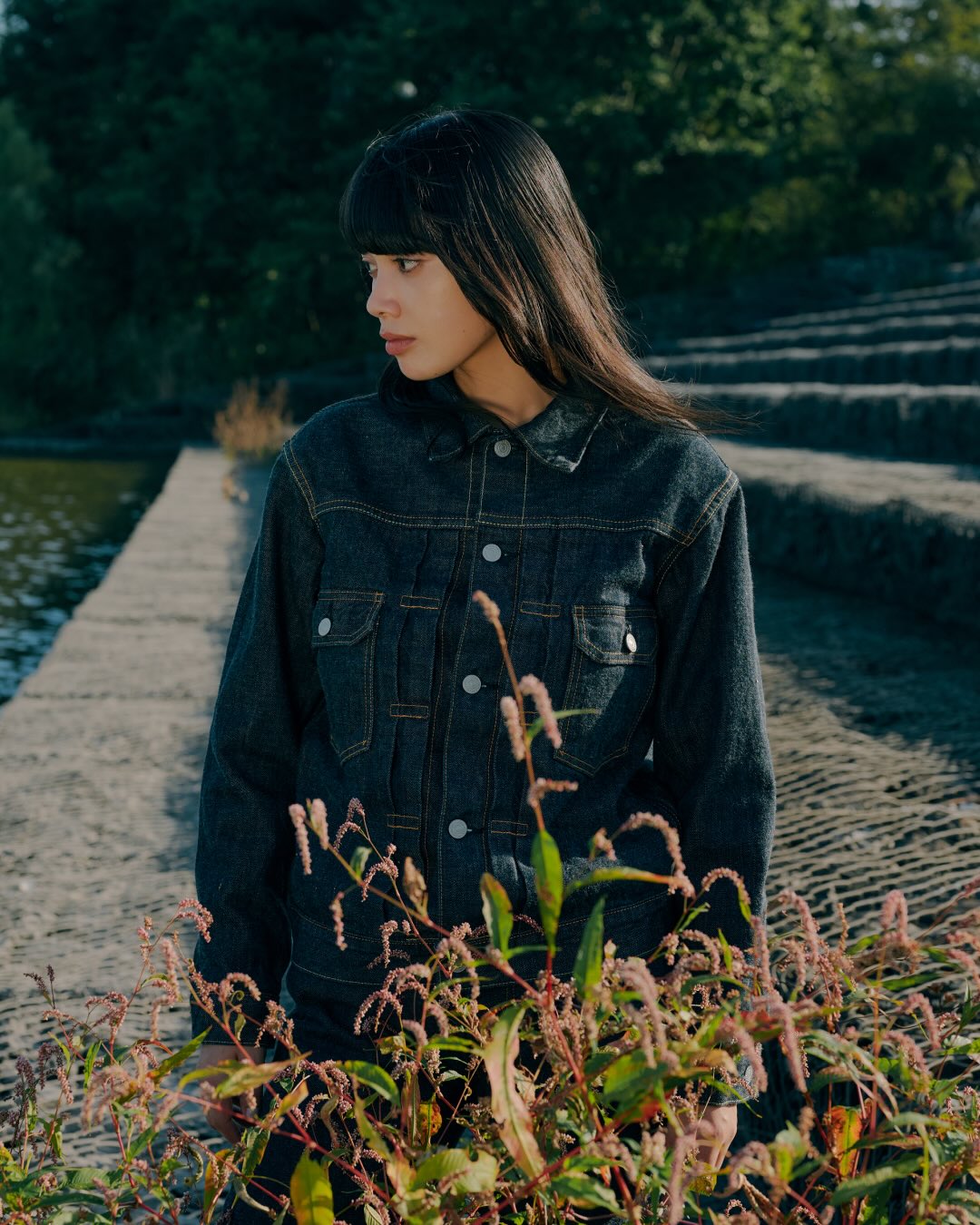
- Tomoaki Shimoyama shot the AW26 editorial across rural Saitama, using lakes, marshes and paper walls.
- Joy Inagawa styled barrel legged three quarter shorts, double knee utility pants and padded bombers.
- Evisu was founded in Osaka in 1991 by Hidehiko Yamane; AW26 is its 35th anniversary year.
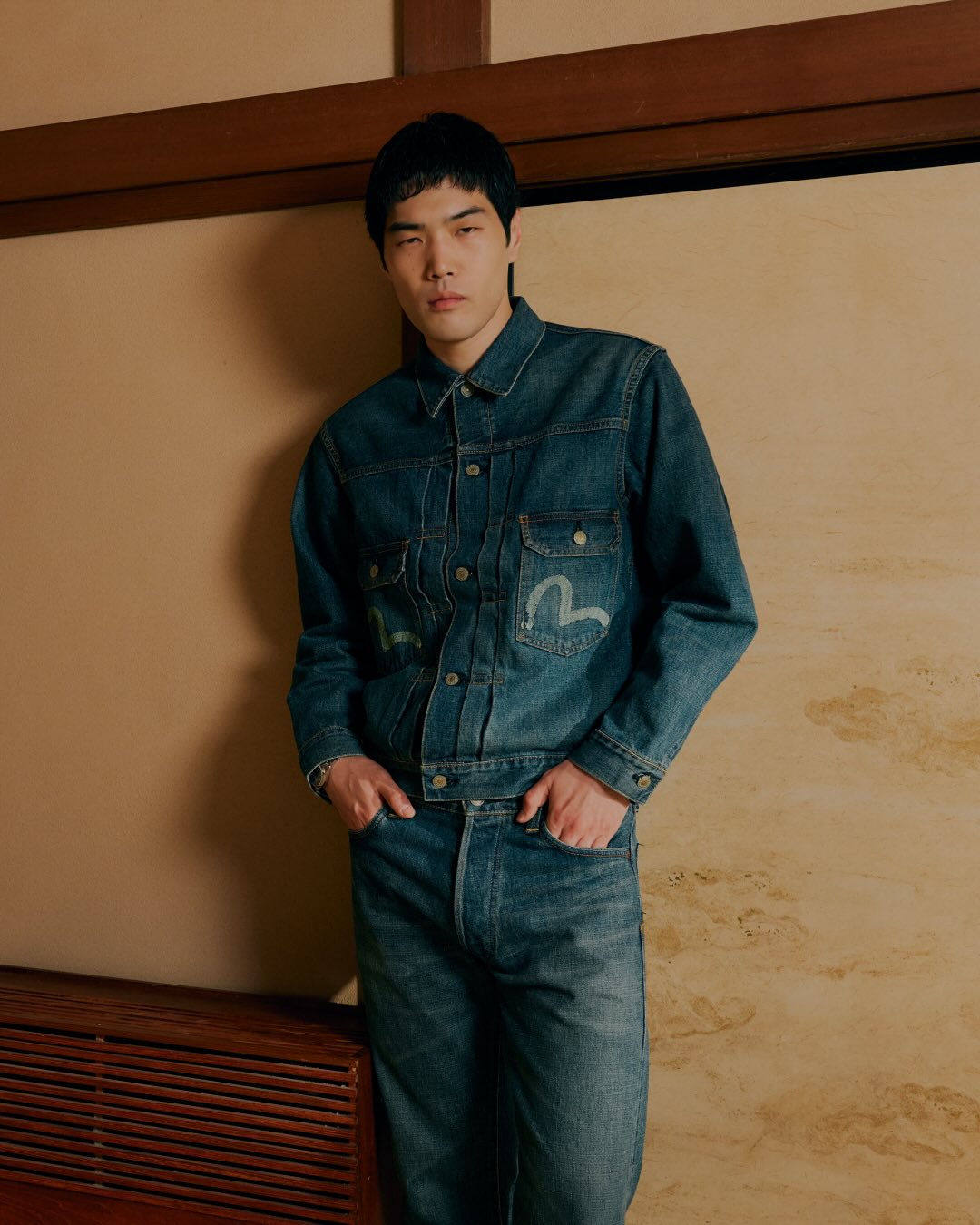
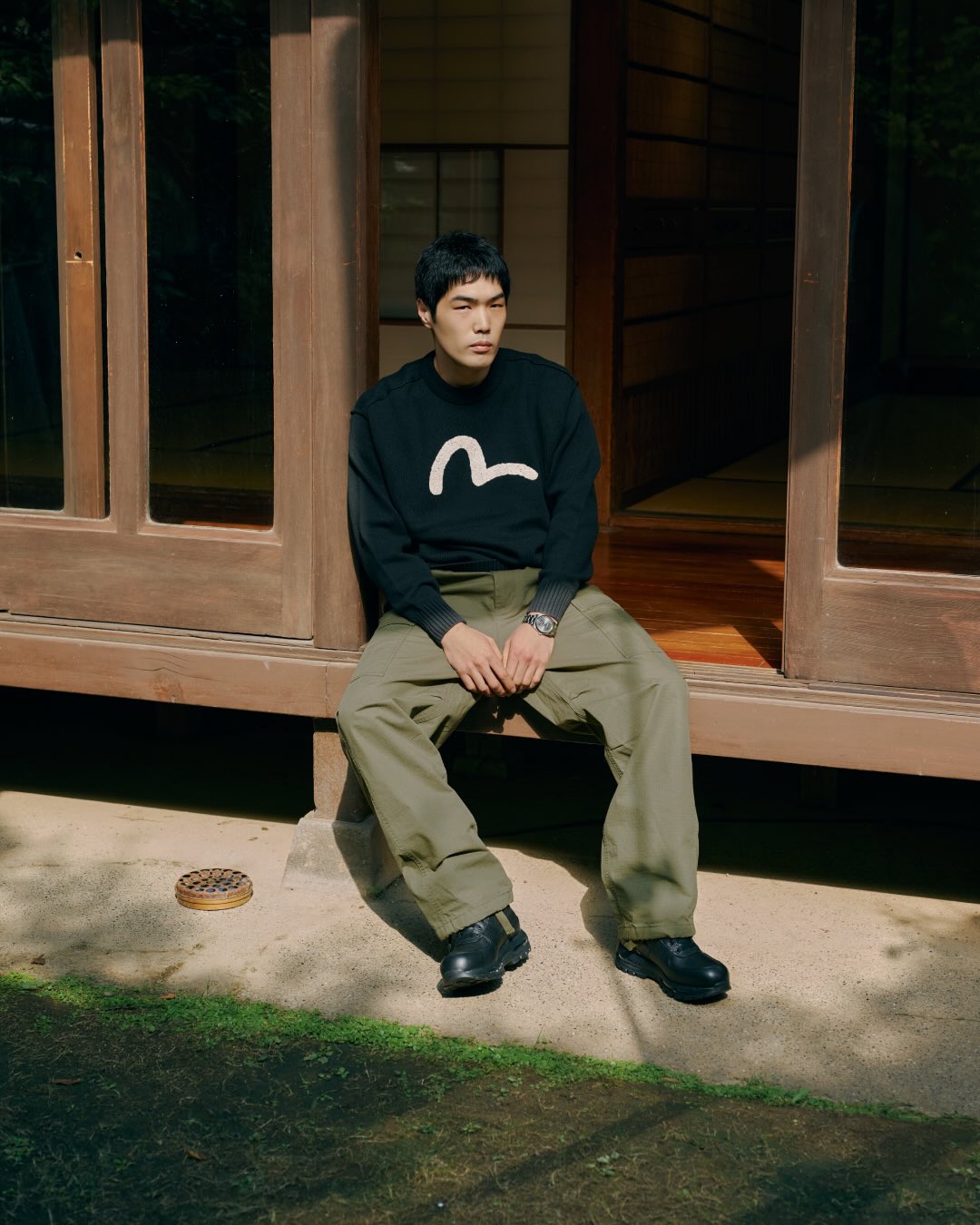
Evisu's Autumn Winter 2026 collection was shot across rural Saitama by the photographer Tomoaki Shimoyama, and the setting does as much work as the clothes: indigo denim against lake water, marsh, paper walls and tatami floors. Stylist Joy Inagawa dressed each outfit in workwear's lasting visual cues with a modern edge, and the pictures make a case that a 35 year old Osaka denim label can sit in a farmhouse without looking like a costume.
Indigo Against Paper Walls and Tatami Floors
Shimoyama's editorial uses countryside lakes, marshes and traditional paper walls and doors as its backdrops, and the setting makes the indigo dye the loudest colour in each frame. The garments are casual in cut. Put them on tatami floors and the contrast should jar; here it reads as calm, because the dye is the one element every location shares.
Inagawa's styling carries the argument. Barrel legged three quarter shorts and oversized jackets sit in the frames next to porcelain tableware and calligraphy art, so the clothes are shown as objects in a room as much as outfits on a body. That is a styling decision with a point: Evisu's pitch has always been that denim is a craft material, and craft materials belong next to other craft.
Saitama is the prefecture north of Tokyo, and rural Saitama is a long way from the Osaka streets where the label began. The choice moves Evisu out of the city for a season and into the countryside the fabric's colour comes from.
Heavy Wash, Natural Creasing and Honeycomb Details
The AW26 pieces are finished with heavy washing, natural creasing, honeycomb details and the seagull logo, a combination aimed at a timeless vintage look. Heavy washing breaks the dye in early; natural creasing means the fold lines are part of the finish rather than something the wearer earns; honeycomb details are the wear marks denim buyers read as age. The point of the finish is that the garment looks lived in before it leaves the shop.
Silhouette does the rest. The shorts are barrel legged and cut to three quarter length, the jackets are oversized, and the trousers are double knee utility pants, a workwear spec that adds a second layer of fabric over the knee. Oxford shirts and padded bomber jackets fill out the range with classic elegance and, in the editorial's own terms, working function.
Last winter's range ran the same logic with different pieces. Evisu's FW25 collection, built around the fighter Kota Miura, carried a padded Souvenir jacket in vintage velvet and jeans with Daicock print and wave embroidery, according to Hypebeast. This season the padding moves to a bomber and the loudest graphic is the countryside.
Fourteen Pairs a Day, 1991
Hidehiko Yamane founded Evisu in Osaka in 1991, and early production was tiny, reported at about 14 pairs of jeans a day, with Yamane painting the seagull on the back pockets himself. The gull is called kamome in Japanese, and it stayed the label's signature long after the painting gave way to machines; the AW26 pieces still carry it. Accounts differ on the name: it is usually linked to Ebisu, the Japanese god of luck and fishermen, and one history says the label began as Evis before a U was added.
The brand has spent 2026 on its 35th anniversary, and the year has pulled it in two directions. In March, Palace Skateboards and Evisu released a 23 piece capsule of 13 ounce selvedge denim, their fifth collaboration, which carried the Daicock seagull through a London skate lens. The Saitama editorial pulls the other way. Where Palace took Evisu abroad, Shimoyama and Inagawa take it somewhere quiet and domestic, and the same indigo reads differently in each place.
The category around it is busy. Yohji Yamamoto's adidas line revived denim for Fall 2026 after a decade away, and Kapital named its Century denim Bizen and Karasu. Against that, Evisu can point to a founder who worked at a rate of 14 pairs a day and a seagull that began as a hand painted mark. The AW26 range keeps both facts in view: the gull is on the garments, and the heavy wash and creasing are there to make new denim look like it has a history.
Last winter Evisu built its campaign around a fighter, and Hypebeast described the result as gritty and post match. This winter's editorial credits a photographer and a stylist and sets the clothes in the countryside.
Frequently Asked Questions
Who shot the Evisu Autumn Winter 2026 editorial?
Photographer Tomoaki Shimoyama shot the editorial across rural Saitama, and Joy Inagawa styled each outfit.
Where was the Evisu AW26 collection photographed?
The editorial was shot in rural Saitama, using countryside lakes, marshes and traditional paper walls and doors as settings.
Who founded Evisu?
Hidehiko Yamane founded Evisu in Osaka in 1991, and its signature is the hand painted seagull logo.
Topics: indigo, hypebeast, seagull-logo, saitama, japanese-denim, palace, y-3, joy-inagawa, autumn-winter-2026, evisu, tomoaki-shimoyama, yohji yamamoto, yohji-yamamoto, workwear, evisu-aw26