Daniel Arsham Wall Excavation Carved 300 Feet of Walls Into a Human Form
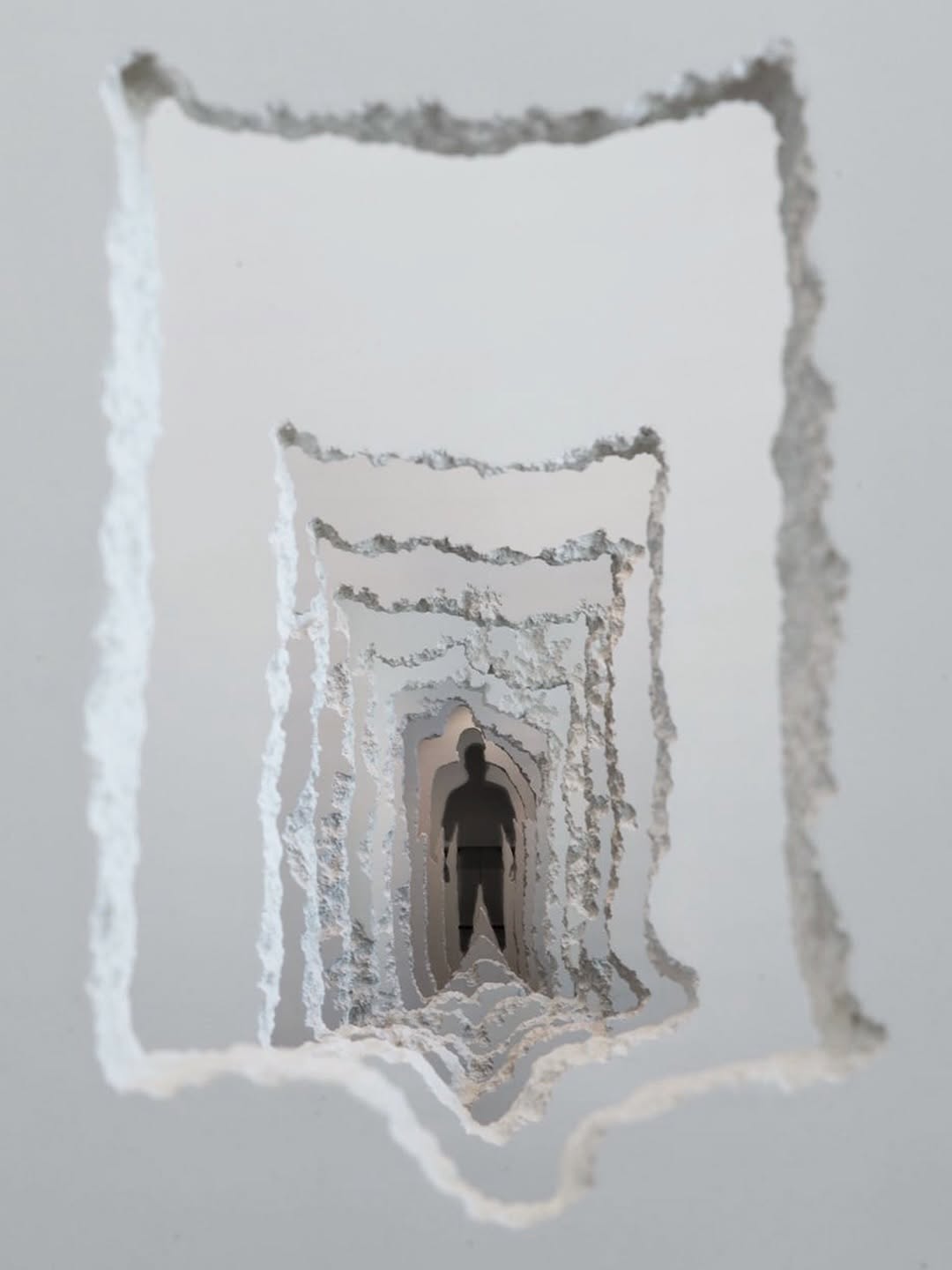
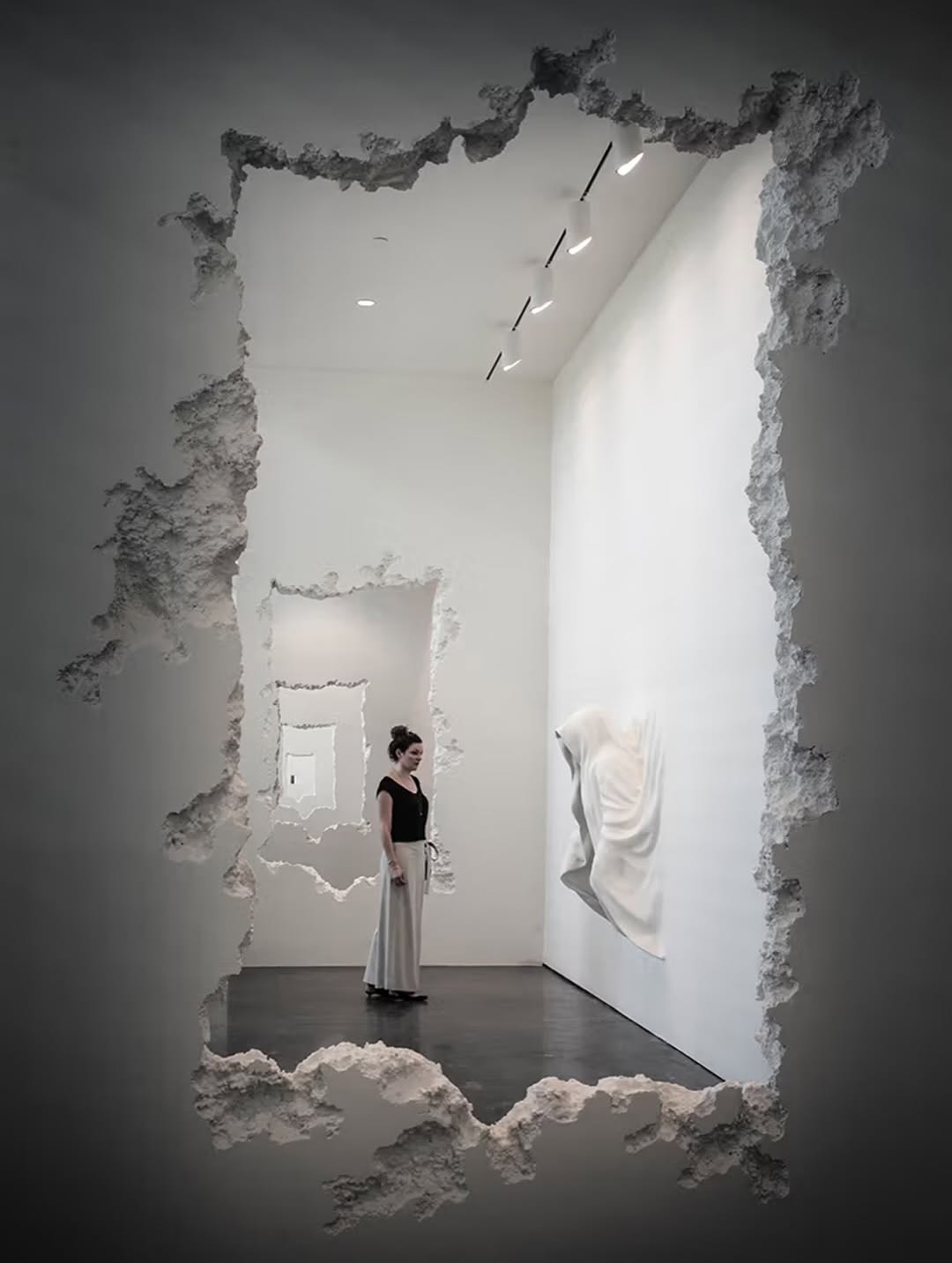
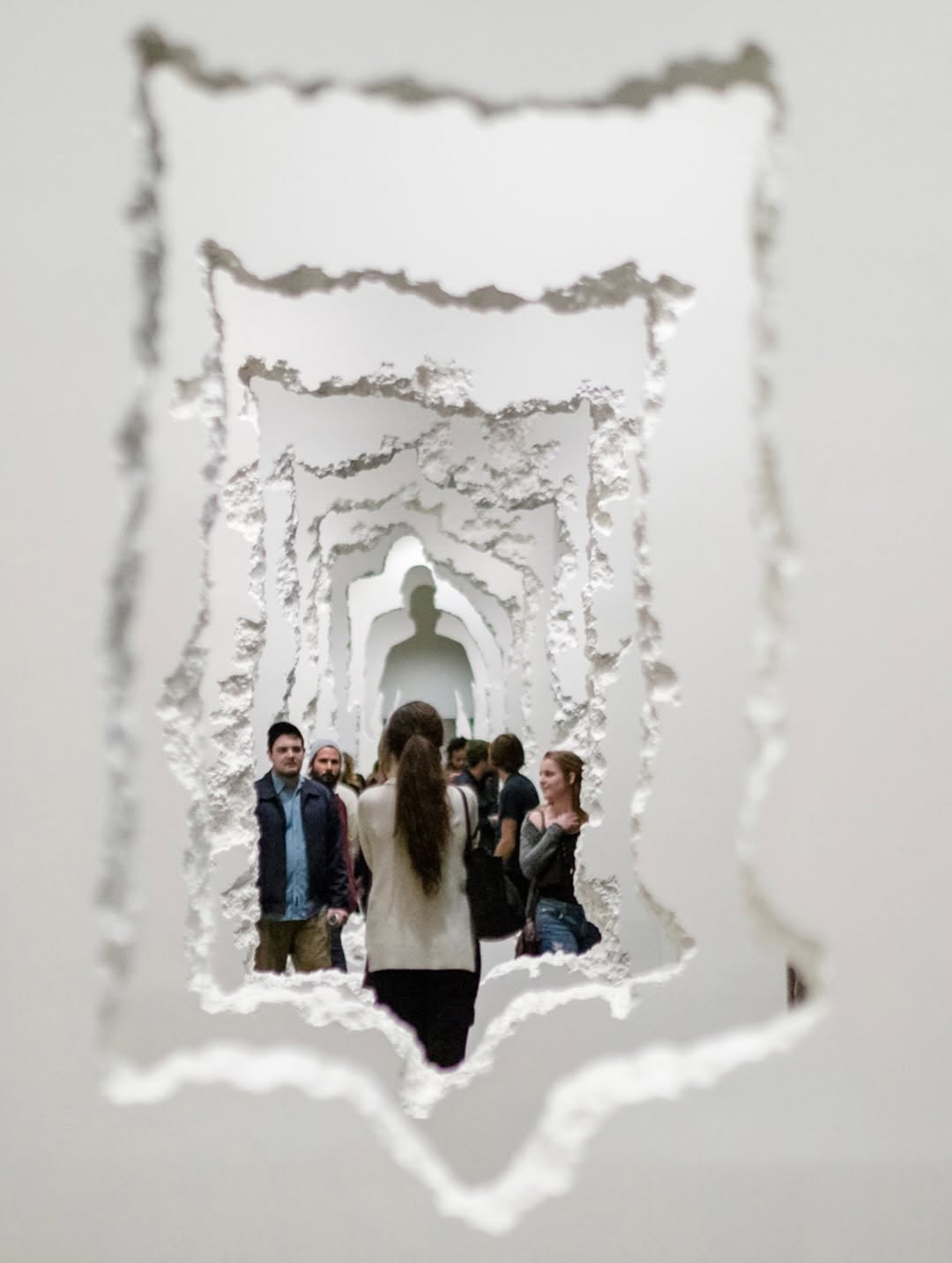
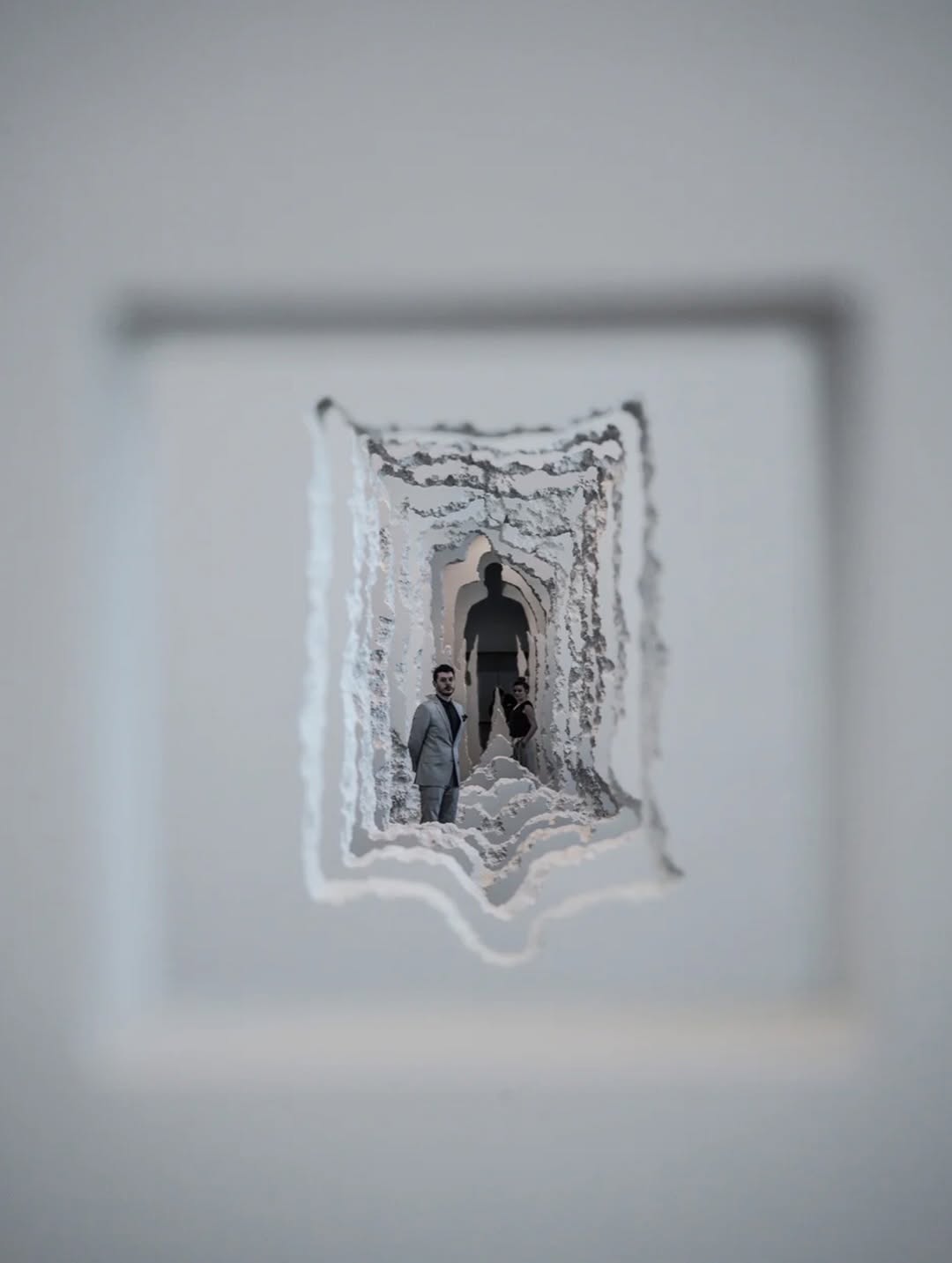
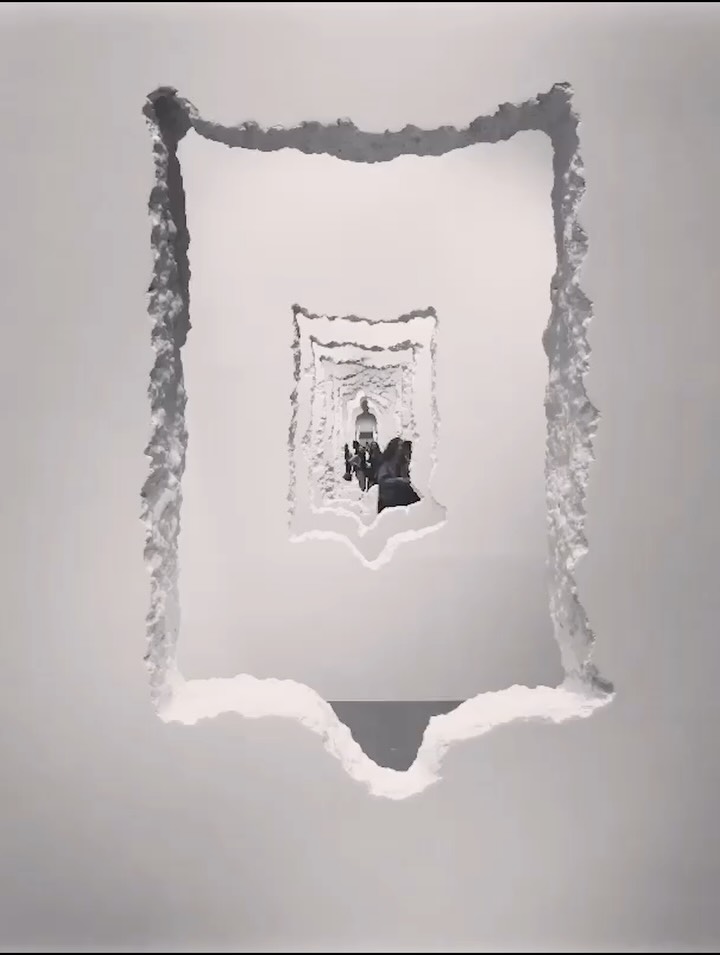
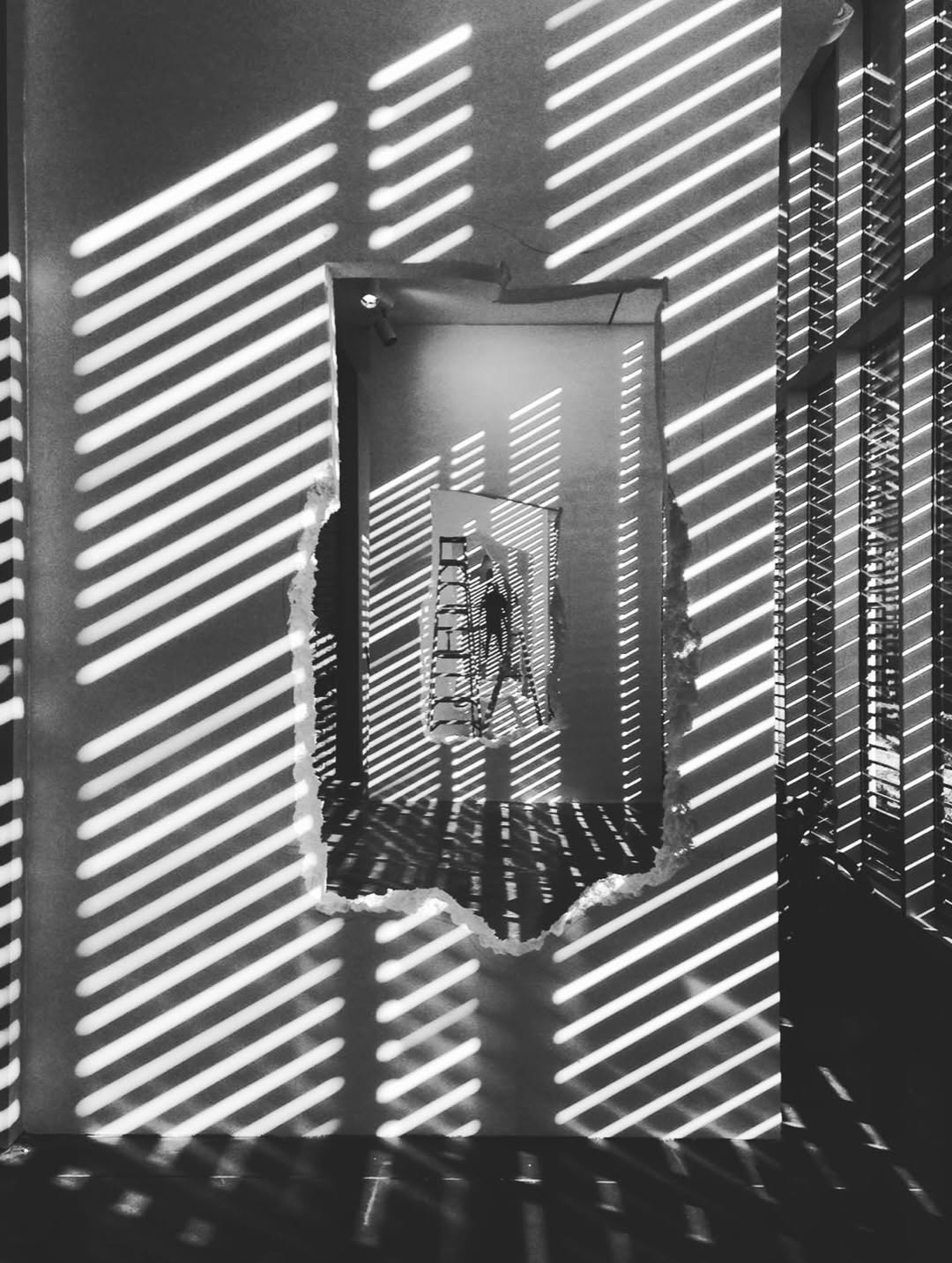
Daniel Arsham's Wall Excavation (2016) is a 300 foot sequence of constructed walls carved into the outline of a human figure. The work, now revisited through Arsham Studio Archive, places viewers inside the erosion path and operates in the lineage of Gordon Matta Clark's architectural subtraction.
Key Points
- 300 foot wall sequence carved into a human silhouette in 2016
- Operates in Gordon Matta Clark lineage but inverts the subtraction logic
- Arsham Studio Archive on Instagram functions as both catalog and market tool
300 Feet of Constructed Walls. One Continuous Path. One Human Outline.
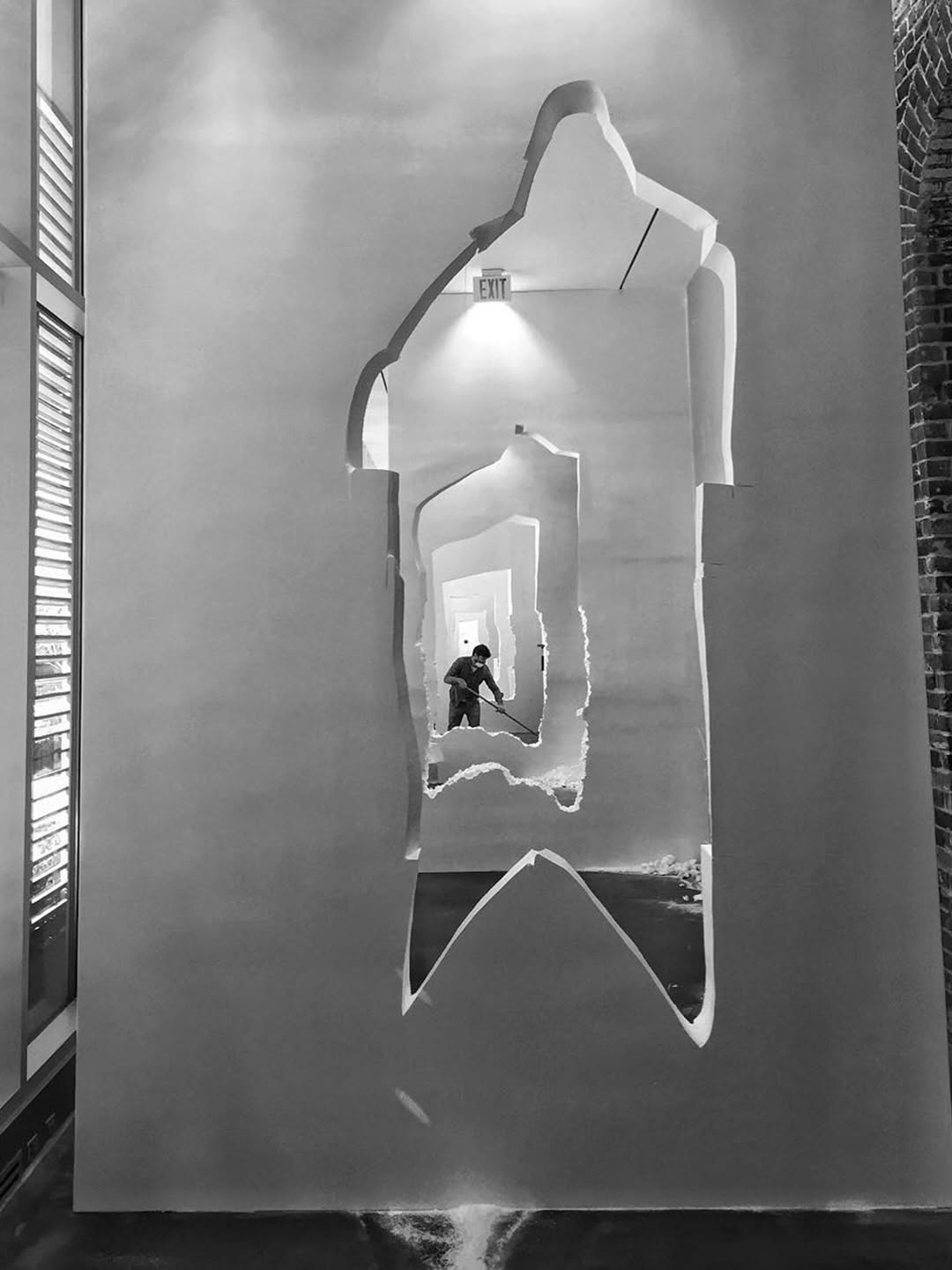
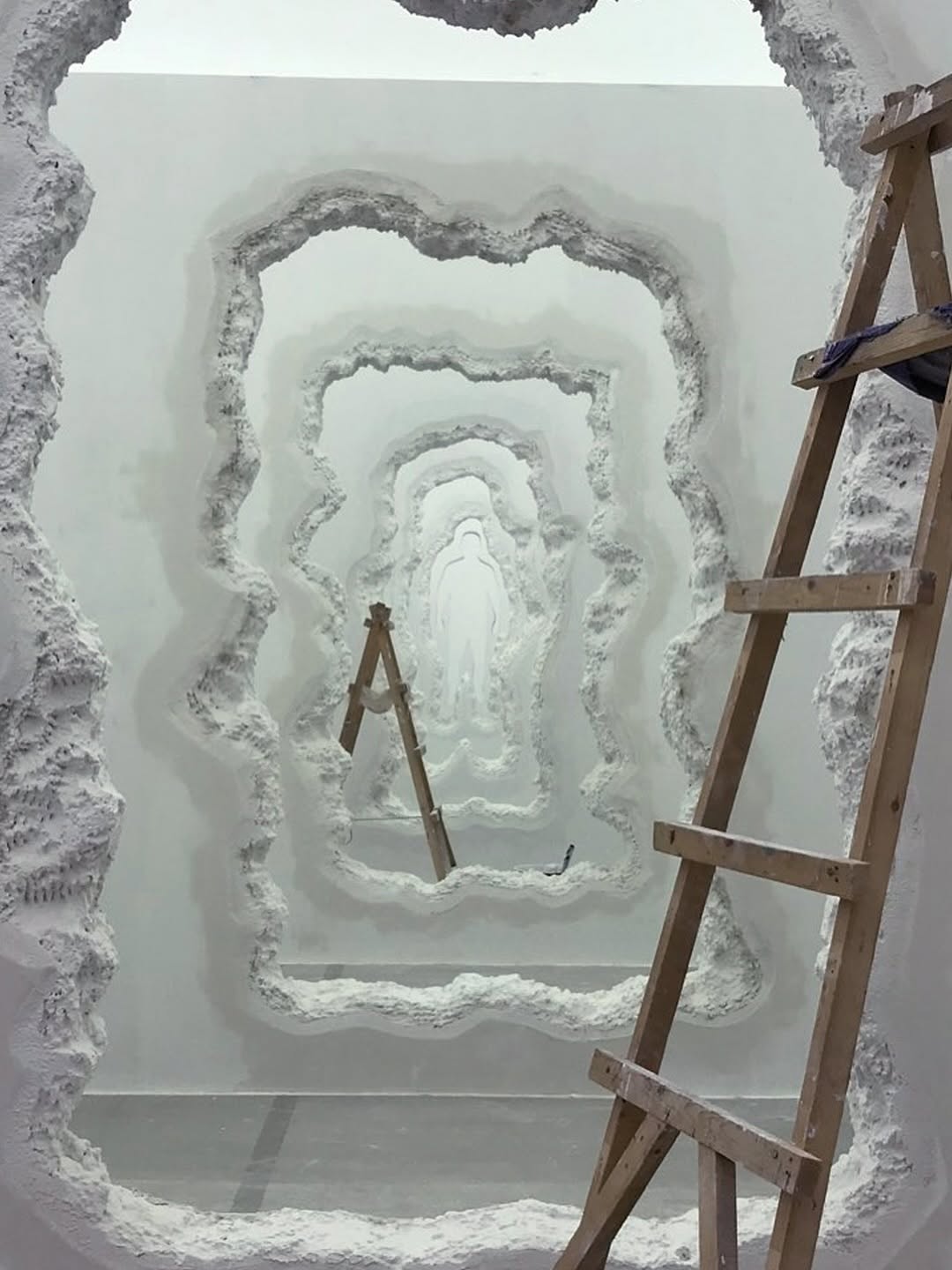
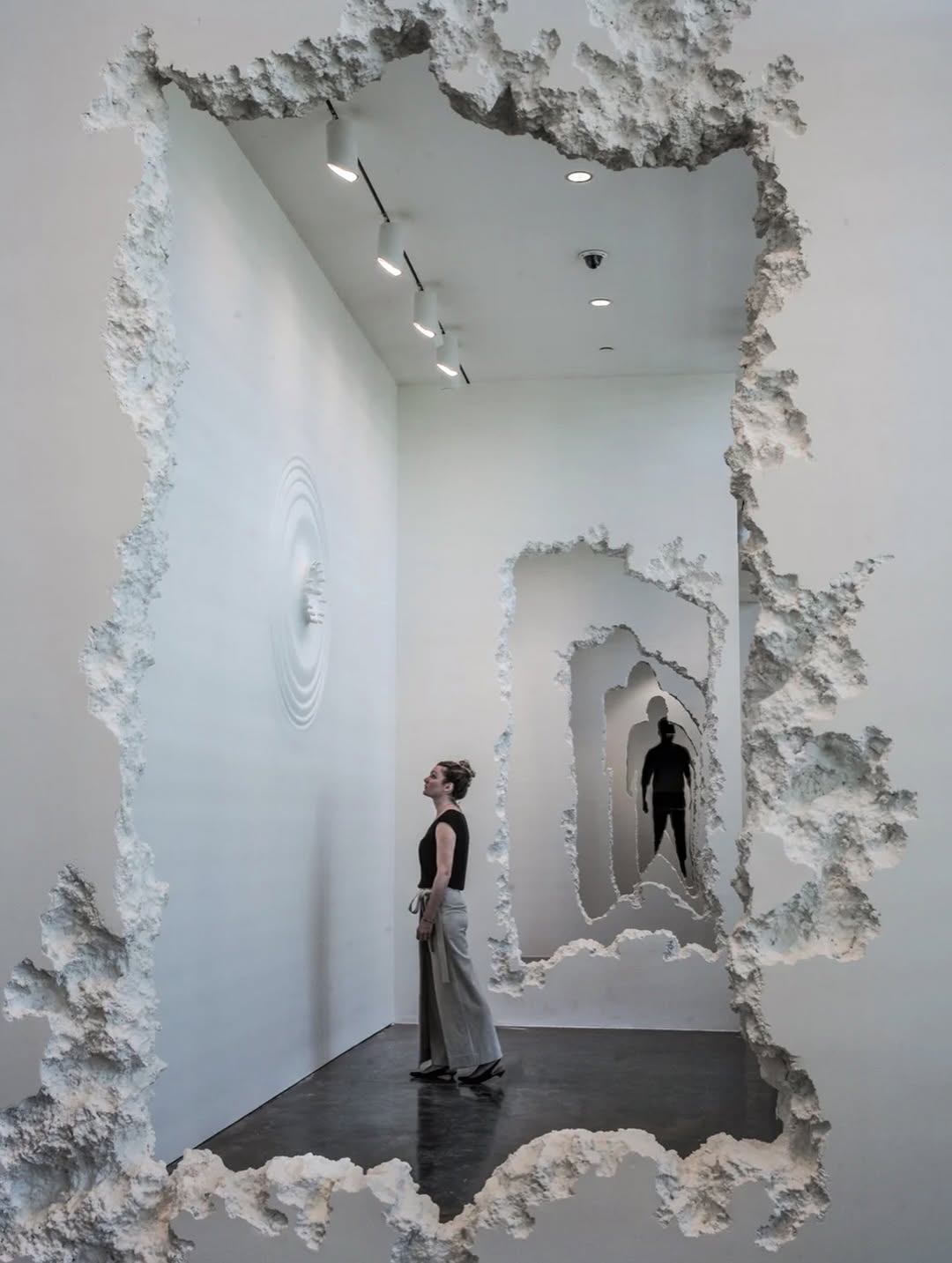
Daniel Arsham built Wall Excavation in 2016 as a 300 foot sequence of walls that are progressively carved away until the remaining material resolves into the silhouette of a human figure. The viewer walks through the excavation, moving from solid architecture to negative space, and the transition happens so gradually that you do not realize you are inside the outline of a body until you are already past the midpoint. Arsham describes the work as exploring "the relationship between the human body and the architecture it inhabits." That description is accurate but understates the physical experience.
The Construction Cost Is the First Story. Building Walls to Destroy Them Is Expensive.
Wall Excavation required constructing walls specifically to carve them. That means Arsham's studio built full scale architectural partitions, finished them, and then systematically removed material to create the path. The labor runs in both directions: construction trades build the walls; sculptors carve them. The material waste is intentional. Every piece of drywall and timber that was removed to form the human outline became debris that Arsham treated as evidence. In his framework, the debris is not waste; it is an archaeological record of the subtraction process.
"Absence Becomes Evidence of Presence." Arsham Is Working From Gordon Matta Clark.
Matta Clark cut buildings in half in the 1970s. His "Splitting" (1974) sawed a house in Englewood, New Jersey into two halves separated by a one inch gap. Arsham's Wall Excavation operates in the same lineage but inverts the gesture. Matta Clark subtracted from existing architecture. Arsham constructs architecture specifically to subtract from it. The difference matters: Matta Clark's work was about destruction as revelation; Arsham's is about construction as a prelude to erosion. Both artists treat buildings as sculptural material rather than functional shelter, but Arsham adds the human figure as the organizing principle.
The Viewer Stands Inside the Timeline. That Is the Installation's Structural Argument.
Wall Excavation places the viewer physically inside the transformation. You are not observing erosion from outside; you are walking through the erosion path. Your body occupies the same space that was carved to create the outline. This spatial strategy makes the viewer complicit in the work. You cannot see the full human silhouette from inside; you can only see it from above or from either end. From inside, you see walls that progressively thin and fragment. The information about what you are standing inside is available only after you exit.
Arsham Studio Archive: The Instagram Strategy That Builds Secondary Market Value.
Arsham is revisiting Wall Excavation through his Studio Archive series on Instagram, a format he uses to resurface historical works with contextual text. The purpose is dual: cultural documentation and market positioning. By reintroducing a 2016 work to his 1.8 million followers, Arsham keeps the installation in circulation without producing new work. For collectors, the Studio Archive posts function as provenance documentation. For institutions, they function as exhibition proposals. Arsham treats his Instagram as a publishing platform, and each Archive post is a page in a catalog that never closes.
2016 Was Before the Erosion Brand. Wall Excavation Predates the Calcified Objects.
Arsham's current commercial profile relies on his eroded objects: calcified cameras, crystallized basketballs, volcanic ash Porsches. Wall Excavation predates that brand identity. In 2016, Arsham was still working primarily in architectural intervention and performance. The shift to object based erosion came later and proved more commercially scalable. Wall Excavation remains the more ambitious work. A 300 foot installation cannot be collected, shipped, or resold. It exists only in documentation and memory, which is exactly the kind of impermanence Arsham claims to investigate.
Related Reading
- Daniel Arsham Cast the W124 Steering Wheel Four Times in 2015
- Daniel Arsham Made Six Car Keys From Geological Materials in 2023
- Daniel Arsham Turned Two Hollow Heads Into a Walkable Architecture
Frequently Asked Questions
What is Daniel Arsham Wall Excavation?
Wall Excavation is a 2016 installation where Arsham built a 300 foot sequence of walls and progressively carved them to reveal the silhouette of a human figure.
Where was Daniel Arsham Wall Excavation shown?
The installation was created in 2016 as a site specific work, now being revisited through Arsham Studio Archive on Instagram.
What art movement is Daniel Arsham Wall Excavation related to?
Wall Excavation follows the lineage of Gordon Matta Clark architectural interventions, specifically the practice of treating buildings as sculptural material.
Topics: gordon-matta-clark, contemporary-art, architecture, arsham-studio, sculpture, installation-art, daniel arsham, wall-excavation, daniel-arsham