WHY PORSCHE'S TYPE 7 IS SHOWING YOU A WAREHOUSE
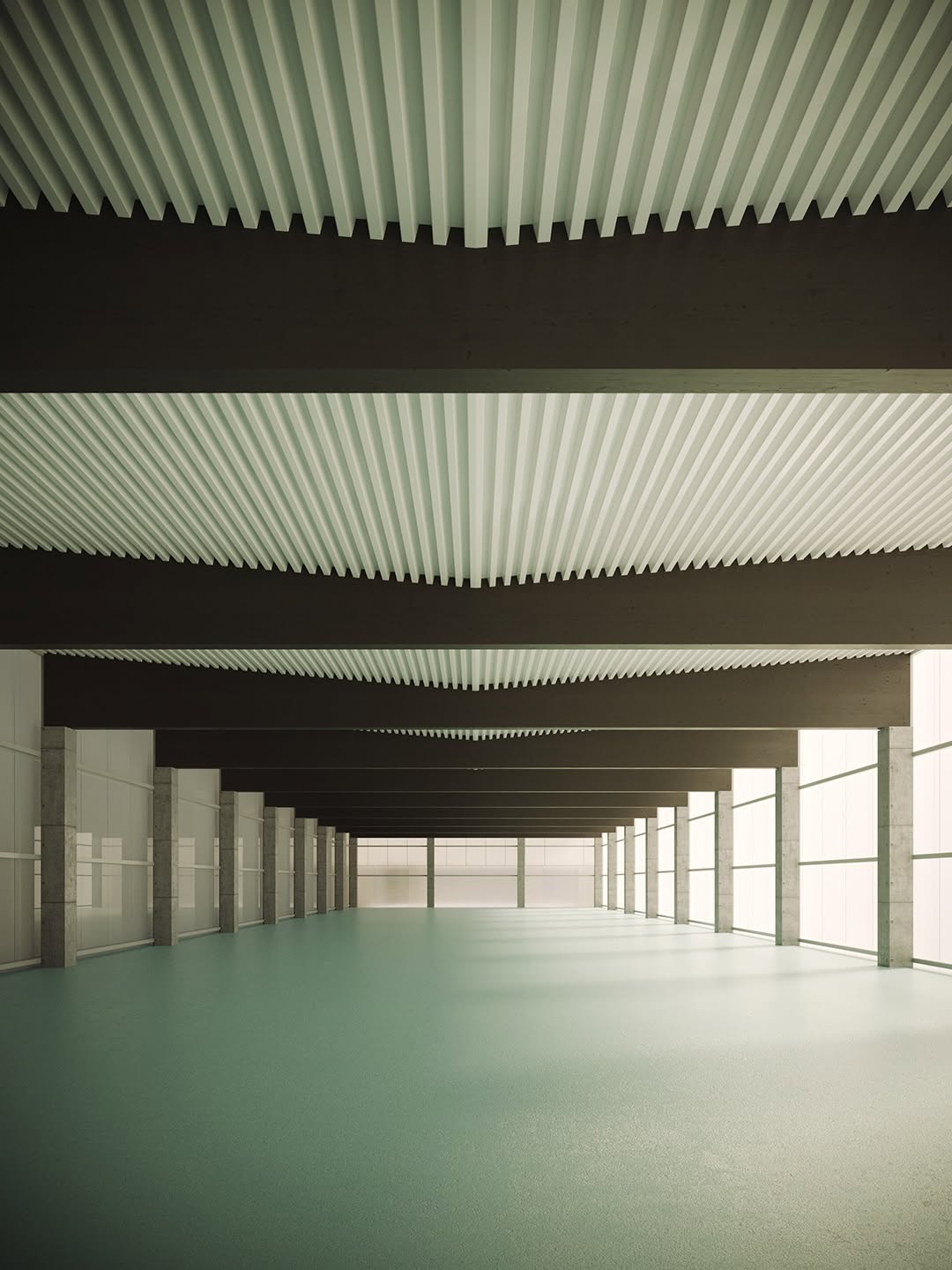
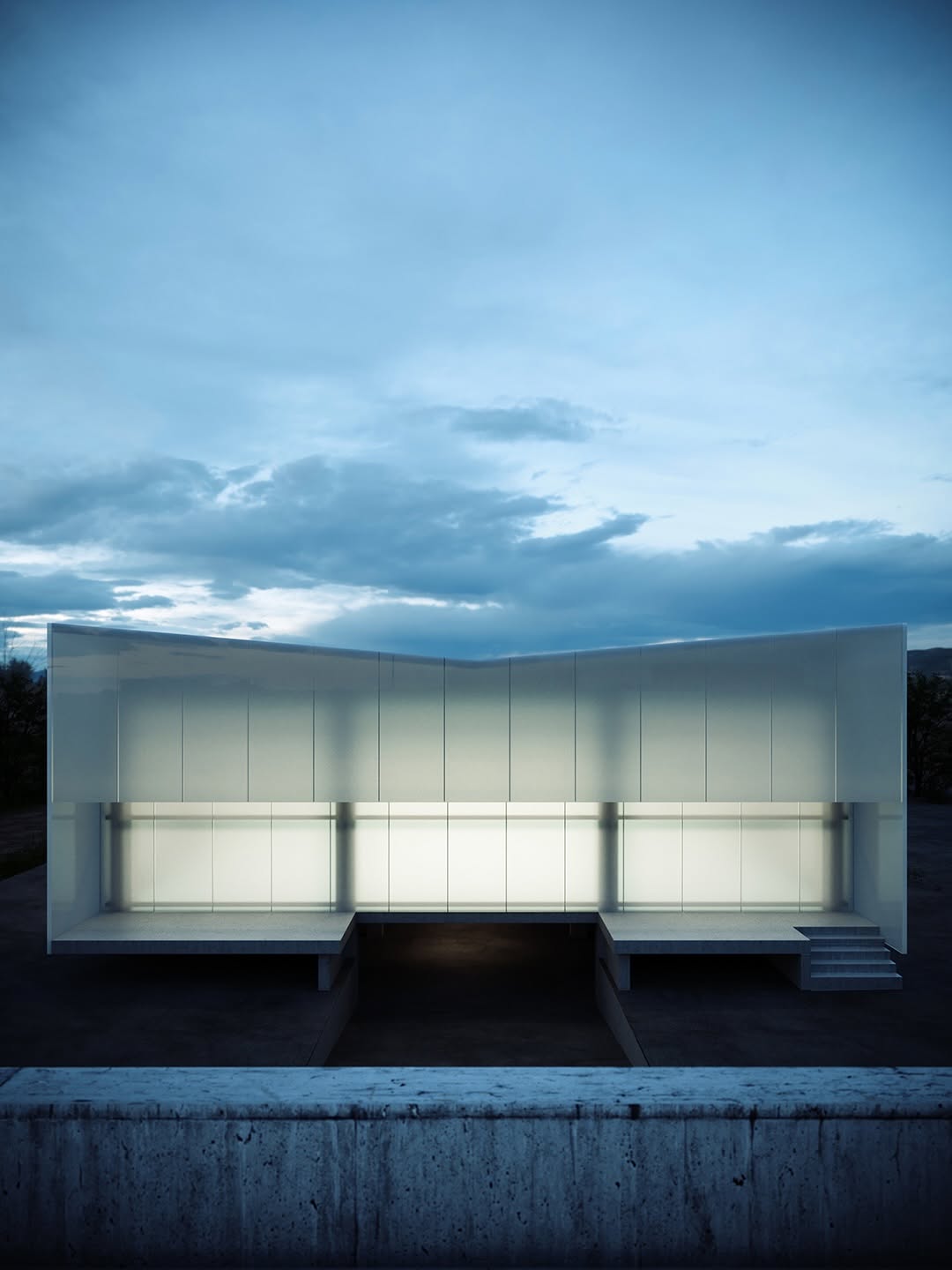
Porsche's youth facing media label Type 7 spotlit a glowing polycarbonate warehouse near Leopoldsdorf outside Vienna, designed by Steiner Architecture f/f, the practice co-owned by Ferdinand Porsche. The building is real architecture, but the point is Porsche building taste and long term brand affinity with young audiences rather than selling cars directly.
Key Points
- Type 7 is Porsche's youth focused media sub-label covering cars, art, architecture, and collector culture.
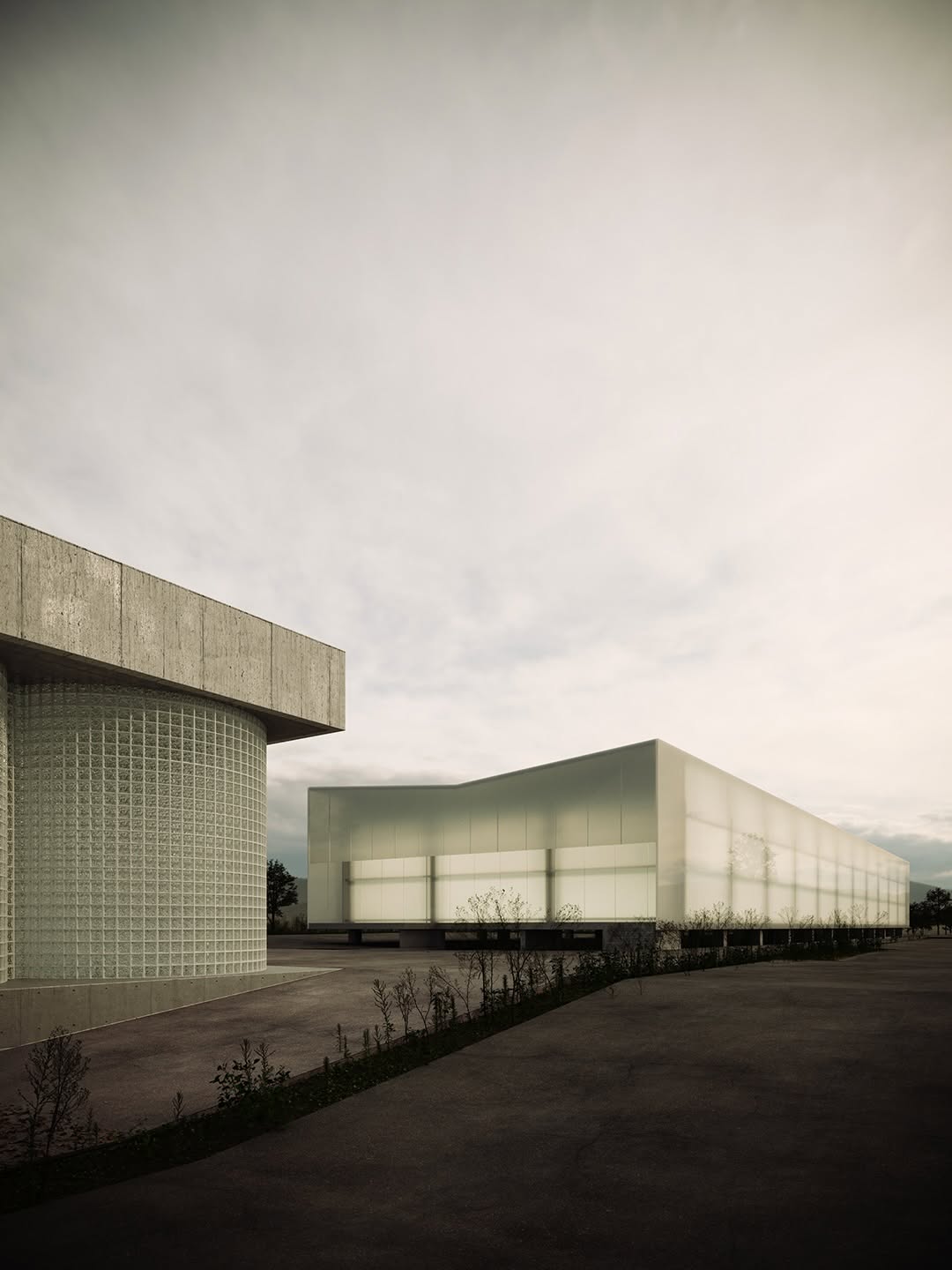
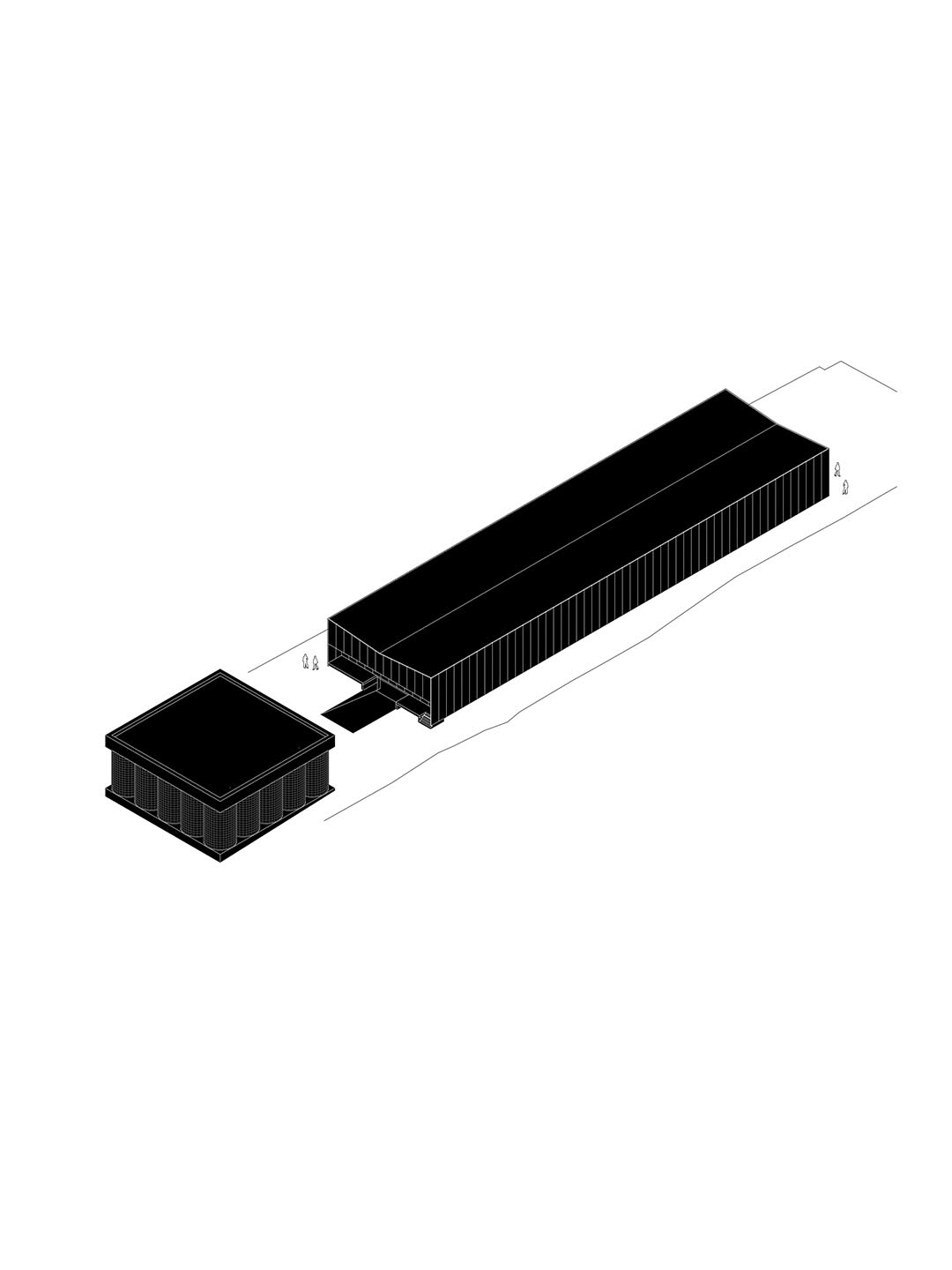
- The featured building is a translucent polycarbonate warehouse near Leopoldsdorf by Steiner Architecture f/f, co-owned by Ferdinand Porsche, sitting beside a private sportscars museum.
- The strategy is patient brand building: earn young attention through taste rather than direct car ads.
A car company just spent your attention on a warehouse.
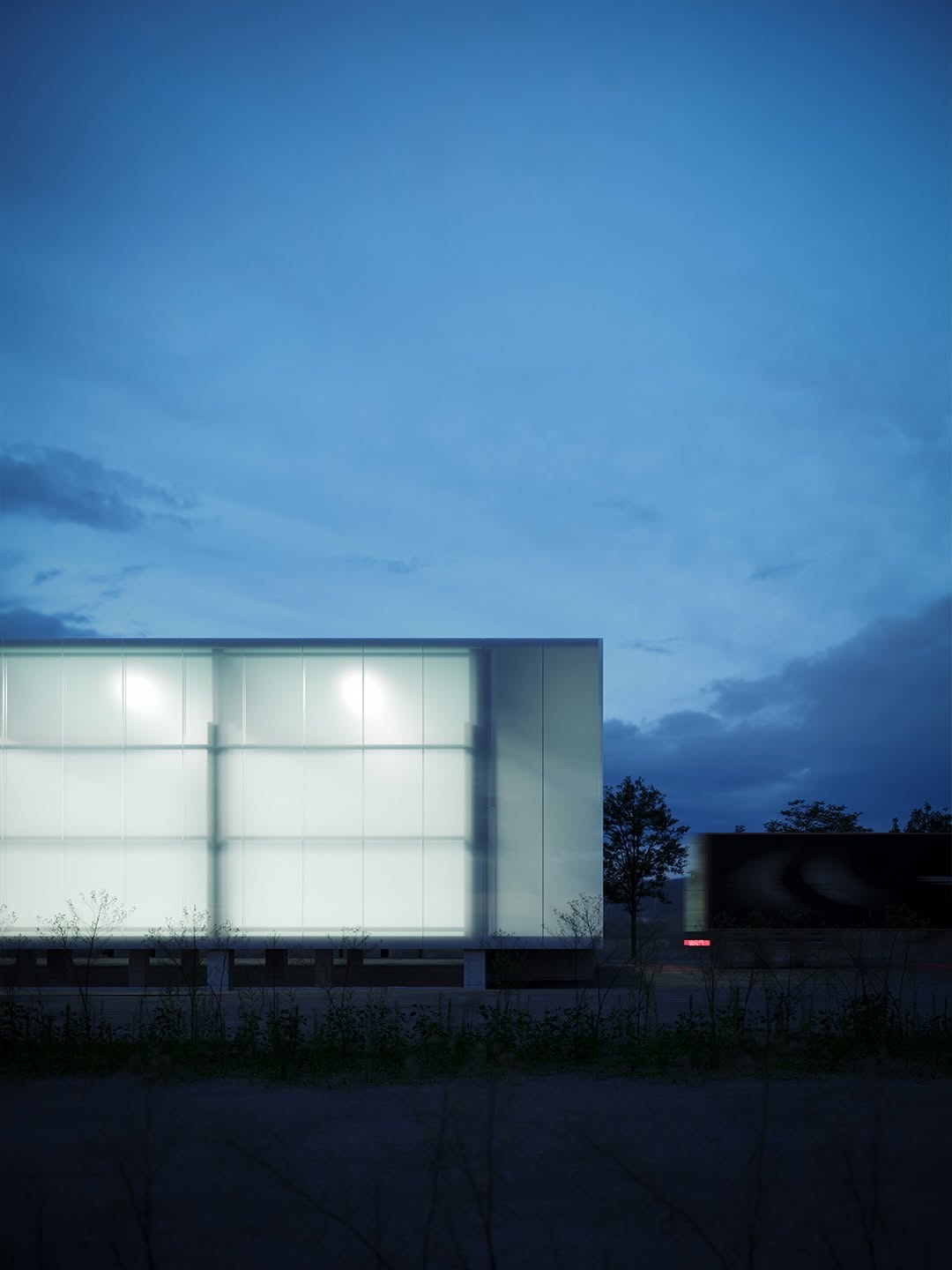
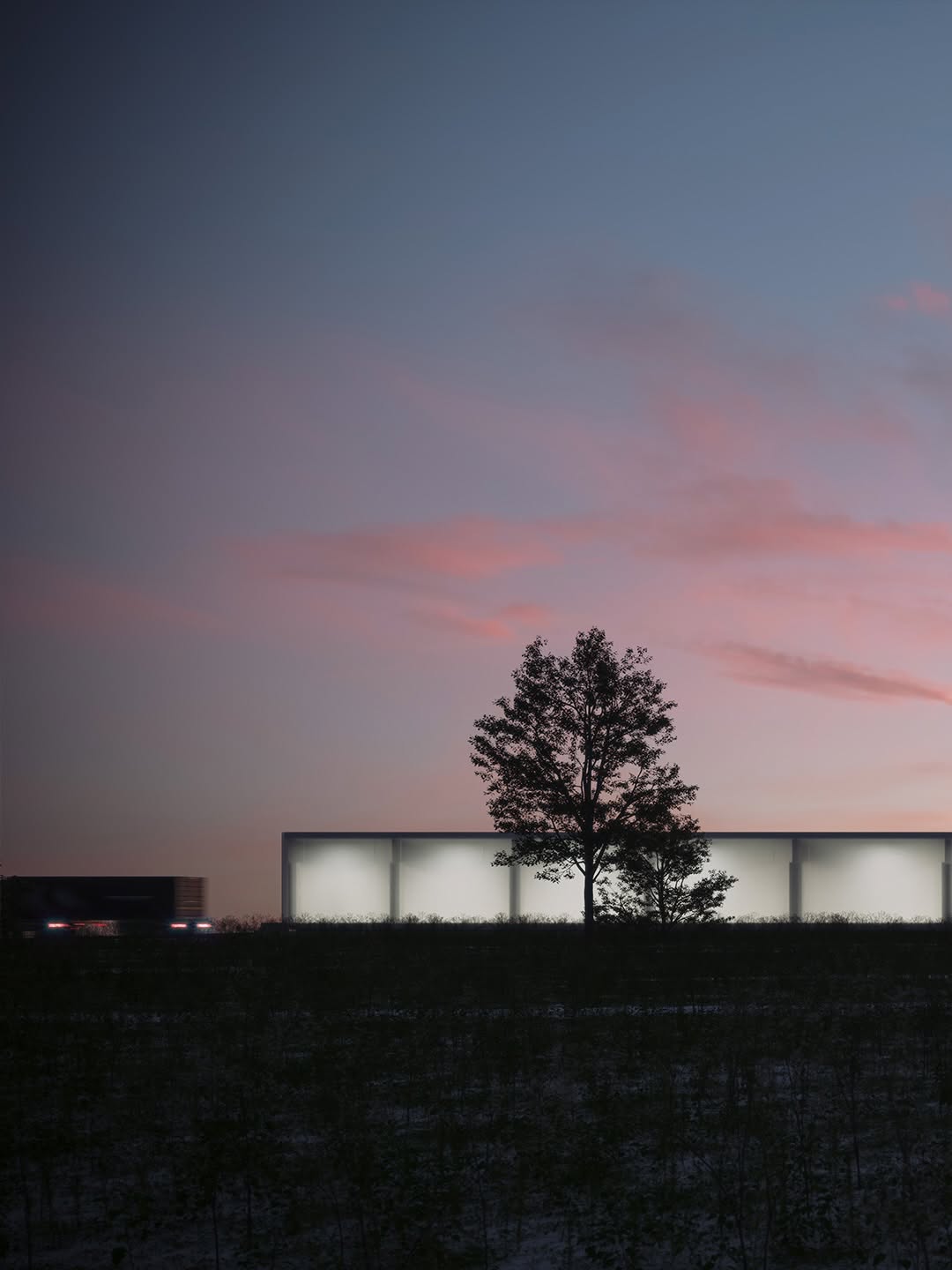
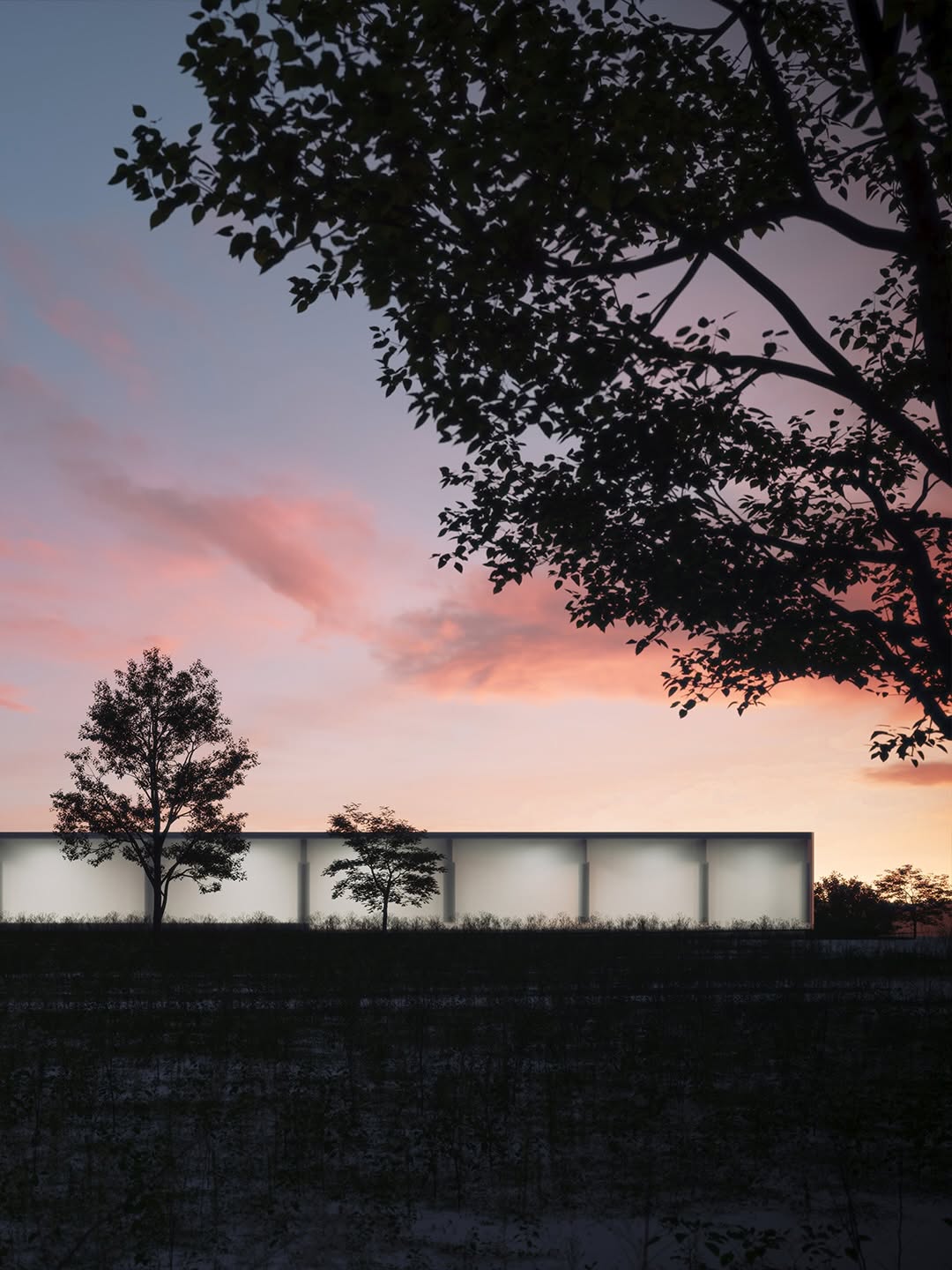
Twenty minutes outside Vienna, on a flat field near Leopoldsdorf, there is a long pavilion wrapped in milky polycarbonate that glows at dusk like a paper lantern the size of a building. It is, technically, a warehouse. And the channel that put it in front of you is owned by Porsche.
The thesis. Type 7, Porsche's youth facing media label, is not really showing you a building. It is teaching you how to have taste, because taste is the thing that sells the next generation a car.
Type 7 Is Porsche's Long Game On Young Attention
Start with what Type 7 actually is. It began as an underground Instagram project and grew into a sub brand of Porsche, billed as the daily magazine for those who are driven. It covers cars, yes, but also art, architecture, and collector culture, the whole world a certain kind of person wants to belong to.
That is the move. Porsche does not need to sell a 911 to a nineteen year old today. It needs that nineteen year old to associate the brand with the most interesting room in the building for the next twenty years. Type 7 has done this with everything from vintage 962s on track to design objects most car brands would never touch. A glowing warehouse is just the latest entry in the curriculum.
A Polycarbonate Box Designed By A Porsche
The building earns the attention on its own terms. It was designed by Steiner Architecture f/f, the Vienna practice owned by Florian Oberschneider and Ferdinand Porsche, the latter a name you may recognize. The translucent polycarbonate skin floods the interior with daylight and turns the whole structure into a lantern after dark. An elevated loading ramp is built to read as light rather than heavy, letting air and light into the level below.
It sits as a deliberate angular counterpoint to a nearby private sportscars museum, all straight lines against that building's curves. This is a utilitarian box treated like architecture, exactly the kind of quiet flex Type 7 exists to celebrate. The same instinct runs through projects like Casona Sforza in Oaxaca, where the construction method is the entire argument.
Map The Incentive Behind The Glow
So why does a car company employ writers and photographers to make a storage building look like a cathedral.
Because attention is the actual product, and a hard sell repels the audience Porsche wants most. A young creative scrolls past an ad for a GT3. They stop for a glowing warehouse designed by a Porsche. The brand earns the same association, taste and engineering and money, without ever asking for the sale. It is the patient version of marketing, and far more effective than the loud version. Porsche runs the same restraint in its actual cars, like the naturally aspirated manual it built as an argument against progress.
Try, Skip, Or Watch
Verdict: watch Type 7, closely, if you work in any brand that wants young attention. This is the clearest case study going for how a legacy company earns relevance without begging for it.
The hidden cost is patience. This strategy takes years to pay off and is almost impossible to measure quarter to quarter, which is why most companies will not have the nerve to copy it. Porsche does. The warehouse is not the point. The habit of looking to Porsche for taste is the point.
Related: PORSCHE SELLS THE ROAD, NOT JUST THE CAR.
Frequently Asked Questions
What is Type 7?
Porsche's youth facing media label, billed as a daily magazine for those who are driven, covering cars, art, architecture, and collector culture.
Who designed the Leopoldsdorf warehouse?
Steiner Architecture f/f, the Vienna practice co-owned by Florian Oberschneider and Ferdinand Porsche.
Why is Porsche showing a warehouse?
To build taste and brand affinity with young audiences over the long term, rather than selling cars directly.
Topics: porsche, polycarbonate, focus-51-73, type 7, vienna, ferdinand porsche, brand strategy, design, media, architecture, steiner architecture