HOKA SKYWARD X 2 CUTS 4MM AND GETS BETTER
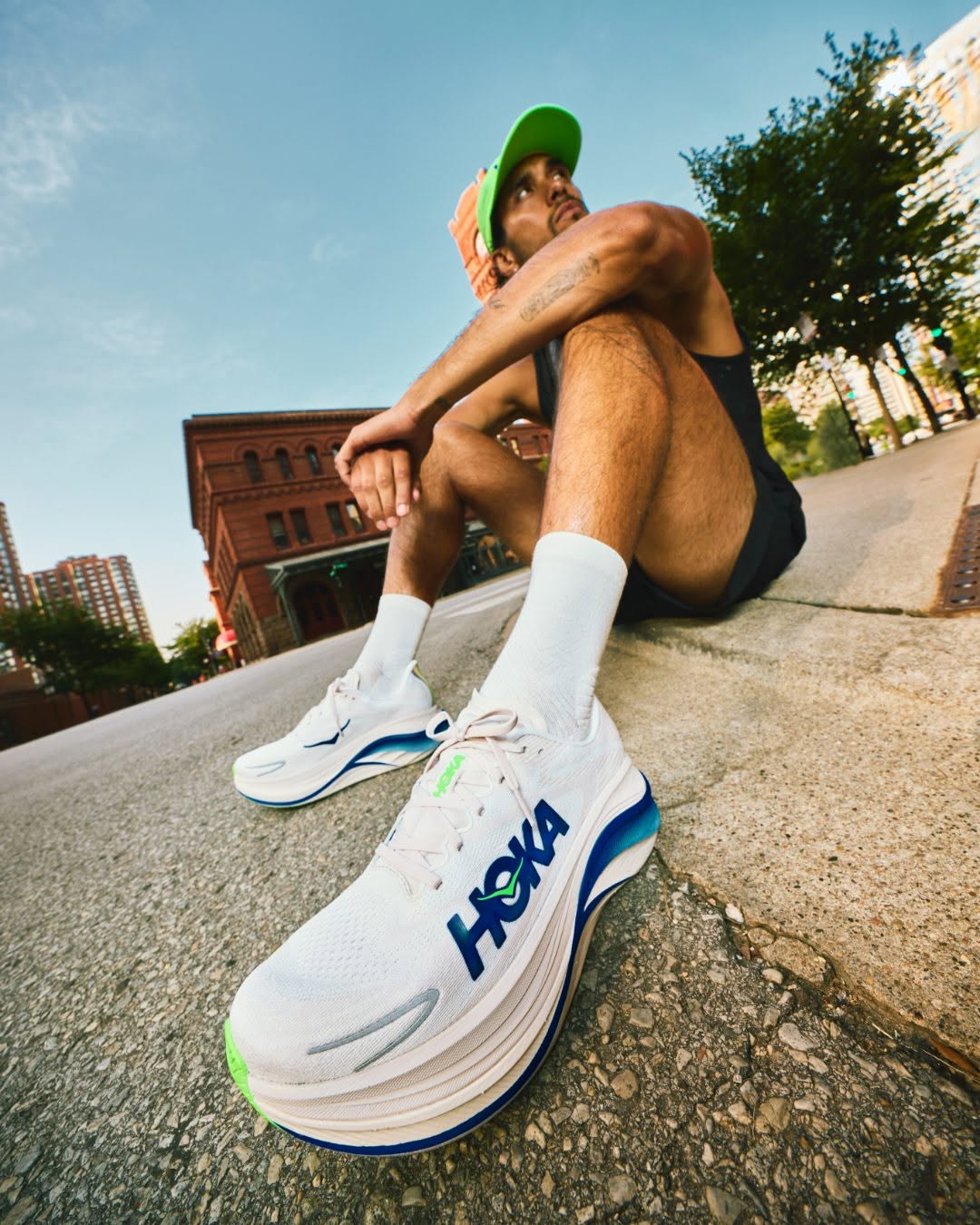
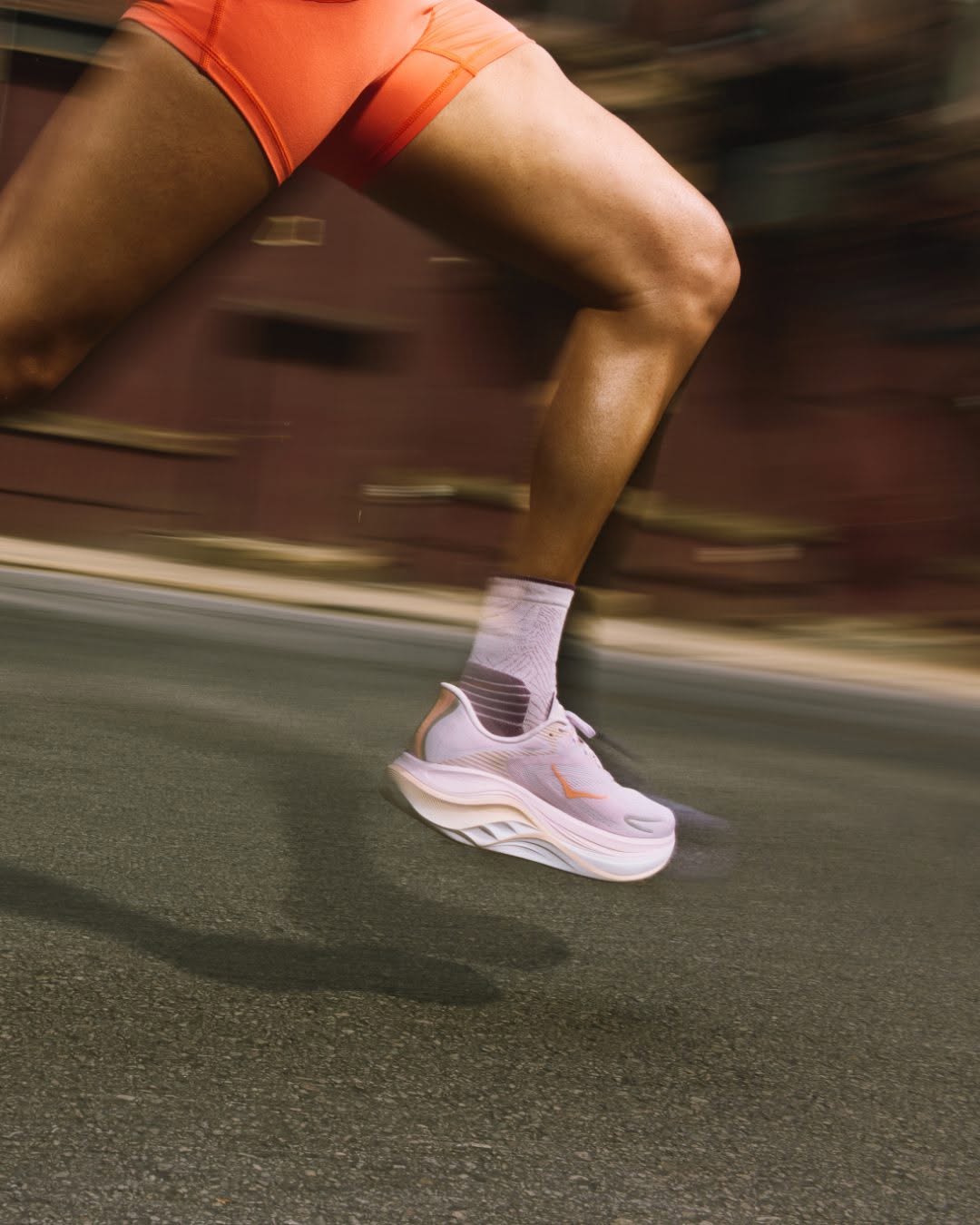
The Hoka Skyward X 2 cuts 4mm of stack to 46mm heel and 41mm forefoot and roughly an ounce of weight while keeping its curved carbon plate and $225 price. For a brand built on maximal cushion, choosing less turns a novelty into a legitimate daily trainer.
Key Points
- The Skyward X 2 drops stack from 48mm to 46mm heel and 41mm forefoot, a 5mm drop, and cuts about an ounce of weight.
- It keeps the curved carbon fiber plate, reworked for a more engaged stance, over a PEBA and Super Critical EVA midsole, at $225.
- The weight and height cut turn Hoka's plushest shoe from a novelty into a usable daily trainer.
Hoka made its plushest shoe smaller, and that is the upgrade.
The Skyward X 2 is out, the second version of Hoka's max cushion super trainer, and the headline change is subtraction. Four millimeters of stack gone. An ounce of weight gone. The carbon plate stayed. The $225 price stayed. For a brand whose entire identity is more foam, choosing less is the most interesting thing it has done in a while.
The thesis. The super trainer category got addicted to height, and Hoka just proved the ceiling was already too high.
46mm Of Foam, 8.4 Ounces, One Curved Carbon Plate
Here are the numbers that matter. The stack dropped from 48mm in the heel to 46mm heel and 41mm forefoot, a 5mm drop. A women's 7.5 went from 9.4 ounces to 8.4. That ounce is real. You feel it on the back half of a long run, which is exactly when you stop caring about marketing and start caring about your legs.
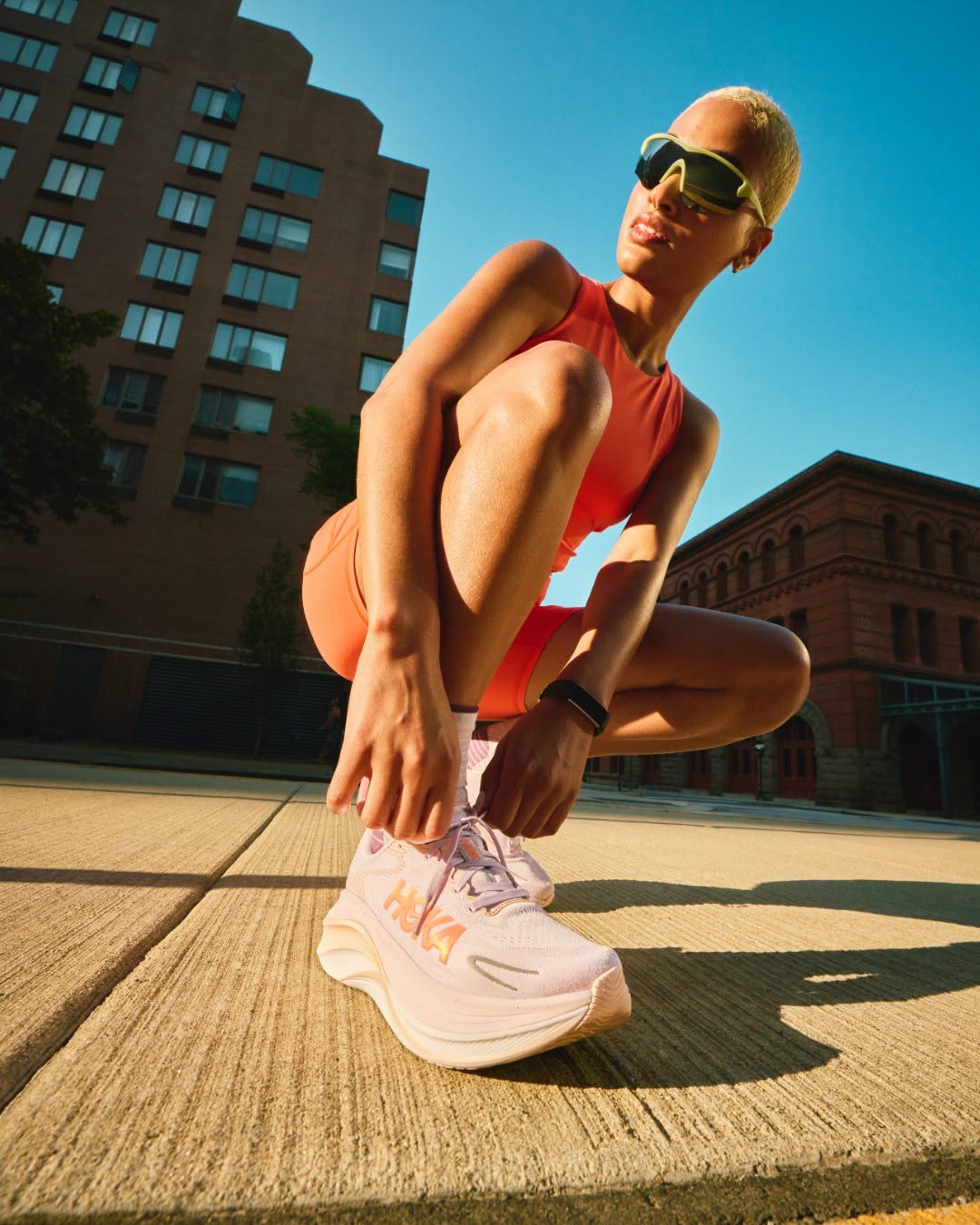
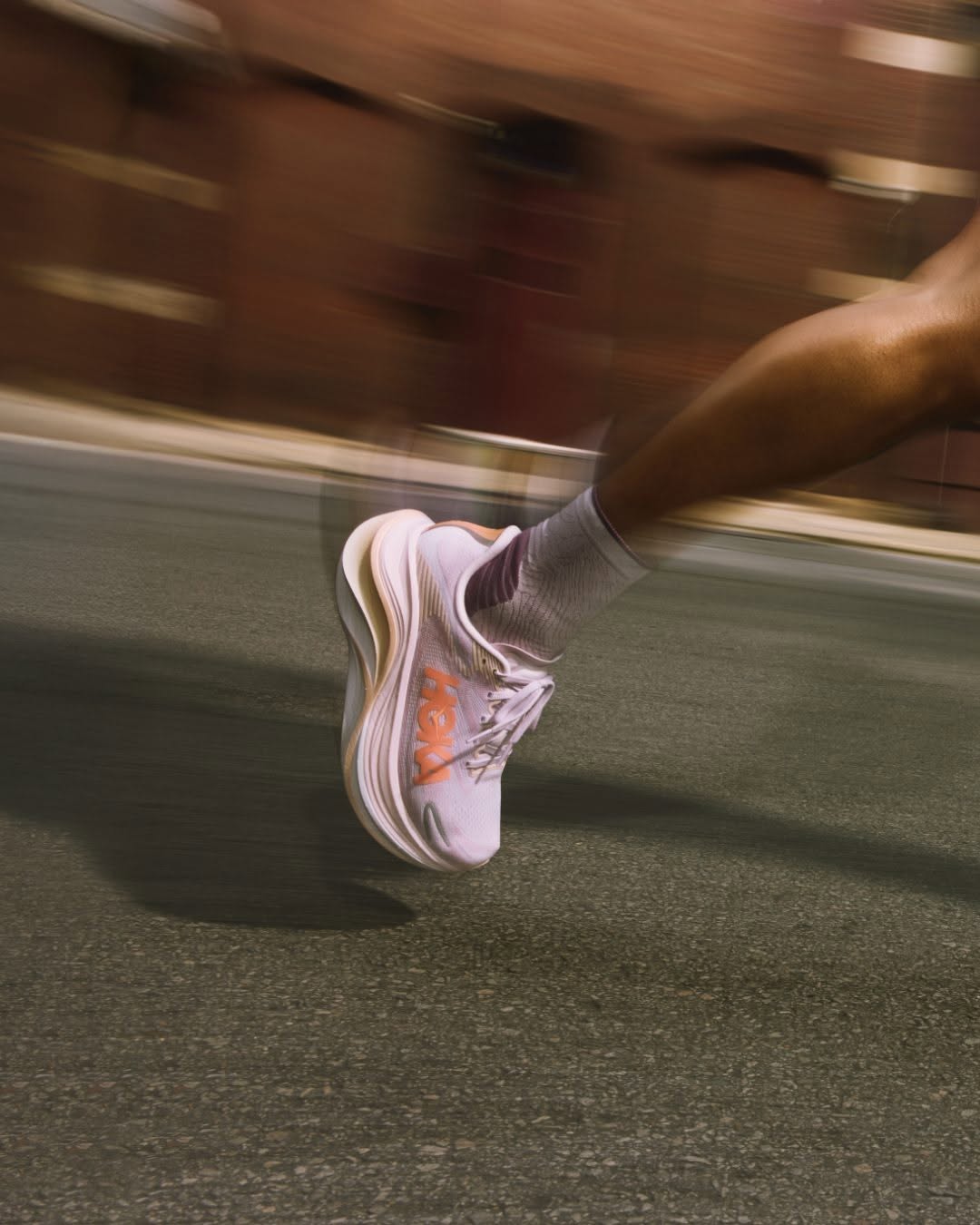
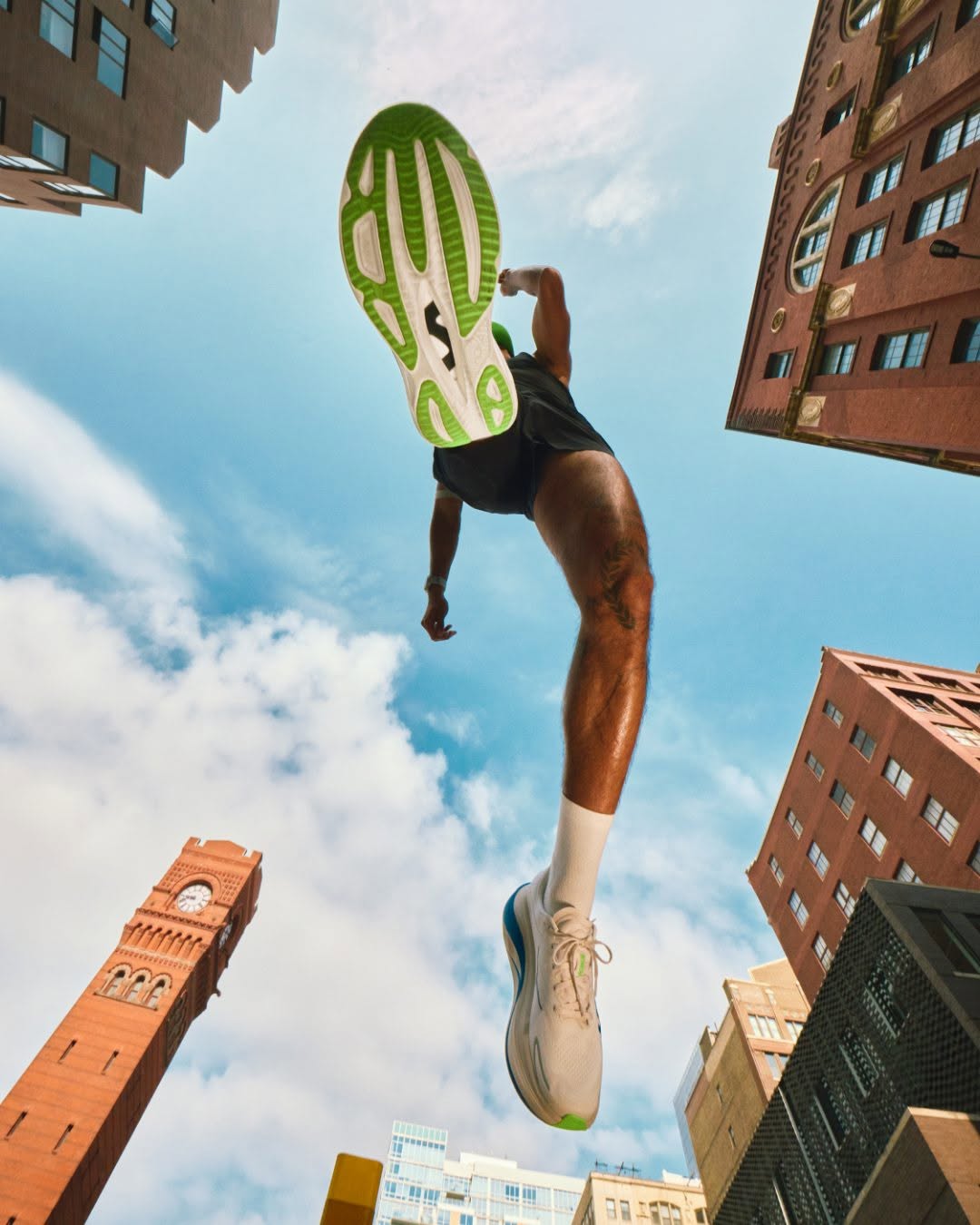
The midsole pairs a PEBA foam top layer over a Super Critical EVA frame. The curved carbon fiber plate, the heart of the shoe, got reworked to put you in a more engaged forward stance. The upper is new too, a premium jacquard mesh that looks more expensive than the last one.
The Old Skyward X Was Too Much Shoe
I ran in the first Skyward X. It was a couch. Genuinely comfortable, genuinely too tall, the kind of shoe that felt unstable the moment you tried to actually run instead of plod. The height was a flex, not a function.
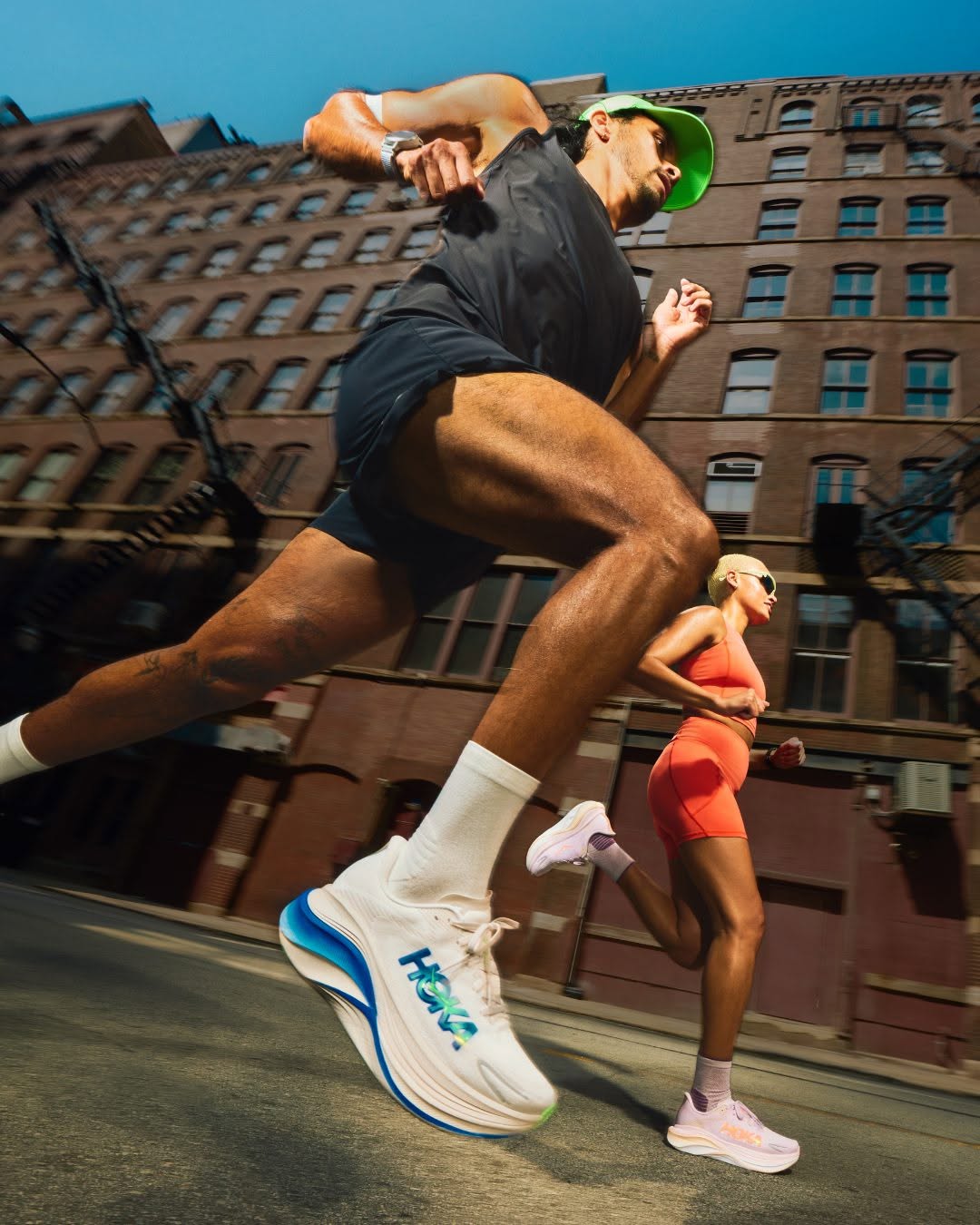
Version two reads like Hoka listened. Lower, lighter, more planted. The behavior change is simple: this is now a shoe you might reach for on a daily run instead of saving it for the one easy day when you want to feel like you are walking on a mattress. That is the difference between a gimmick and a trainer. Asics figured out a version of the same lesson with a running campaign that worked because it stopped trying so hard.
$225 Is The Question, Not The Stack Height
Now the price. $225 for a daily trainer is a lot, even a carbon plated one. The super trainer pitch is that one shoe replaces two, the cushioned recovery shoe and the snappy workout shoe. If you believe that, the math is fine.
If you do not, you are paying carbon racer money for easy miles, and there are cheaper cushioned trainers that protect your legs just as well without the plate. The plate is the upsell. Be honest about whether your training actually uses it. The same logic runs through overbuilt trail shoes, the way Nike ACG''s ankle cuff solves a problem most road runners will never have.
Try, Skip, Or Watch
Verdict: try, if you log real daily mileage and want one shoe that does cushion and turnover. The weight cut makes this a legitimate rotation piece now, not a novelty.
Skip, if you already own a good cushioned trainer and a separate carbon racer. You are double paying for what you have.
The hidden cost is durability. Premium jacquard uppers and PEBA foam are lovely on day one. Ask again at 300 miles. The demo is the bounce. The truth is the mileage.
Frequently Asked Questions
How much is the Hoka Skyward X 2?
$225, the same price as the original Skyward X.
What changed on the Hoka Skyward X 2?
Stack dropped 4mm to 46mm heel and 41mm forefoot, weight fell about an ounce, the carbon plate was reworked, and the upper is a new premium jacquard mesh.
Is the Skyward X 2 a daily trainer or a racer?
It is a super trainer, built for daily cushioned miles with a carbon plate, not a dedicated race shoe.
Topics: peba, nike acg, hoka-hoka, daily trainer, hoka, skyward x 2, running shoes, carbon plate, super trainer, running, nike-acg, footwear, nike, max cushion