LEICA METAL GRAY M11-P IS A $10,400 COAT OF PAINT
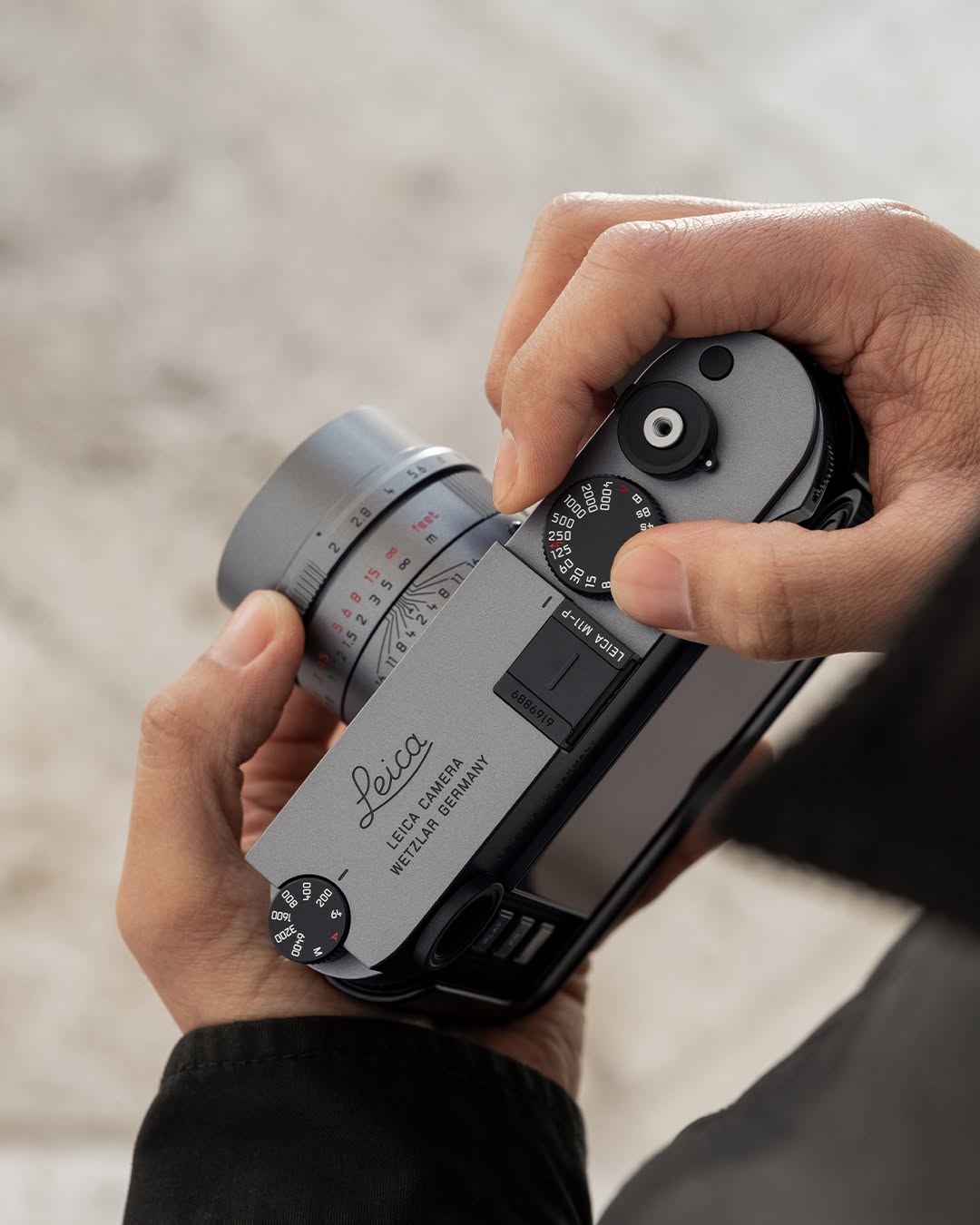
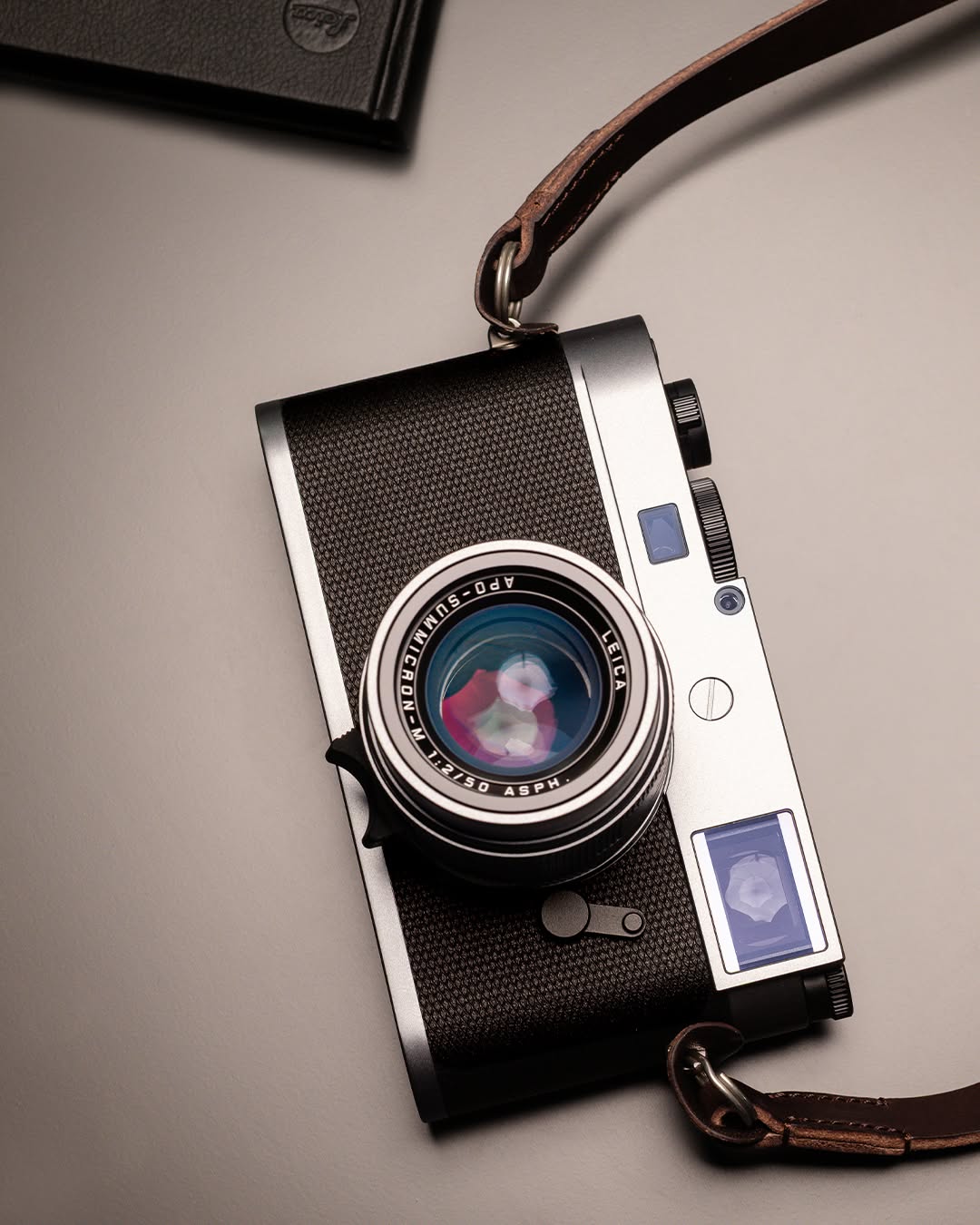
Leica's new Metal Gray finish debuts on the M11-P at $10,400, with a matching APO-Summicron-M 50 lens at $9,990 and the Q3 and D-Lux 8 to follow July 16. Nothing about the cameras changed but the paint, which is exactly the point: Leica sells the object, not the spec sheet.
Key Points
- Leica's Metal Gray finish launched May 28 on the M11-P at $10,400, with the Q3 at $7,350 and D-Lux 8 at $1,915 arriving July 16.
- The update is purely cosmetic, a rough textured gray paint developed in house, with no change to the cameras capability.
- Leica competes on finish, heritage, and feel rather than specs, which lets it charge full camera price for a color.
$10,400. For paint.
That is the headline number on the new Leica M11-P in Metal Gray, announced May 28. Same sensor. Same camera you could already buy. The only thing that changed is the color, and the color costs exactly as much as the camera did last week.
Here is the thesis. Leica is no longer selling cameras to most of the people buying them. It is selling an object, and Metal Gray is the cleanest proof yet that the spec sheet stopped being the product a long time ago.
$10,400 Body, $9,990 Lens, Zero New Pixels
Let me lay out the menu, because the menu is the story.
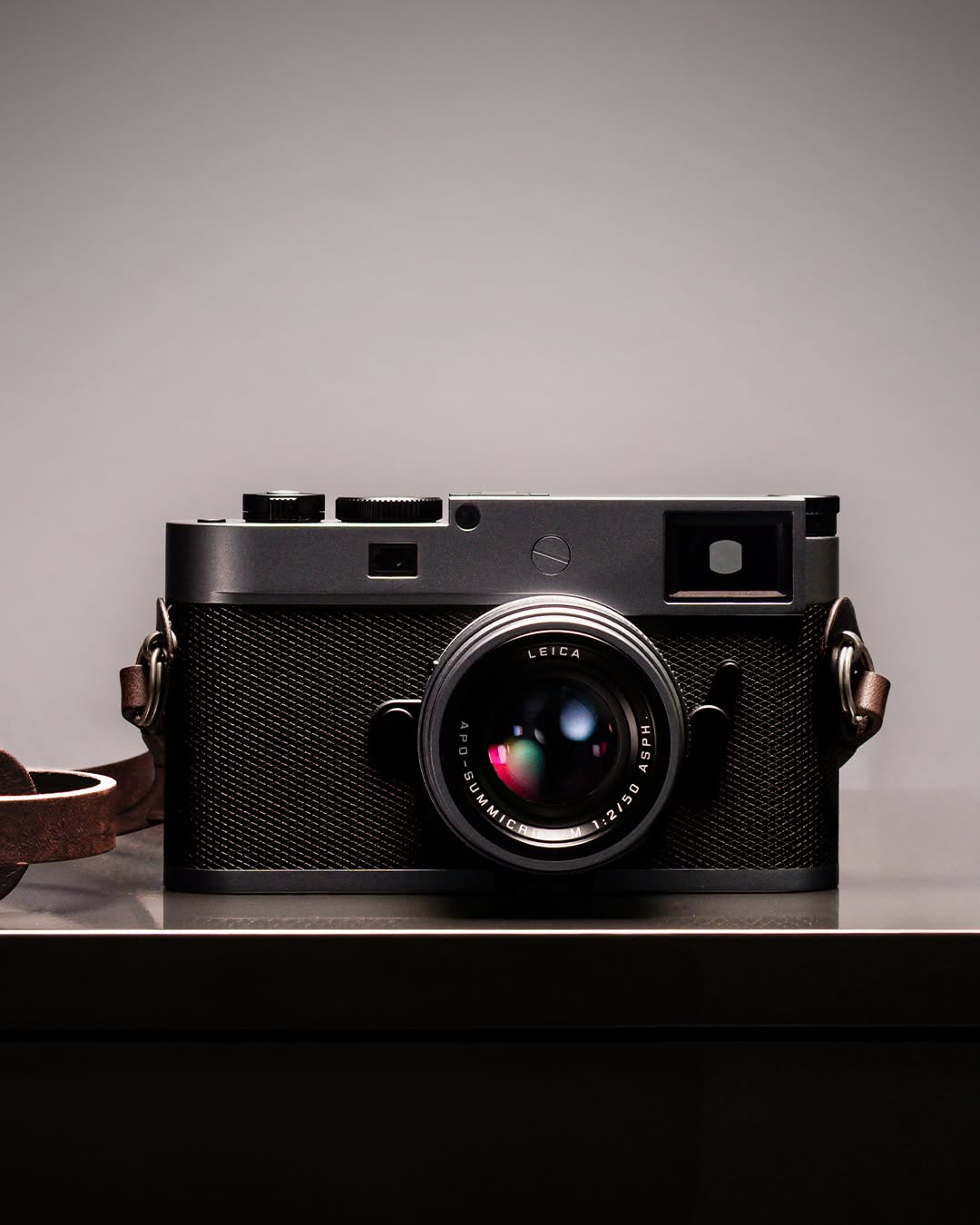
The M11-P in Metal Gray is available now at $10,400. The matching APO-Summicron-M 50mm f/2 lens is another $9,990. The Q3 and the D-Lux 8 arrive July 16 at $7,350 and $1,915. Add the M11-P to its lens and you are past $20,000 before a strap.
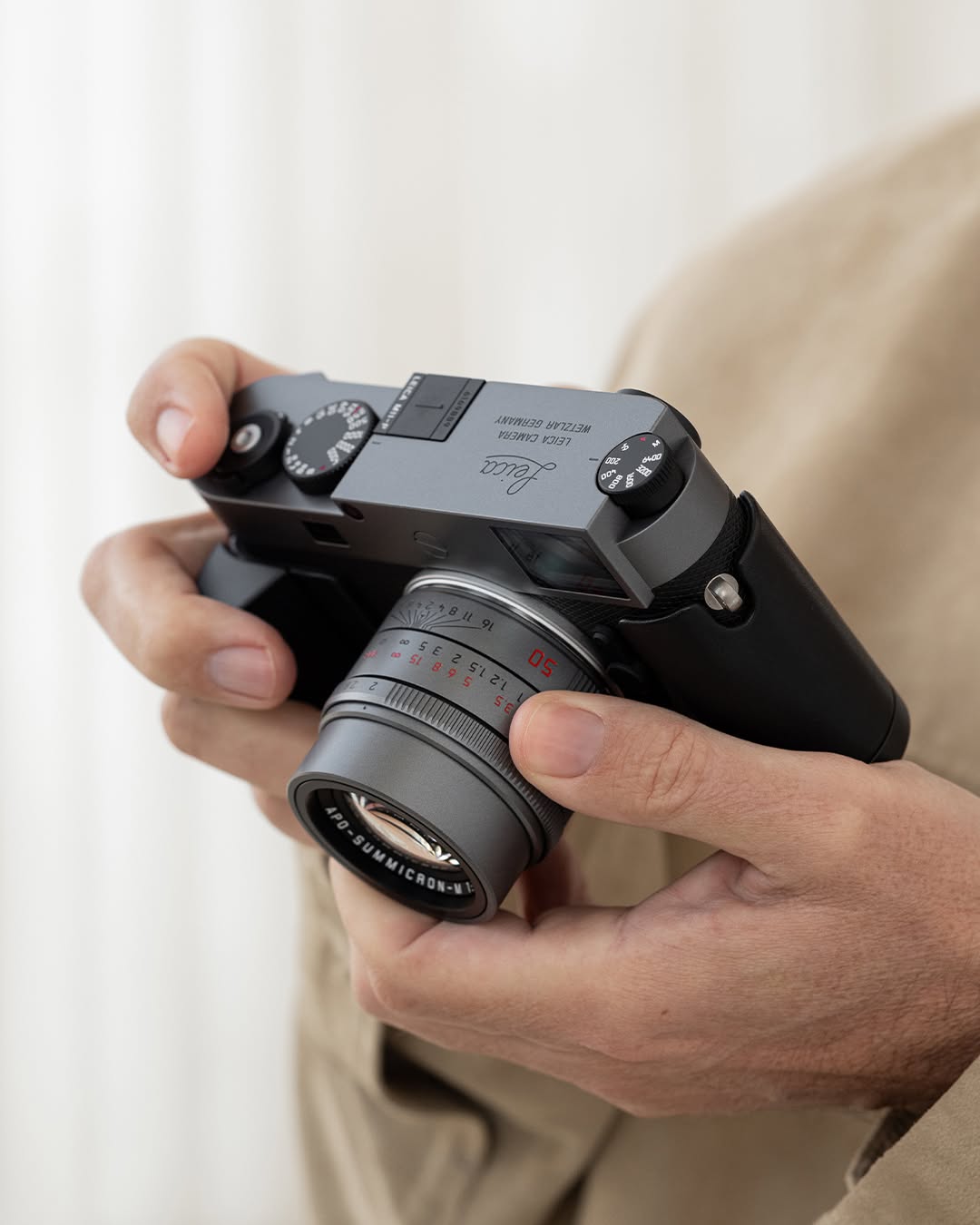
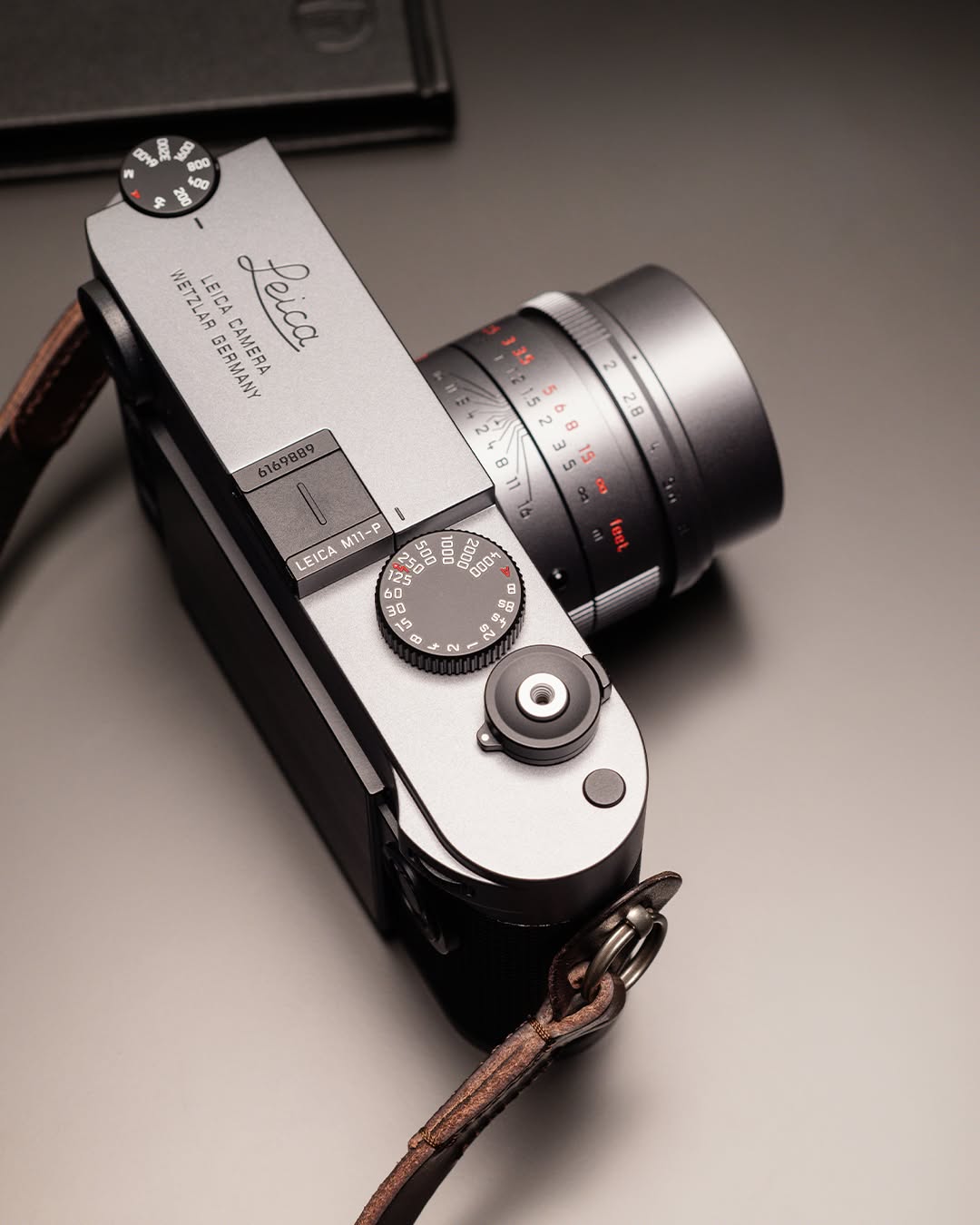
None of these are new cameras. The M11-P shipped its sensor and its electronics ages ago. Metal Gray is a finish, a dark gray paint with a deliberately rough surface that Leica developed in house and is rolling across the bodies, the lens, and the accessories. That is the entire update. A coat.
The Paint Is The Feature, And Leica Knows It
I keep waiting for the part where the camera does something. It does not. The behavior on a Tuesday afternoon is identical to the behavior with the black one.
So the real product here is not capability. It is identity. Leica figured out years ago that its buyer is not optimizing for autofocus speed or burst rate. That buyer wants the object that signals patience, money, and taste, in roughly that order. A rough textured gray you can feel in the hand and spot across a room does that job perfectly. Stone Island ran the same play when it made a camera you could not actually buy. The point was never the photos.
Map The Incentive Before You Reach For Your Wallet
Why does this work. Because Leica sells scarcity and finish at a margin no spec driven company can touch.
A Sony or a Canon lives and dies on the benchmark. They have to win the autofocus shootout and the dynamic range chart, because their buyer reads the chart. Leica opted out of that war. It competes on feel, heritage, and the little red dot, which means it can charge $10,400 for a color and the customer says thank you.
The lock-in is the M mount and the culture around it. Once you own the lens, you own the religion, and the religion has a paint program now. The Braun design school taught everyone that an object can be worth a premium purely for how considered it looks, the way a simple wall clock rewrote the rules on what restraint is worth. Leica is charging hypercar money for the same idea.
Try, Skip, Or Watch
Verdict: skip, if you want a camera. There is no image you can make with Metal Gray that you cannot make with the black M11-P that costs the same.
Buy, if you want the object, and be honest that that is what you are doing. There is nothing wrong with paying for a beautiful thing. Just do not tell yourself the gray takes better pictures.
Watch the resale. Limited finishes from Leica tend to hold value better than the cameras they are painted on, which tells you everything about what is actually being sold here. The demo is the sensor. The product is the paint.
Related: Leica LUX Grip Silver Price and Specs.
Frequently Asked Questions
How much does the Leica Metal Gray M11-P cost?
The M11-P in Metal Gray is $10,400, with the matching APO-Summicron-M 50mm f/2 lens at $9,990.
When do the Leica Q3 and D-Lux 8 in Metal Gray release?
July 16 2026, priced at $7,350 and $1,915 respectively.
Is the Leica Metal Gray a new camera?
No. It is a new paint finish on existing cameras, with no change to the sensor or features.
Topics: luxury, leica, d-lux 8, leica q3, photography, stone island, stone-island, apo-summicron, sony, metal gray, design object, camera, m11-p