YOHJI YAMAMOTO ARMORS 45 LOOKS IN ALUMINUM FOR FALL 2026
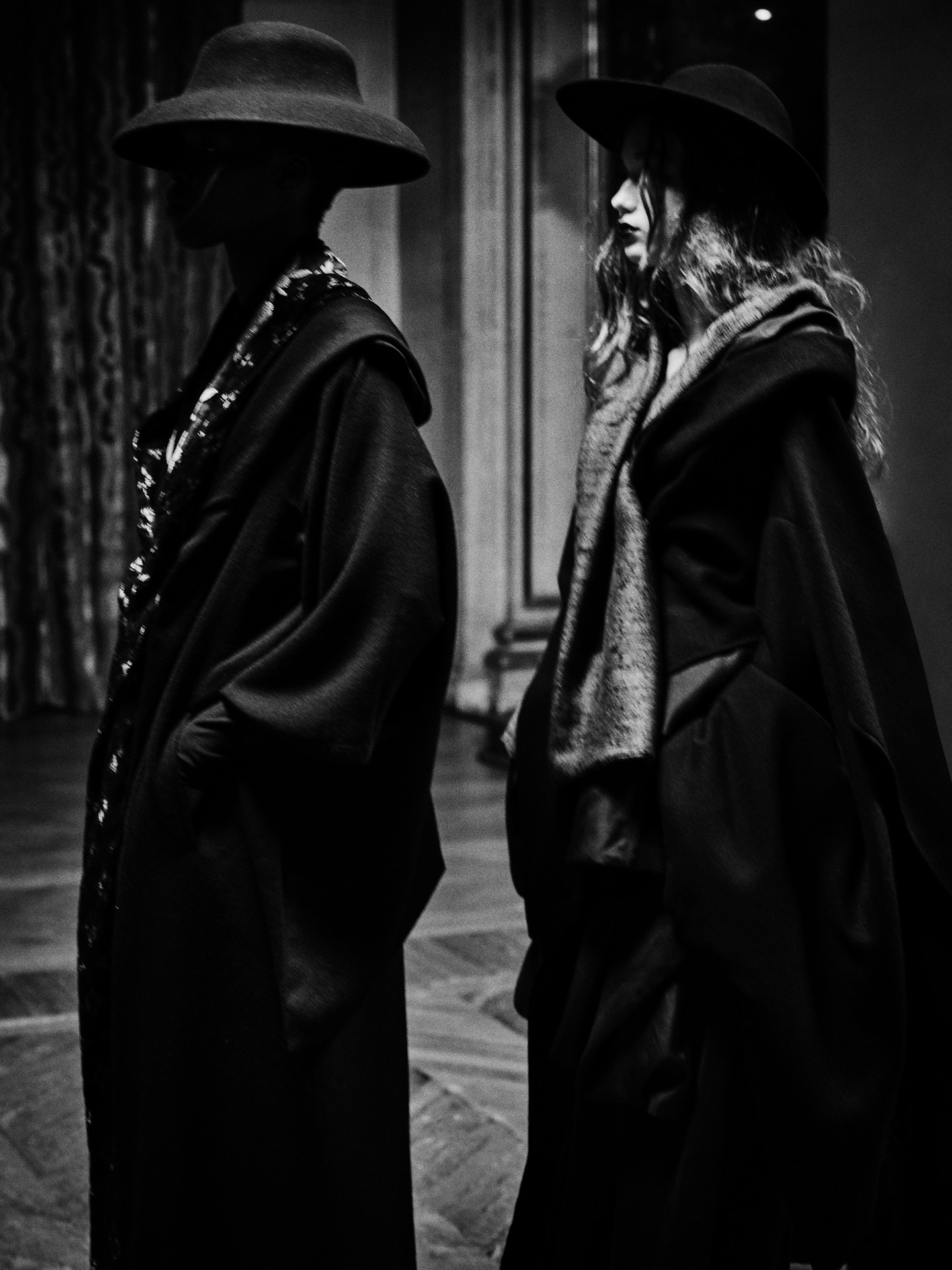
Yohji Yamamoto's Fall 2026 Paris show split into two collections. Menswear used quilted padding, felted textures and vests made from flattened aluminum cans as literal armor, while womenswear sent 45 kimono derived silhouettes in cotton, flannel, jacquard, velvet, lace and knit down the runway, closing on five looks in traditional geta sandals.
Key Points
- Yohji Yamamoto's menswear vests and hats are flattened aluminum cans, not fabric armor.
- The womenswear runway carried 45 kimono derived silhouettes across cotton, flannel, jacquard, velvet, lace and knit.
- The finale closed on five looks in geta sandals, the traditional wooden soled shoe, for the walk.
Aluminum cans, flattened by hand and stitched into vests and hats. That is the material Yohji Yamamoto chose for his Fall 2026 menswear show in Paris on March 6, and it says more about where the eighty two year old designer's head is than any press release could. No retail price has been announced for the pieces yet. It does not need one to make the point.
The argument running through both of Yamamoto's Fall 2026 shows, menswear built from cans and cargo, womenswear built from kimono grammar, is that his atelier has stopped competing on cut and started building shelter instead. The caption on Yamamoto's own account announcing the season was two lines and a hashtag, nothing more, which tracks. At 82, he has stopped explaining himself in captions and started doing it in cans and geta wood.
'We Don't Need A Crazy Cut,' Yamamoto Said Flatly
Yamamoto said exactly that about this season's menswear, and the collection backs him up. The cargo pants stayed loose, the coats stayed unbuttoned, and the silhouette never chased anything unusual, so every idea went into surface and material instead. Coat edges were felted and finished with feathers until they read like intentional spillage, and the standout pieces, vests and hats built from flattened aluminum cans, turned scrap metal into literal armor rather than a metaphor for one. Models walked with deliberately undone bedhead hair, which softened all that quilted padding into something closer to a shell than a costume. Nothing here was cut for shock value, the loose cargo shape has been a Yamamoto constant since long before this season, and that restraint is exactly what let the surface work read as intentional rather than distressed. It reads as a continuation of Yamamoto's Spring 2026 menswear statement, this time landing more combative, and it puts the mainline in the same conversation as Wales Bonner's first collaboration with Y-3, the Adidas line that has spent this year proving Yamamoto's ideas travel well past the runway.
Forty Five Silhouettes. Six Fabrics. One Kimono, Freed.
Forty five silhouettes walked Yamamoto's Fall 2026 womenswear show, each rooted in the kimono but freed from its structured, boxy shape. The collection moved through cotton, flannel, jacquard, velvet, lace and knit, letting the garments follow the body instead of enclosing it, a reversal of what the kimono traditionally does to the frame underneath it. The finale sent five looks down the runway in geta sandals, the traditional wooden soled shoe, so the room heard the wood on the floor before it saw the clothes in full. Yamamoto has built a career on putting one specific, named piece of Japanese dress in conversation with contemporary tailoring rather than gesturing at Japanese influence in general, and this finale was the clearest version of that argument this year, tradition and modern cut facing each other on the same runway instead of blending into a compromise. Forty five is a full length show by Paris standards, and running that many looks through six distinct fabrics without repeating a silhouette twice is the kind of output that separates a working atelier from a designer coasting on a signature.
Y-3 Already Proved The Archive Travels
Yohji Yamamoto's own sneaker line already answered whether this armor logic works outside a runway, and it did not need to wait for retail prices to prove it. The same Paris season saw Y-3 debut its Nisi silhouette on skateboarder Mark Gonzales, putting Yamamoto's material instincts on a skateboard instead of a runway and inside a subculture that has nothing to do with fashion week. That is the throughline connecting both shows this season: a designer whose mainline is still willing to hand a vest made of flattened cans to a runway model is the same designer whose sneaker label is comfortable handing a shoe to a skateboarder decades removed from Paris's usual audience.
Nothing from either show has a price yet, and that gap is doing real work. When retail numbers land, expect the cargo pants and the quilted shells to sell first, they are the wearable half of the idea. The aluminum vests and hats are the argument, not the merchandise, and no one should expect them to move in volume. Forty five kimono derived silhouettes on one runway and a vest built from flattened cans on another, in the same city, the same week, from the same eighty two year old designer, is the clearest case this season that Yamamoto's two lines are still arguing the same point from opposite directions.
Frequently Asked Questions
What is Yohji Yamamoto's Fall 2026 collection about?
The Paris season split into two shows, a menswear collection built as protective armor from quilted padding, felted surfaces and vests made of flattened aluminum cans, and a womenswear collection of 45 kimono derived silhouettes in cotton, flannel, jacquard, velvet, lace and knit.
Did Yohji Yamamoto use real aluminum cans in the menswear show?
Yes, the designer flattened aluminum cans and worked them into vests and hats as a literal armor material, set against loose cargo pants and unbuttoned coats.
How many looks were in the Yohji Yamamoto Fall 2026 womenswear show?
Forty five silhouettes walked, each rooted in the kimono but freed from its structured, boxy shape into fluid, body following garments.
What fabrics appeared in the Yohji Yamamoto Fall 2026 womenswear collection?
Cotton, flannel, jacquard, velvet, lace and knit carried the kimono influenced silhouettes down the runway.
What did the finale of the Yohji Yamamoto womenswear show include?
Five closing looks walked in geta sandals, the traditional wooden soled shoe, closing the season on a distinctly Japanese note.
Is Yohji Yamamoto connected to the Y-3 sneaker line?
Yes, Y-3 is Yamamoto's ongoing collaboration with Adidas, and the same Paris season saw Y-3 debut its Nisi silhouette on skateboarder Mark Gonzales.
What did Yohji Yamamoto say about the menswear cut this season?
He said flatly that the collection did not need a crazy cut, putting the emphasis on surface treatment and material instead of silhouette invention.
Topics: y-3, kimono, menswear, fall-winter-2026, adidas, womenswear, wales-bonner, japanese-fashion, yohji yamamoto, wales bonner, yohji-yamamoto, paris-fashion-week, cargo