Visvim's Harmonious Process Reaches Four Biotop Stores
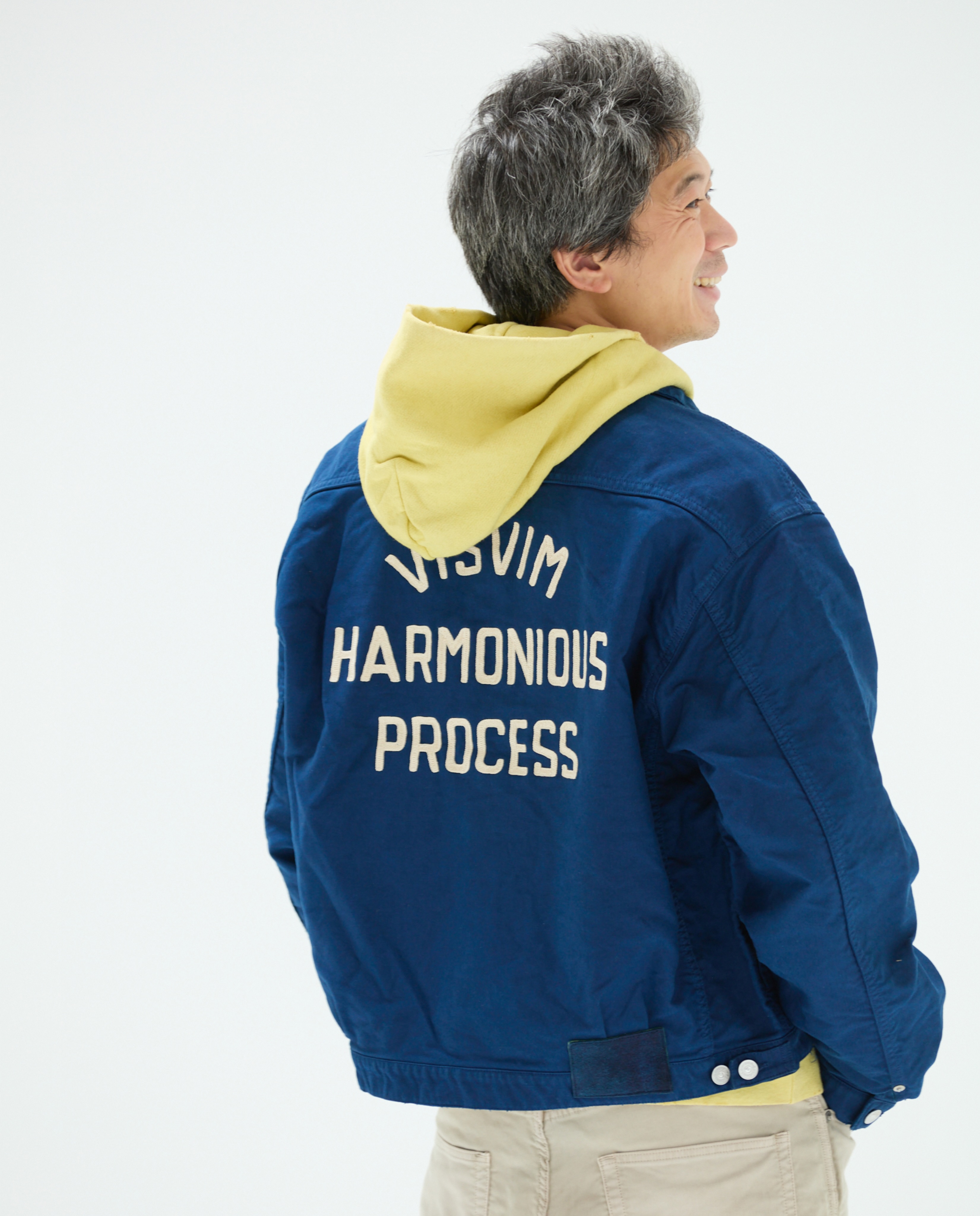
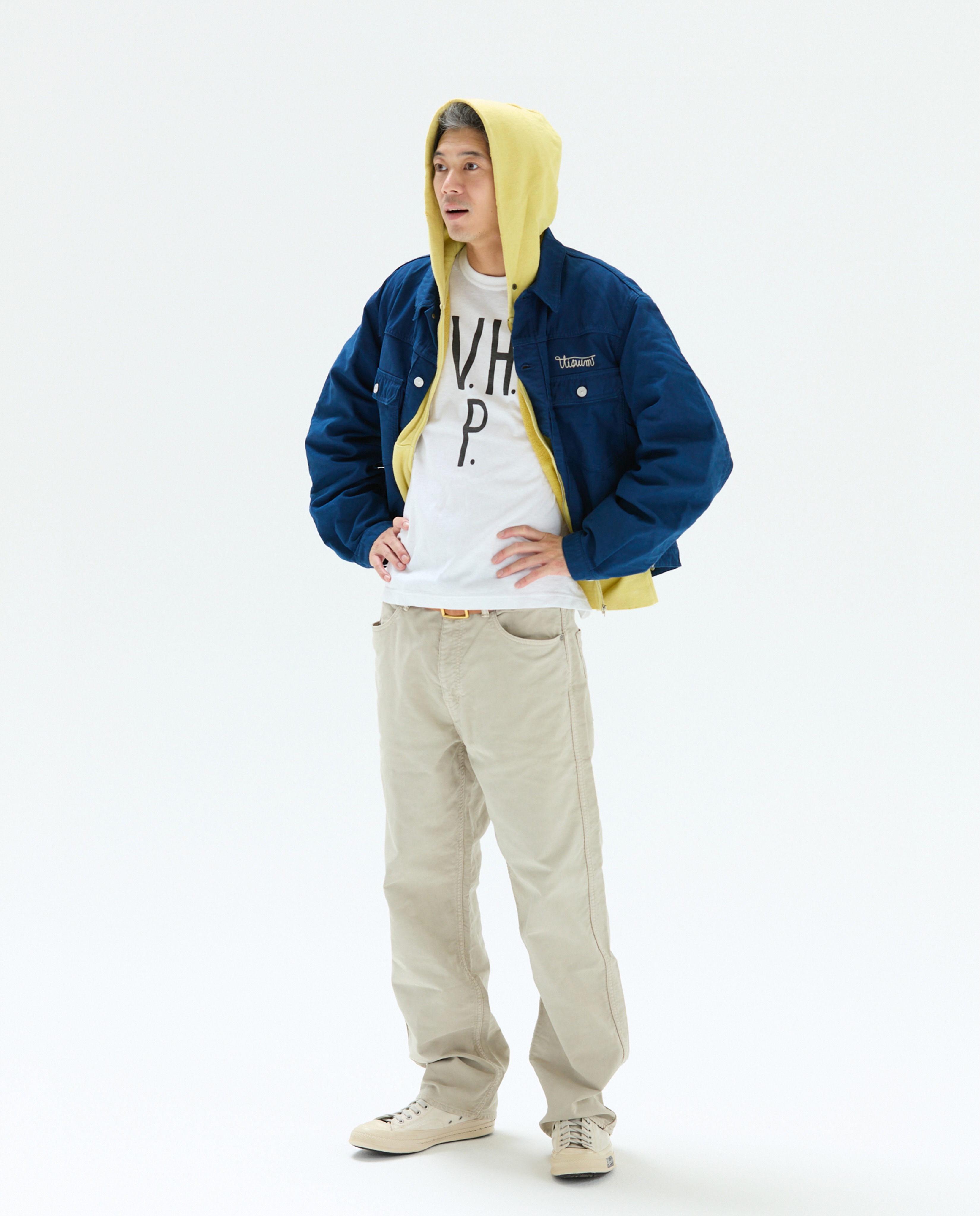
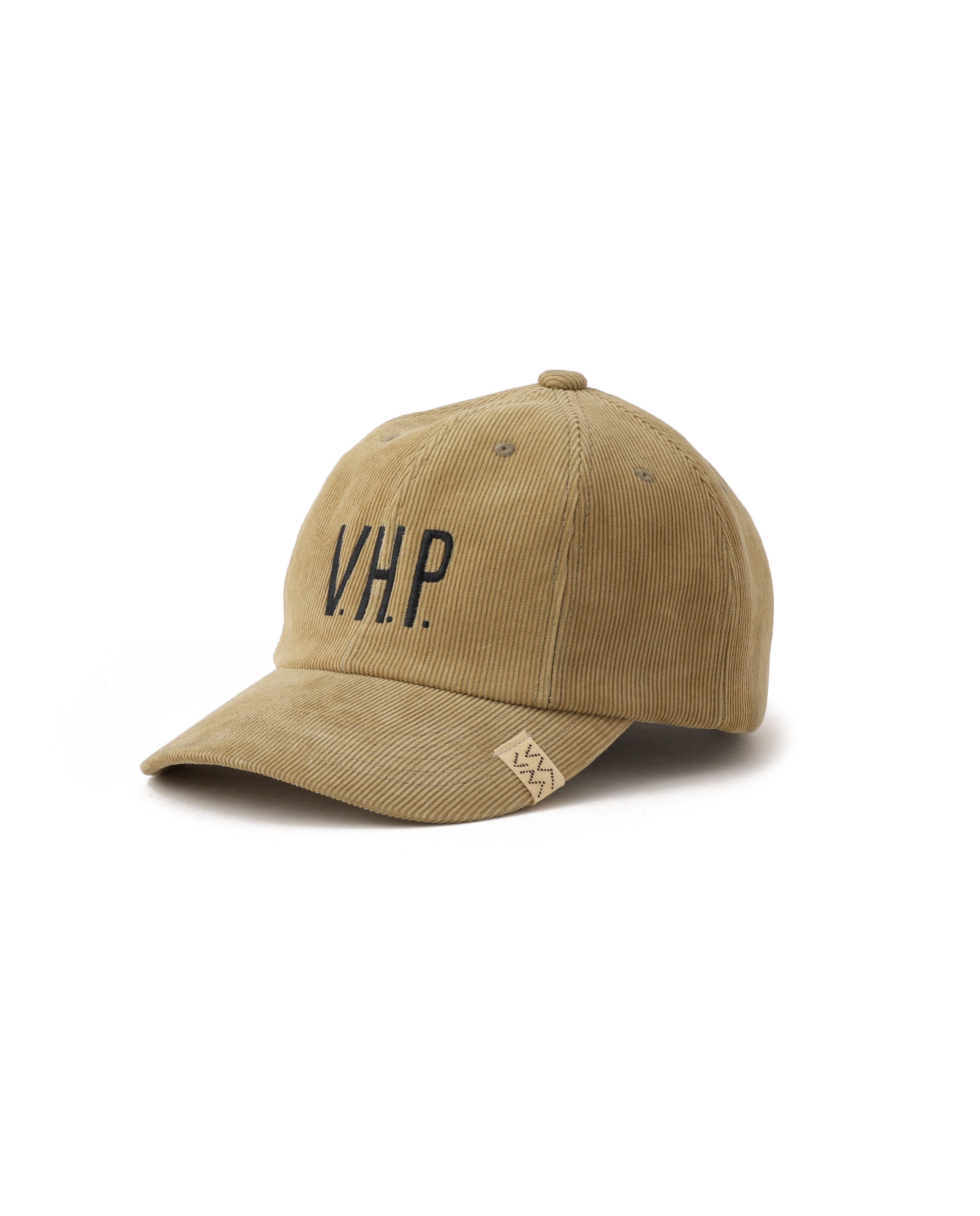
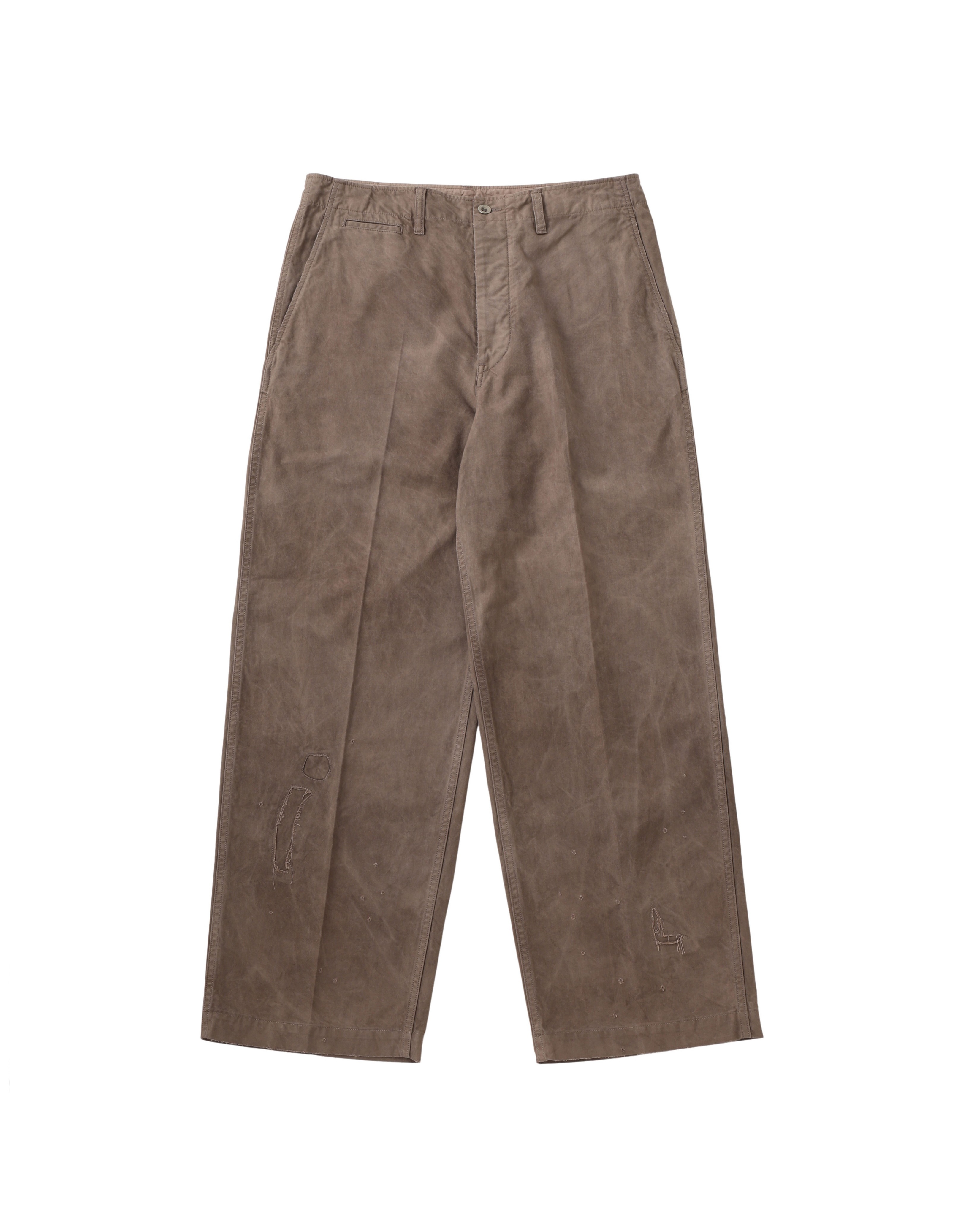
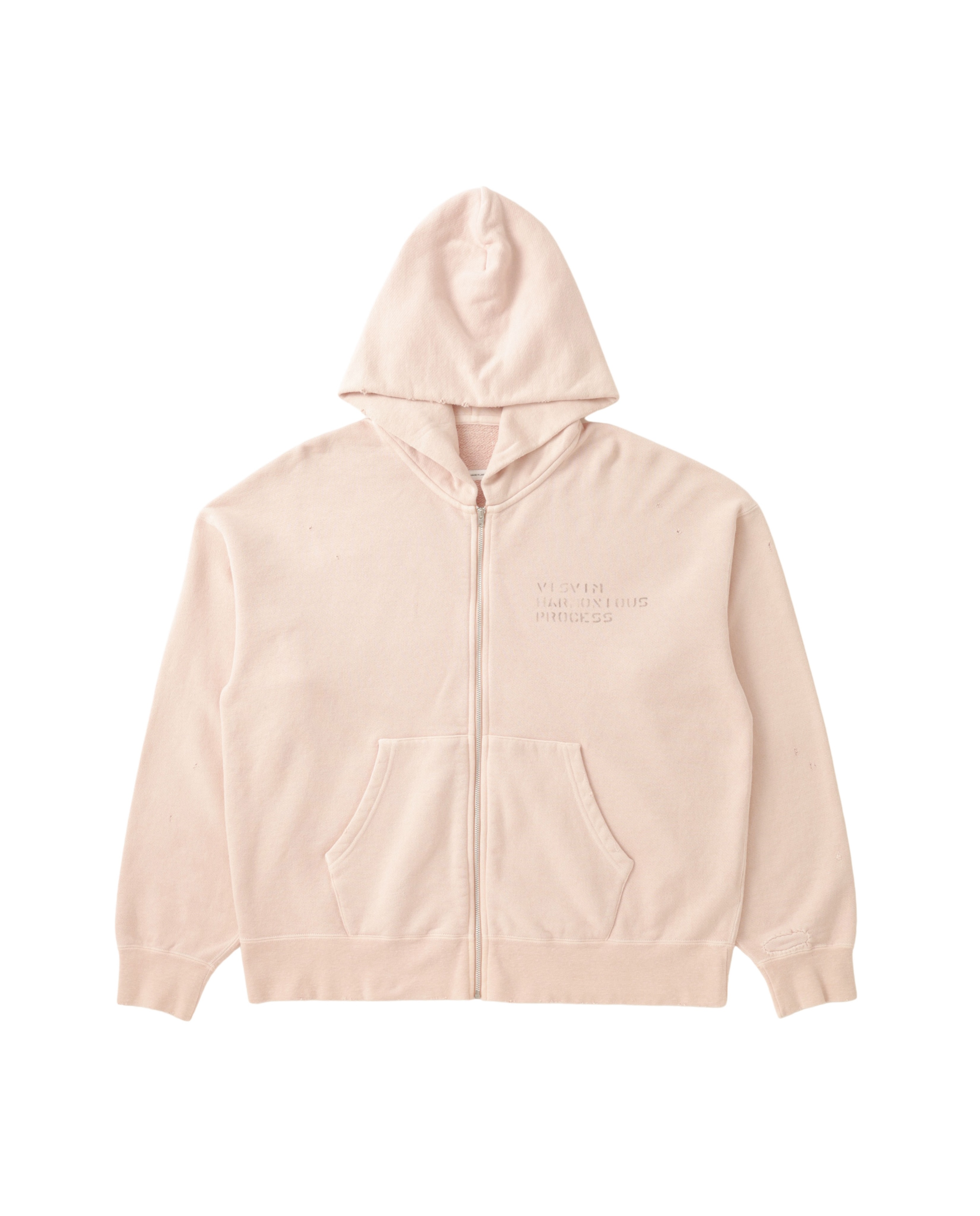
Visvim's Harmonious Process exhibition reopens across four BIOTOP stores in Tokyo, Osaka, Kobe and Sapporo from October 3 through 12, 2026, following its Isetan Shinjuku run. The fifteen piece lineup includes twelve N.D. natural dye tagged items, two older Mud OD corduroy pieces, and the Six Five Fishtail Parka, a silhouette exclusive to the BIOTOP stores.
Key Points
- Twelve of fifteen BIOTOP pieces carry the N.D. natural dye tag, two keep the older Mud OD stamp.
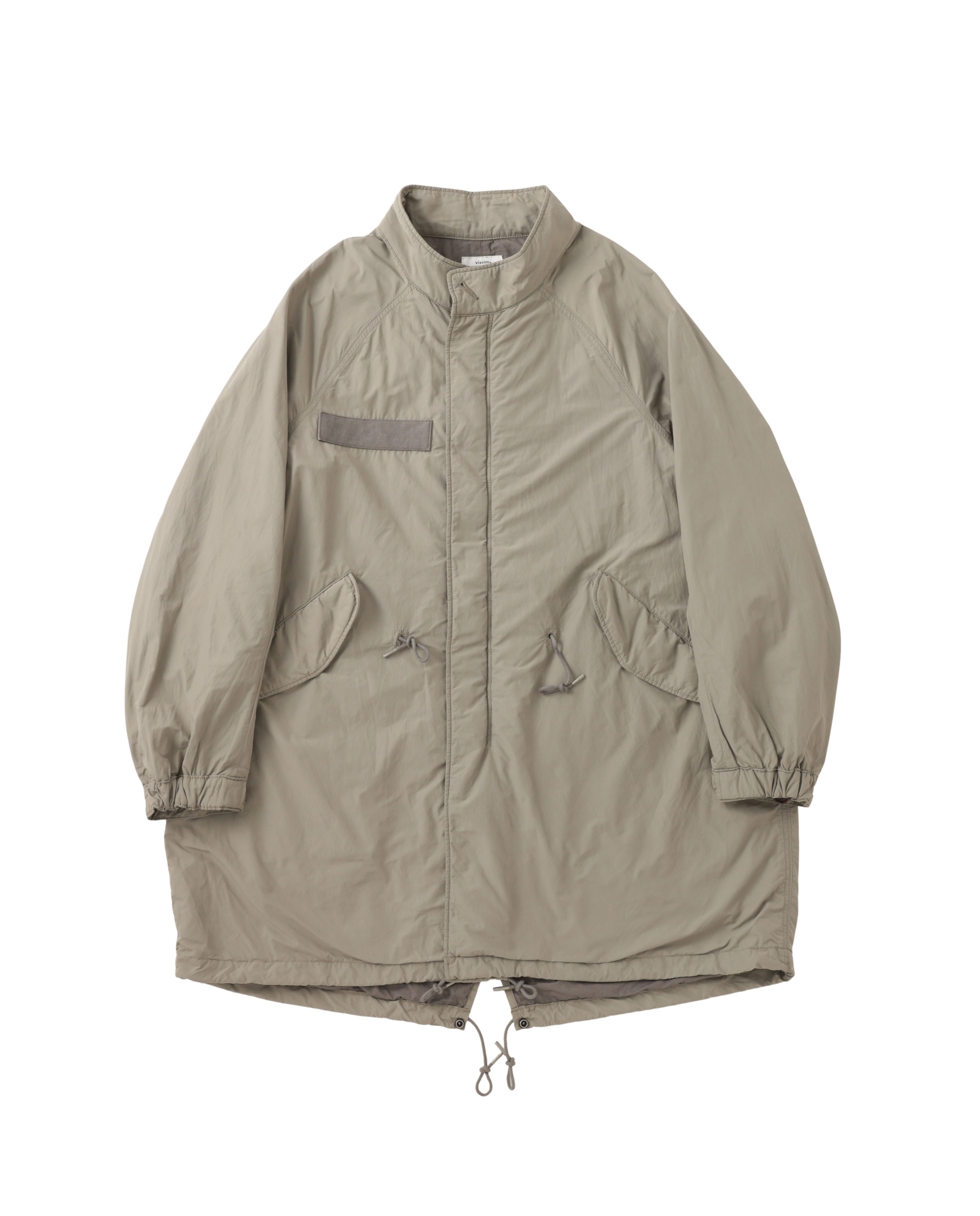
- The Six Five Fishtail Parka appears only at BIOTOP, absent from the Isetan Shinjuku flagship run.
- BIOTOP runs October 3 through 12 across Tokyo, Osaka, Kobe and Sapporo, ten days at four stores.
Visvim's Harmonious Process closed at Isetan Shinjuku on September 15. Eighteen days later, on October 3, that research reopens across four BIOTOP stores in Tokyo, Osaka, Kobe and Sapporo, this time with a fifteen piece lineup that shares a naming logic with the flagship show but not a single identical release code.
Twelve of Fifteen Pieces Carry the N.D. Tag
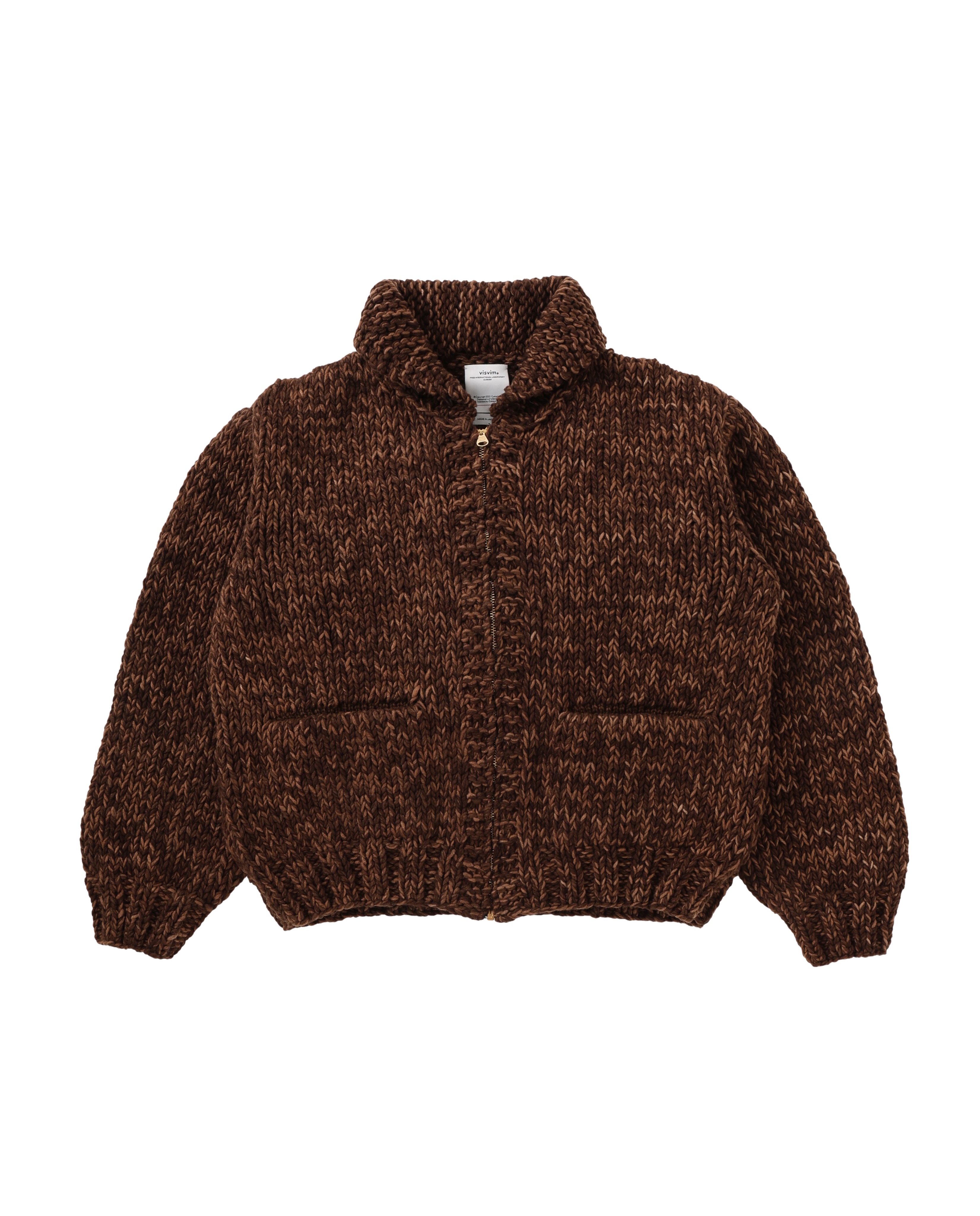
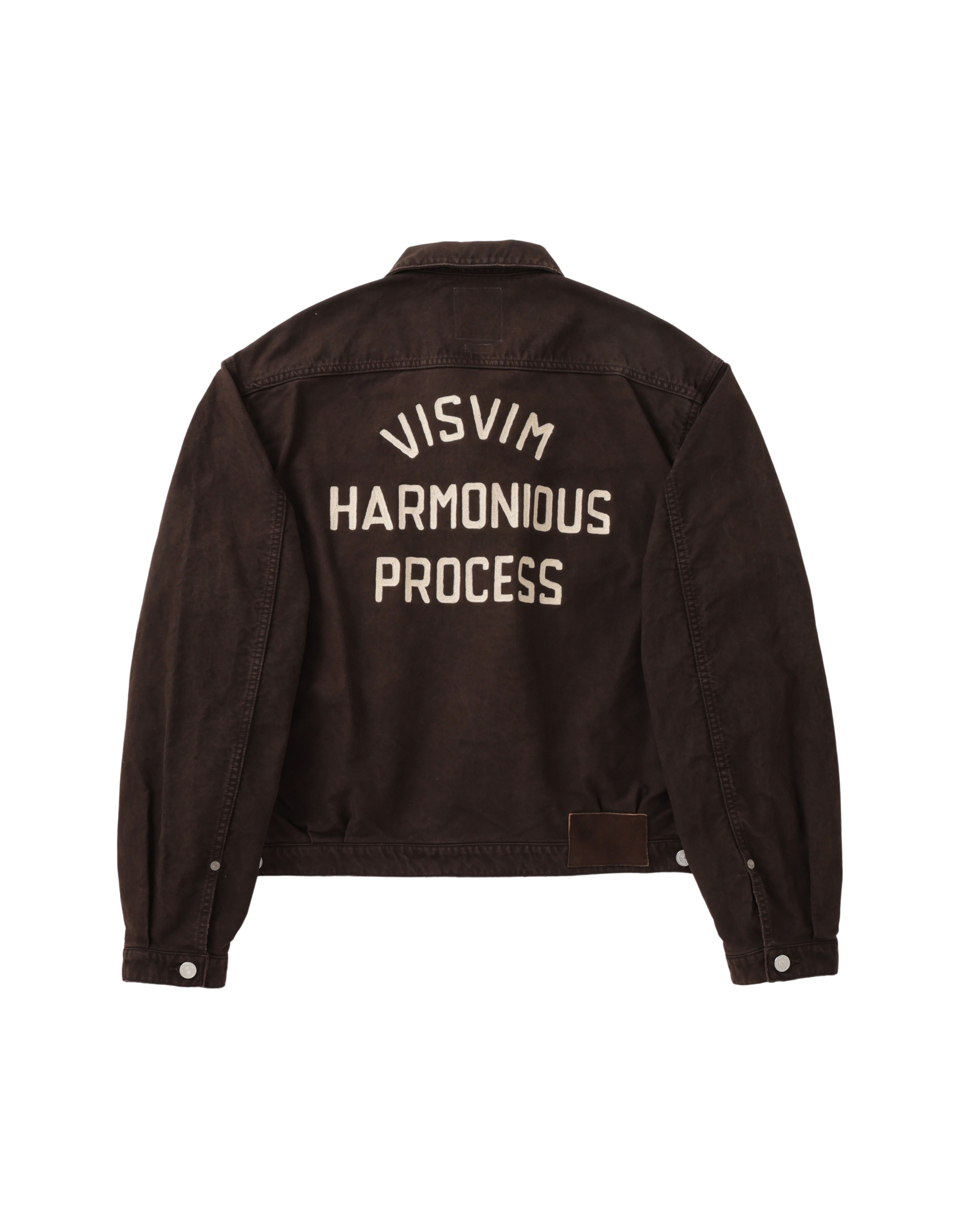
Twelve of the fifteen BIOTOP items, from the Skagway Hi boot to the Baker WD utility jacket, carry the N.D. designation visvim introduced this year for pieces dyed in plant and animal derived color instead of mud alone. Two corduroy pieces, the Fluxus 03 Wide G.Cords and the 101X jacket, keep the older Mud OD stamp, the same split the Isetan Shinjuku capsule ran during its own two week window, where nine of fourteen releases carried N.D. against two Mud OD holdouts.
That is not a coincidence of production scheduling. It is visvim running two dye systems side by side across two separate storefronts a continent's width apart in retail terms, letting a shopper in Sapporo choose between a plant dyed jacket and a mud only one without ever seeing the Isetan version in person.
Amami Oshima Mud Predates the Brand by 1,300 Years
Doro zome, the mud dyeing technique behind the older Mud OD pieces, is a 1,300 year old process from Amami Oshima in Kagoshima Prefecture, traditionally used to finish the silk in Oshima Tsumugi weaving before visvim ever existed as a label. Founder Hiroki Nakamura, a former Burton Snowboards designer, built the brand's research arm around techniques this old, the instinct that put natural dye tagged pieces inside a nine day Hong Kong pop up earlier this year, treating a garment's dye bath as a historical citation rather than a seasonal color story.
That research habit is why an Amami Oshima farmer's dye pit ends up documented next to a jacket that retails through a Tokyo boutique, not a museum gift shop. Nakamura's snowboard background gave him a production background in technical outerwear first, and the dye research came second, which is the reverse order most heritage focused labels claim for themselves.
A limited booklet, printed for the exhibition under the title Addendum to the Dissertation, Doro Zome, gets handed out at each BIOTOP location the way an academic paper ships with a footnote nobody reads and everybody keeps. The booklet is not merchandise. It is visvim insisting the process gets documented in words, not just worn.
Four Cities Get What Isetan Shinjuku Did Not
Isetan Shinjuku ran fourteen pieces in one store for two weeks. BIOTOP runs fifteen pieces across four stores for ten days, and the extra piece is not padding, it is the Six Five Fishtail Parka, a silhouette absent from the flagship's own list entirely. A shopper who caught the Isetan run and assumed they had seen the full Harmonious Process lineup missed a garment that only exists at the satellite stores, a gap visvim has opened before by letting Mr Porter carry pieces normally locked to its own flagship.
The Fisherman hand knit and the Cowichan hand knit round out the BIOTOP list, both carrying the N.D. tag despite hand knitting having nothing to do with the dye vat that defines the rest of the exhibition. Bundling a knitwear technique with zero connection to Amami Oshima mud into a show named for that process is visvim treating Harmonious Process as a curatorial umbrella for craft generally, not a strict dye only capsule the name would suggest.
The Iris Liner Jacket is the third piece on the list carrying no dye tag at all, alongside the plain Jumbo Tee, meaning three of the fifteen releases have nothing to do with mud, plant dye or Amami Oshima and exist purely to round out a wearable range around the pieces that do. Visvim rarely lists retail prices at these exhibitions before doors open, a departure from how it prices a standard seasonal drop, which keeps the event reading as a research showing first and a sales floor second even though product does change hands on site.
Splitting one story across five storefronts and six weeks, Isetan first, then Tokyo, Osaka, Kobe and Sapporo together, is a distribution choice most brands would call inefficient. Visvim is betting that the research reads as more credible spread across a slower calendar than it would compressed into one weekend drop, and the Six Five Fishtail Parka existing nowhere but BIOTOP is the proof the bet is not just marketing language.
For anyone who caught the Isetan run and thought the story was finished, it was not. The BIOTOP leg is the version worth the trip, not the repeat, and the parka alone is reason enough to treat this as a second exhibition, not a rerun of the first.
Frequently Asked Questions
What is visvim's Harmonious Process exhibition?
Harmonious Process is a visvim exhibition and sales event exploring the brand's natural dyeing craftsmanship, including the Amami Oshima mud dyeing technique doro zome.
Where is Harmonious Process being held at BIOTOP?
The BIOTOP leg runs October 3 through 12, 2026, simultaneously at four BIOTOP stores in Tokyo, Osaka, Kobe and Sapporo.
What does the N.D. tag mean on visvim pieces?
N.D. marks pieces dyed using visvim's 2026 natural dye process, drawing color from plant and animal sources rather than mud alone.
Is the Harmonious Process lineup at BIOTOP the same as the Isetan Shinjuku show?
No, the BIOTOP run includes fifteen pieces with different release codes than the fourteen piece Isetan Shinjuku capsule, including the Six Five Fishtail Parka, which does not appear in the Isetan lineup.
What is doro zome mud dyeing?
Doro zome is a 1,300 year old natural dyeing technique from Amami Oshima in Kagoshima Prefecture, traditionally used to finish silk in Oshima Tsumugi weaving.
Who founded visvim?
Hiroki Nakamura, a former Burton Snowboards designer, founded visvim and built its research arm around traditional dyeing techniques like doro zome.
Topics: hiroki-nakamura, natural-dyeing, biotop, mud-dyeing, harmonious-process, streetwear, japanese-fashion, doro-zome, amami-oshima, visvim