TYPE7 BUILDS ONE LIKE THEY USED TO FROM A BARN FIND
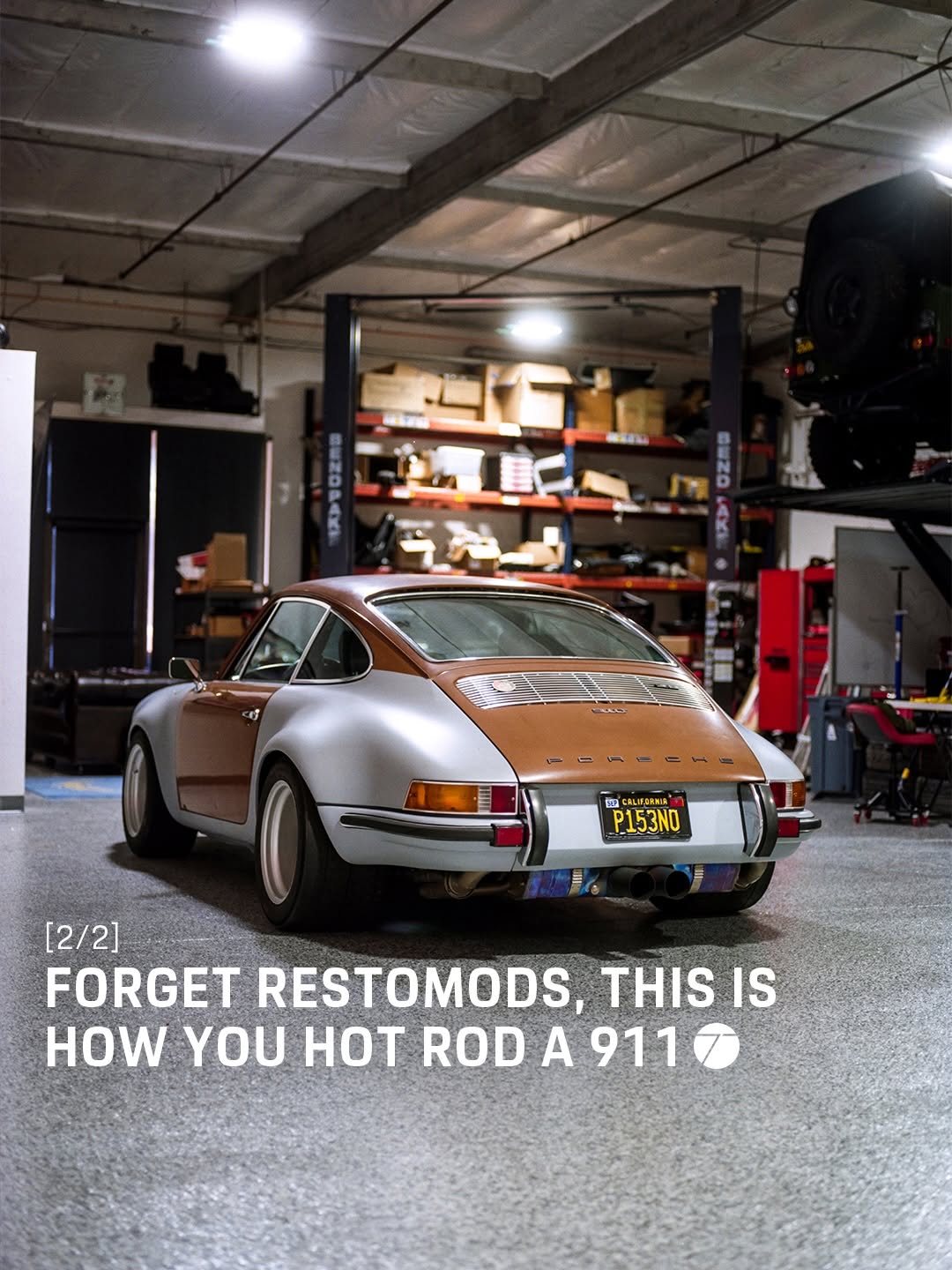
Type7 documented a restoration build born from a single desire, build one like we used to, sourced from a barely running car the owner found while surfing the web. The project rejects the modern restomod arms race of flares and horsepower in favor of period correct restraint. It frames restraint as the harder and more honest design discipline in a culture addicted to excess.


Key Points
- The Type7 build started from a barely running car found online with no flares and stock proportions.
- The owner framed the project around the phrase build one like we used to.
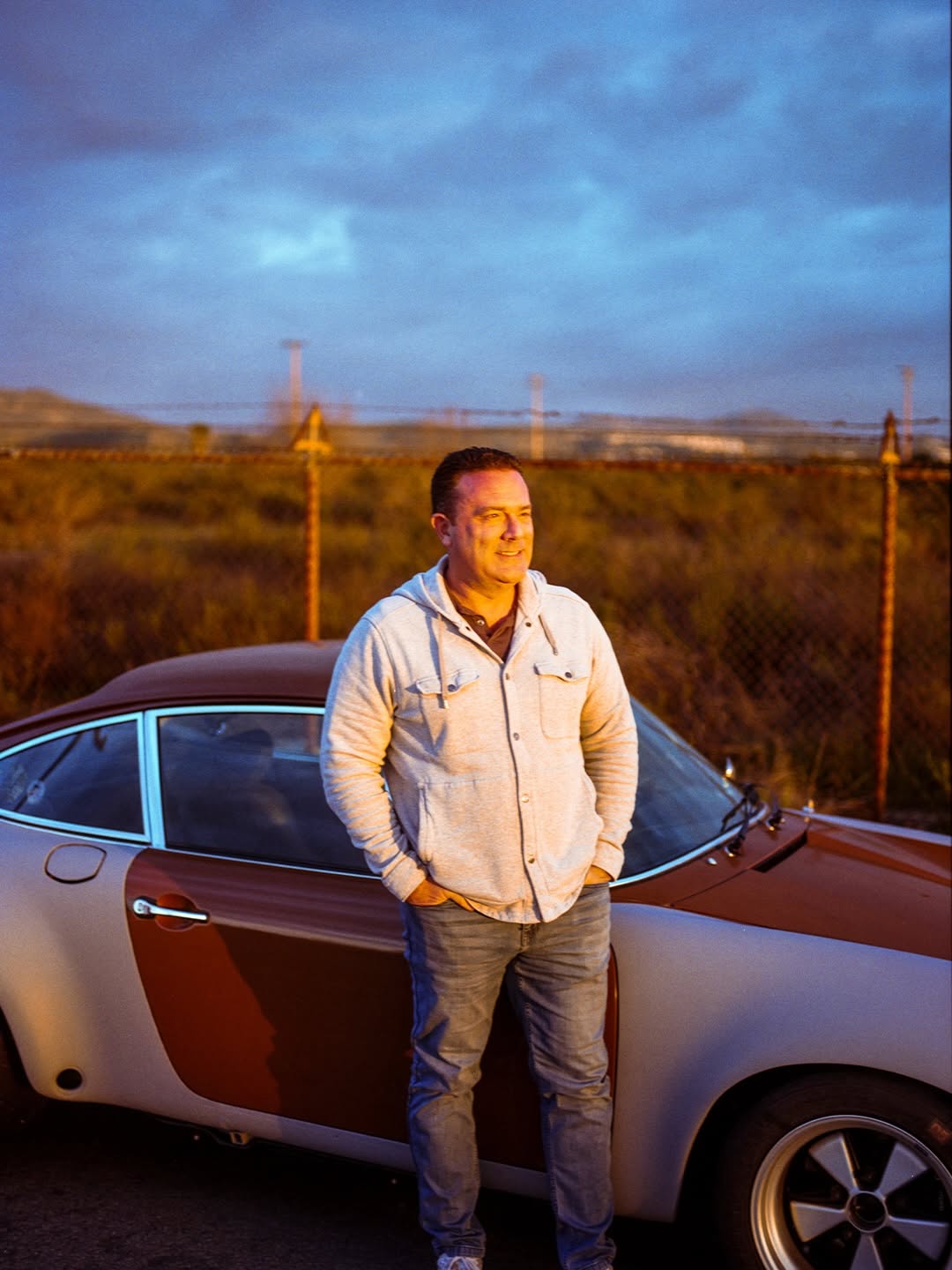
- The build was executed with a friend of 20 years rather than a commercial shop.
- The project rejects the modern restomod trend of widened flares and added horsepower.
- Period correct restraint is positioned as the harder design discipline than maximal modification.
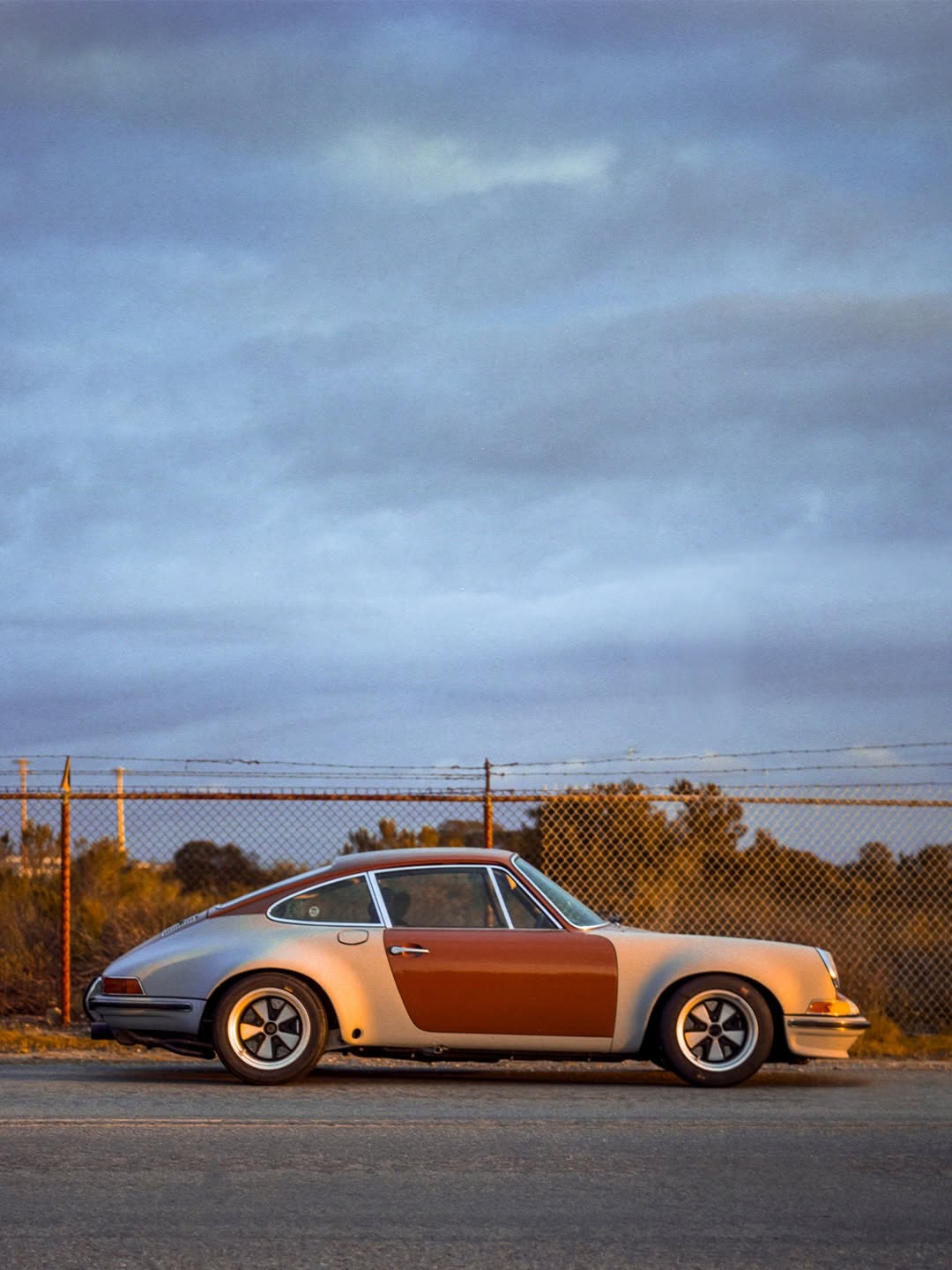
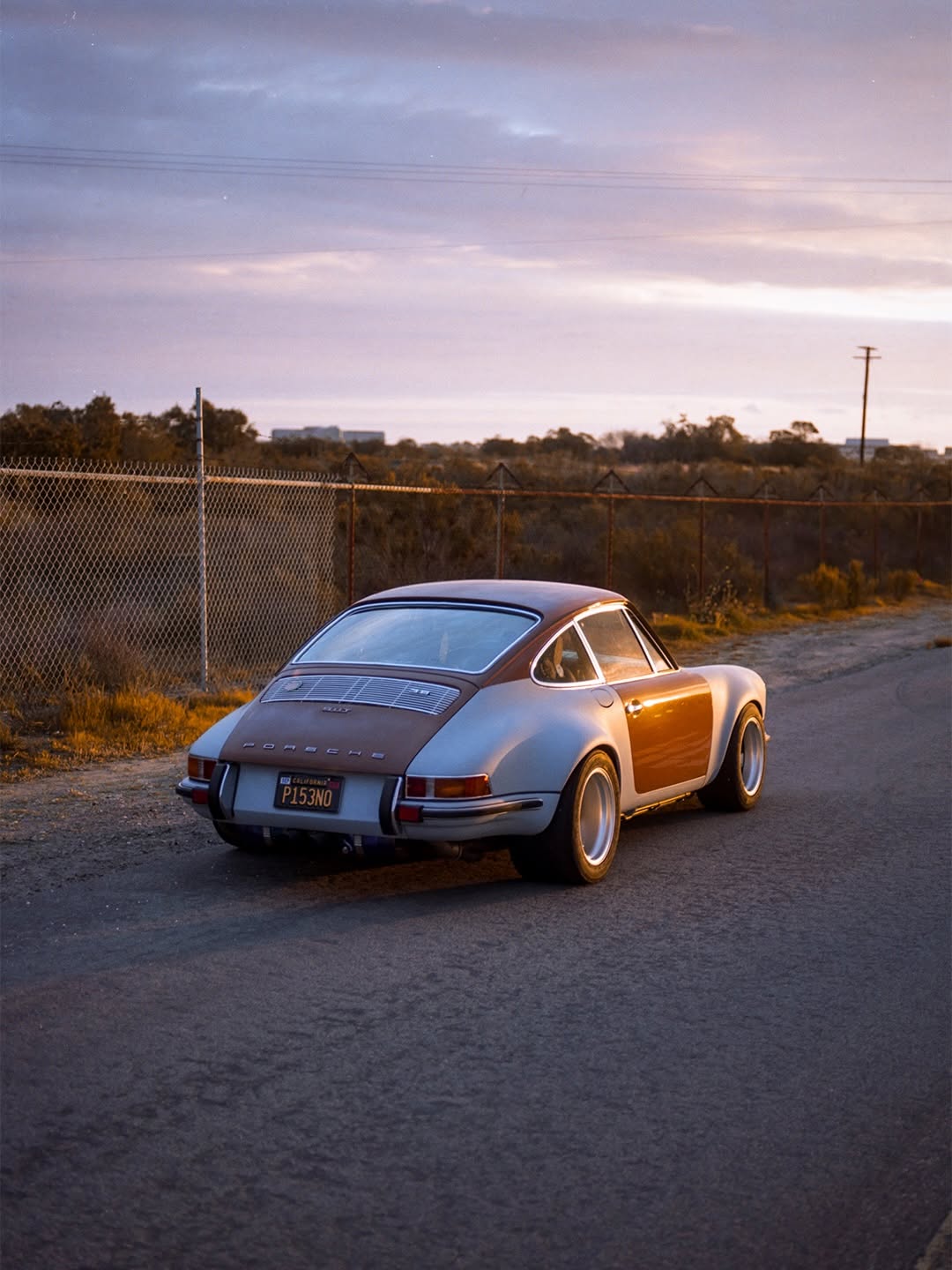
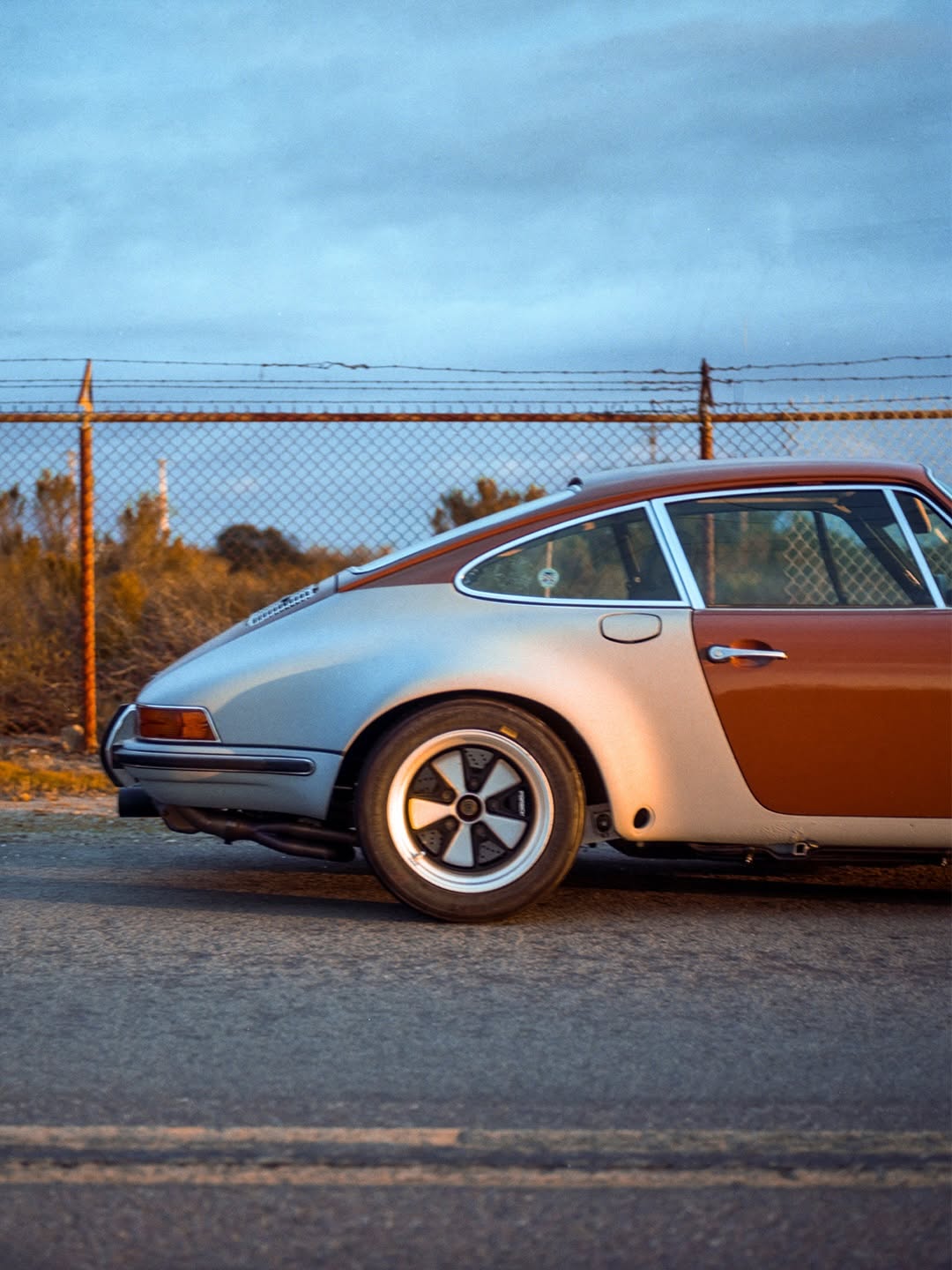
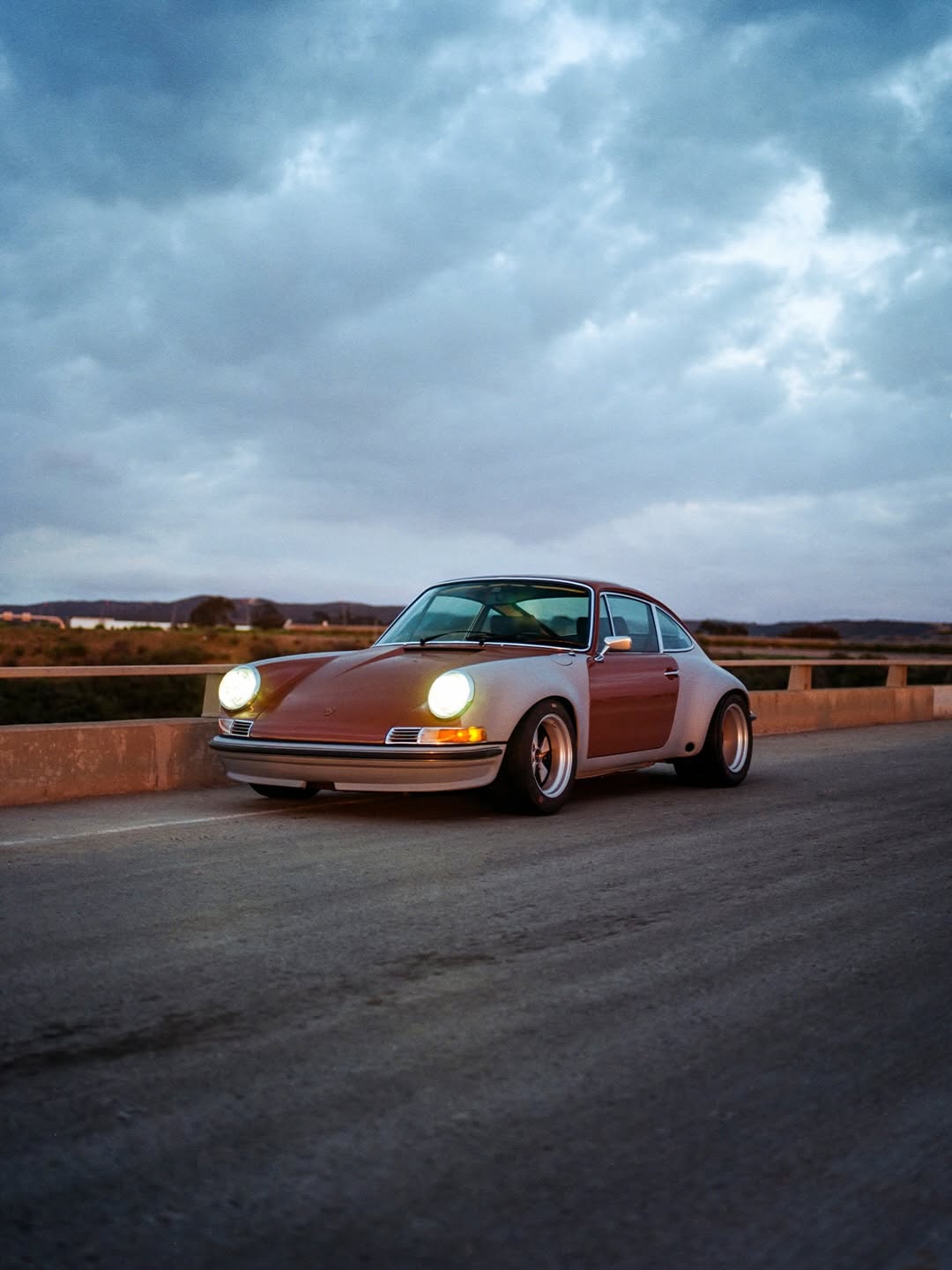
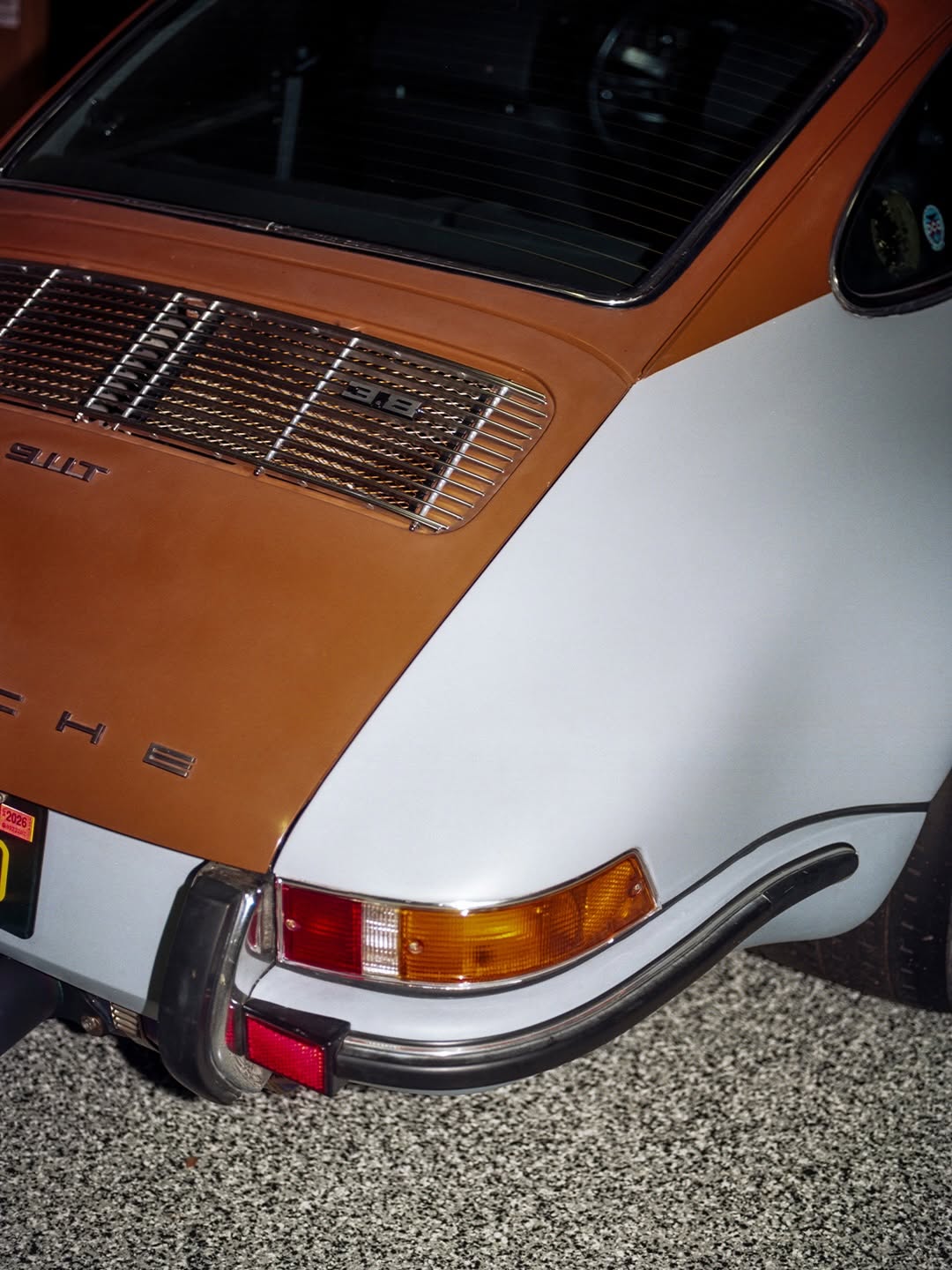
Build one like we used to. That is the whole brief, spoken by an owner who went looking online and found a car with no flares, barely running, sitting forgotten. Type7 documented what happened next, a restoration built with a friend of twenty years that rejects every modern restomod instinct. No widened arches. No horsepower arms race. Just a car returned to what it was supposed to be. Restraint is the design statement.
In a culture that adds, the harder move is to leave it alone.
Why Period Correct Is the Harder Discipline
The restomod era trained a generation of builders to add. Wider flares, bigger brakes, modern horsepower, carbon everywhere. Addition is easy to sell because it is easy to see. A widened fender photographs as effort. The harder discipline is restraint, building a car that looks like it always should have, where the work is invisible because the goal was correctness rather than spectacle.
This build chooses the harder path. No flares means the original proportion stays intact, which means every panel gap, every body line, every stance decision has to be right because there is nothing loud to distract from a mistake. A flared restomod hides imperfection under drama. A period correct build has nowhere to hide. The discipline is in the restraint.
The Constraint Is the Whole Story
Every interesting design decision comes from a constraint, and this build set its constraint in the brief. Build one like we used to is a rule, not a vibe. It forbids the modern additions that would make the project easier and louder. It demands period correct parts, period correct proportion, and a finish that reads as restoration rather than reinvention.
That constraint is what makes the project worth documenting. A blank check restomod with unlimited modification is a budget exercise. A build governed by a strict period correct rule is a design exercise, where the constraint forces every decision to serve a single coherent vision. The friend of twenty years matters here too. This was built by people who share a reference for what used to means, not a commercial shop optimizing for resale.
The Cross Industry Read on Restraint as Luxury
Restraint has become the rarest luxury across design categories. The market has more than enough maximalism. What it lacks is the discipline to stop. Cross reference. Norm Architects walked into a Tribeca industrial building and left it entirely itself, choosing preservation over imposition. The Type7 build is the automotive version of the same principle. The skill is in what you do not change.
Cross reference again. Type7 has built its entire editorial practice on this restraint register, documenting cars and culture that value correctness over spectacle. The barn find build fits the publication''s thesis exactly. The most considered cars are often the least modified.
The Material Honesty of a Barely Running Find
Starting from a barely running car is a material honesty decision. A pristine donor car is easy. A barely running find demands real restoration work, sorting mechanicals, addressing decades of neglect, returning systems to function. The starting condition is harder, but it produces a more honest result. The car earns its restoration rather than receiving a cosmetic refresh.
The web sourcing detail matters too. Found while surfing the web, not at a concours auction or through a broker. That is how most real builds start now, with someone scrolling listings and seeing potential in a car everyone else passed over. The democratization of the barn find is a genuine shift in build culture.
What the 13 Plate Carousel Documents
The post runs deep, thirteen images documenting the car and likely the build process. The carousel format is the right tool for a restoration story because the work is in the detail. Panel fit, stance, period correct trim, the finish quality that separates a real restoration from a cosmetic one. Thirteen plates give the build room to show the restraint at the detail level where it actually lives.
Type7 documents these builds the way an architecture publication documents a renovation, with attention to the decisions rather than just the final glamour shot. The depth is the point.
What to Watch in Build Culture
Three things. Whether period correct restraint continues to gain ground against the restomod arms race in the collector market. Whether Type7 turns these owner built features into a recurring documentary series. And whether the barely running barn find, sourced online, becomes the dominant origin story for the next generation of restoration projects.
Build one like we used to. No flares, barely running, found online, finished with a friend of twenty years. The hardest thing in design is knowing when to stop adding. This build knew.
Frequently Asked Questions
What is the Type7 build one like we used to project?
A restoration project documented by Type7, built from a barely running car the owner found online, framed around period correct restraint rather than modern modification.
Why no flares?
The build deliberately rejects the modern restomod trend of widened fender flares and added horsepower, choosing to preserve stock proportion and period correct detail instead.
Who built it?
The owner and a friend of 20 years, executed as a personal project rather than through a commercial restoration shop.
Topics: build-culture, type7, restraint, automotive, restoration, design, period-correct, restomod, barn-find, car-design