STERLING RUBY BURIES FLOWERS IN BRONZE AT GAGOSIAN PARIS
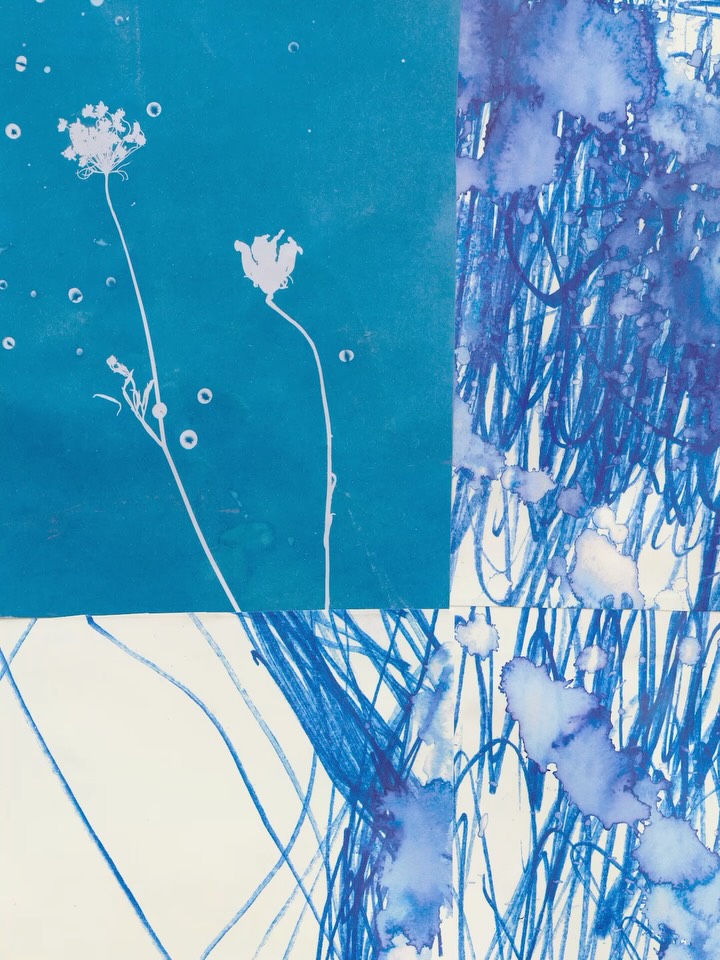
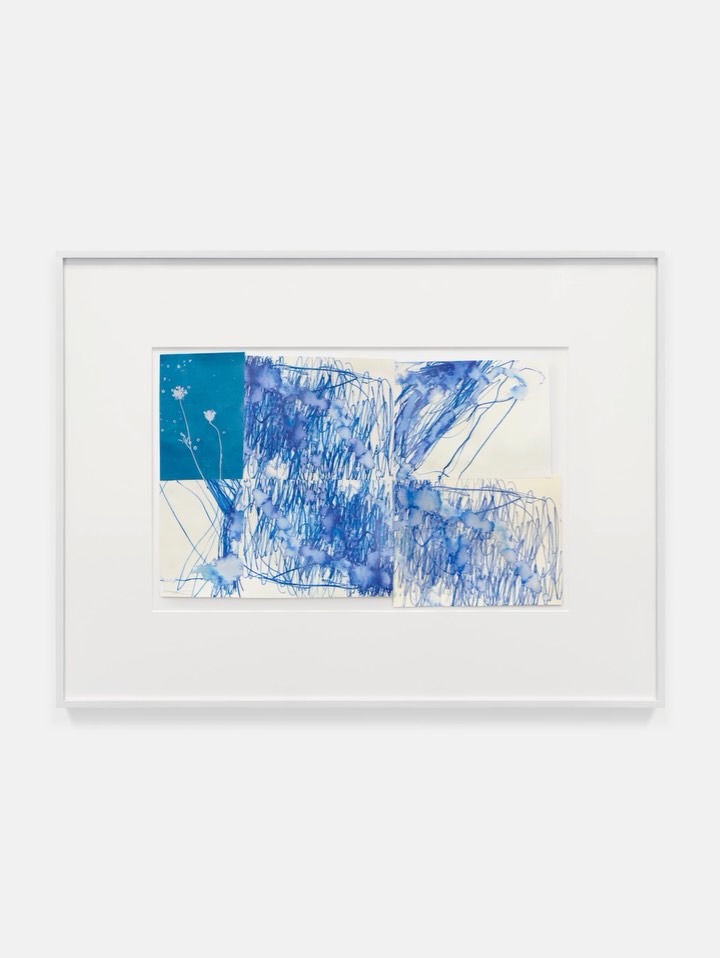
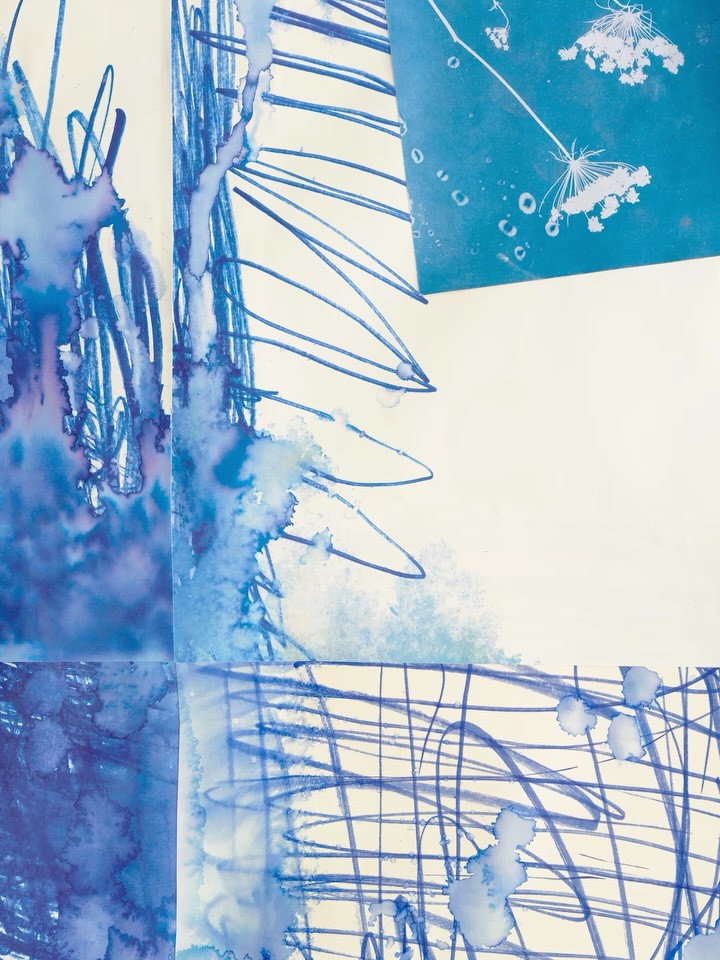
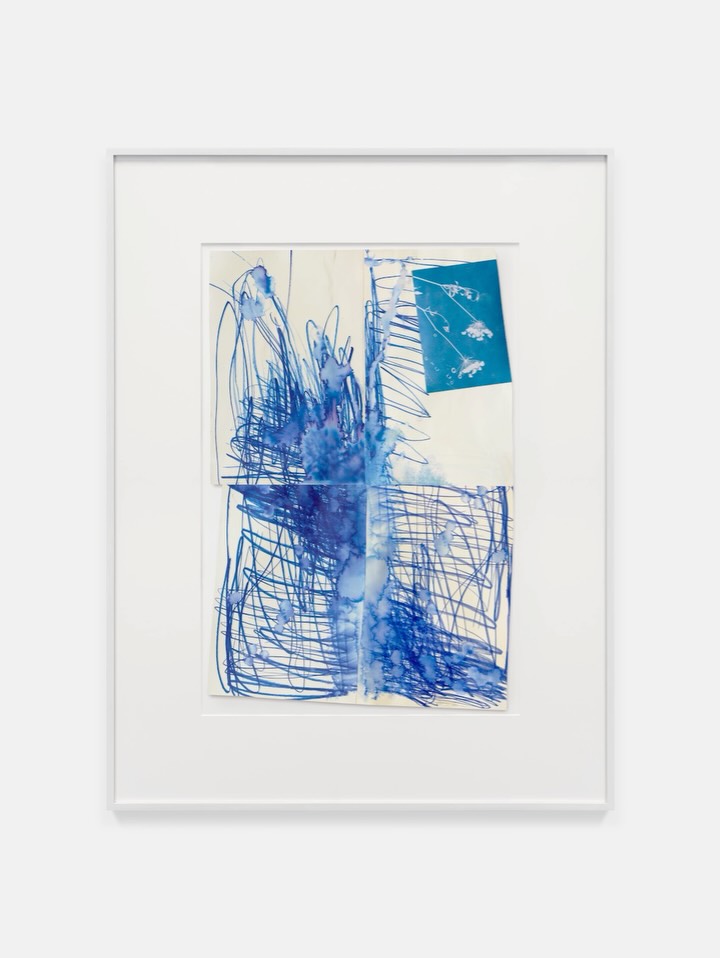
Sterling Ruby's Till Death Do Us Part opens at Gagosian, rue de Castiglione, Paris on June 12, 2026 and runs through October 3. The exhibition includes GHOSTS cyanotype collages that flood drought tolerant flowers in Prussian blue using an 1840s contact printing process, and Bound Flowers. Couple., cast bronze sculptures in which organic flower specimens are cremated during casting, leaving silica residue embedded in the bronze surface. The Paris show follows Ruby's 2025 Gstaad programme and is the most materially rigorous gallery exhibition in the European June calendar.
Key Points
- TILL DEATH DO US PART opens at Gagosian rue de Castiglione, Paris on June 12, 2026 and runs through October 3, 2026
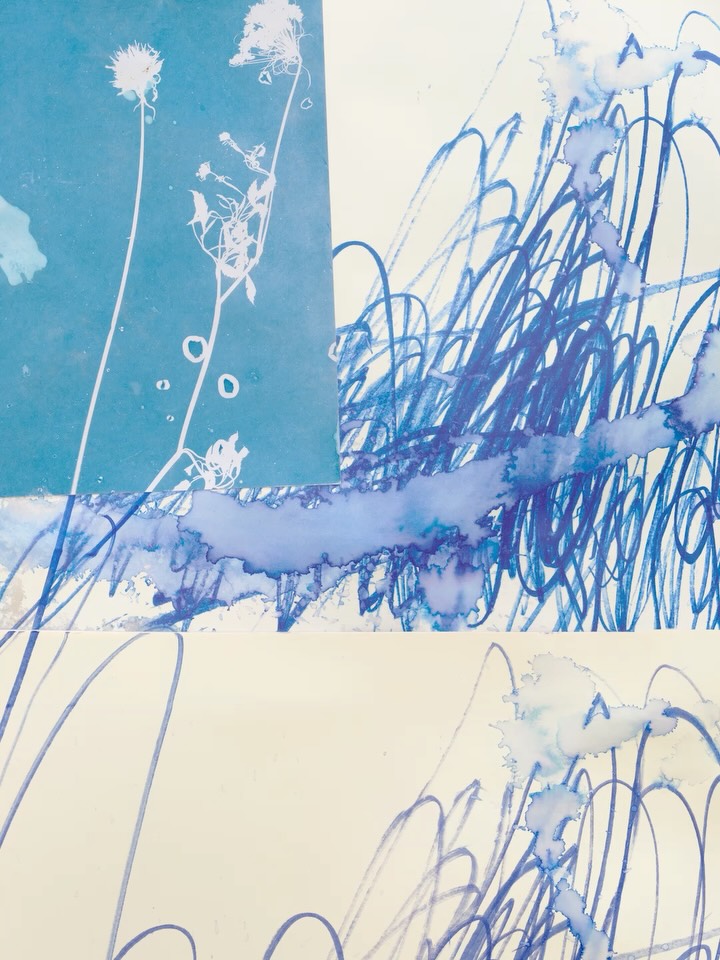
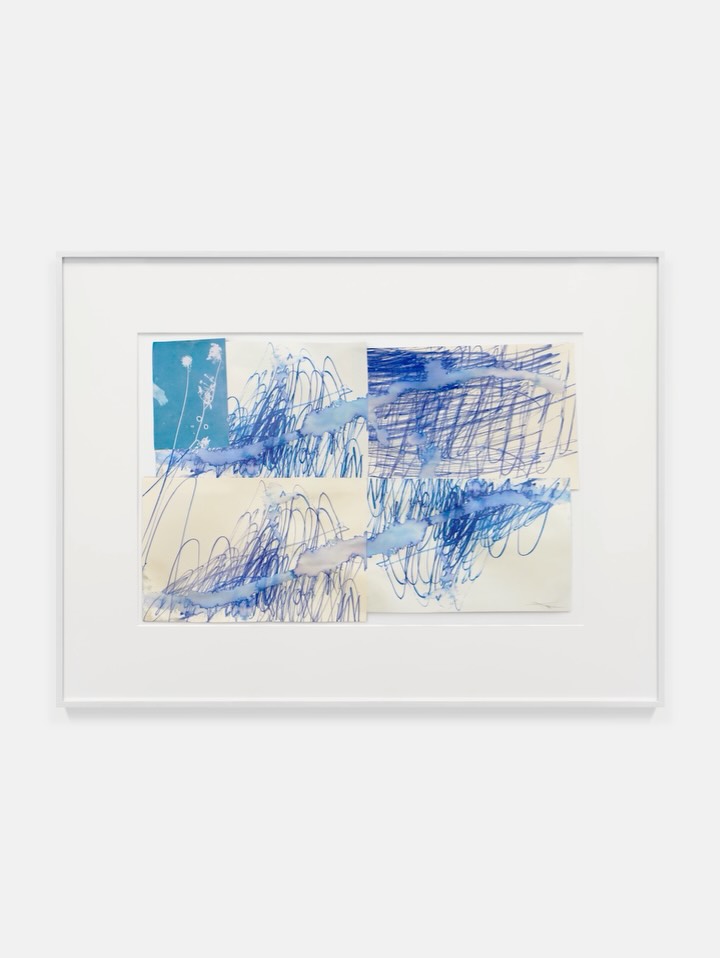
- The GHOSTS cyanotype series (2013) floods drought tolerant flowers in Prussian blue using an 1840s contact printing process combined with line drawing
- Bound Flowers. Couple. bronze sculptures cremate the original organic flower during casting, leaving silica residue embedded in the bronze surface
The cyanotype turns everything blue. Sterling Ruby knows this. He has been working with it since at least 2013, flooding studio garden trimmings in Prussian blue and ultramarine until what began as a pressed stem looks like a page from an oceanographer's field journal.
"TILL DEATH DO US PART," an exhibition of new works by Sterling Ruby, opens at Gagosian, rue de Castiglione, Paris, on Friday, June 12, 2026 and runs through October 3. The show includes two bodies of work: the GHOSTS collages, which combine cyanotype photographs with rendered line drawing, and "Bound Flowers. Couple.," a series of cast bronze sculptures that Ruby has been developing since 2025.
The subject, in both cases, is flowers. The mood, in both cases, is mortality.
3 Days Until June 12. Here Is What Hangs in Paris.
The GHOSTS series produces its effects through a contact printing process that dates to the 1840s. A flower from the studio garden is pressed directly onto photosensitive paper and exposed to UV light. The resulting image is a negative, rendered entirely in shades of blue: Prussian blue in the shadows, ultramarine in the midtones, indigo and violet where the petals were thinnest. Ruby selects drought tolerant flowers as source material, which is a specific botanical observation rather than a decorative preference.
Each collage in the GHOSTS series adds a layer of rendered line drawing onto the cyanotype photograph. The lines follow the stem, extending it, implying that the drawing is a continuation of the flower's own growth rather than a mark placed over it from outside. The new works for Paris are numbered: "GHOSTS (9180)," "GHOSTS (9181)," "GHOSTS (9182)." Ruby uses production numbers rather than descriptive titles, insisting these function as evidence rather than expression.
Finally Offline covered Jennifer Guidi's sand paintings at Gagosian in June 2026, a body of work built through physical accumulation, each grain of silica pressed into wet acrylic. Ruby's process is structurally adjacent in its attention to material layering, but where Guidi builds surface up, the cyanotype records a contact: the flower pressed flat, its silhouette fixed in blue, the original specimen no longer present in any physical sense.Sterling Ruby Has Been Working in This Territory Since 2013
The DRFTRS series, begun in 2013 and still in active production, established the grammar that GHOSTS extends. DRFTRS combines intertwined gestural lines with imagery that resonates with cyanotype photography, producing compositions that Ruby describes as oscillating between botany, landscape, and archaeology. The series title is a corruption of "drifters," suggesting movement in materials that are also, paradoxically, fixed to a surface.
Ruby received his MFA from ArtCenter College of Design in Pasadena in 2005. Before graduate school he grew up in southeastern Pennsylvania, where Amish quilt-making and Pennsylvania redware pottery were the most systematic approaches to pattern and form he encountered in the surrounding culture. Both traditions are repetitive, regionally specific, and deeply oriented around objects that mark domestic life from birth to death. The quilt on the bed at a wedding. The ceramic bowl passed through three generations. Ruby absorbed those associations before he ever encountered a gallery wall.
His Gagosian exhibition history spans multiple locations and more than a decade of continuous positioning. The Gstaad show in summer 2025 demonstrated the range: the DRFTRS 8828 programme at altitude alongside outdoor sculpture. The Rome show in 2021 addressed ecological collapse directly. Each venue opens a different dimension of the same sustained inquiry.
Live Bronze Casting Cremates Its Own Subject
The second programme in the Paris show is "Bound Flowers. Couple." (2025 onwards), a series of cast bronze sculptures that are technically specific in a way that matters to the reading of the work. Live bronze casting requires a mould. Ruby uses silica to encase each organic flower specimen before the pour. The silica holds the flower's shape during casting. The molten bronze enters. The organic specimen burns away in the heat of the process, the flower cremated in the moment of its own reproduction.
What remains is a bronze holding the volume and posture of something that no longer exists. The silica residue stays embedded in the finished surface, trapped in crevices of the cast metal, a record of what was present at the moment of casting. Ruby describes this residue as evidence of loss. That description is accurate and restrained, which is the register Ruby operates in consistently.
"Bound Flowers. Couple." describes the sculpture's arrangement: pairs of flowers, bound together in a posture that Ruby connects explicitly to wedding portrait photography. Two bodies posed in rigid commitment. The show's title completes the reference.
The Gagosian Bet on Four Months in Paris
Gagosian's rue de Castiglione gallery sits one block from the Tuileries Garden. Gallery placement in Paris operates with the same logic that draft position operates in professional sports: where you show tells the market how the institution values the work at this moment. A four-month run is an uncommonly long programme for contemporary gallery work, and the scheduling is deliberate. European curators make their rounds in June and September. Museum acquisition committees visit Paris twice a year. The show's window covers both.
Daniel Arsham signs at Perrotin London at Claridges on June 18, nine days after the Gagosian Paris opening. The European gallery calendar in June 2026 is dense, and Ruby's placement is the most materially rigorous programme on view in any of those cities this month.The market read is unambiguous. Gagosian does not assign four months of prime Paris inventory to work they are uncertain about. The GHOSTS cyanotypes and the "Bound Flowers. Couple." bronzes represent Ruby at his most materially specific, which is also, in the current gallery market, Ruby at his most institutionally legible. The show through October 3 covers two full auction cycles. That is the institutional bet, and it is a considered one.
Frequently Asked Questions
What is in Sterling Ruby's Till Death Do Us Part exhibition at Gagosian Paris?
The show, opening June 12 and running through October 3, 2026, features GHOSTS cyanotype collages that flood drought tolerant flowers in Prussian blue and Bound Flowers. Couple., cast bronze sculptures of paired flowers bound in wedding-portrait postures.
What is the DRFTRS series by Sterling Ruby?
DRFTRS, begun in 2013 and ongoing, combines gestural line drawing with cyanotype flower imagery, producing compositions that oscillate between botanical study, landscape, and archaeological document.
How does Sterling Ruby make his Bound Flowers cast bronze sculptures?
Ruby encases live organic flower specimens in silica before pouring bronze. The flower burns away during casting, leaving its volume reproduced in bronze with silica residue embedded in the surface as a record of the original.
Topics: drftrs, daniel-arsham, daniel arsham, sterling-ruby, gagosian, cyanotype, paris, flowers, bronze-sculpture, art, contemporary-art, vanitas, perrotin