Vandenberg Pad 4E Turned Two Falcon 9s in 32 Hours
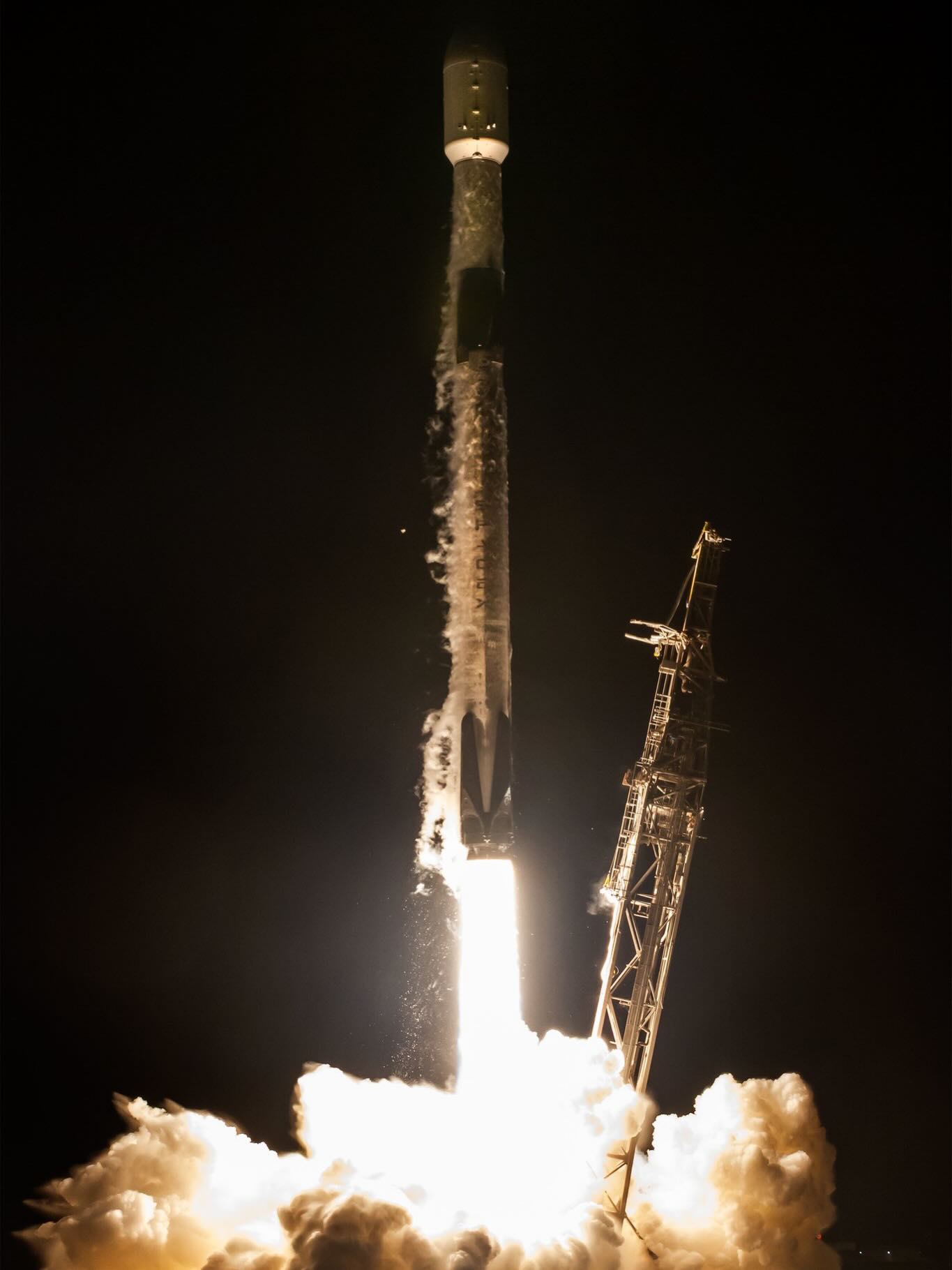
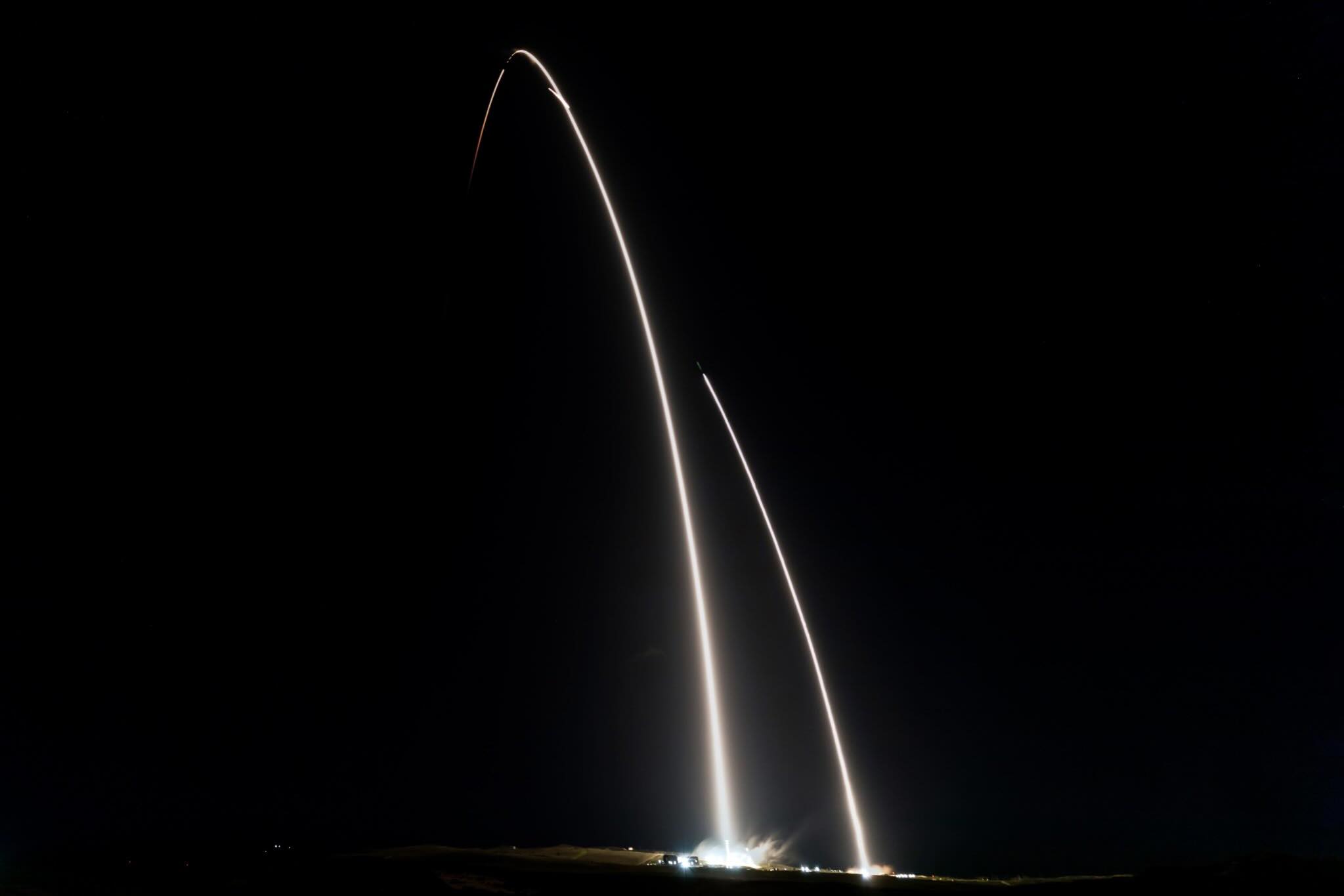
SpaceX launched NROL 136 for the National Reconnaissance Office from pad 4E at Vandenberg Space Force Base on November 22, 2026, 32 hours, 3 minutes and 21 seconds after USSF 317 left the same pad. It is SpaceX's fastest turnaround between two launches from one pad, beating 45 hours set at SLC 40 in Florida in January 2026.
Key Points
- NROL 136 launched Nov 22, 2026 at 4:23 a.m. PT, 32 hr 3 min 21 sec after USSF 317 from pad 4E
- Previous SpaceX best was 45 hours at SLC 40 in Florida on Jan 14, 2026
- Boosters B1100 (11th flight) and B1097 (14th flight) flew the two missions
Kiko Dontchev runs launch at SpaceX, and this weekend he gave his west coast pad crew a "massive high five." They'd just cleared pad 4E at Vandenberg Space Force Base after one Falcon 9 launch and sent the next one up 32 hours later, the fastest turnaround SpaceX says it has managed between two launches from a single pad.
The second rocket carried NROL 136 for the National Reconnaissance Office. The first carried USSF 317 for the U.S. Space Force. Two classified payloads, two different boosters, one concrete pad.
The record isn't about the rocket. It's about the people on the ground.
NROL 136 Lifted Off Before Dawn on Sunday
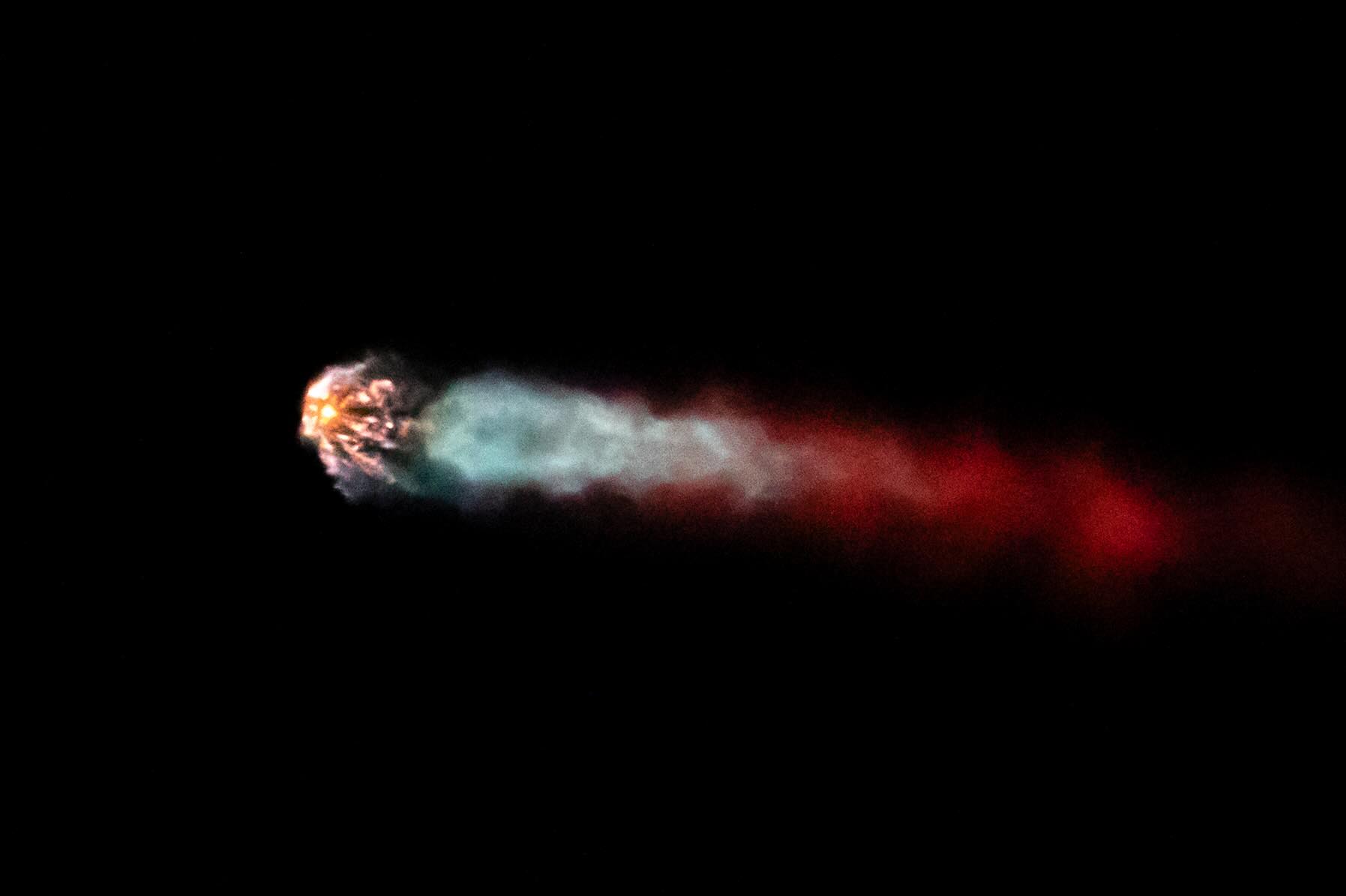
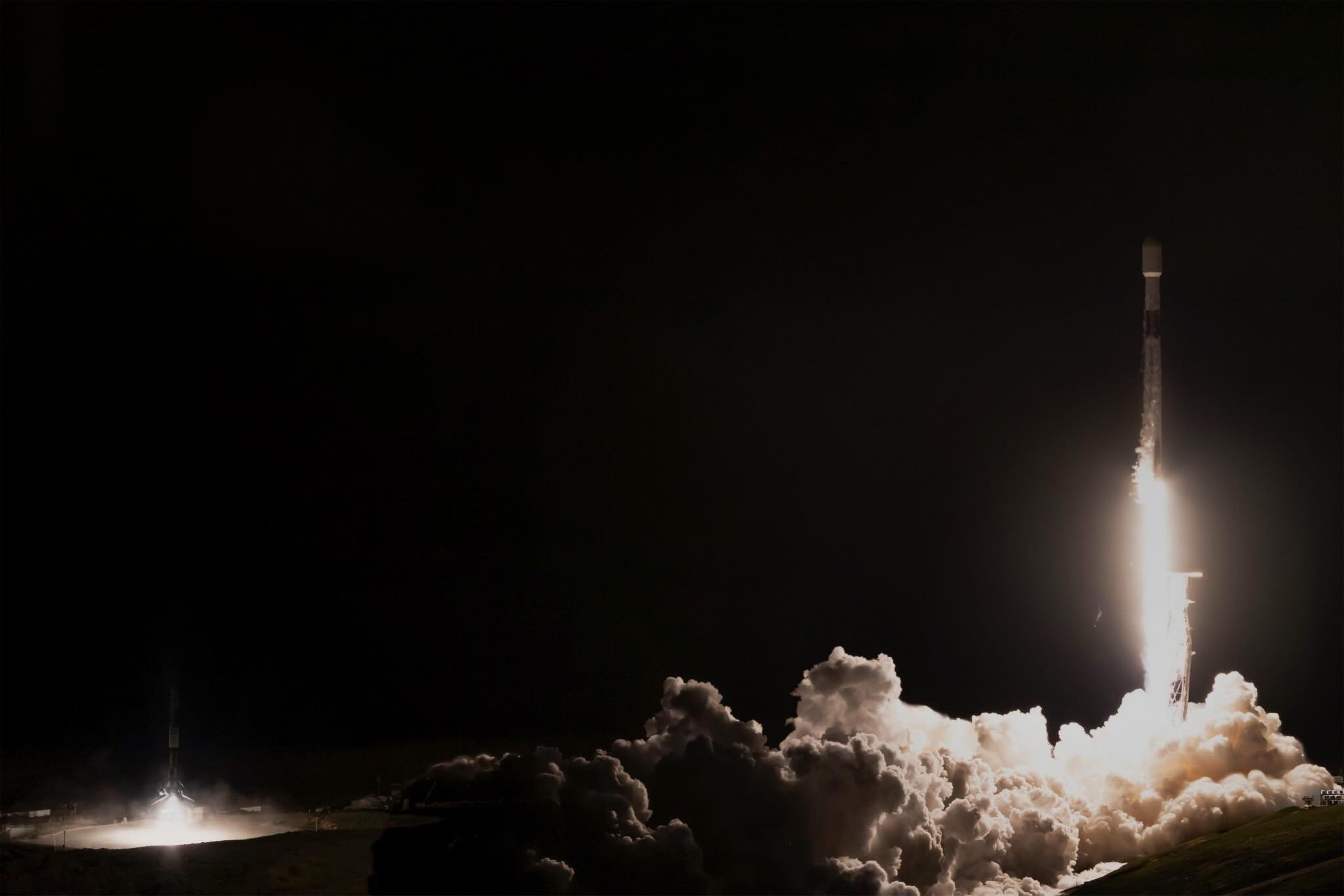
NROL 136 left Space Launch Complex 4E at 4:23 a.m. Pacific on Sunday, November 22, 2026, carrying satellites for the NRO's proliferated architecture. The agency didn't say how many satellites flew or what they do, which is normal for the program.
The booster was B1097, on its 14th flight. It came back to Landing Zone 4, right next to the pad, about seven and a half minutes after liftoff.
Space.com counts this as the 15th launch for the proliferated architecture, a series that started with NROL 146 in May 2024 and is building out a large constellation of smaller spy satellites in low Earth orbit. It was also the NRO's sixth launch of 2026.
USSF 317 Flew a Day and a Half Earlier
USSF 317 lifted off from the 4E pad on the evening of Friday, November 20, Pacific time, which was the early hours of November 21 in UTC. It had been targeted for November 18 and scrubbed on Thursday the 19th before it finally went.
That flight used booster B1100 on its 11th mission, and it landed out at sea on the drone ship Of Course I Still Love You. Spaceflight Now described the payload as satellites for the Space Force's data network constellation.
So one booster was bobbing in the Pacific while a different one was standing on the pad. That split is the whole trick. A pad turnaround doesn't wait on a booster coming home; it waits on the pad itself being cleaned, checked and ready to fuel again.
Dontchev Wants a 24 Hour Turn Next
The previous company best was 45 hours, set at Space Launch Complex 40 in Florida on January 14, 2026, when a Starlink mission flew 45 hours after Starlink 6 97 left that pad on January 12. The west coast just took that number down by roughly 13 hours.
In a little over a year the California pad went from more than 58 hours between launches to 32.
Kiko Dontchev, SpaceX's vice president of launch, put the time on X with an exclamation point, "32 hr, 3 min, 21 sec!", and added that the team "got there with several hours of margin." His next line was the one that matters. "Next goal… the 24 hr turn!"
Pads Are the New Bottleneck
Reusable boosters solved the expensive problem. SpaceX has been flying first stages 10, 20 and more times for years, and Falcon 9 boosters now carry extra payloads on their own airframes, like the Besxar chip factory pods bolted to B1090 in July. Once the rocket stops being the limit, the next limit is the ground.
A launch pad after a Falcon 9 flight isn't a parking spot. The crew has to inspect it, roll the next vehicle out, raise it, fuel it and run a full countdown. Doing that in a day and a third on the west coast, where the launch cadence was always slower than Florida's, is a change in how the range works.
Here's the habit shift. A pad that turns in 32 hours lets two government agencies fly back to back from one site inside a single weekend, and that's what the Space Force and the NRO just did.
SpaceX Counts Every Hour in Public
SpaceX now does this in public. Since SpaceX listed on Nasdaq in June, launch cadence isn't only an engineering number; it's the core of how investors read the business, because every launch from a reused booster on a fast pad earns more against fixed costs.
The government customers are the quiet winners. The NRO's proliferated constellation depends on getting a lot of satellites up quickly, and so does the Space Force's data network.
The 24 hour turn is now the stated target, in Dontchev's own words, and the people who'll have to hit it are the same crew who just did 32. Nobody on the outside will see them work. They'll only see the second rocket go.
Neither booster was the hard part this weekend. B1100 had 11 flights behind it and B1097 had 14.
Frequently Asked Questions
What is SpaceX's fastest launch pad turnaround?
32 hours, 3 minutes and 21 seconds, between USSF 317 and NROL 136 from pad 4E at Vandenberg in November 2026. The previous best was 45 hours at SLC 40 in Florida.
What was NROL 136?
A National Reconnaissance Office mission carrying satellites for its proliferated architecture, launched on a Falcon 9 from Vandenberg on November 22, 2026.
Which boosters flew USSF 317 and NROL 136?
B1100 on its 11th flight flew USSF 317 and landed on the drone ship Of Course I Still Love You; B1097 on its 14th flight flew NROL 136 and landed at Landing Zone 4.
Topics: nrol-136, complex, national-reconnaissance-office, vandenberg, spacex, falcon-9, ussf-317, space-force, launch-cadence