SpaceX IPO Closed at $161. Musk Is Now a Trillionaire.
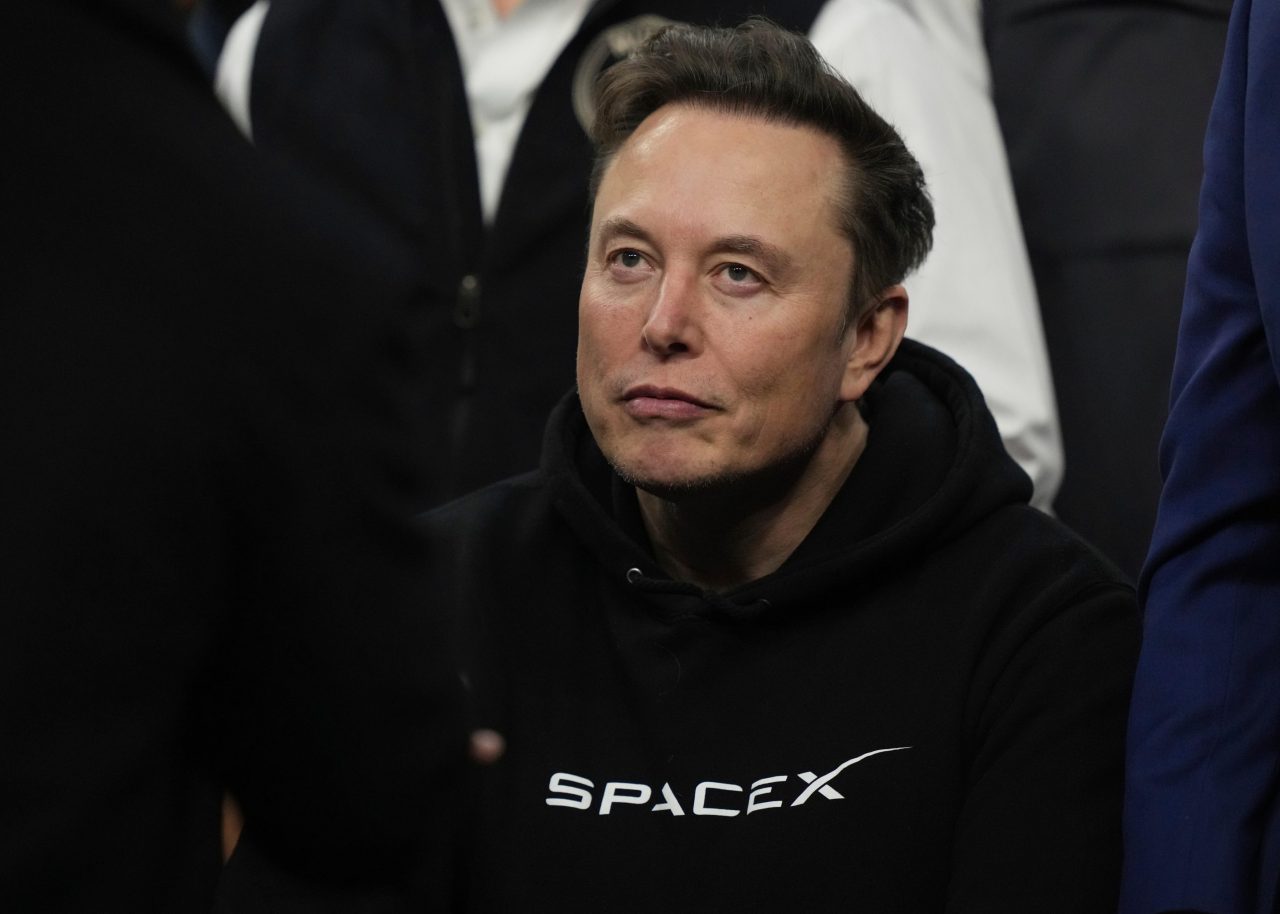
SpaceX closed at $161 on its first day as SPCX on Nasdaq. Musk crossed $1 trillion. Here is what the first trillionaire milestone actually signals.
Key Points
- SpaceX IPO priced at $135 and closed at $161 on June 12, 2026, giving the company a $1.77 trillion market cap on its first day as a public company
- The IPO gap from $460 billion implied at open to $1.77 trillion at close suggests institutional demand absorbed the float while retail participation drove the afternoon
- Musk crossed $1 trillion in net worth because SpaceX was his largest private holding; Tesla alone could not get him there at current market cap
- The Starlink division is the revenue story that made the SpaceX IPO viable for public market investors; without it SpaceX is a cost center
- SpaceX going public introduces quarterly earnings pressure and shareholder accountability to a company that previously absorbed development failures without external scrutiny
$135 at open. $161 at close. SpaceX began trading as SPCX on Nasdaq on June 12, 2026.
Elon Musk's net worth crossed $1 trillion on the same day. The first trillionaire in recorded history. The milestone did not arrive quietly.
A $1.77 trillion market cap on the first day of trading is not a number that suggests the market is waiting to see how this plays out. It is a vote of confidence delivered before the company has filed a single quarterly earnings report as a public entity.
$1.77 Trillion Market Cap on Day One: What That Price Says
The market was pricing SpaceX before the IPO on private secondary markets where shares traded at premiums that implied a valuation somewhere between $350 billion and $500 billion. The IPO at $135 per share valued the company at roughly $460 billion. By close of day one, the market had taken it to $1.77 trillion.
That gap, from IPO price to close price, is not typical. It indicates that the IPO was significantly underpriced, that institutional demand absorbed the float at open, and that retail participation drove the afternoon session. The company's underwriters left significant value on the table.
For Musk, the net worth calculation crossed $1 trillion because SpaceX represented the largest portion of his private holdings. The Tesla position alone cannot get there; Tesla's market cap has compressed since 2021. It is SpaceX that pushed the number across the threshold.
What a trillionaire looks like in practice: one person's net worth exceeds the gross domestic product of Saudi Arabia. The comparison is imperfect but the scale registers.
SpaceX Goes Public and Now Has to Answer to Shareholders
This is the behavior change that the IPO number obscures. SpaceX as a private company could absorb the Starship development program's failures, delays, and explosions without quarterly earnings pressure. Musk could direct capital toward long duration bets like Mars colonization infrastructure without board pressure on return timelines.
That flexibility is now constrained. Not eliminated, because Musk retains voting control through share structure. But constrained, because the quarterly reporting requirement introduces a new audience that did not exist before June 12: public shareholders who bought SPCX at $161 and expect a return.
The Starlink business is the reason the IPO worked. It is the revenue generating division that gives public market investors a business model they can underwrite. Without Starlink's subscription revenue and satellite constellation build out, SpaceX is a cost center with aspirational long duration bets. With Starlink, it is a technology infrastructure business that happens to also have rockets.
Anthropic's position is the comparable case on the AI side: a private company with a transformative technology mission and a consumer product that generates the revenue needed to sustain the research. The IPO question for OpenAI's frontier builders is the same question SpaceX just answered: at what point does public capital become necessary, and what do you give up when you take it?Trillionaire Is Not Just a Number. It Is a Structural Change.
The first trillionaire shifts the reference point for how we think about wealth concentration in technology. The previous benchmark was $300 to $500 billion. Musk at $1 trillion is not an incremental extension of that range. It is a categorical change in what private wealth looks like in a technology led economy.
The structural implication: a single person now controls more financial capital than most nation-states' annual budgets. That capital does not just accumulate. It deploys. SpaceX, xAI, Tesla, Boring Company, and Neuralink are all capitalized partly by that personal wealth. The decisions Musk makes about where to deploy are effectively industrial policy decisions for the sectors he enters.
The space sector, the electric vehicle sector, and the neural interface sector did not have a single private actor with this kind of capital position before. Now they do. The downstream effects of that concentration will take a decade to fully register.
The Next Large Scale Tech IPO Is Not SpaceX. It Is One of These.
The SpaceX IPO changes the market's appetite for large-scale private technology companies going public. The valuation at close demonstrated that retail participation in a recognized technology brand IPO can absorb a float at a premium that secondary markets had not anticipated.
Anthropic and OpenAI are the next obvious conversations. Both are private companies with implied valuations in the hundreds of billions, consumer products generating real revenue, and research missions that require capital at scales that private rounds eventually stop supporting.
SpaceX just demonstrated that the public market will price ambition if you give it a revenue story to hold onto. Starlink is that story for SpaceX. The question for the next large scale tech IPO candidates is what their Starlink equivalent is.
Related: BESXAR'S CHIP FACTORY RIDES SPACEX'S BOOSTER TO SPACE.
Related: TESLA BET A TRILLION DOLLARS AND YOU MIGHT BE ON THE WRONG SIDE.
Topics: trillionaire, venture, 2026, nasdaq, elon musk, anthropic, tesla, spacex, public markets, tech, tesla-tesla, openai, starlink, ipo, spcx