Jenny Saville's Venice Show Closes at Ca' Pesaro
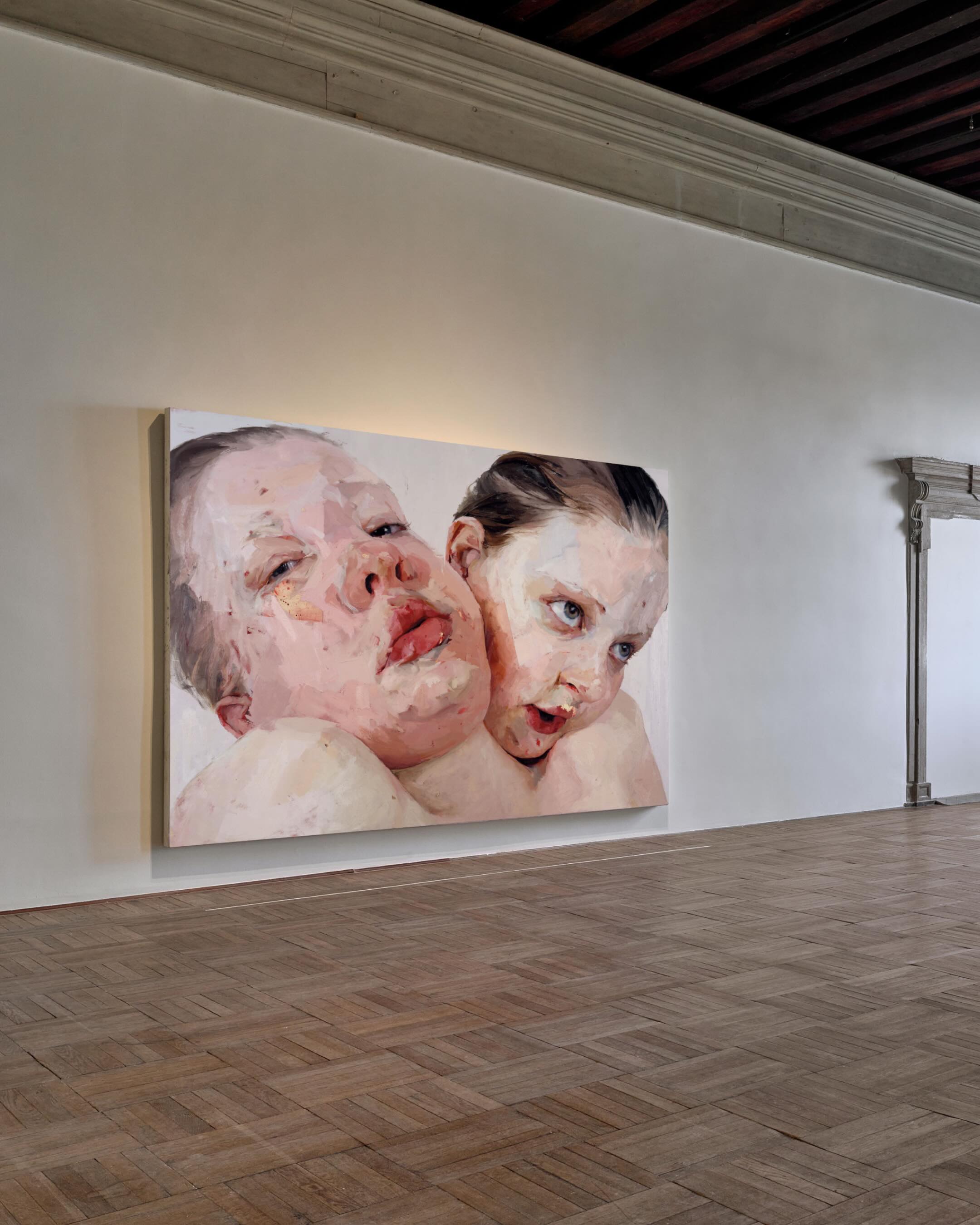
Jenny Saville a Ca' Pesaro, the first major exhibition of Jenny Saville's work in Venice, closed on November 22, 2026 at Ca' Pesaro, Galleria Internazionale d'Arte Moderna. Curated by Elisabetta Barisoni with Gagosian's support, it brought together more than thirty canvases and works on paper from the 1990s to the present, ending on a new cycle made as a homage to Venice.
Key Points
- Jenny Saville a Ca' Pesaro ran March 28 to November 22, 2026, curated by Elisabetta Barisoni
- More than thirty canvases and works on paper from the 1990s to now, ending on a new Venice cycle
- ARTnews counted it as her fourth museum show in about 18 months
Jenny Saville's paintings spent eight months in Titian's city, and now they're coming down. Jenny Saville a Ca' Pesaro, the first major exhibition of her work in Venice, closed on November 22, 2026, the same day the 61st Venice Biennale shut its doors across town.
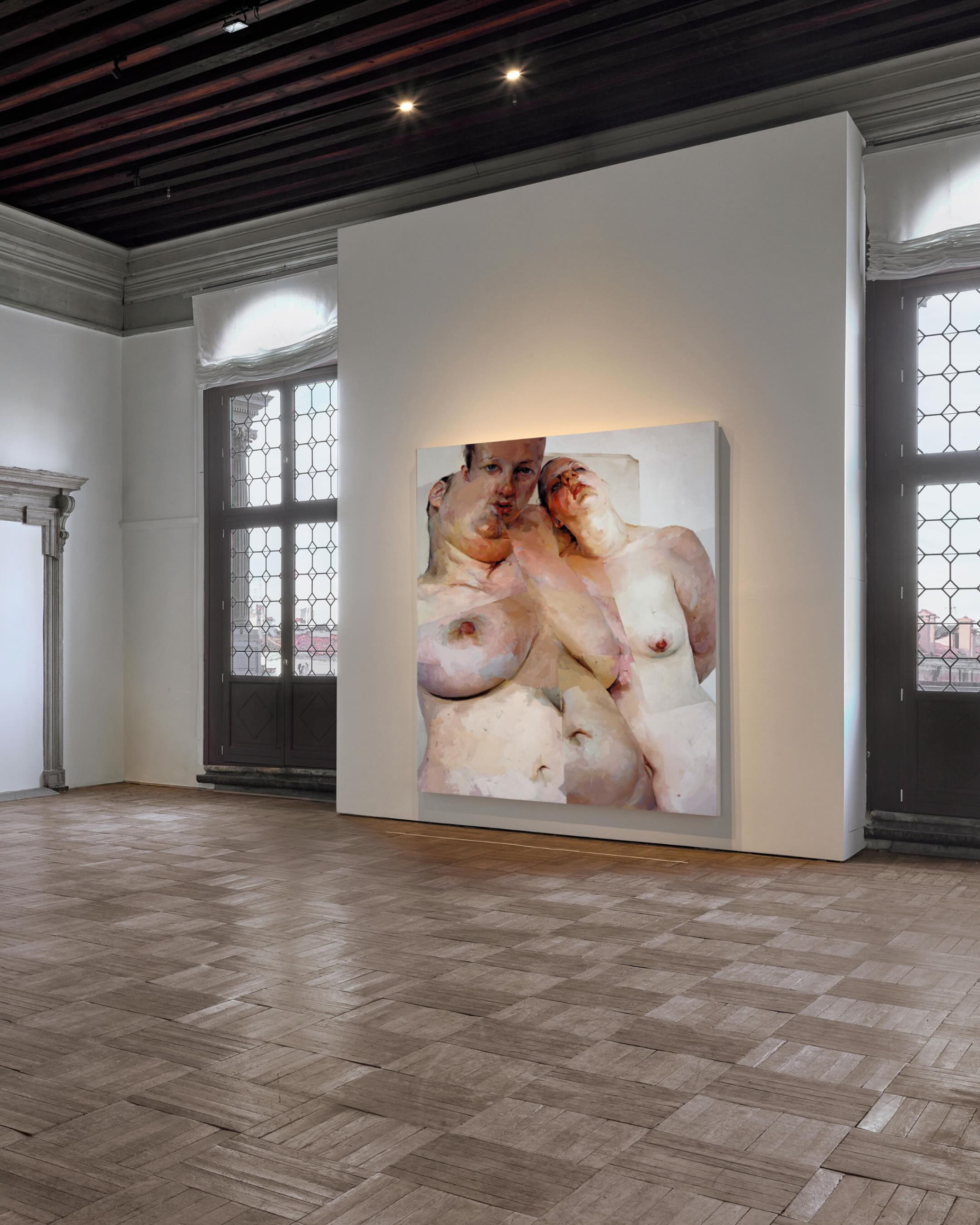
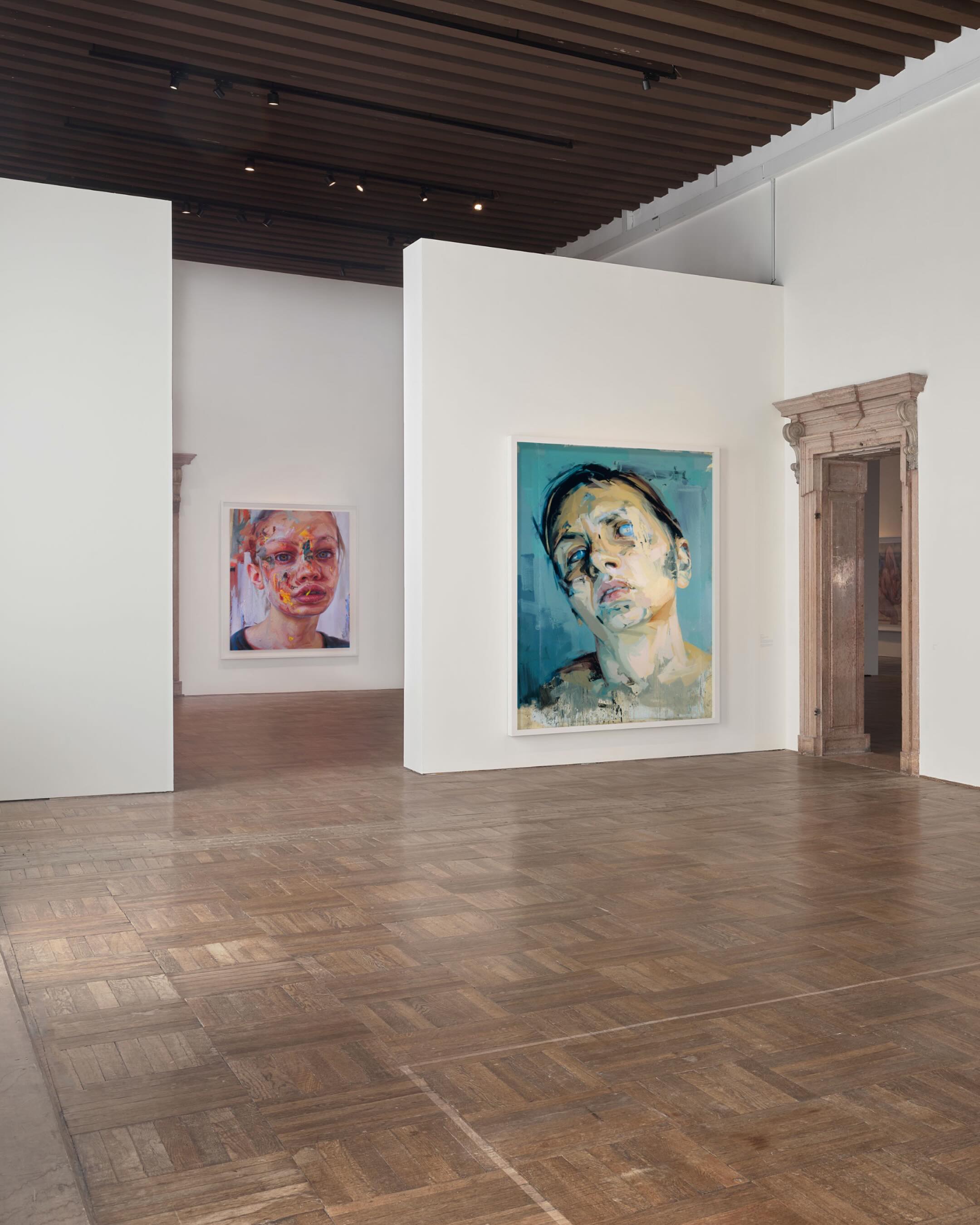
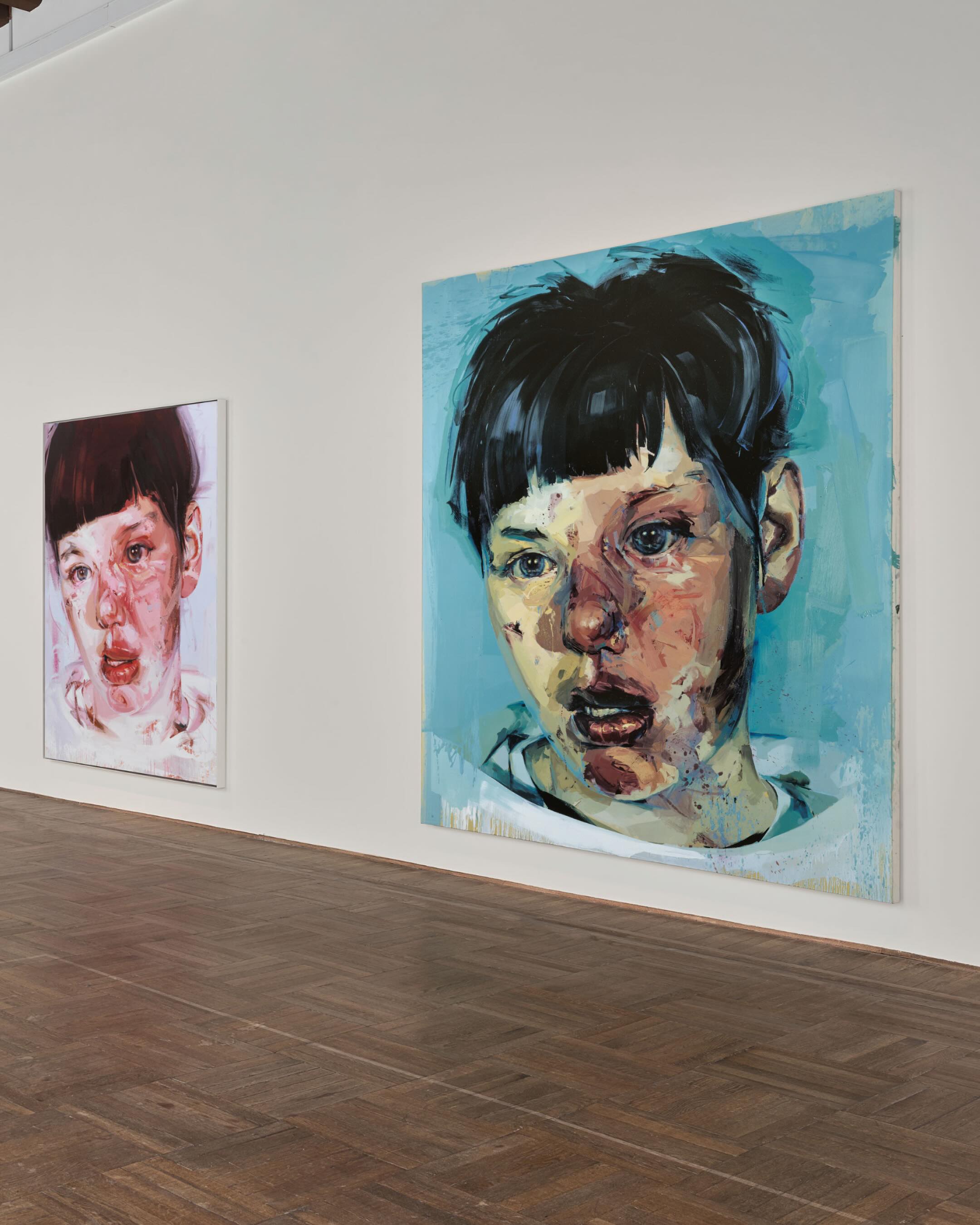
The show was a bet that a living painter could hold her own in a museum built for the old masters' heirs. It paid off. More than thirty canvases and works on paper, from the 1990s to now, filled Ca' Pesaro, Venice's Galleria Internazionale d'Arte Moderna, and the last room held a cycle of new work made as a homage to the city.
Saville Painted Back at Venice
Elisabetta Barisoni curated the exhibition, which opened March 28 with support from Gagosian. Its argument was simple. Saville's flesh, her huge bodies and close cropped faces, comes straight out of Venetian painting, and Venice is where you can see the line.
Reviews singled out paintings in direct conversation with Titian, including a Venus and Adonis and a Danaë, two subjects Titian painted for Philip II of Spain. Saville takes those mythologies and paints them at her own scale, bodies first.
That's the case for her in one room. She isn't quoting the old masters. She's arguing with them, in paint, on their home turf.
The new cycle in the final room was the riskiest move. A living artist making work for a city this loaded with painting history invites the comparison, and Barisoni put it at the end of the walk, where every visitor arrived fresh from the earlier work.
Hyphen, Reverse and Thirty Years of Skin
The early work showed where the obsession started. Hyphen, from 1999, is a double portrait of Saville and her sister. Reverse, from 2002 to 2003, shows the artist's own face reclining, mirrored as if on a reflective floor.
Those paintings came out of a career that broke open fast. Saville was one of the Young British Artists, and her 1992 painting Propped set the auction record for a living woman artist at Sotheby's London in 2018. She has spent the decades since earning the museum version of that attention.
Venice was her fourth museum show in about 18 months, ARTnews counted, after The Anatomy of Painting at London's National Portrait Gallery, which opened in June 2025, plus shows at the Albertina in Vienna and in Fort Worth. In 2021 Florence spread her work across Museo Novecento, the Palazzo Vecchio, the Opera del Duomo, Casa Buonarroti and the Innocenti, setting her next to Michelangelo.
Florence gave her Michelangelo. Venice gave her Titian. Few living painters get either conversation, and she has now had both.
A Grand Canal Palace Built for Modern Art
The building made the argument easier. Ca' Pesaro is a Baroque palace on the Grand Canal, designed by Baldassare Longhena and finished by Antonio Gaspari around 1710. Duchess Felicita Bevilacqua La Masa left it to the city at the end of the 1890s, and it opened as Venice's modern art gallery in 1902.
That history is the reason the placement worked. Ca' Pesaro isn't a contemporary white cube; it's a palace where the city has long hung what was new for its day. A Saville canvas on those walls reads as the next chapter of the building's story.
The show also sat inside a crowded season. The Biennale ran from May 9, and Venice filled with exhibitions trying to catch its audience, from AMA Venezia's Aura on down. A painting show of this weight held its ground against all of it by doing the oldest thing in Venice, putting oil on canvas in a palace.
For anyone who missed it, the record lives on in two places. Rizzoli published the catalogue, Jenny Saville a Ca' Pesaro, with an essay by Barisoni. And Gagosian Quarterly filmed Saville inside the show in May, in conversation with Stefania Ventra of Ca' Foscari University, about her early trips to Venice, the radical way Titian handled paint and the push to put emotional truth on a canvas. A written Quarterly interview, Engaging with the Past, opens on the two lists of past artists Saville keeps on her studio walls and asks her to choose between Titian and Tintoretto. That's a Venetian argument painters have been having for centuries, and she was asked to settle it in a sentence. Gagosian runs these artist sit downs often, as when Derrick Adams told the Quarterly how television built his work.
The Saville conversation is the better watch, because she's sitting in front of the paintings while she talks.
Ca' Pesaro gave her the Grand Canal for eight months, and she answered with a room of new paintings made for Venice itself.
Frequently Asked Questions
When did the Jenny Saville exhibition at Ca' Pesaro close?
It closed on November 22, 2026, after opening March 28, 2026, the same day the 61st Venice Biennale ended.
Who curated Jenny Saville a Ca' Pesaro?
Elisabetta Barisoni curated the exhibition, with support from Gagosian. Rizzoli published the catalogue with her essay.
What works were in Jenny Saville's Venice show?
More than thirty canvases and works on paper, including Hyphen (1999), Reverse (2002 to 2003), works in dialogue with Titian and a new cycle made as a homage to Venice.
Topics: palace, artnews, jenny-saville, venice-biennale, painting, titian, ca-pesaro, venice, gagosian-quarterly, gagosian