AMA Venezia Opens Aura for the 61st Biennale
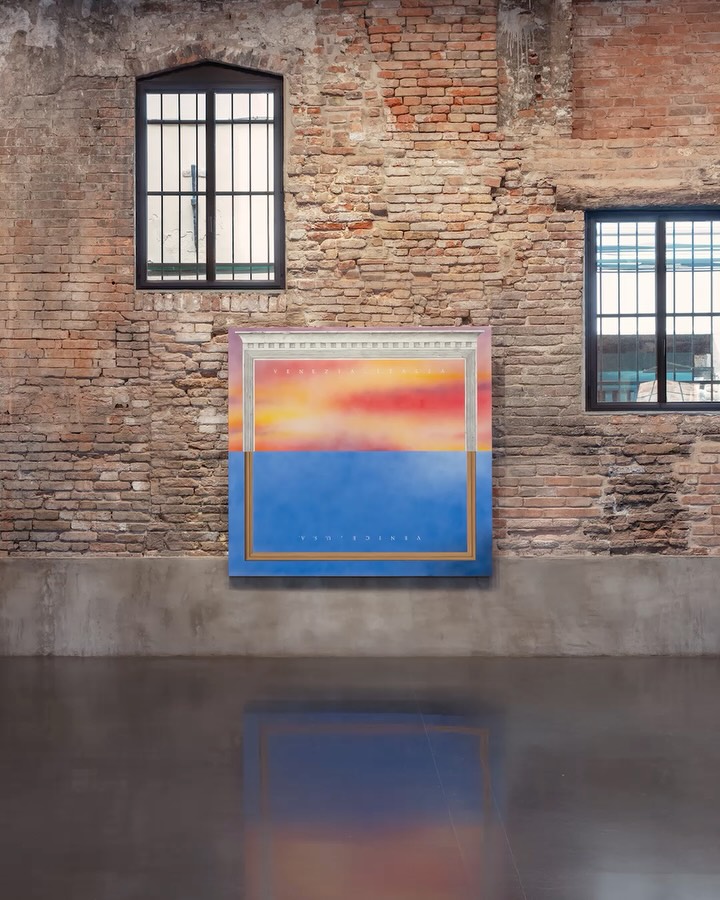
Aura is a group exhibition at AMA Venezia, the private museum founded by collector Laurent Asscher, running May 5 to November 22, 2026 and timed to the 61st Venice Biennale. All eleven artists, including Ed Ruscha, Charles Ray, Richard Serra, Jenny Saville, Christopher Wool, Laura Owens, Arthur Jafa, and Tino Sehgal, are drawn from the AMA Collection rather than presented by a gallery. Ruscha opens the show with a new work bridging Venice, California and Venezia, Italy, and Sehgal's Kiss (Clean Version) is performed in complete darkness from May 5 to June 7.
Key Points
- Aura runs May 5 to November 22, 2026 at AMA Venezia, the private museum of collector Laurent Asscher in Venice.
- All eleven artists, from Ruscha to Serra to Arthur Jafa, come from the AMA Collection assembled by Laurent Asscher, not a gallery.
- Tino Sehgal's Kiss plays in complete darkness from May 5 to June 7, with no object, image, or documentation.
Aura opened at AMA Venezia on May 5, 2026, and it runs through November 22. Every work in it belongs to one collection and one man. AMA Venezia is the private museum of the collector Laurent Asscher, and the eleven artists in Aura are all drawn from the AMA Collection. No gallery presents this show. The collector does.
That distinction is the whole story. A gallery show in Venice during Biennale season is a sales position. A collector opening his own building to show his own holdings is something else: a statement about taste, conviction, and the willingness to hang work where the entire art world will walk past it for six months.
Eleven Artists, All From One Collection
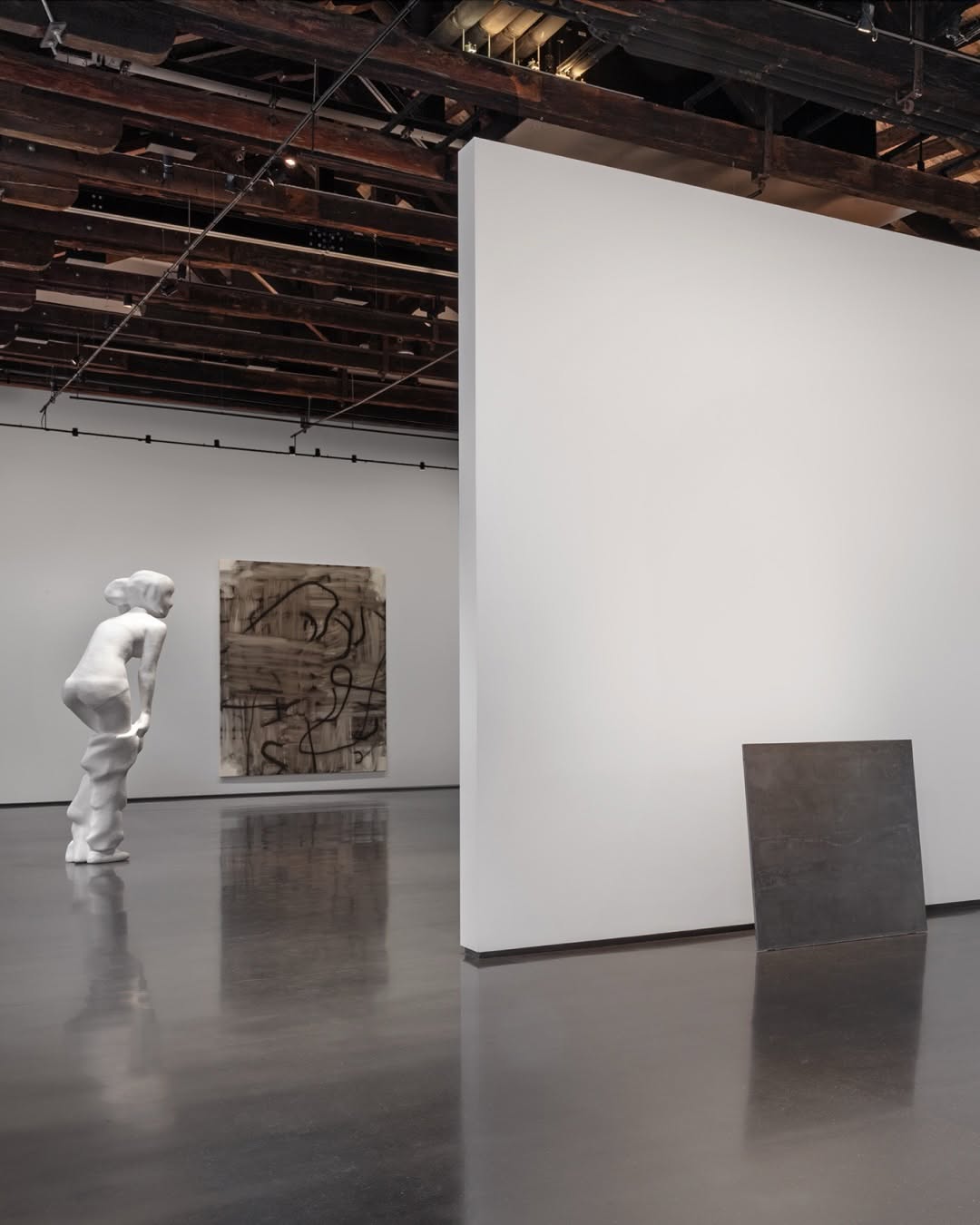
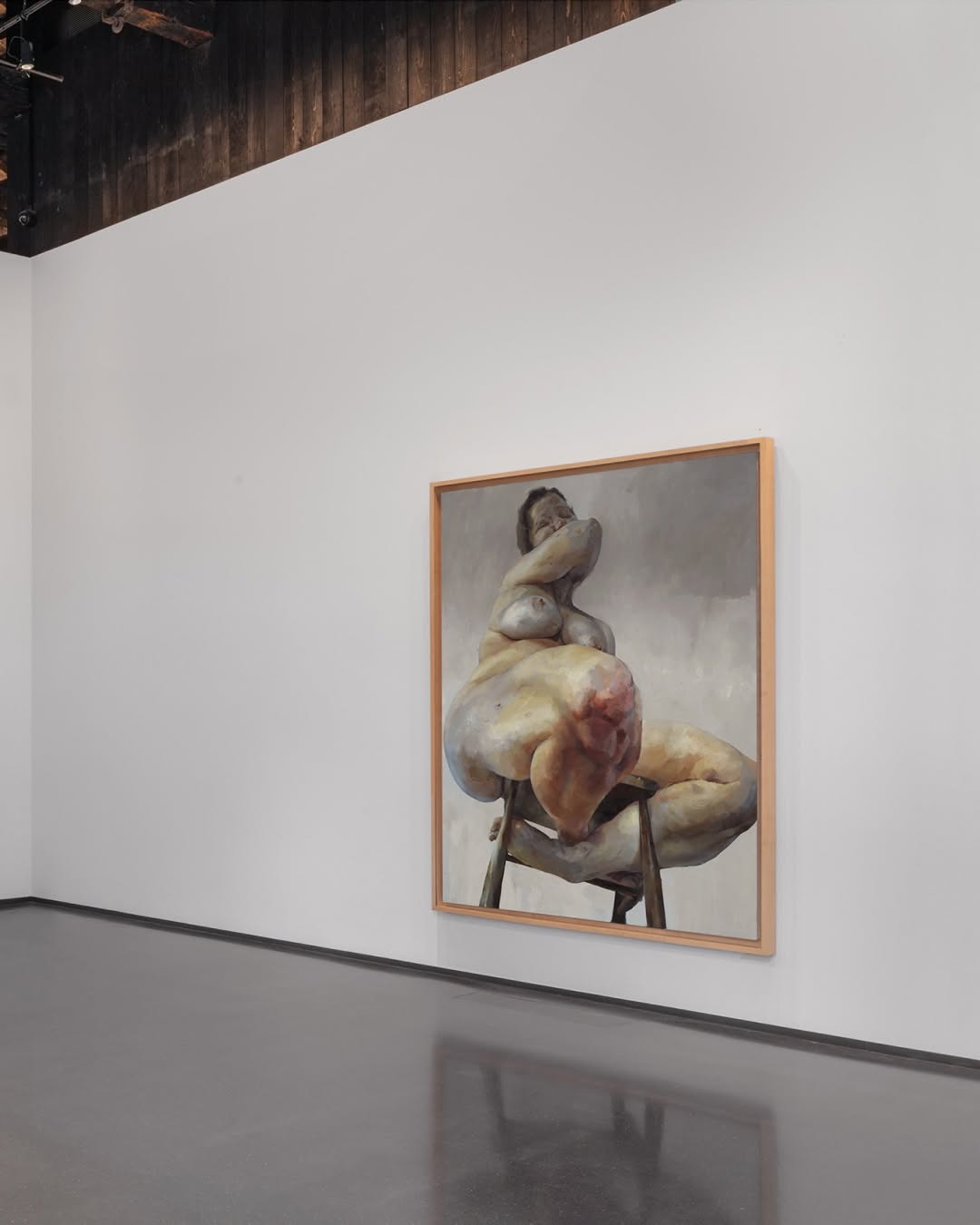
Aura gathers eleven artists, not four. The lineup is Arthur Jafa, Sang Woo Kim, Brandon Morris, Laura Owens, Charles Ray, Ed Ruscha, Jenny Saville, Tino Sehgal, Richard Serra, Christopher Wool, and Joseph Yaeger. These are not loans assembled by a dealer. They are pieces Asscher owns, hung together to argue what his collection believes the work of the last six decades actually contains.
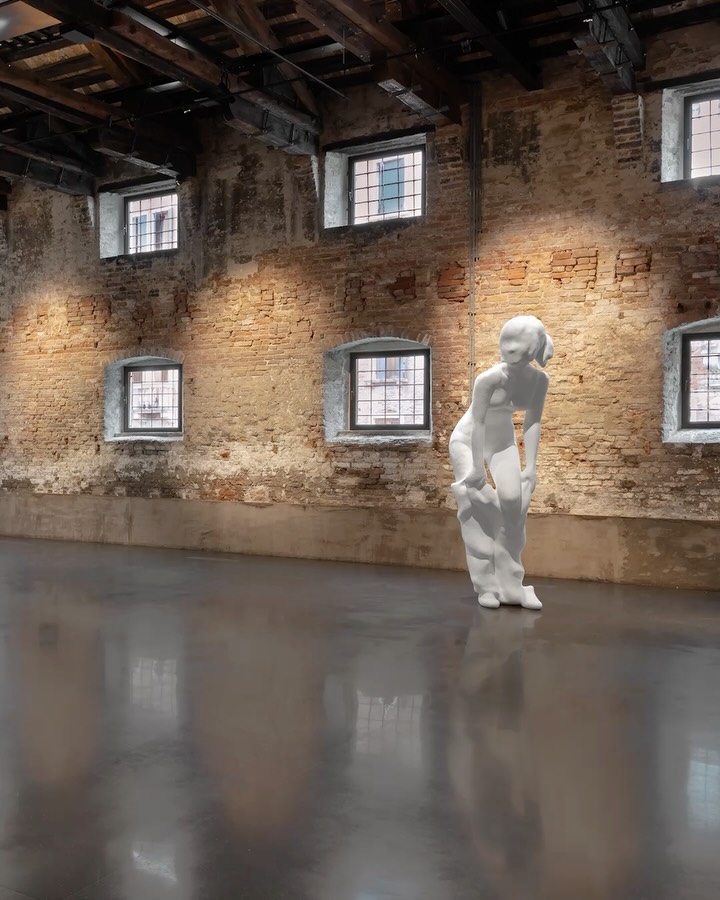
The bias is American and it is postwar. Asscher's stated focus runs from the 1960s to the present, with weight on American art read inside a global frame. Ray and Serra hold the sculpture. Ruscha, Owens, Wool, Saville, and Yaeger carry the painting. Jafa brings the moving image. It is a collection that wants to be read as a thesis, not a wall of trophies.
Ed Ruscha Opens With Two Venices
Ed Ruscha opens the exhibition with a significant new work, and the idea behind it is geographic. The piece sets Venice, California, where Ruscha has lived and worked for decades, against Venezia, Italy, the city it was named after. One Venice is a beach and a boardwalk. The other is a thousand years of water and stone.
Ruscha has spent his career turning language, signage, and the flat topography of the American West into paintings. Dropping a new Ruscha into a Venetian building is the kind of juxtaposition his work was built to carry. Venice during Biennale season fills up with this sort of transatlantic gesture; we saw it again when Amoako Boafo set up in a Venetian palazzo for the same calendar. Ruscha's version is colder and more conceptual: place as translation, name as displacement.
In Total Darkness, Tino Sehgal's Kiss
From May 5 to June 7, visitors walk into a completely dark room to experience Tino Sehgal's Kiss (Clean Version). There is no object, no image, and no documentation. The work exists only while performers enact it, built from movement, proximity, and human presence rather than anything you can hang or sell.
This is the piece that actually changes between May and June, and it is the one most likely to stop you. Sehgal refuses photography and written contracts; the work lives in the moment of its activation and then it is gone. In a show titled Aura, a piece you can only meet in the dark, in person, is the thesis stated out loud. Presence is the medium.
Read the Wall Label. It Says AMA.
AMA Venezia sits in Cannaregio, near the Scuola Grande della Misericordia, in a building that traces back to Venice's early industrial past. It runs more than 10,000 square feet, roughly 1,000 square meters, restored by TA Torsello Architettura to keep the rough memory of the structure while making room for work at this scale. Asscher opened it in 2025. Aura is its argument for why it exists.
Timed to the 61st International Art Exhibition of La Biennale di Venezia, the show enters a city that turns into one long art fair every Biennale year. The market noise around postwar names is loud right now; a single canvas can clear eight figures, as Rothko's No. 15 did at $98.4 million this spring. Aura sidesteps that by selling nothing. Admission is free, the doors are open daily from 11am to 6pm, and the wall labels credit the AMA Collection, not a gallery.
That is the placement read. When a collector shows eleven established artists in his own restored building during Biennale season and charges nothing to see it, he is buying something money usually cannot: a reputation as an institution rather than an owner. Asscher is betting that Aura reads as a museum. On artist caliber, and on the Sehgal alone, it does.
Frequently Asked Questions
What is the Aura exhibition at AMA Venezia?
Aura is a group exhibition at AMA Venezia, the private museum founded by collector Laurent Asscher, on view May 5 to November 22, 2026. It features eleven artists drawn entirely from the AMA Collection and is timed to the 61st Venice Biennale.
Who are the artists in Aura?
Arthur Jafa, Sang Woo Kim, Brandon Morris, Laura Owens, Charles Ray, Ed Ruscha, Jenny Saville, Tino Sehgal, Richard Serra, Christopher Wool, and Joseph Yaeger. Ed Ruscha opens the show with a new work.
Does Aura have an entry fee?
No. Admission to AMA Venezia is free, and the museum is open daily from 11am to 6pm in the Cannaregio district of Venice, near the Scuola Grande della Misericordia.
When does Aura at AMA Venezia run?
May 5 to November 22, 2026. Tino Sehgal's Kiss is on view only within that window, from May 5 to June 7.
Who is Laurent Asscher?
The collector who founded AMA Venezia, a private museum in the Cannaregio district of Venice. Every work in Aura comes from his AMA Collection, and no gallery presents the show.
What is the new Ed Ruscha work in Aura?
Ruscha opens the exhibition with a new piece that sets Venice, California, where he has long lived and worked, against Venezia, Italy, the city it was named after.
What is Tino Sehgal's Kiss at Aura?
A live performance work shown in a completely dark room with no object, image, or documentation. It exists only while performers enact it, on view May 5 to June 7.
Topics: dyson, ed-ruscha, 2026, art, venice-biennale, contemporary-art, laurent-asscher, pace gallery, tino-sehgal, pace-gallery, charles-ray, ama-venezia, richard-serra