BESXAR'S CHIP FACTORY RIDES SPACEX'S BOOSTER TO SPACE
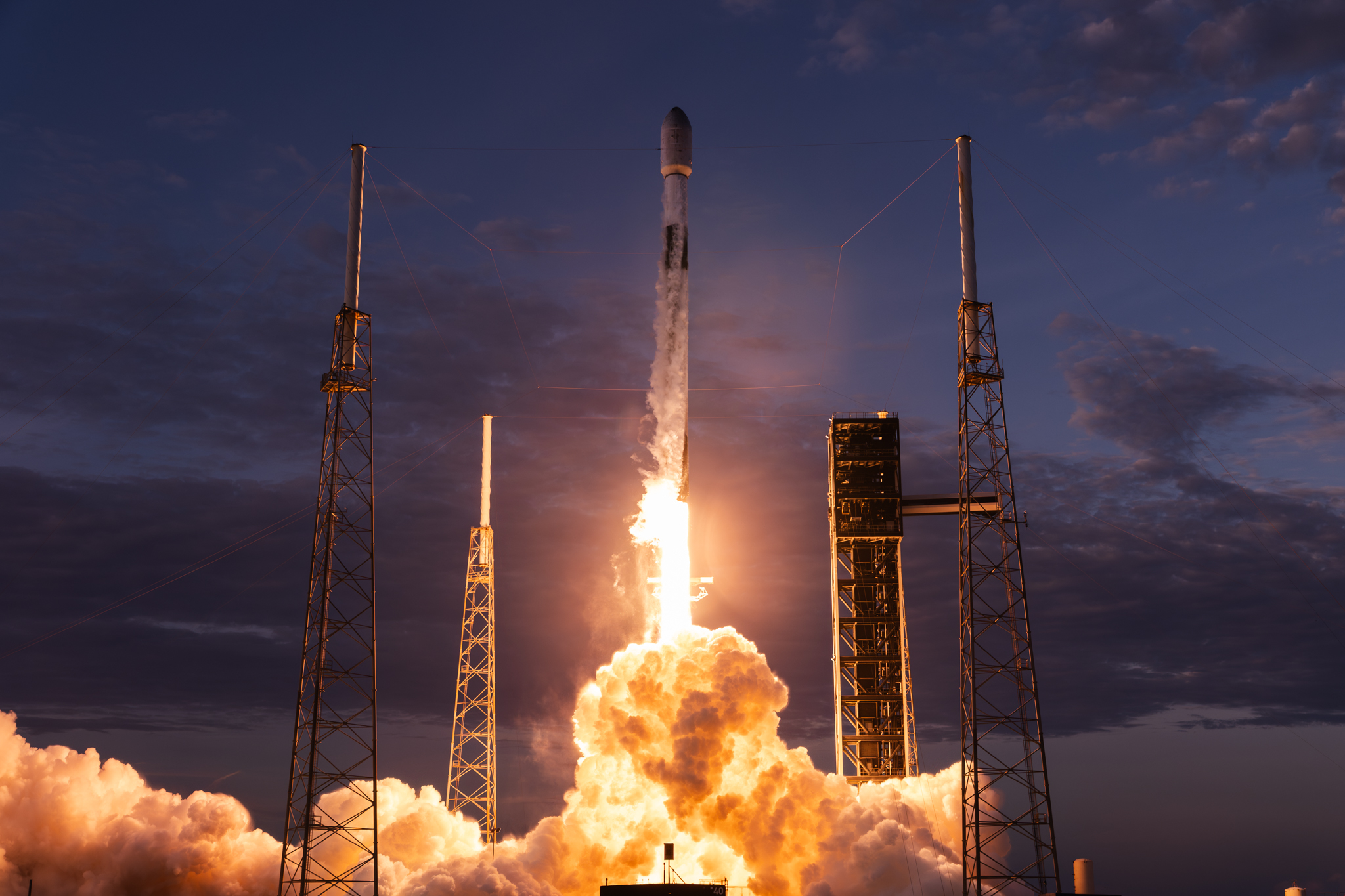
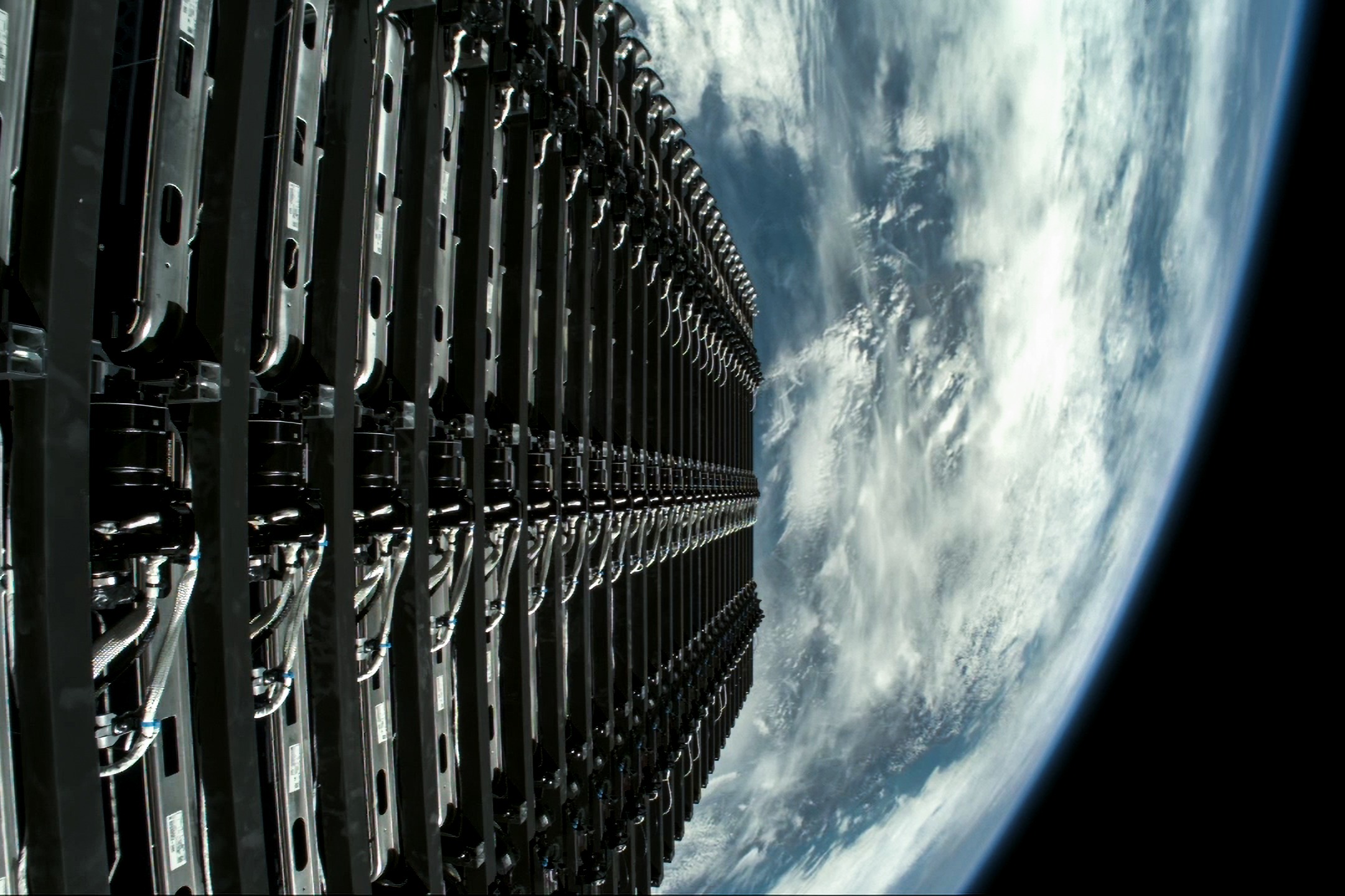
SpaceX flew Besxar's first Fabship, two microwave sized semiconductor test pods, bolted to Falcon 9 booster B1090 on July 5, 2026, alongside a 29 satellite Starlink deployment. Besxar, founded in 2023 by former OpenAI employee Ashley Pilipiszyn and backed by Nvidia's Inception Program, signed a twelve flight deal with SpaceX to test whether orbital conditions improve semiconductor wafer purity.
Key Points
- Besxar's Clipper Class Fabships rode Falcon 9 booster B1090 for 8 minutes, 19 seconds on July 5.
- Founder Ashley Pilipiszyn left OpenAI in 2023 to build orbital chip manufacturing; Nvidia backs the startup.
- Besxar's 12 flight SpaceX deal is the first reusable payload program to fly on a SpaceX rocket.
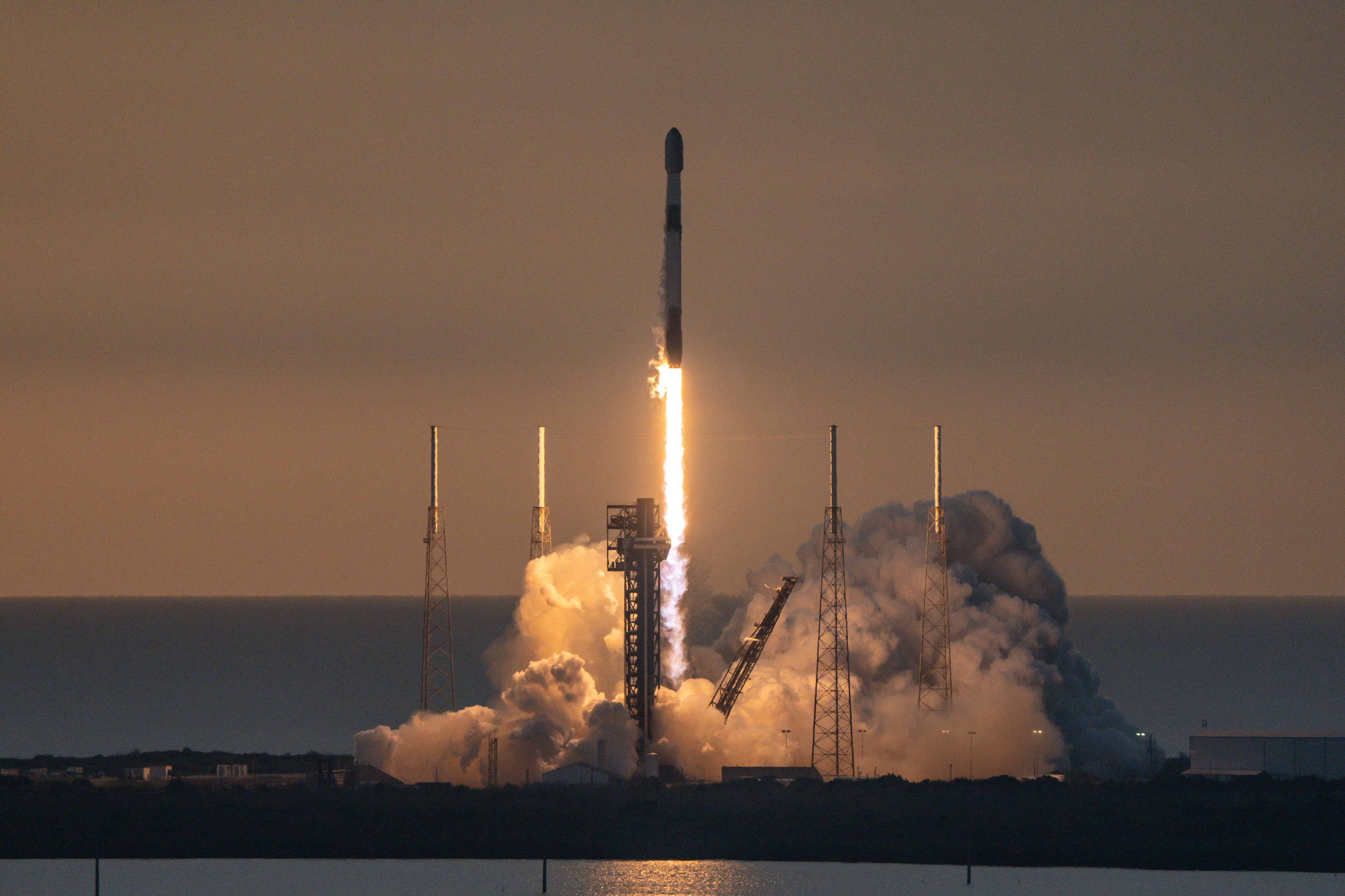
Two pods the size of microwave ovens rode a Falcon 9 first stage to the edge of space and back on July 5, and neither one carried a single Starlink satellite. SpaceX flew 29 Starlink satellites on the same rocket that morning from Cape Canaveral, but the real story sat bolted to the booster itself: Besxar, a semiconductor startup founded by former OpenAI employee Ashley Pilipiszyn, used the eight minute round trip to test how computer chip wafers hold up against a real rocket launch and reentry.
Here is the thesis. SpaceX just found a second customer for hardware it already owns. The booster survives every flight anyway; Besxar is paying to use the ride it was already taking.
11am ET. One Booster, Two Jobs.
Falcon 9 booster B1090 launched from Space Launch Complex 40 at 10:46am UTC, deployed 29 Starlink V2 Mini satellites, then landed itself on the drone ship A Shortfall of Gravitas in the Atlantic. That was flight number thirteen for this specific booster. Bolted to it for the ride were two Besxar manufacturing pods, part of a series the company calls Clipper Class, each about the size of a microwave oven. They flew, came back, and are now headed to a lab for inspection. Nobody deployed them into orbit; they never left the booster.
Ashley Pilipiszyn Built This After Watching Chip Demand Outrun Supply
Pilipiszyn founded Besxar in 2023 after leaving OpenAI, where she watched compute demand for AI models climb faster than the semiconductor supply chain could match it. Her pitch is specific: the vacuum of space produces ultra pure substrates and precursor materials for chips that Earth bound factories cannot match, because gravity and atmospheric contamination limit how clean a wafer surface gets on the ground. Besxar signed a twelve flight deal with SpaceX in October 2025 to test that idea, and July 5 was Flight 1, the first time any company has flown a reusable payload program on a SpaceX rocket. Nvidia's Inception Program backs the startup, and SpaceX itself is listed among its investors, the same company that priced its own IPO shares at $161 and made Elon Musk a trillionaire weeks earlier. Besxar is based in Washington, D.C., far from the usual chip industry clusters in Arizona and Texas, which is itself a bet that proximity to policy matters as much as proximity to a fab.
Every Falcon 9 Booster Already Makes This Trip
Every Falcon 9 first stage rides to the edge of space and back regardless of what is bolted to it. That flight profile used to be a sunk cost SpaceX absorbed just to reuse its own hardware. Now it is a service line. Besxar is not buying a dedicated launch; it is buying eight minutes and nineteen seconds of vacuum exposure and reentry stress on a vehicle that was already going. Renting out capacity that already exists, instead of building a new product to sell, is the same instinct behind SpaceX's other outside bets.
Forget the Hype, Count the Wafers
The early Clipper Class Fabships are not making finished chips. They are carrying terrestrial manufactured wafers to see whether they survive the trip intact, then flying the results back to a lab instead of transmitting data from orbit the way a satellite would. That is eleven more flights before Besxar has enough runs to know if orbital manufacturing beats an Earth based cleanroom on cost per wafer, not just on purity. The same appetite for outside bets funded a sixty billion dollar, all stock purchase of the coding tool Cursor, proof that SpaceX now treats its own equity and hardware as currency for wagers that have nothing to do with rockets.
$161 Bought SpaceX the Cash for This Bet
This is a watch, not a buy signal, for anyone outside the two companies involved. SpaceX priced its own shares at $161 weeks before this flight, cash and credibility that make a side bet like Besxar's Fabship program easy to fund, but Besxar itself has shipped two microwave sized boxes and a landing, not a finished chip. The lock in here is structural, not contractual. Once SpaceX builds outside manufacturing payloads into its booster schedule as a habit, every other reusable rocket company needs the same side business or gives up that revenue by default. Eight minutes of vacuum time is now a line item on somebody's balance sheet. Twelve flights from now, either Besxar has real wafer data or it does not, and either answer changes who solves the next chip shortage first.
Frequently Asked Questions
What did SpaceX launch on July 5, 2026?
SpaceX launched a Falcon 9 rocket carrying 29 Starlink V2 Mini satellites and two Besxar Clipper Class Fabship pods from Cape Canaveral, Florida.
What is Besxar's Fabship?
The Fabship is a Clipper Class manufacturing pod about the size of a microwave oven that Besxar bolts to a Falcon 9 booster to expose semiconductor wafers to the vacuum of space during launch and reentry.
Who founded Besxar?
Ashley Pilipiszyn, a former OpenAI employee, founded Besxar in 2023 to test orbital semiconductor manufacturing.
How many SpaceX flights did Besxar book?
Besxar signed a twelve flight deal with SpaceX in October 2025, and the July 5 launch was Flight 1 of that campaign.
Did Besxar's pods reach orbit?
No. The Fabship pods stayed bolted to the Falcon 9 first stage booster for an eight minute, nineteen second suborbital trip and returned to Earth with the booster, never reaching orbit.
Who is backing Besxar financially?
Nvidia's Inception Program supports Besxar, and SpaceX itself is listed among the startup's investors.
Where did the Falcon 9 booster land?
Booster B1090 landed on the drone ship A Shortfall of Gravitas in the Atlantic Ocean after its thirteenth flight.
Is this the first time a company has flown a manufacturing payload on a SpaceX booster?
Yes. Besxar's twelve flight campaign is described as the first reusable payload program to fly on a SpaceX rocket.
Topics: orbital-manufacturing, semiconductor-manufacturing, openai, complex, chip-startup, besxar, starlink, spacex, ashley-pilipiszyn, reusable-rockets, falcon-9, nvidia