PORSCHE DROPS THE GT3 RS INTO TOKYO'S NEON GRID
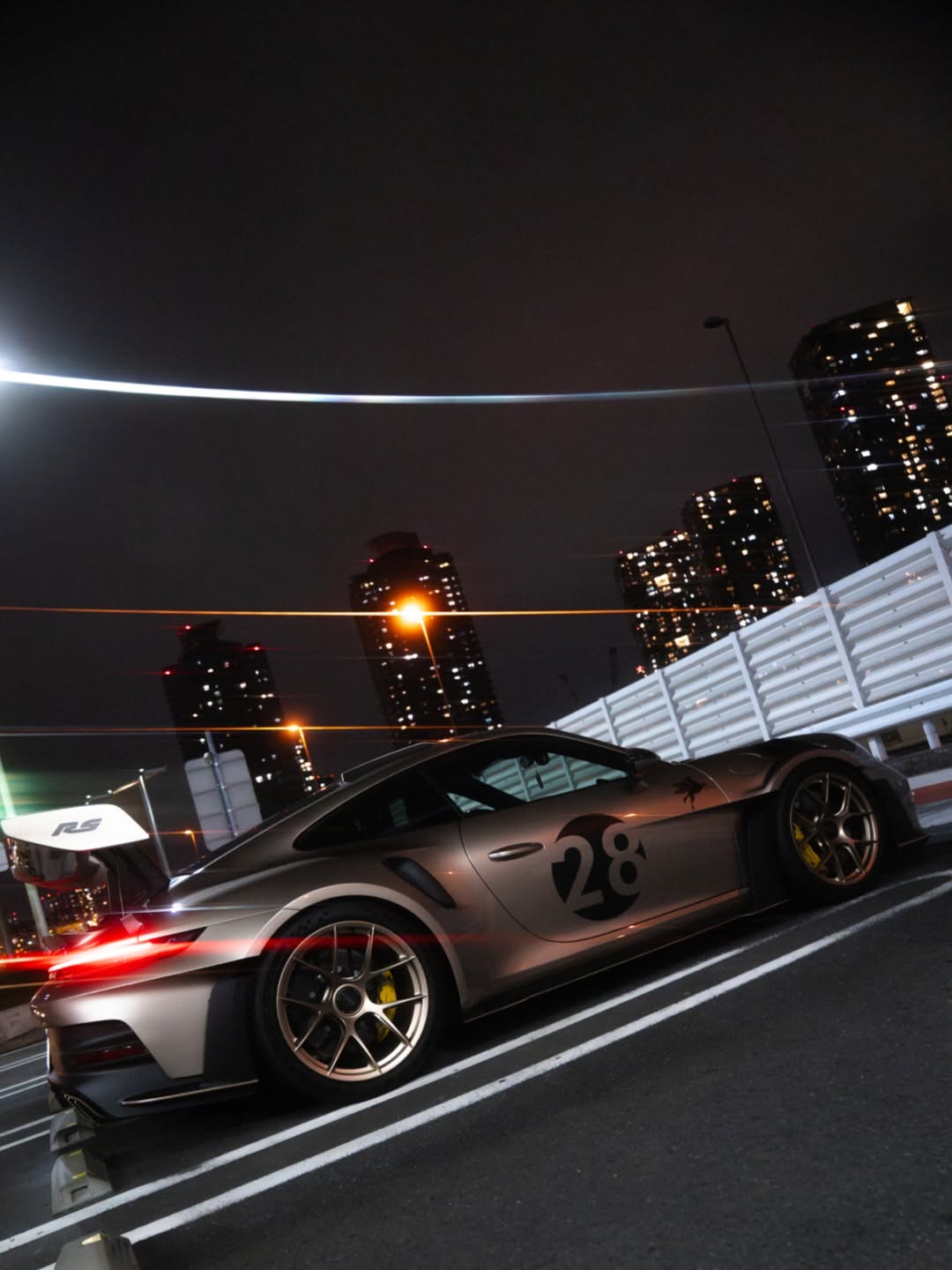
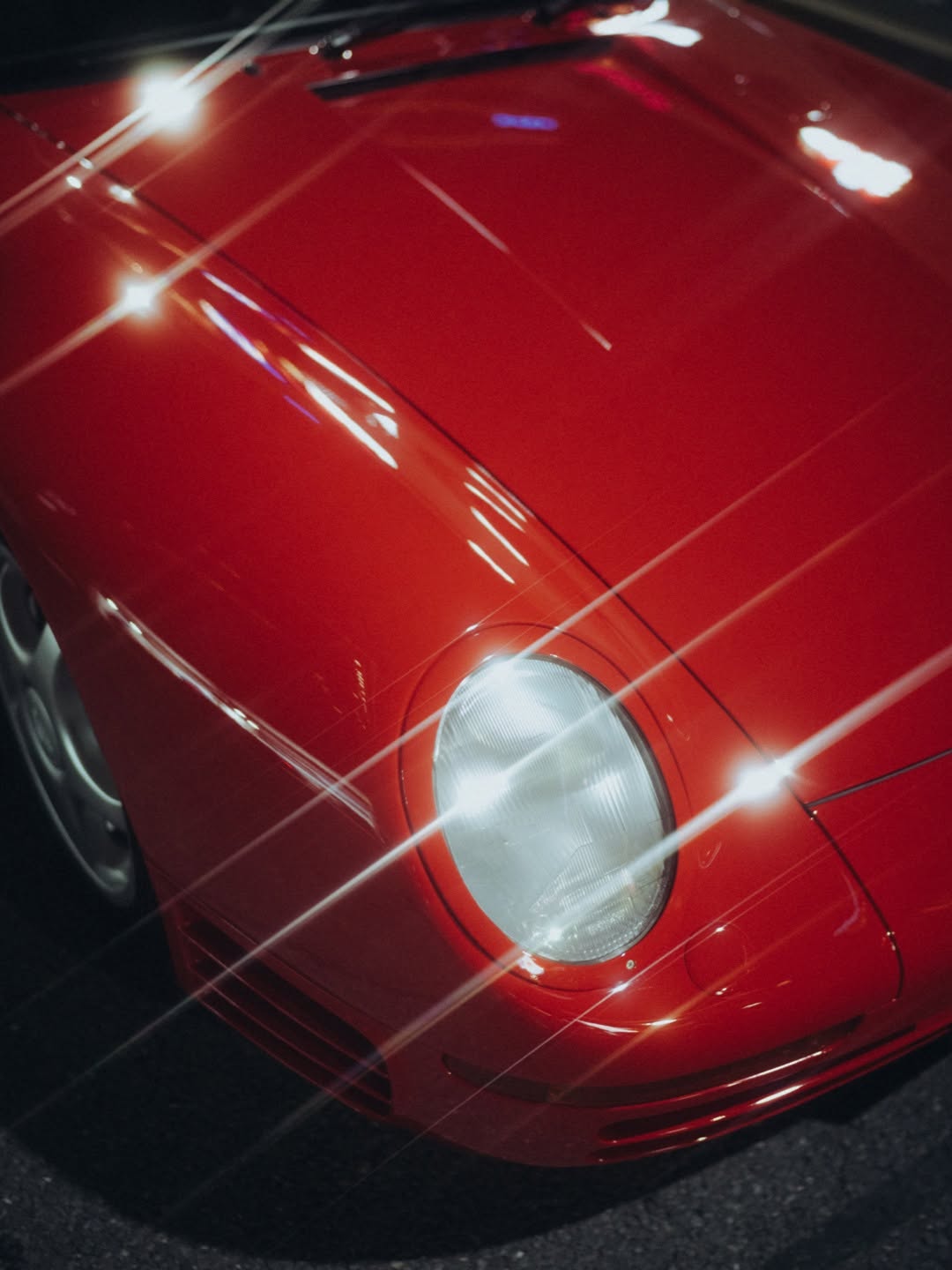
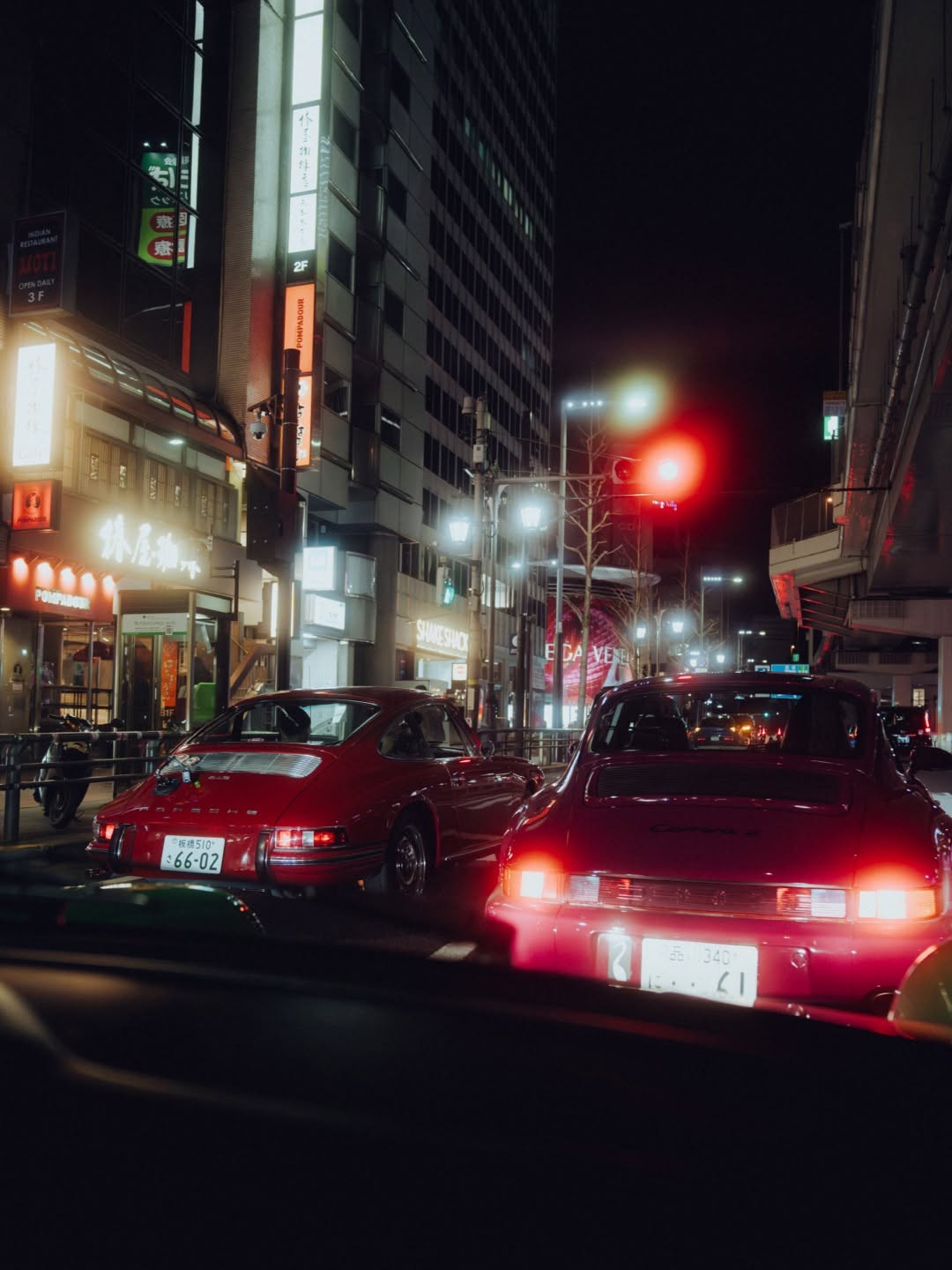
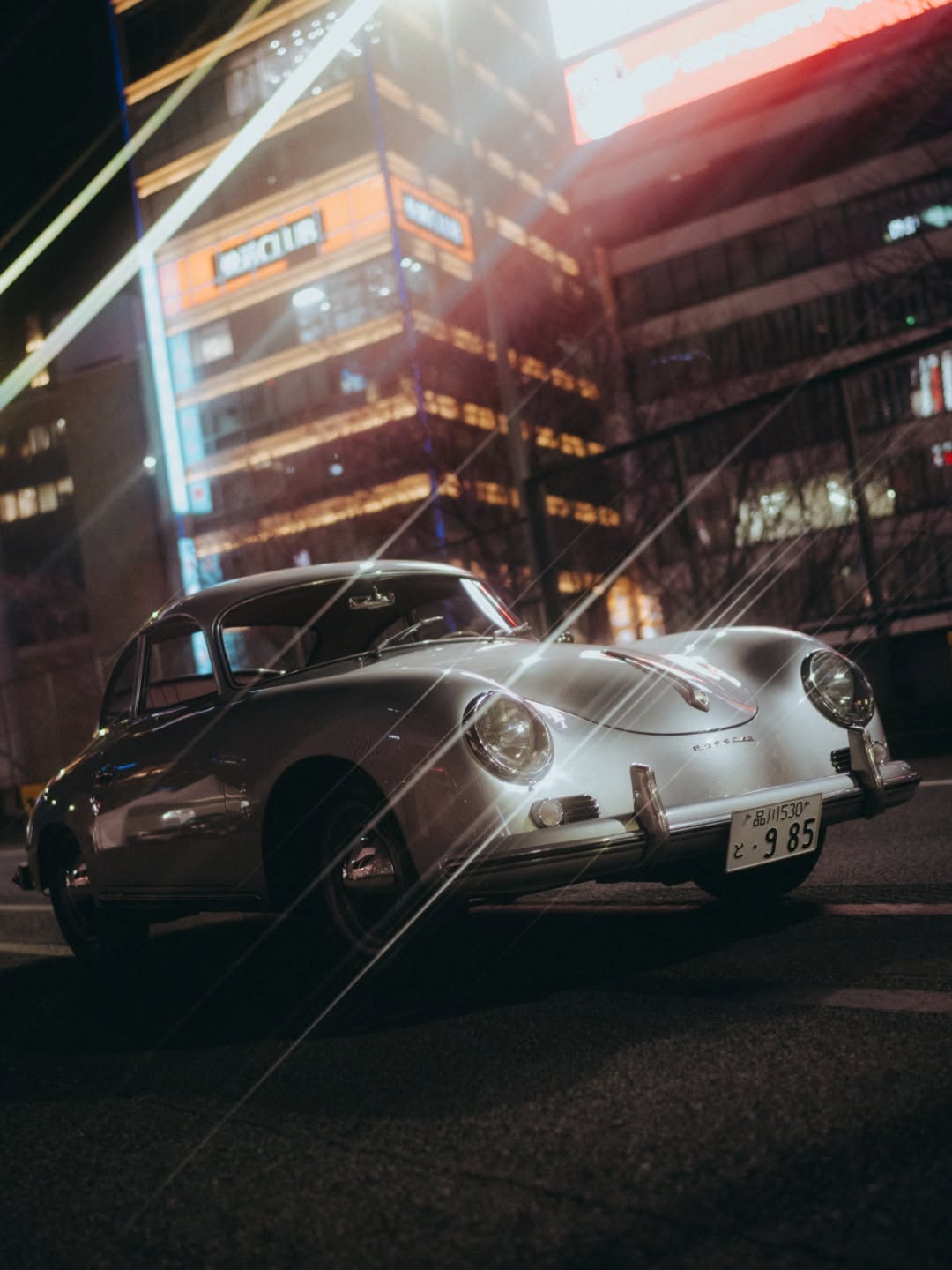
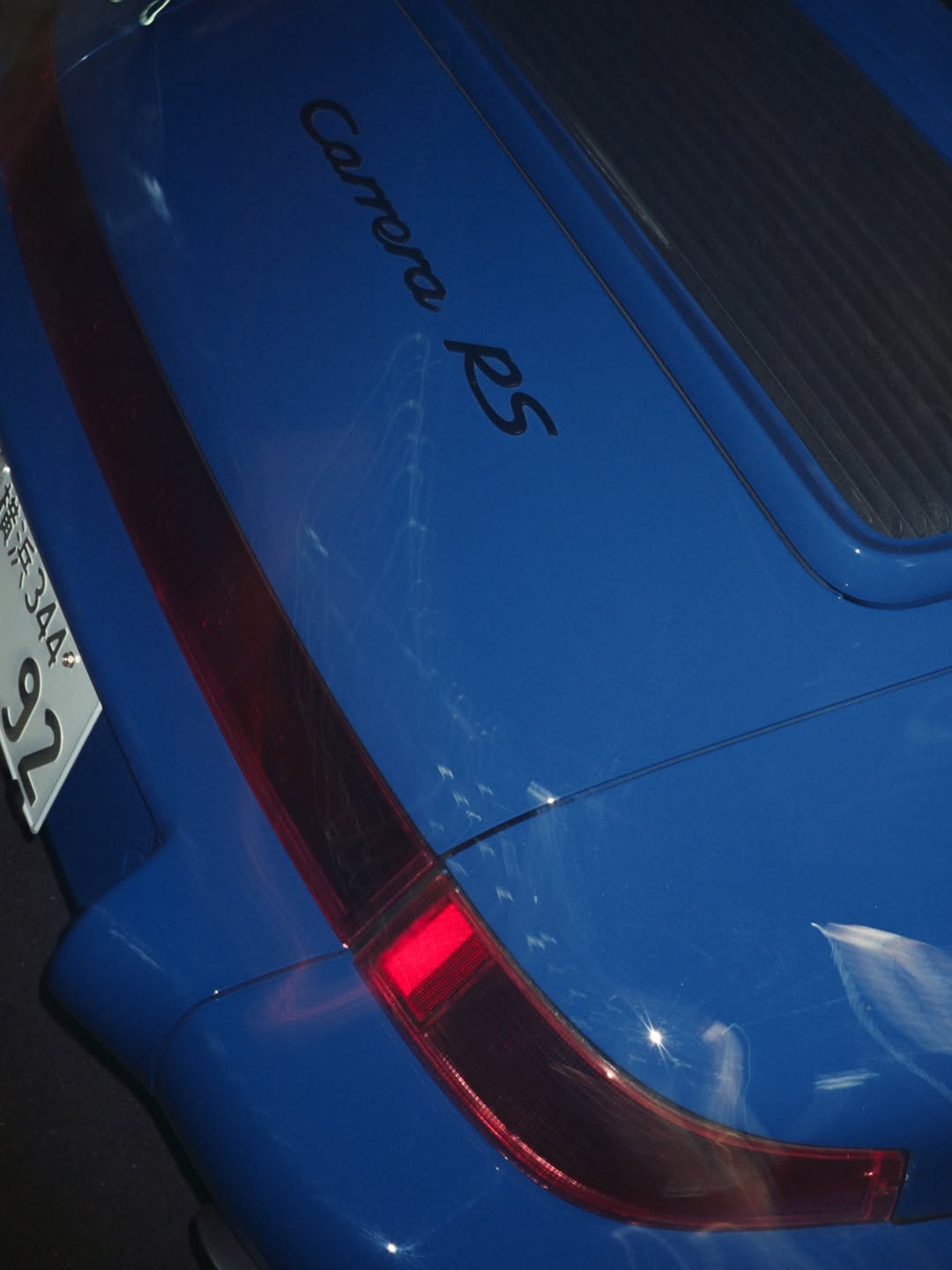
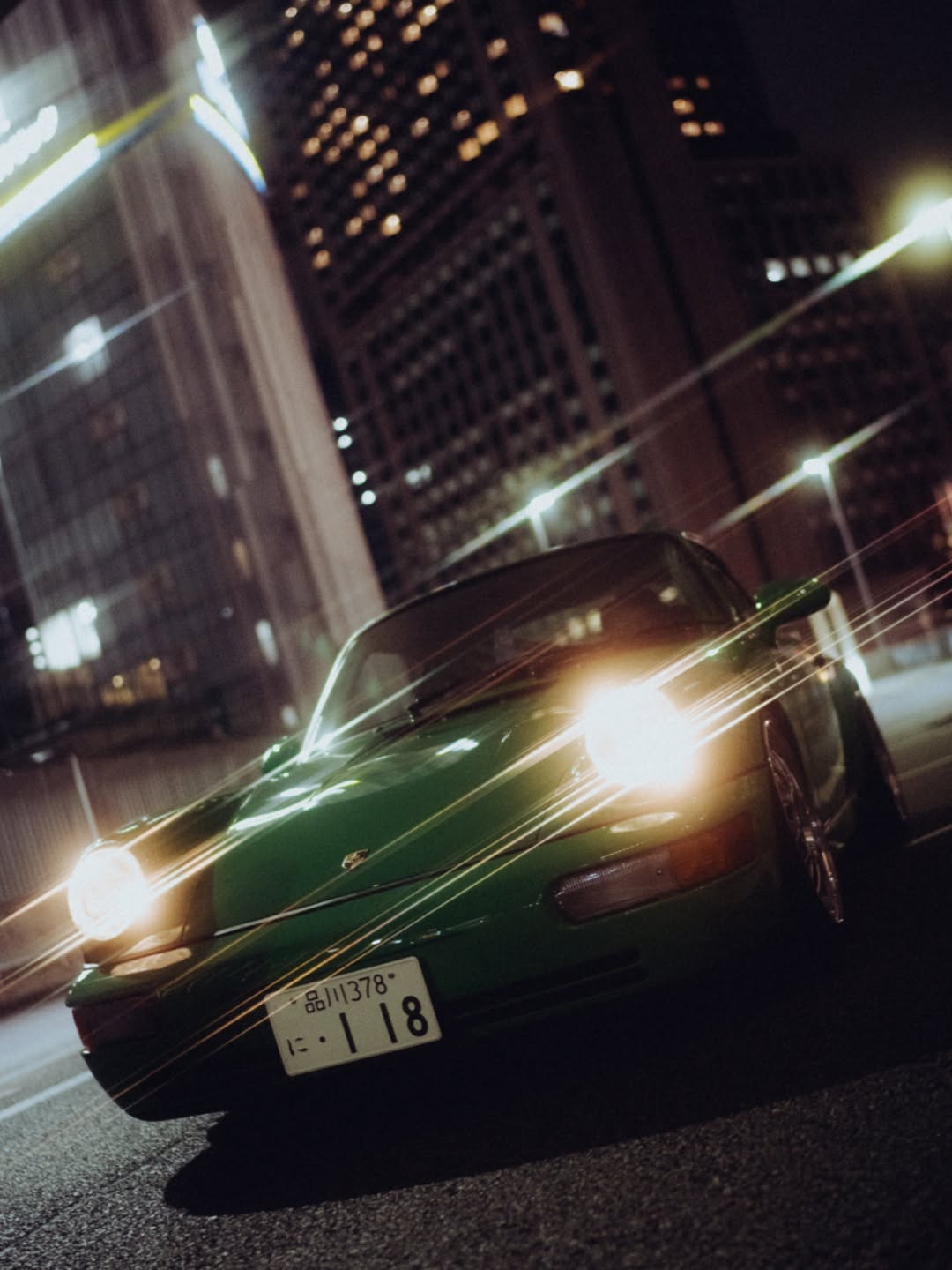
The Porsche 911 GT3 RS entered Forza Horizon 6 on May 19, 2026, the same week the franchise launched its first Japan map, the largest in FH history. Porsche tied the placement to real Tokyo car culture and Daikoku PA meet heritage, running a simultaneous three-channel strategy through live events, gaming, and social editorial. The GT3 RS, rated 13.2 l/100km and 299g CO2/km under WLTP, functions as Porsche's combustion-era cultural anchor while the Taycan carries the EV argument forward.
Key Points
- FH6 launched May 19, 2026 with Japan as its largest-ever map; the 911 GT3 RS is in the 550+ car launch roster.
- Daikoku PA's informal meet format is the global template Porsche has been translating into events from Taipei to NYC.
- Porsche ran three simultaneous channels in one week: real events, FH6 placement, and IG editorial copy.
The Porsche 911 GT3 RS is in Forza Horizon 6. That sentence alone tells you something about where automotive culture is heading in 2026. Porsche did not wait for someone to notice. They posted the car next to Tokyo's neon, tied it to real street meets, and let the overlap between pixels and pavement do the work.
May 19, 2026. Japan for the First Time.
Forza Horizon 6 launched May 19, 2026, for Xbox Series X|S and PC, with Premium edition access starting May 15. The Japan map is the largest in franchise history, and Tokyo sits at the urban core of it. That choice was not arbitrary. Japan has been the reference point for street car culture, tuning culture, and automotive obsession for fifty years. Giving Forza its Japan chapter now, when real Tokyo meets like Daikoku PA are pulling international crowds, is not a coincidence. It is a recognition that the culture was always this serious.
The 911 GT3 RS is confirmed in the FH6 car list at launch, alongside 550+ vehicles. Players loading into Tokyo at night see what Porsche already knew: the city makes everything look faster. The GT3 RS burns 13.2 liters per 100 kilometers under WLTP testing and emits 299 grams of CO2 per kilometer, CO2 class G. Those are real-world numbers for a car designed for circuits, now living its second life inside a game set in the city that invented the idea of making a circuit out of ordinary streets.
Daikoku PA Has Been the Template for Decades
Daikoku Parking Area, at the crossing of the Daisan Keihin and the Yokohama-Yokosuka Road, has hosted impromptu car meets since the 1980s. The formula is simple: arrive late, park under the lights, wait for the others. AE86 owners lined up next to R34 GT-Rs next to NSXs next to whatever arrived from across the prefecture. No tickets sold. No stage. Just the cars. That informal structure became the global model. Daikoku produced the grammar that every parking lot meet from Los Angeles to London is still speaking.
Porsche understands this fluency. Earlier this year, Taipei saw 120 Porsches converge in a single parking lot, a direct translation of the Daikoku format applied to a different city. The Eddie Chan 993 build shown at Air+Water operated on the same logic: show up, let the work speak. Tokyo is not a trend Porsche is chasing. It is an operating system they have been running on for years.
Forza Did Not Invent This. Tokyo Did.
Initial D ran from 1995 to 2013 across manga and anime. It turned touge mountain passes into cultural landmarks. The AE86 Trueno driven by Takumi Fujiwara became one of the most recognized cars in the world among people who had never touched a steering wheel. Games like Gran Turismo and now Forza absorbed that mythology and fed it back to new audiences. The loop is tight: real streets, fictional drama, simulation, back to real streets.
FH6 putting its largest-ever map in Japan is the franchise catching up to what players already knew. The 23+ distinct turns at Flatrock in the game's circuit design echo the technical demands of actual touge driving. Porsche placing the GT3 RS in that environment is a signal inside the signal. This is the same car that completed the Black Forest to Weissach GT Circle road trip earlier in 2026, a machine that has been accumulating cultural context across multiple geographies simultaneously.
The GT3 RS Burns 13.2 Liters Per 100 Kilometers
The spec sheet on the 911 GT3 RS reads like a contradiction in 2026. The fuel consumption is high, the CO2 class is G, and Porsche published those numbers directly in their Tokyo post. That transparency is intentional. The Taycan is Porsche's first EV and the brand's answer to electrification. The GT3 RS is the answer to a different question: what does maximum combustion look like when the engineers have nothing left to prove except the driving itself. Both answers are valid. Porsche is running both arguments at the same time.
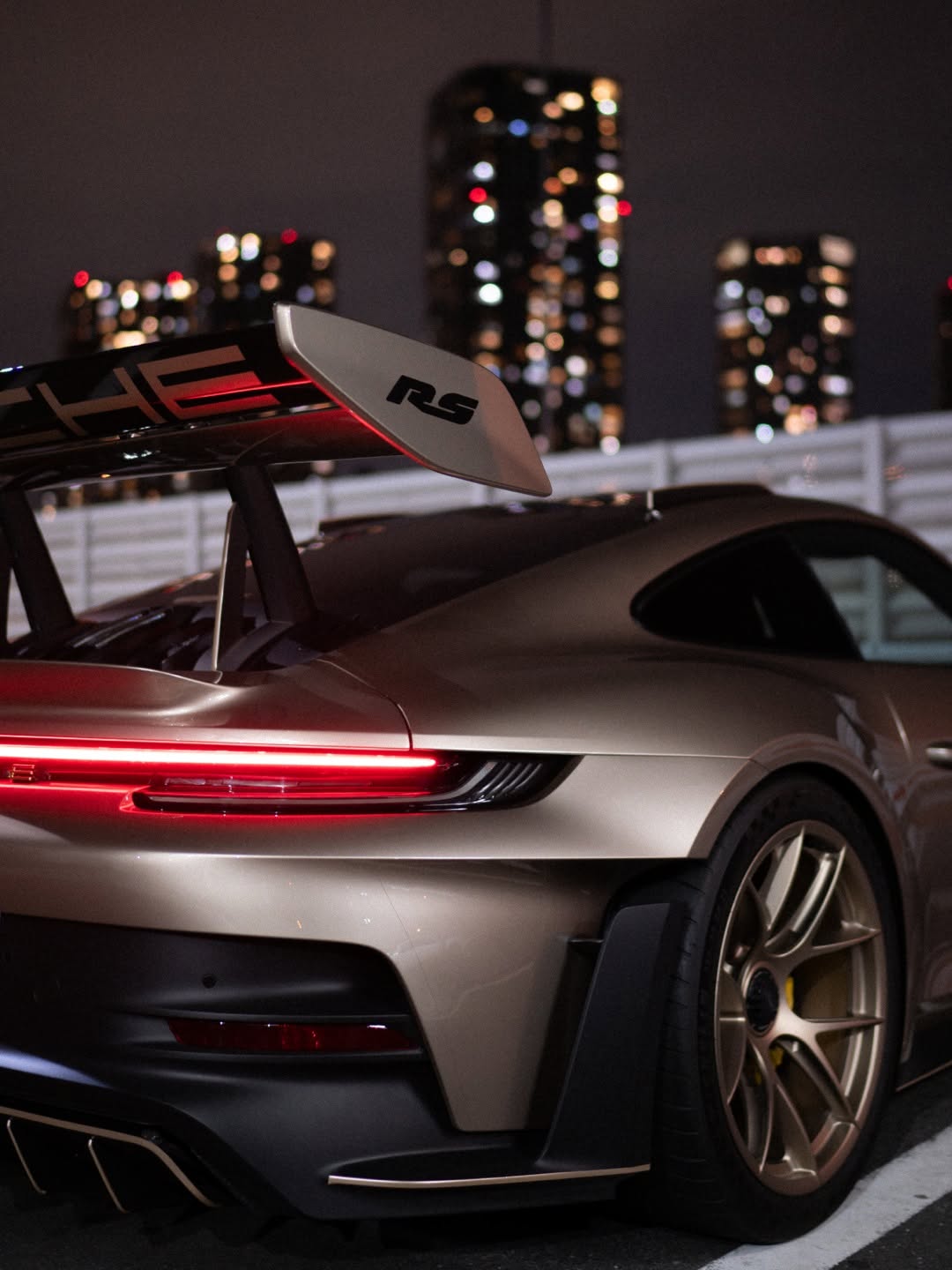
The Tokyo post works because it does not pretend the GT3 RS is practical. It is not. It is a 525-horsepower naturally aspirated flat-six built for track days and for exactly this kind of cultural placement, a car that looks correct in front of Shinjuku lights the same way it looks correct at the Nurburgring. That is a harder thing to design than it sounds.
The Lobby Goes Quiet When the City Map Loads
Porsche's marketing pattern in 2026 runs through three channels simultaneously: real events, digital environments, and editorial coverage. Rare Shades 7 putting 100 Porsches in Robert De Niro's studio was the event layer. The FH6 GT3 RS placement is the gaming layer. The Instagram caption tying the two together, "the glow never fades in Tokyo," is the editorial layer. Three channels, one message, delivered in the same week the game launched.
That simultaneity is not accidental. When a brand can put the same object inside a Playground Games rendering engine and inside an actual city on the same day and have both feel true, the object has achieved a kind of cultural permanence that advertising cannot manufacture. Tokyo did that for the AE86 in 1995. Porsche is aiming for the same result in 2026. The players loading into FH6 on May 19 who chose the 911 GT3 RS as their first car may never set foot in Japan. But they will know exactly what the glow looks like. That is the bet Porsche made. Based on the franchise numbers, the history of Tokyo, and the current state of automotive culture, it looks like a good one.
Frequently Asked Questions
Is the Porsche 911 GT3 RS in Forza Horizon 6?
Yes. The 2023 Porsche 911 GT3 RS is confirmed in the FH6 launch car list of 550+ vehicles. The game launched May 19, 2026 for Xbox Series X|S and PC.
What is Daikoku PA and why does it matter to car culture?
Daikoku Parking Area in Yokohama has hosted informal car meets since the 1980s, bringing together AE86s, R34 GT-Rs, NSXs, and more under overhead lights with no ticketing or staging. Its format became the global template for parking lot car culture.
What are the WLTP specs for the Porsche 911 GT3 RS?
Under WLTP testing, the 911 GT3 RS consumes 13.2 liters per 100 kilometers combined and emits 299 grams of CO2 per kilometer combined, placing it in CO2 class G. Status 05/2026.
Topics: daikoku-pa, japan, porsche-911-gt3-rs, porsche, gaming, forza-horizon-6, tokyo, car-culture, automotive