Noah Eyewear Is Finally Here, and the Frames Are Made in Japan
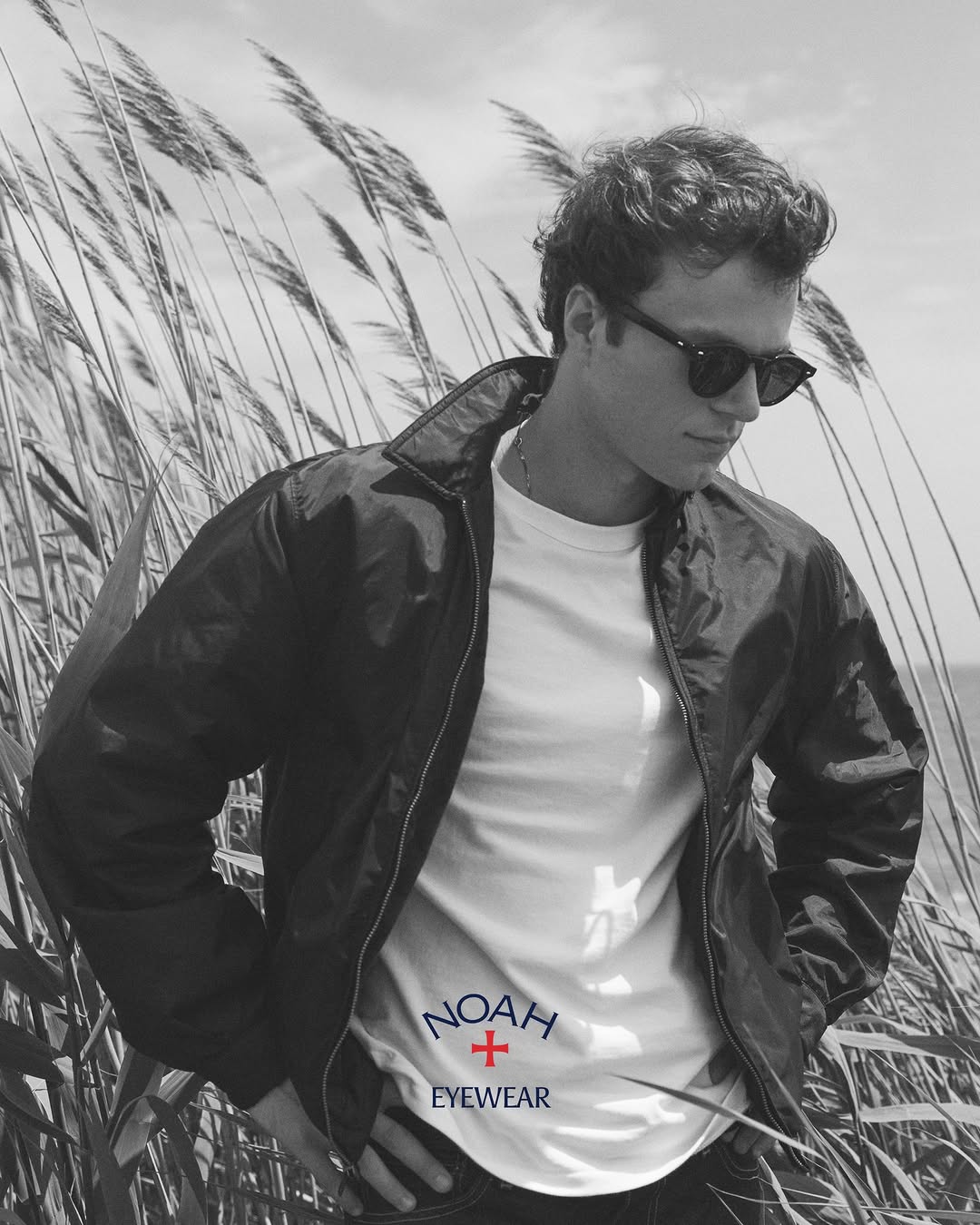
Noah's first eyewear collection uses bio circular acetate and UV400 mineral glass. Two shapes: The Angus and The Keating, made in Japan.
The acetate on Noah's new frames comes from bio circular sources, not petroleum. The lenses are mineral glass, not polycarbonate. Both of those choices cost more to make and more to buy. Noah made them anyway.
That is the thesis of the first Noah Eyewear collection: two shapes, one material ethos, zero compromise on the things most customers cannot see but will feel after two years of daily wear.
The eyewear market has a specific problem. Luxottica, the Italian conglomerate, manufactures licensed frames for most of the brands you associate with luxury eyewear. That includes Gucci, Prada, Versace, and Chanel. They all come from the same factories, with the same construction, differentiated by logo and colorway. The licensing model means that the $400 pair of designer sunglasses you just bought likely shares a manufacturer and construction tolerances with frames that retail for $150 less. The brand name is the product. The frames are a delivery mechanism.
Noah is not using Luxottica. Noah is using Japan. That difference costs money. It also explains the product.
The Angus and The Keating
Two shapes. That is it. Noah did not launch a capsule of fourteen silhouettes with color extension packs and special edition lenses. They launched two: The Angus and The Keating. Both handmade in Japan.
The restraint is deliberate. Japanese optical manufacturing operates on a different timeline than mass market eyewear. Artisans there still hand finish acetate frames at stages that most production lines automate. The frame hinging is typically tighter. The temple fit is typically more precise. The result is a frame with edges that feel worn in from day one, not after six months of use.
The Angus and The Keating are classic silhouettes, not trend pieces. That choice matters more than it sounds: classic shapes have a resale life, a versatility, and a staying power that the fashion forward frame does not.
Bio Circular Acetate Is Not a Marketing Term
Most acetate frames on the market are made from cellulose acetate derived from petroleum or wood pulp processed with petrochemical plasticizers. Bio circular acetate replaces those fossil derived inputs with materials from biological sources.
This is not the same as using "sustainable" as a vague marketing modifier. Bio circular is a supply chain designation. The material performs identically to standard acetate in terms of finish, weight, and durability. The difference is upstream: what went into making it.
Brain Dead's cellulose acetate sunglasses at $175 proved that independent brands focused on materials have a market. Noah's price point will likely sit higher, justified by the Japanese manufacturing and the UV400 glass lens specification. Jil Sander and Oliver Peoples eyewear Edition 1 is operating in similar territory at the luxury end. Noah lands in the considered middle: independent brand pricing, optical brand construction.UV400 Mineral Glass Is the Quiet Upgrade
Most sunglasses at every price point use polycarbonate lenses. Polycarbonate is resistant to shattering, light, and cheap to produce. Mineral glass is optically superior: clearer, more resistant to scratching over time, and heavier in a way that some people find reassuring and others find annoying.
Mineral glass also provides better optical clarity at the periphery of the lens, where polycarbonate tends to distort. If you spend hours driving or in outdoor environments, that difference is real.
UV400 means the lens blocks 99 to 100 percent of UV rays up to 400 nanometers. This is the standard you want for actual sun protection, not decorative lenses. Noah specifying this alongside the material quality says something about who they designed these frames for: people who wear sunglasses in actual sun, not in photos.
Noah Knows Which Customer It Is Building For
Noah built its reputation on clothing choices that do not photograph well but feel correct. Raw cotton. Proper lining. Hardware that does not corrode. The ethos translates directly to eyewear: choose the better material even when the customer cannot immediately identify it as better.
The Japanese manufacturing credit is not nostalgia. It is a signal about quality control and the willingness to absorb higher production costs to maintain the standard. Most brands facing the same business decision would move production and adjust the story. Noah is adjusting the story to match the standard.
Buy The Angus or The Keating for how they will feel in 2028. Skip them if you are choosing a frame to match a single outfit. There is no wrong answer, but Noah already knows which customer they are building for.
Topics: eyewear, gucci, chanel, prada, noah, brain-dead, brain dead, independent brands, oliver peoples, mineral glass, oliver-peoples, japan, jil-sander, acetate, jil sander