NIKE AND ZELLERFELD JUST CHANGED THE SNEAKER GAME
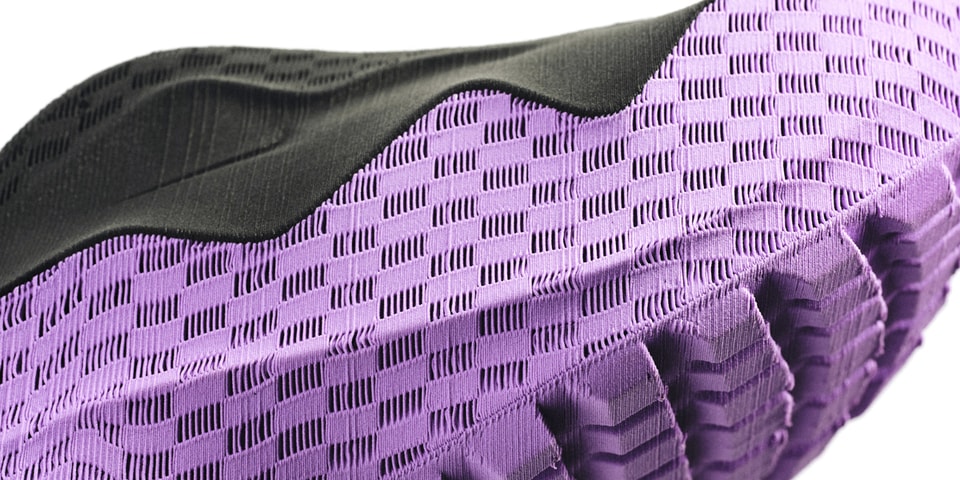
Dual-color 3D printing technology lets Nike print colors directly onto shoes instead of being limited by material constraints. The Air Max 1000 Multicolor proves that innovation in sneakers isn't about new silhouettes, it's about what you can actually do with manufacturing.
Key Points
- Dual-color 3D printing technology lets Nike print colors directly onto shoes instead of being limited by material constraints
- The Air Max 1000 Multicolor proves that innovation in sneakers isn't about new silhouettes, it's about what you can actually do with manufacturing
- This is the kind of technical flex that separates real product development from marketing theater
Nike just showed us why 3D printing in footwear isn't a gimmick. The Air Max 1000 Multicolor, developed with Zellerfeld, does something simple that changes everything: it prints color directly onto the shoe instead of relying on material choices to determine how it looks. That's not a feature. That's infrastructure.
Let's be clear on what actually happened here. Previous Air Max 1000 drops were monochromatic because the manufacturing process had hard limits. You picked your material, you got your color. Done. Now Zellerfeld's multicolor 3D printing unlocks zonal color control, meaning a single shoe can have an all-black upper with lavender sole and mudguard, and it looks intentional, not like a factory mistake. The sample colorway they showed proves the concept works. This isn't theoretical anymore.
Why does this matter beyond sneaker nerds? Because it's the rare moment when technology actually solves a real design problem instead of creating artificial scarcity. Every brand can drop colorways now. Not every brand can print color patterns that couldn't exist before. Nike and Zellerfeld just moved the baseline. The Air Max 1000 Multicolor drops later this year on SNKRS and Zellerfeld's site. The shoe itself isn't revolutionary. The capability is. That's the difference between a collab that lasts and one people forget in three months.
Related Reading
- BALTIMORE SAVED THE AIR FORCE 1 AND NIKE OWES THEM EVERYTHING
- Every Stüssy Nike Collaboration Ranked by Cultural Impact
- JACQUEMUS NIKE MOON SHOE DROPS SPRING 2026 FOR $180
Frequently Asked Questions
What is the Nike Air Max 1000 Multicolor and how is it different?
The Nike Air Max 1000 Multicolor is a sneaker developed with Zellerfeld that uses dual-color 3D printing technology to print colors directly onto the shoe instead of being limited by material choices. This allows for zonal color control, meaning a single shoe can have multiple intentional colors like an all-black upper with a lavender sole and mudguard.
How does Zellerfeld's 3D printing technology work on sneakers?
Zellerfeld's multicolor 3D printing technology prints color patterns directly onto shoes during manufacturing, eliminating the previous constraint where shoe color was determined solely by material selection. This innovation enables complex color combinations and patterns that couldn't exist with traditional manufacturing methods.
When will the Nike Air Max 1000 Multicolor be available?
The Air Max 1000 Multicolor will drop later this year on SNKRS and Zellerfeld's website, though a specific release date has not been announced.
Why is 3D printing color technology important for sneaker manufacturing?
This technology solves a real design problem by allowing brands to create innovative colorways that were previously impossible, rather than just creating artificial scarcity through limited drops. It represents a fundamental shift in sneaker manufacturing capabilities and separates genuine product innovation from marketing theater.
What makes the Air Max 1000 Multicolor a technical innovation?
Rather than introducing a new silhouette, the innovation lies in the manufacturing capability to apply multiple colors and patterns directly onto a shoe through 3D printing, moving beyond the traditional constraint of material-determined coloring. This represents infrastructure-level advancement in footwear production rather than just a cosmetic feature.
Topics: sneakers, fashion, innovation, stssy, 3d-printing, nike, stüssy