Kim Colin and Sam Hecht Are Now Herman Miller's Future
Kim Colin and Sam Hecht of Industrial Facility just became Herman Miller's creative directors. Here is what that means for furniture design.
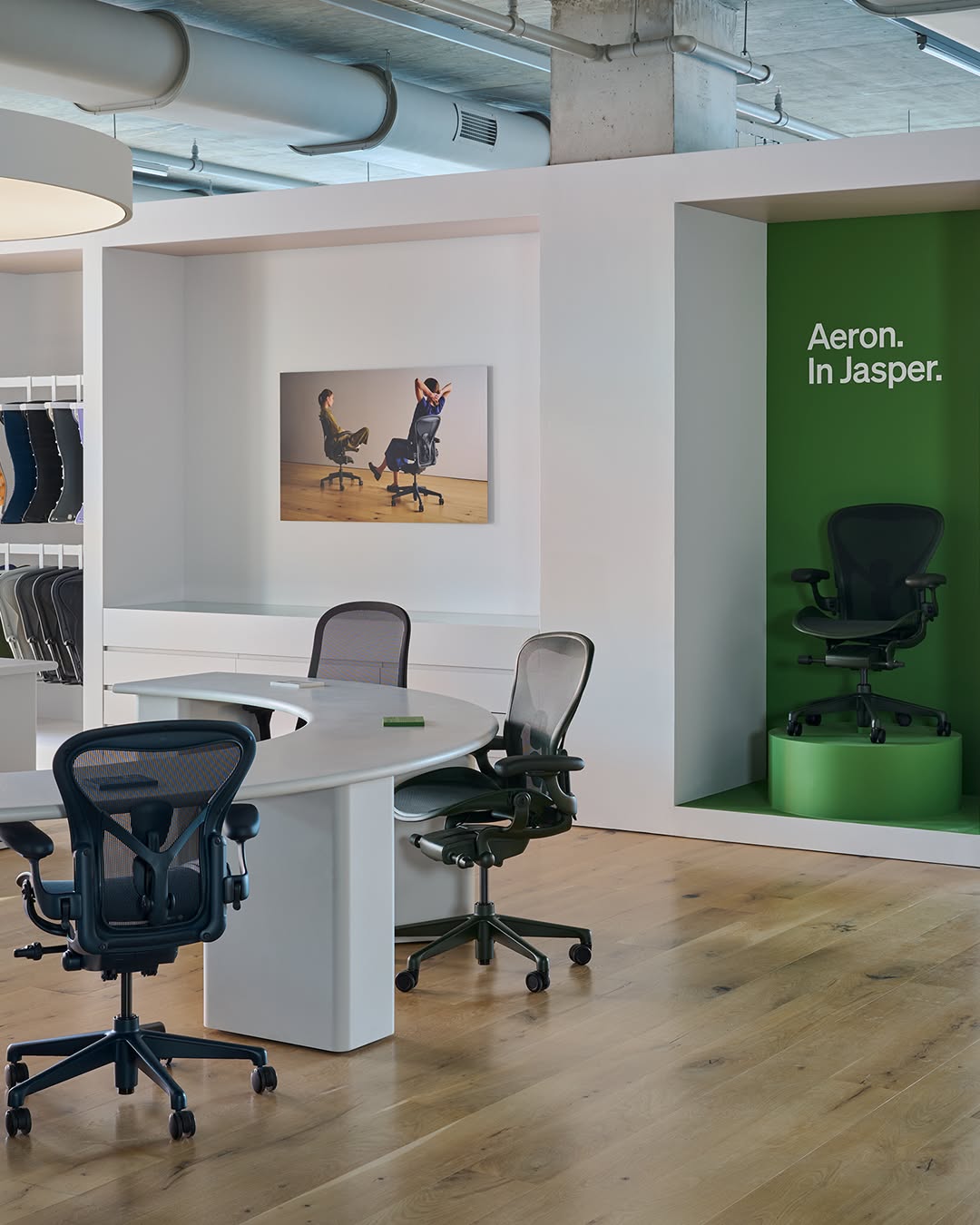
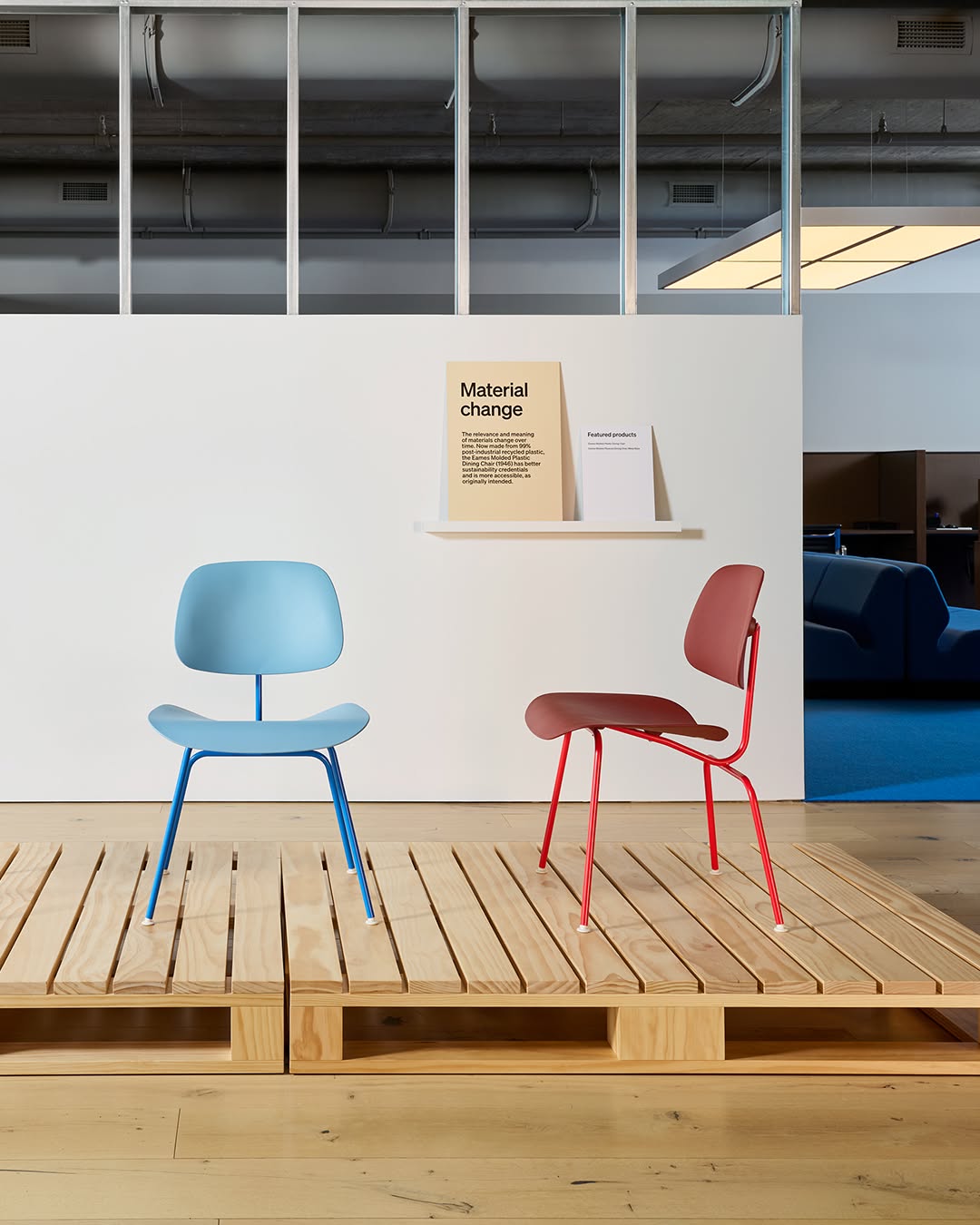
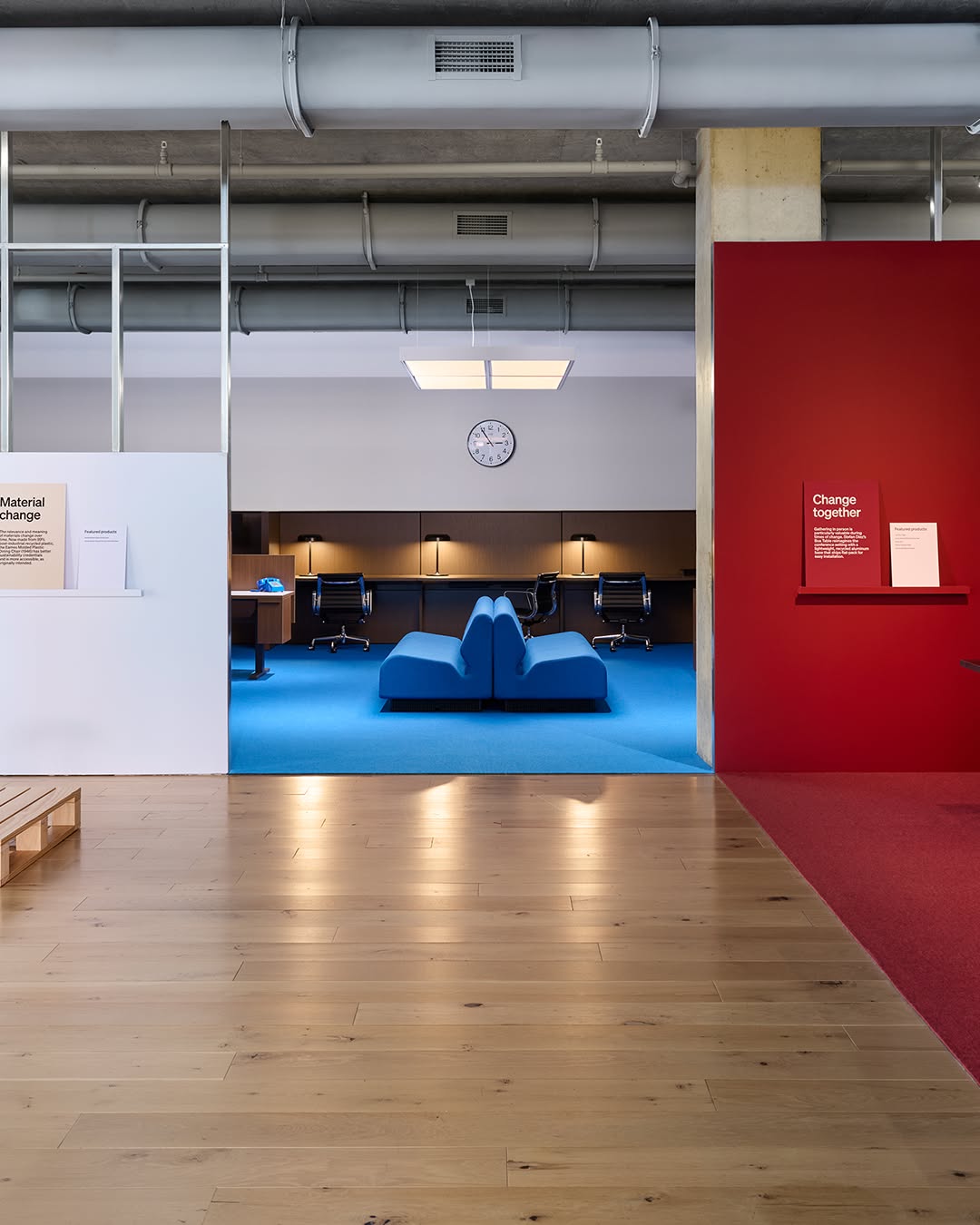
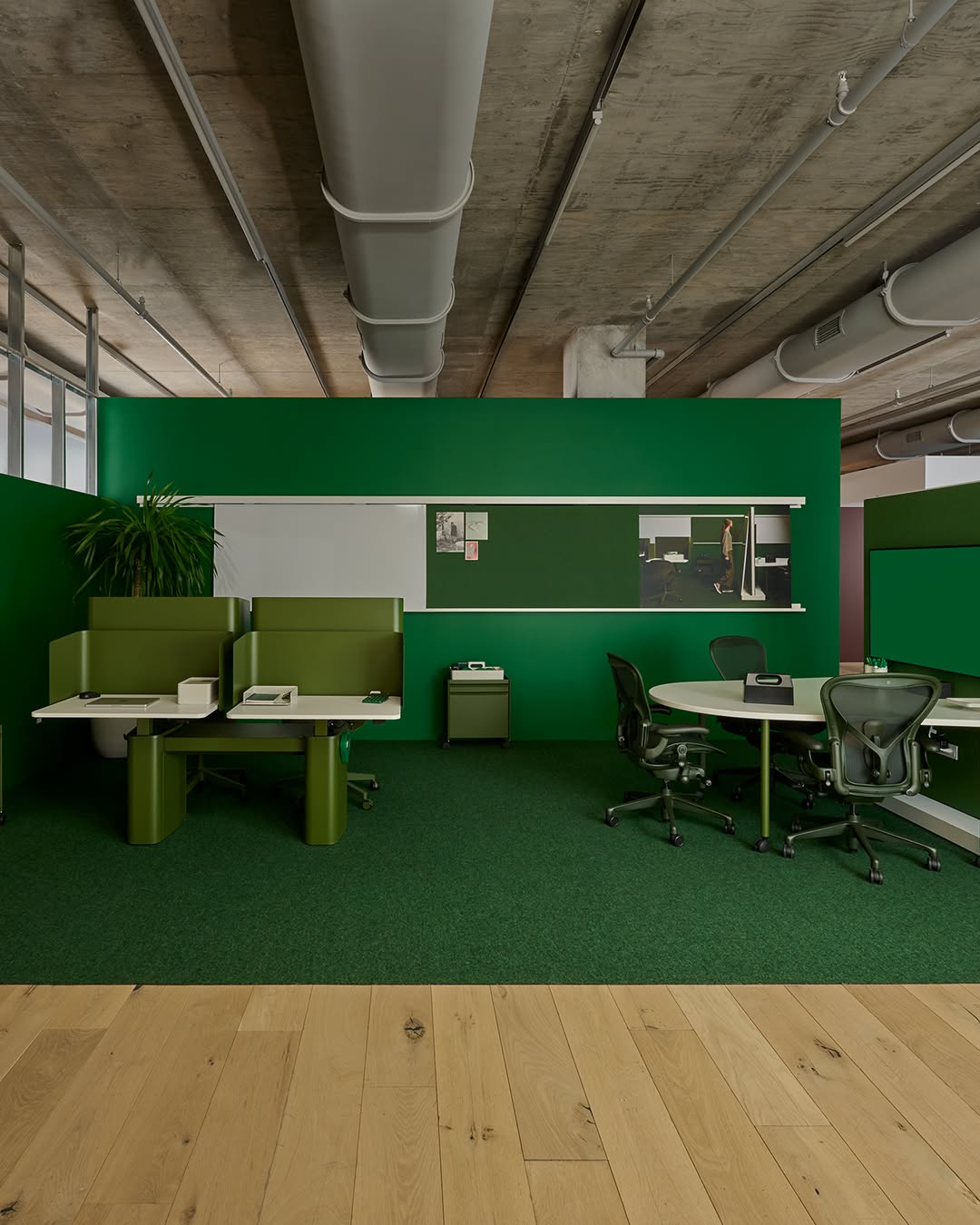
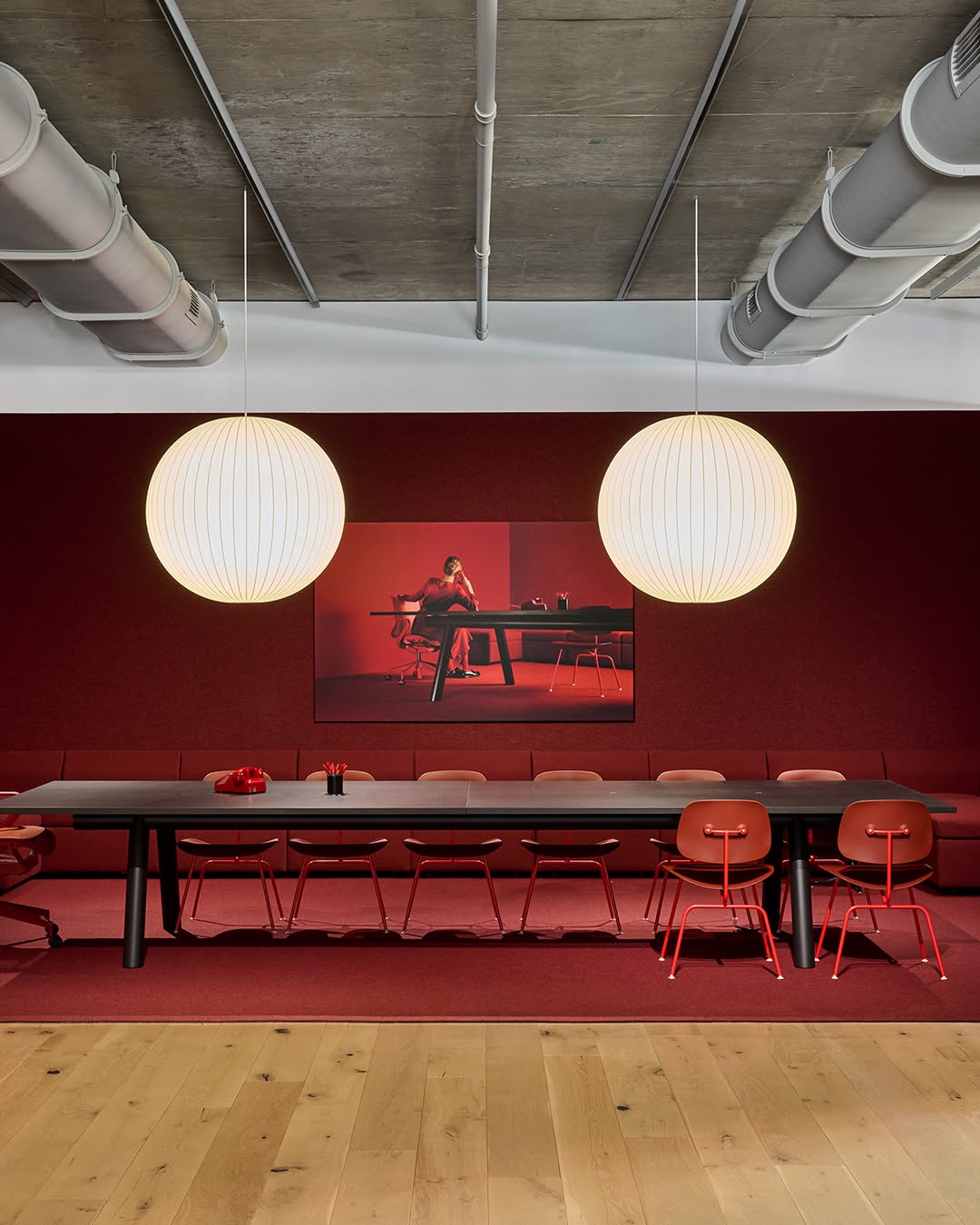
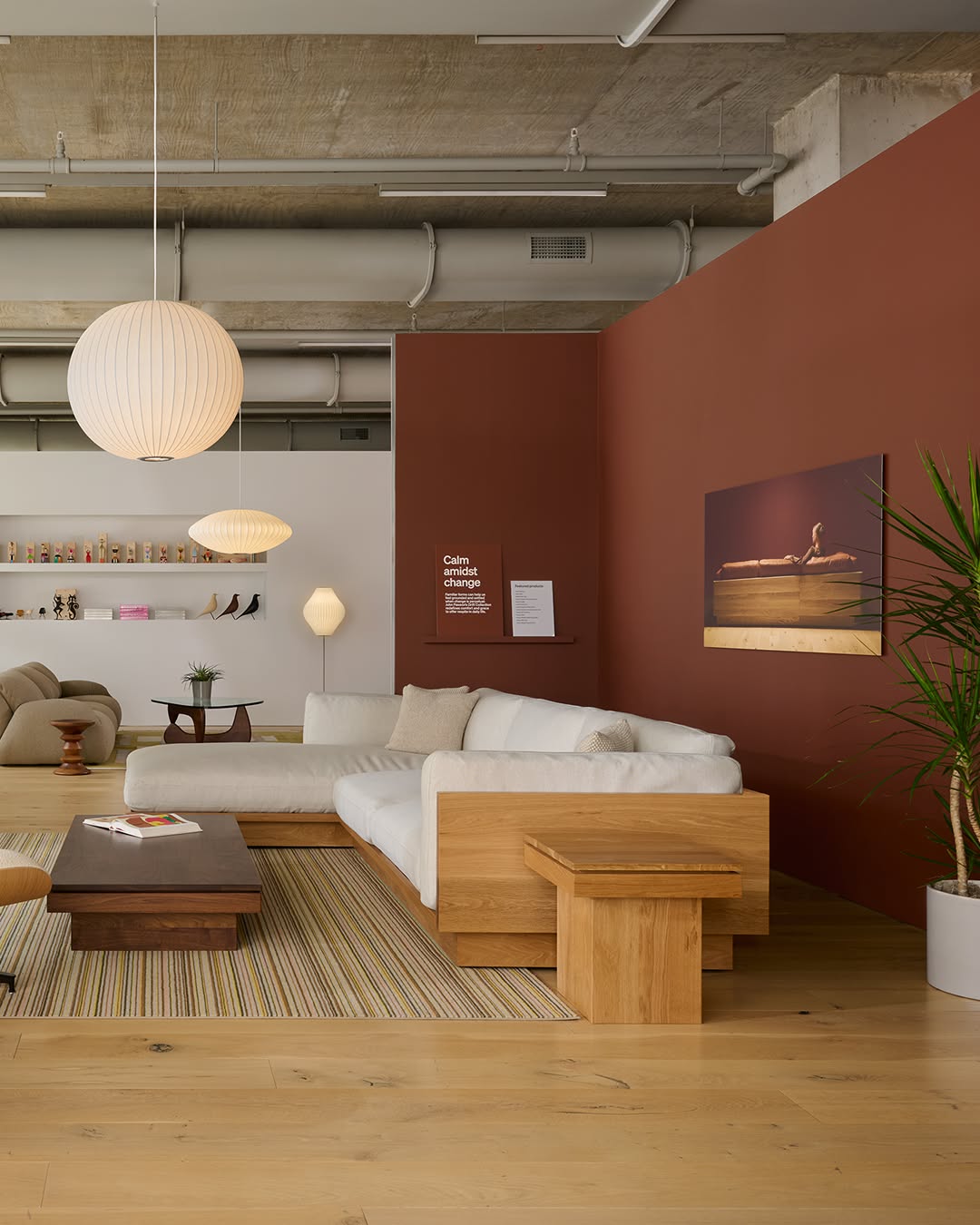
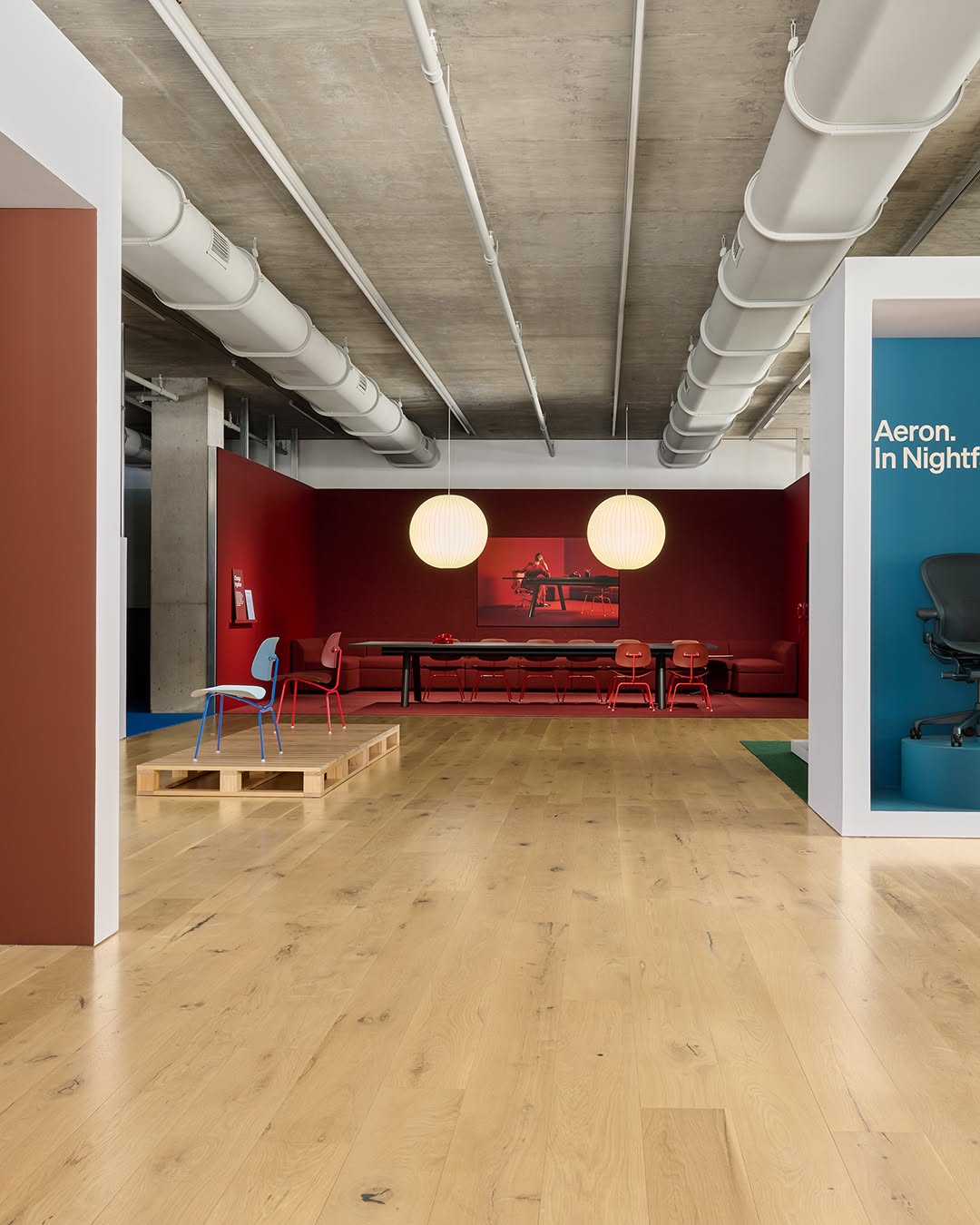
The Fulton Market showroom in Chicago smelled like fresh foam and new upholstery. Two hundred people showed up during Design Days to see a showcase called "Living with Change." Most furniture shows name themselves after a material or a mood. This one named itself after the thing most design companies refuse to acknowledge: that what you buy today will need to mean something different in ten years.
That is the frame Herman Miller is betting on. The people setting that frame are Kim Colin and Sam Hecht, the duo behind Industrial Facility, now serving as Herman Miller's creative directors.
The Hire Nobody Saw Coming
Industrial Facility is not a loud studio. They do not do celebrity collabs. They do not design objects that photograph well from one angle and fall apart from every other. They design things the way an engineer loves a problem: with obsessive attention to what the object actually does when someone uses it for the third time, not the first.
Their client list before this appointment reads like a catalog of restraint: Muji, Samsung (the quiet side of Samsung), Mattiazzi, and Barber Osgerby's studio. The design press covers them less than studios that are a fraction as rigorous. That is not a coincidence. Colin and Hecht work in a register that does not translate to Instagram carousels. They work in the register of objects that last.
Which is exactly why Herman Miller hired them.
Living with Change Is a Manifesto, Not a Tagline
The Chicago showcase was not a product launch. It was a thesis statement. The "Living with Change" name addresses something the furniture industry quietly avoids: most premium furniture is designed for a lifestyle that stays static, for an office that never reorganizes, for a home that never needs to do something new.
Colin and Hecht have spent twenty years designing against that assumption. The Muji collaboration produced objects so neutral they disappeared into any context. The work for Mattiazzi pushed wood to its structural limits without showing off. Every project in their archive asks the same question: how do you make something that serves people better as time passes, rather than worse?
For Herman Miller, this is not just a creative appointment. It is a signal about where the company positions itself after the Knoll merger, after years of price increases, after the question of what the brand means at $2,000 for an office chair.
The answer they are giving: craft that compounds.
Design Is Trending Toward Restraint
Something is shifting in architecture and design right now. The buildings and objects generating the most serious attention are not the loudest ones. Herzog and de Meuron's Titlis tower in the Swiss Alps succeeds because it respects its site. The Casa Tobi in Oaxaca sits on a cliff for one specific purpose and does not apologize for that narrowness.
The pattern across all of it: restraint in the service of longevity. Objects and buildings that understand they will outlive the trend cycle that produced them.
Herman Miller is making a structural bet that the next decade of furniture leadership belongs to studios that understand use patterns, not studios that understand press cycles.
Herman Miller's Brand Promise, Rewritten
Herman Miller spent decades owning the workplace category with the Aeron chair and the Eames partnership. The Aeron still ships. The Eames licensing still generates revenue. But both of those assets are from a different century, designed for different assumptions about how people live and work.
Colin and Hecht are the first creative directors in the company's modern chapter with a documented philosophy about change itself. Not change as in "new collection," but change as in how a piece of furniture must serve a person differently at thirty than it did a decade earlier.
That distinction matters. The furniture industry's quiet problem is that most expensive pieces are designed to impress at purchase and depreciate in dignity after the third move. Industrial Facility's portfolio is built explicitly against that arc.
Watch the First Collection
The first major Herman Miller collection under Colin and Hecht will be quieter than anything the brand has released in a decade. It will photograph poorly. It will sell extremely well among the people who have already bought everything else and know exactly what they want.
Design Days Chicago was the opening statement. The real argument arrives when the product does.
Topics: knoll, herman miller, industrial facility, furniture, design, creative direction, samsung, future, herman-miller