How Norm Architects Designed the Repulse Bay Residence as Vision, Not Plan
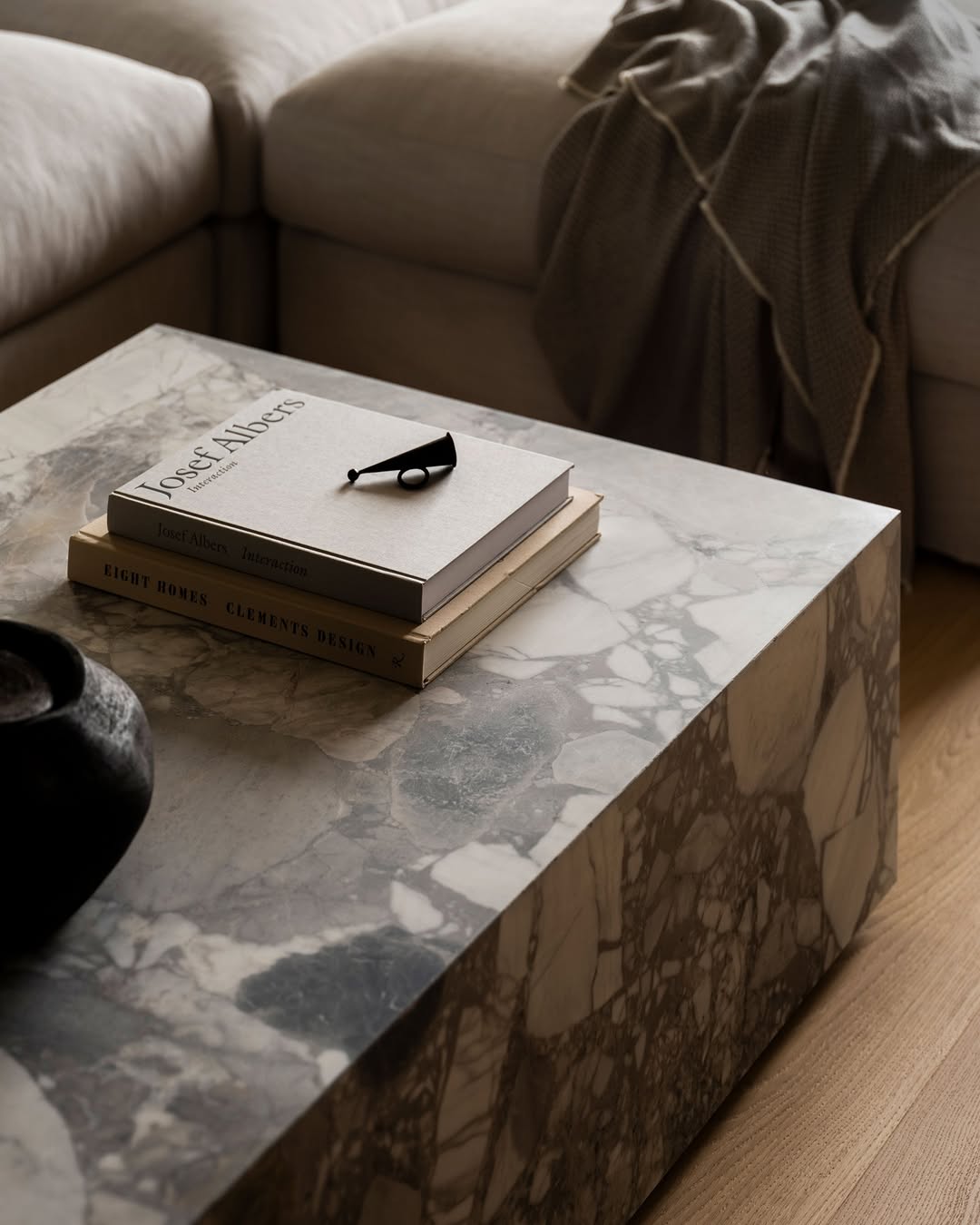
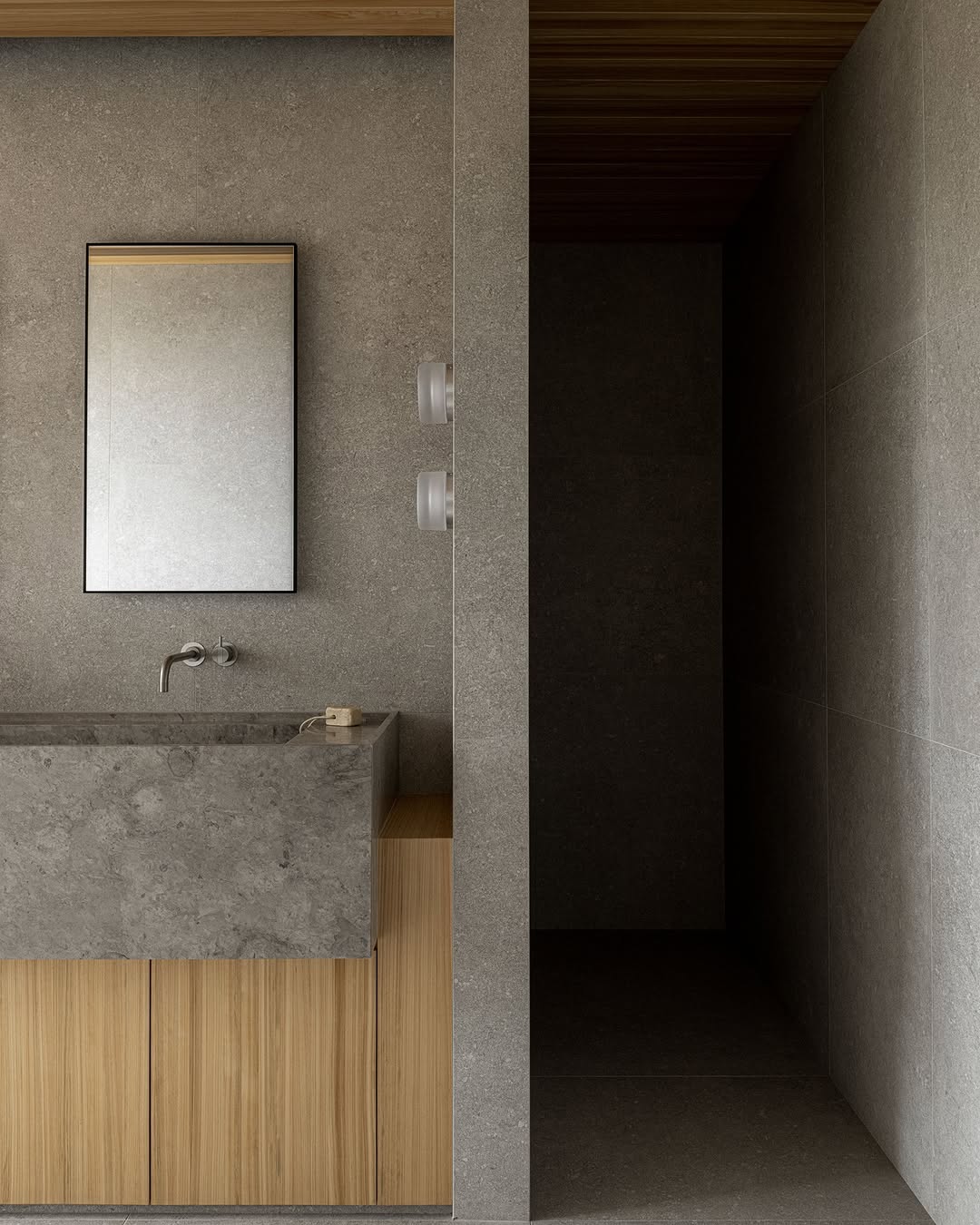
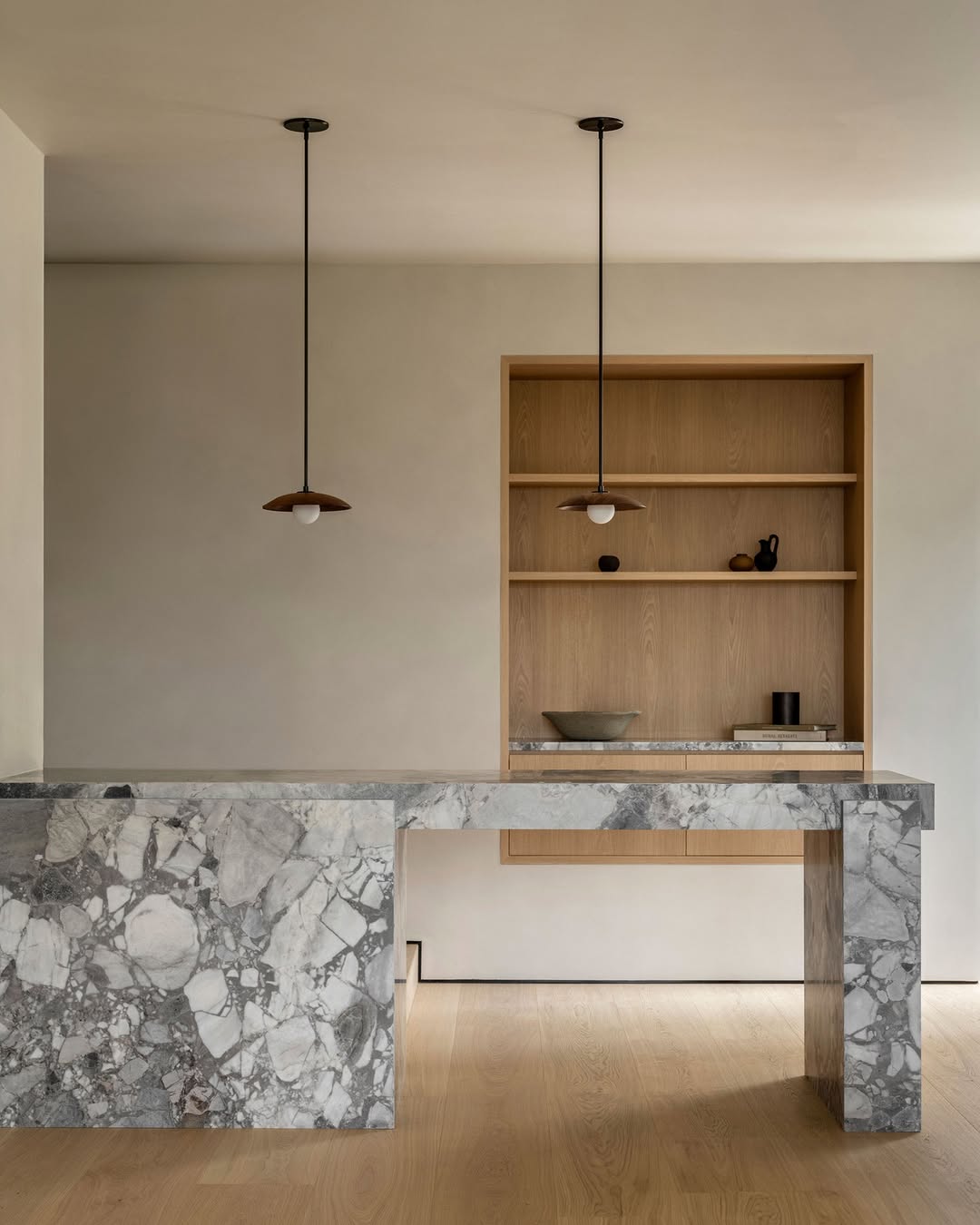
Norm Architects, the Copenhagen firm founded by Jonas Bjerre-Poulsen and Kasper Rønn in 2008, designed the Repulse Bay Residence on the southern coast of Hong Kong as a home conceived as a gallery that reveals itself gradually through freestanding walls that frame sea views, mountain landscapes, and artwork without conventional room enclosure.
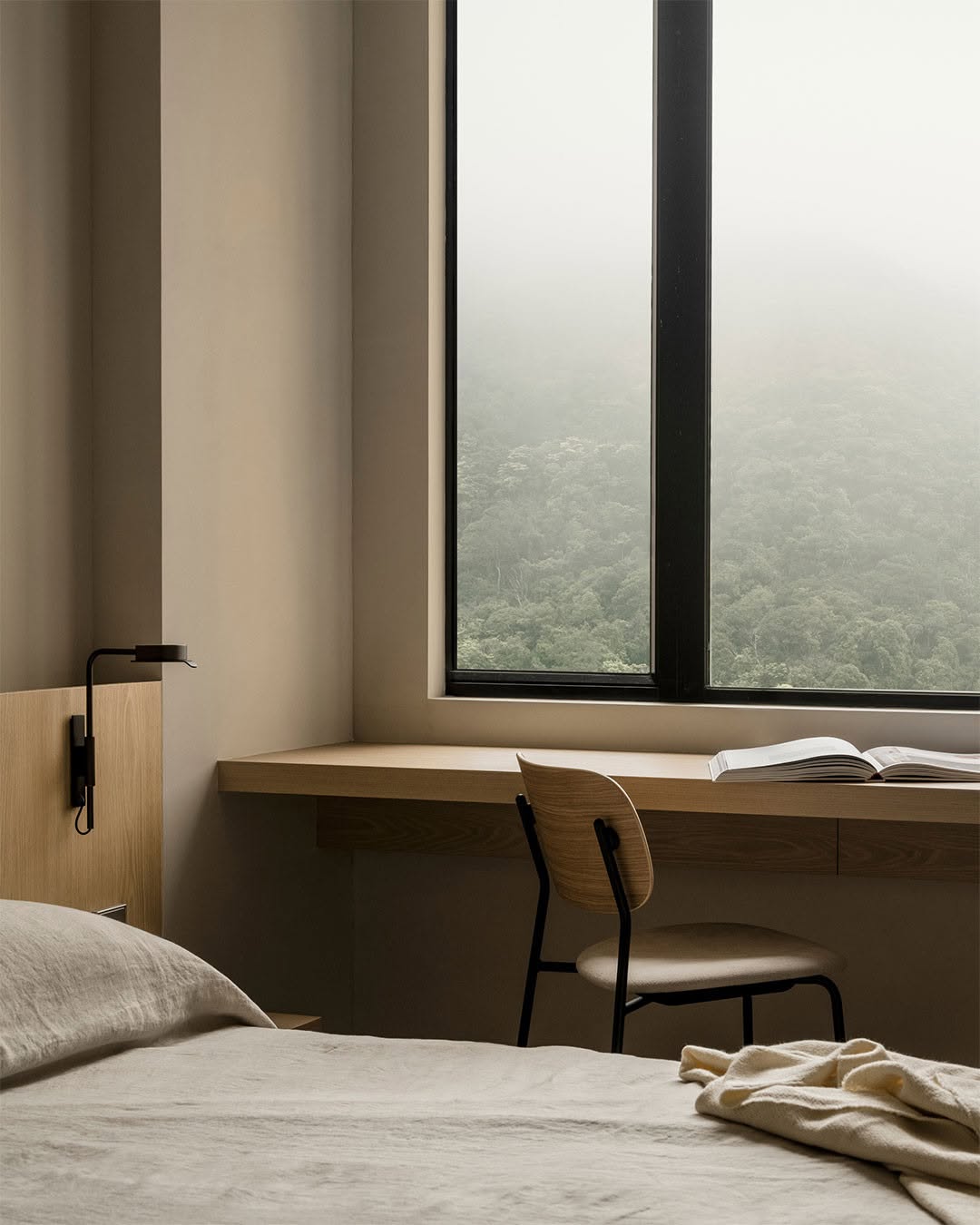
Key Points
- Norm Architects' Repulse Bay Residence uses freestanding walls not anchored to ceilings, creating open spatial sequences between rooms.
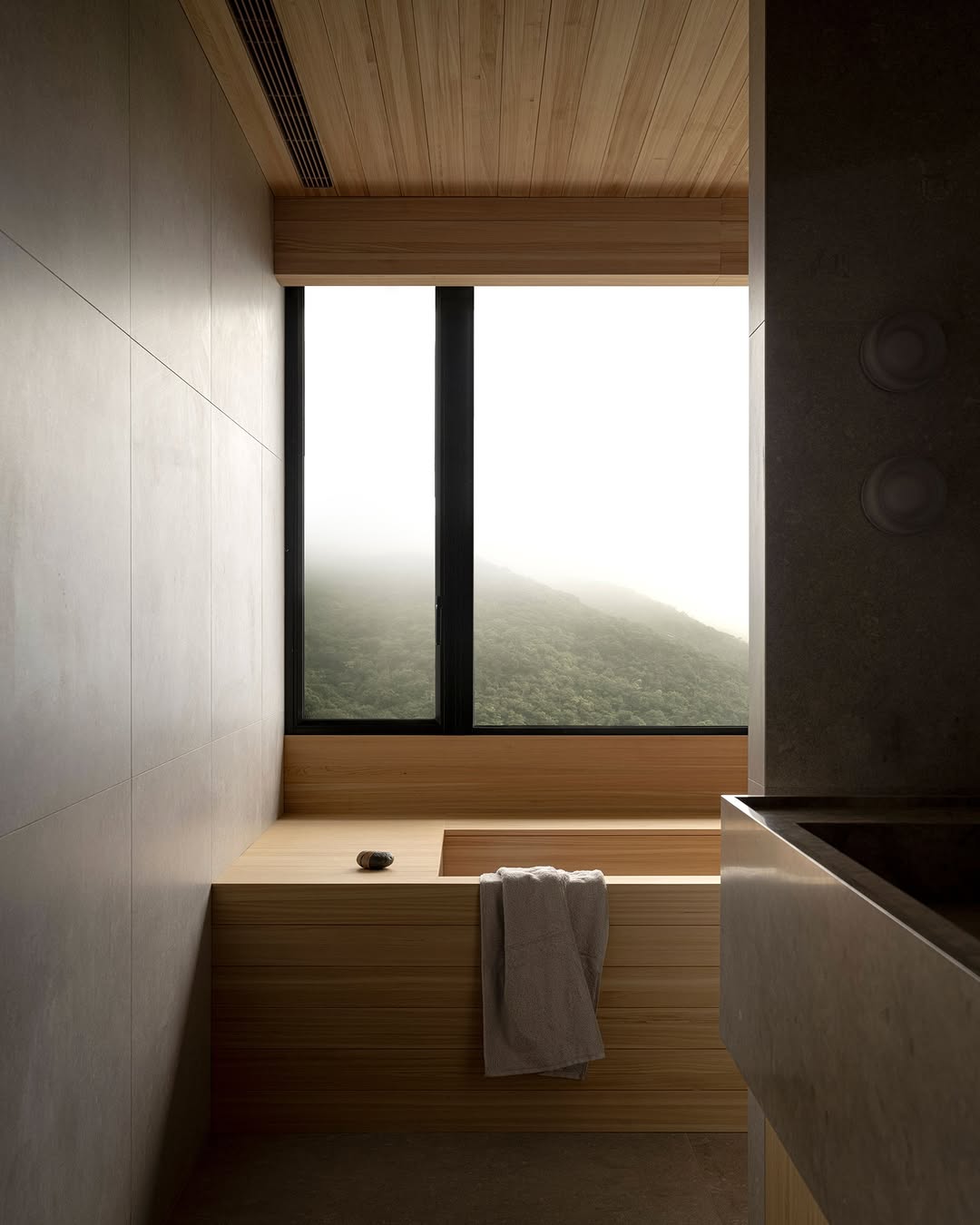
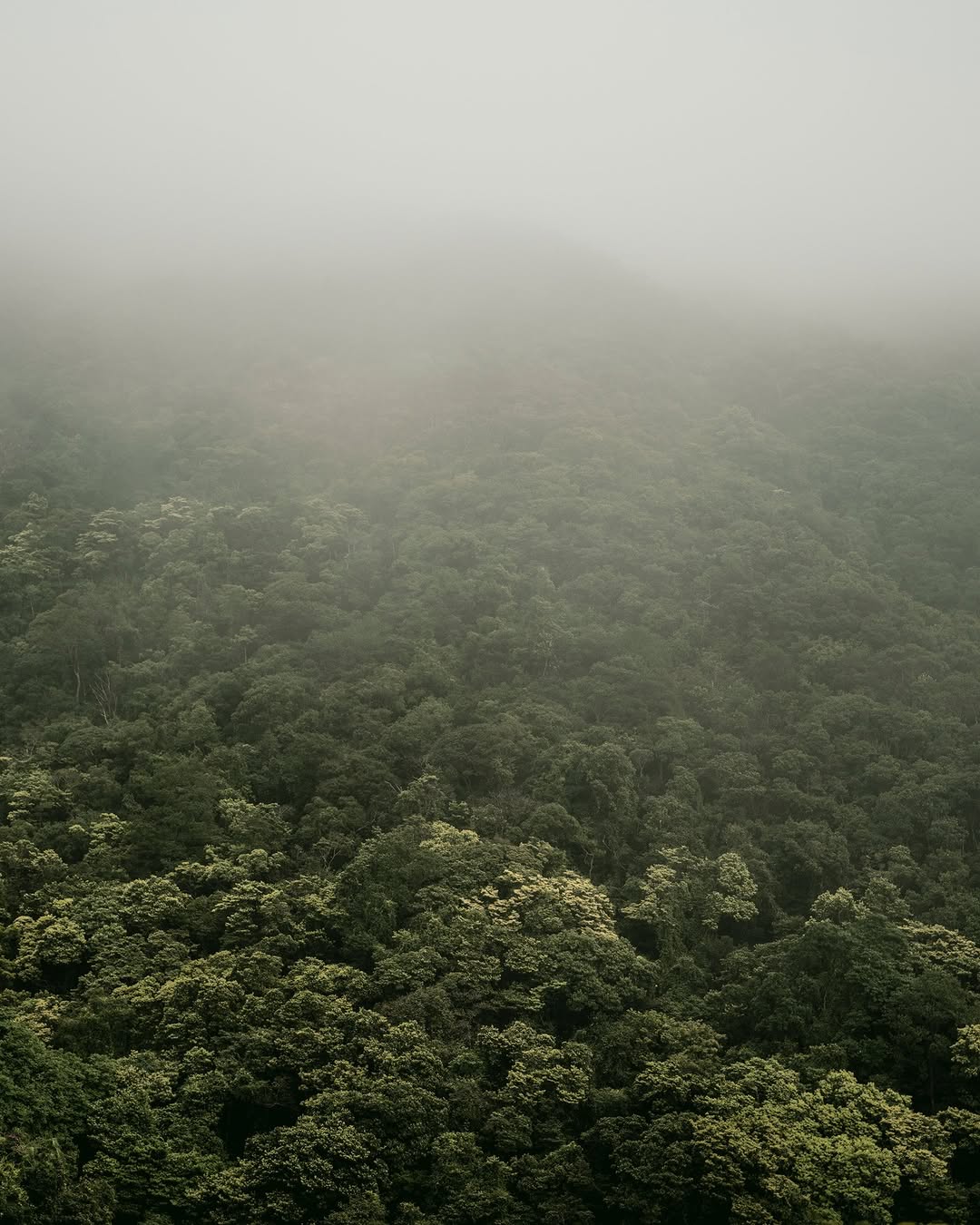
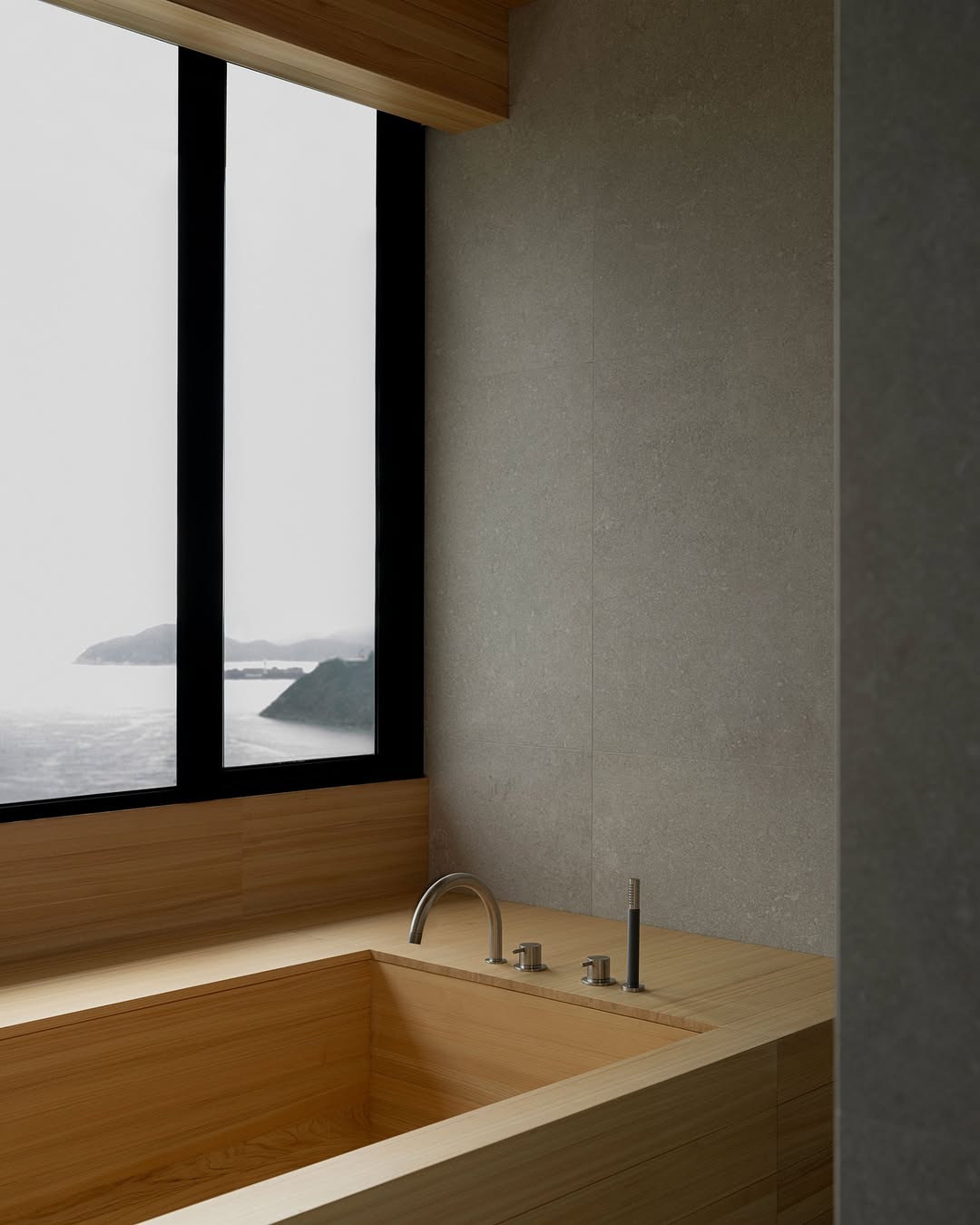
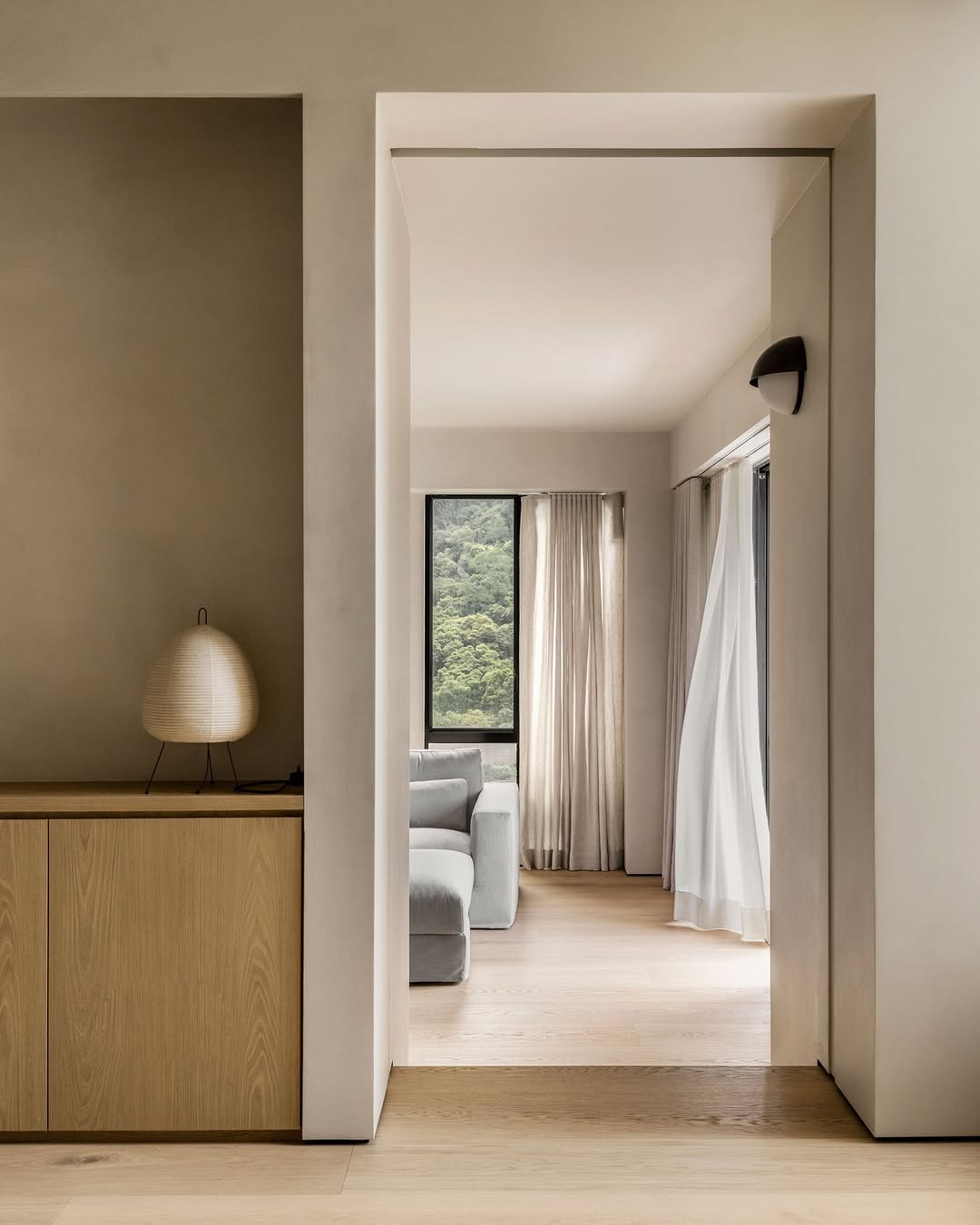
- The Hong Kong project integrates sea, mountain, and garden views as interior elements, not framed exterior postcard views.
- Norm Architects was founded in Copenhagen in 2008 by Jonas Bjerre-Poulsen and Kasper Rønn.
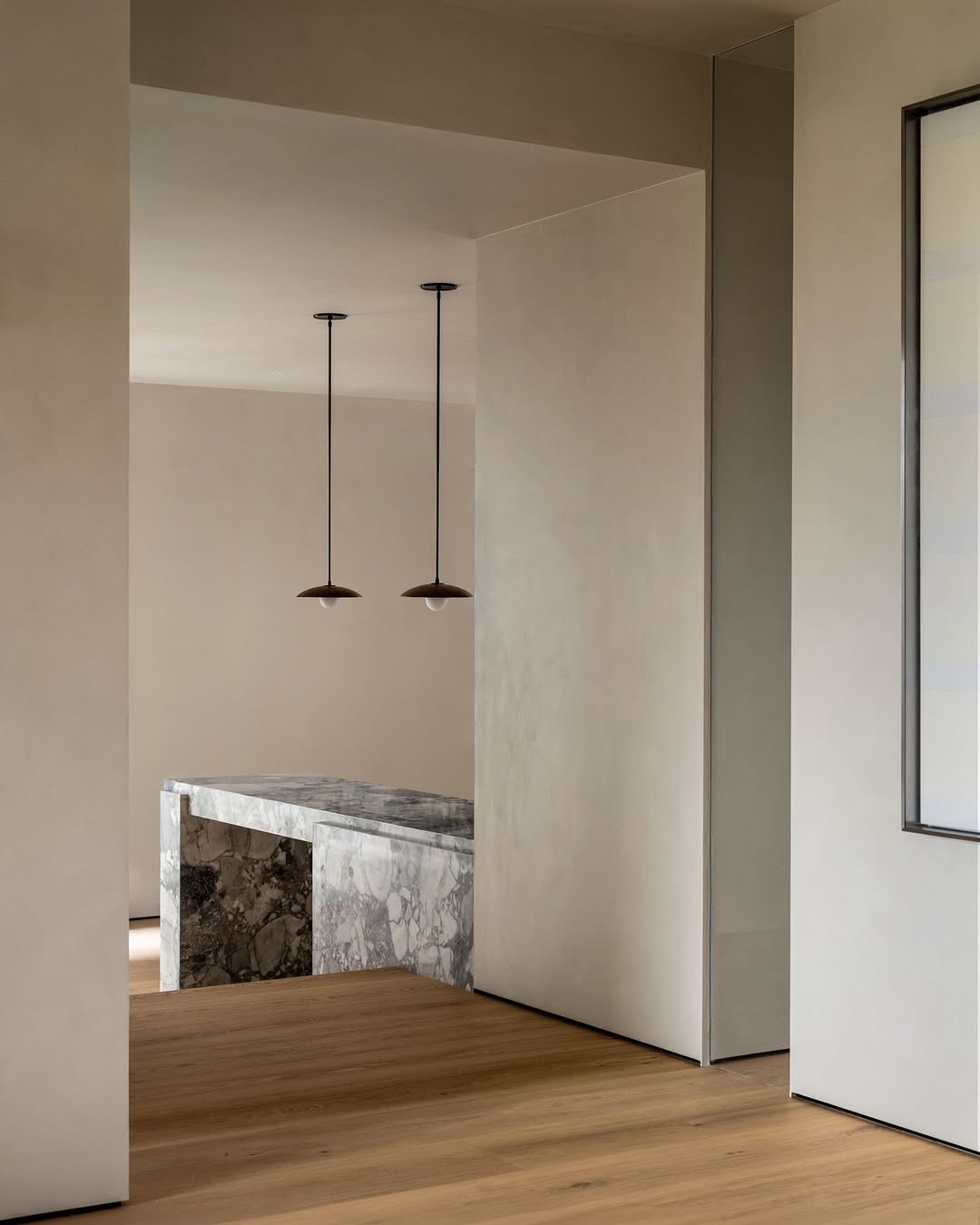
The freestanding wall is doing the work. In the Repulse Bay Residence by Norm Architects, the structural elements that would normally define a room's perimeter are instead placed to frame what is beyond them: a view of the South China Sea, a piece of artwork, a passage into the next space. The wall is not enclosing. It is pointing.
What Norm Architects Is Actually Doing Here
Norm Architects, the Copenhagen-based firm founded by Jonas Bjerre-Poulsen and Kasper Rønn in 2008, has built its practice on a specific design argument: that the most sophisticated spatial experience is one that reveals itself incrementally. The studio's residential work operates at the high end of Scandinavian restraint, but the Repulse Bay Residence is not Scandinavian minimalism applied to a Hong Kong hillside. It is something more considered.
The commission sits on the southern coastline, facing the sea. The structure is conceived, in the practice's own language, as "a home that unfolds much like a gallery." That framing is architecturally precise. In gallery design, walls are not boundaries. They are controlled sight lines. They tell you what to look at and in what sequence.
The Freestanding Wall as Design Decision
The specific innovation in the Repulse Bay Residence is the use of freestanding walls that do not anchor to the ceiling or to adjacent structures. This creates a fundamentally different acoustic and visual experience than conventional room division. You can hear what is happening in adjacent spaces. You can see light moving from room to room. The perimeter of each space is implied, not enforced.
This is the opposite of the private house as fortress, which has been the dominant residential typology in luxury Hong Kong architecture for decades. Norm is building a house that does not close anything off. Every room is in conversation with the next, and every room is in conversation with the landscape outside: sea, mountains, and greenery integrated into the interior experience rather than framed as postcard views through fixed windows.
Sea, Mountains, and the Hong Kong Interior
Repulse Bay itself is one of Hong Kong's most established residential addresses, known since the 1920s as a retreat for the city's professional class. The coastal location means the building has to negotiate between a densely urban context to the north and an entirely natural one to the south. The Norm Architects solution is to design each space around its relationship to the landscape without privileging any single view over the sequence.
The result is a house that is harder to photograph than it is to experience. Architectural photography flattens spatial sequences into single frames. The Repulse Bay Residence is designed to be understood through movement.
Norm in 2026
This commission confirms Norm Architects as the most precise practitioners of residential sequence design working in East Asia right now. The Copenhagen-to-Hong-Kong pipeline in architecture is real and growing: clients who understand Scandinavian spatial philosophy at that price point now specifically seek it in Asian contexts. Expect more commissions of this type from the studio in the next three years.
Related Reading
- EDITION OFFICE BUILT ABOVE THE GROUND IN MELBOURNE
- GONZALO BARDACH BUILT HOUSE JR INTO THE EARTH
- How Tom Ford Designed a 20,000-Acre Ranch That Still Holds His Imprint
Frequently Asked Questions
Who designed the Repulse Bay Residence?
The Repulse Bay Residence in Hong Kong was designed by Norm Architects, the Copenhagen-based firm founded by Jonas Bjerre-Poulsen and Kasper Rønn in 2008.
What is the Repulse Bay Residence design concept?
Norm Architects conceived the Repulse Bay Residence as a home that unfolds like a gallery, using freestanding walls to frame views and artworks and create incremental spatial reveals as you move through the home.
Where is Repulse Bay in Hong Kong?
Repulse Bay is located on the southern coastline of Hong Kong Island, known since the 1920s as an established residential address with direct views of the South China Sea.
Topics: norm-architects, repulse-bay, hong-kong, architecture, interior-design, residential, design, scandinavian, focus-50-42