Faulkner Architects Rebuilt a Burned House in Healdsburg With Corten Steel
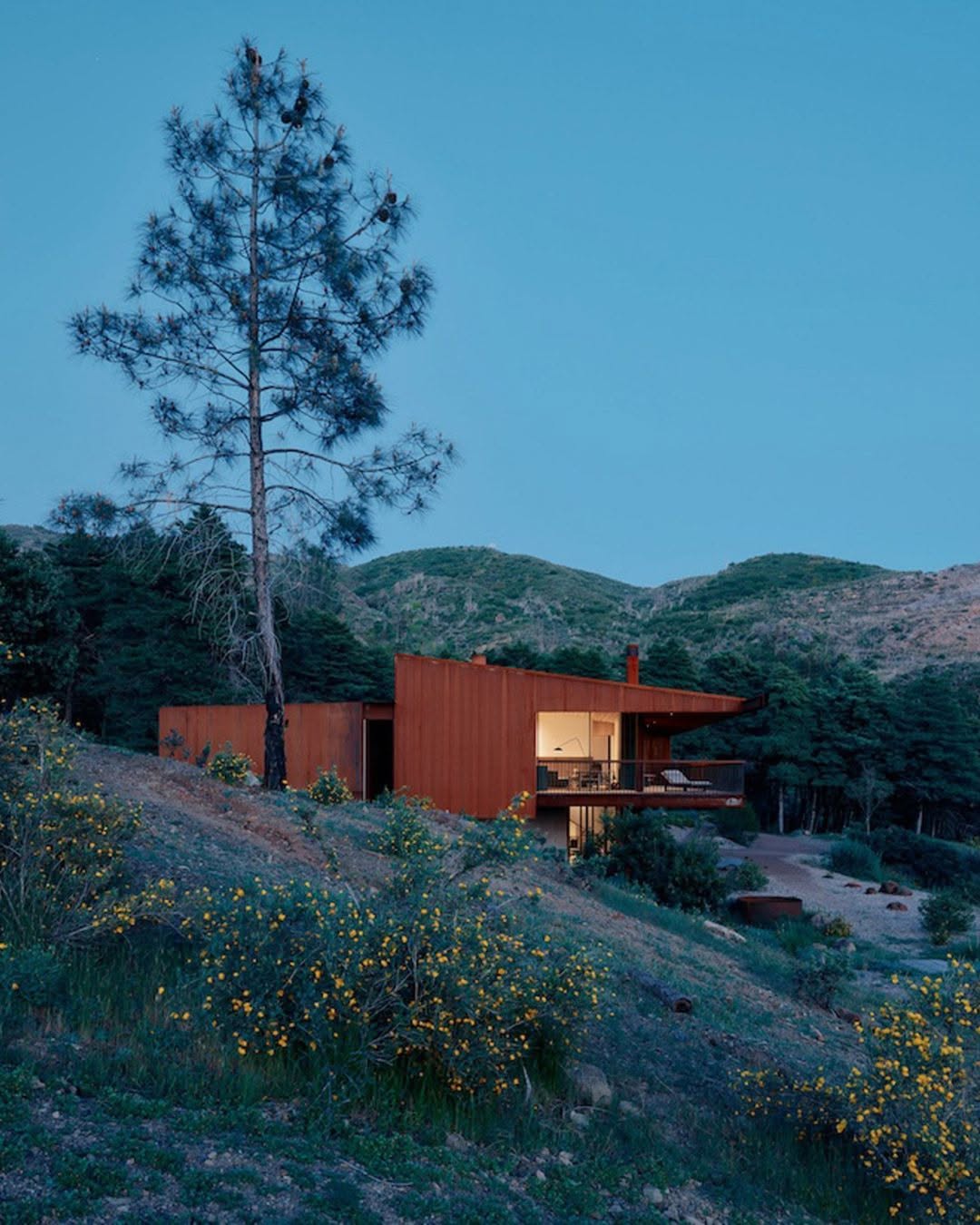
Faulkner Architects rebuilt a wildfire-destroyed home near Healdsburg using Corten steel cladding, reused foundation concrete, and off-grid infrastructure. The
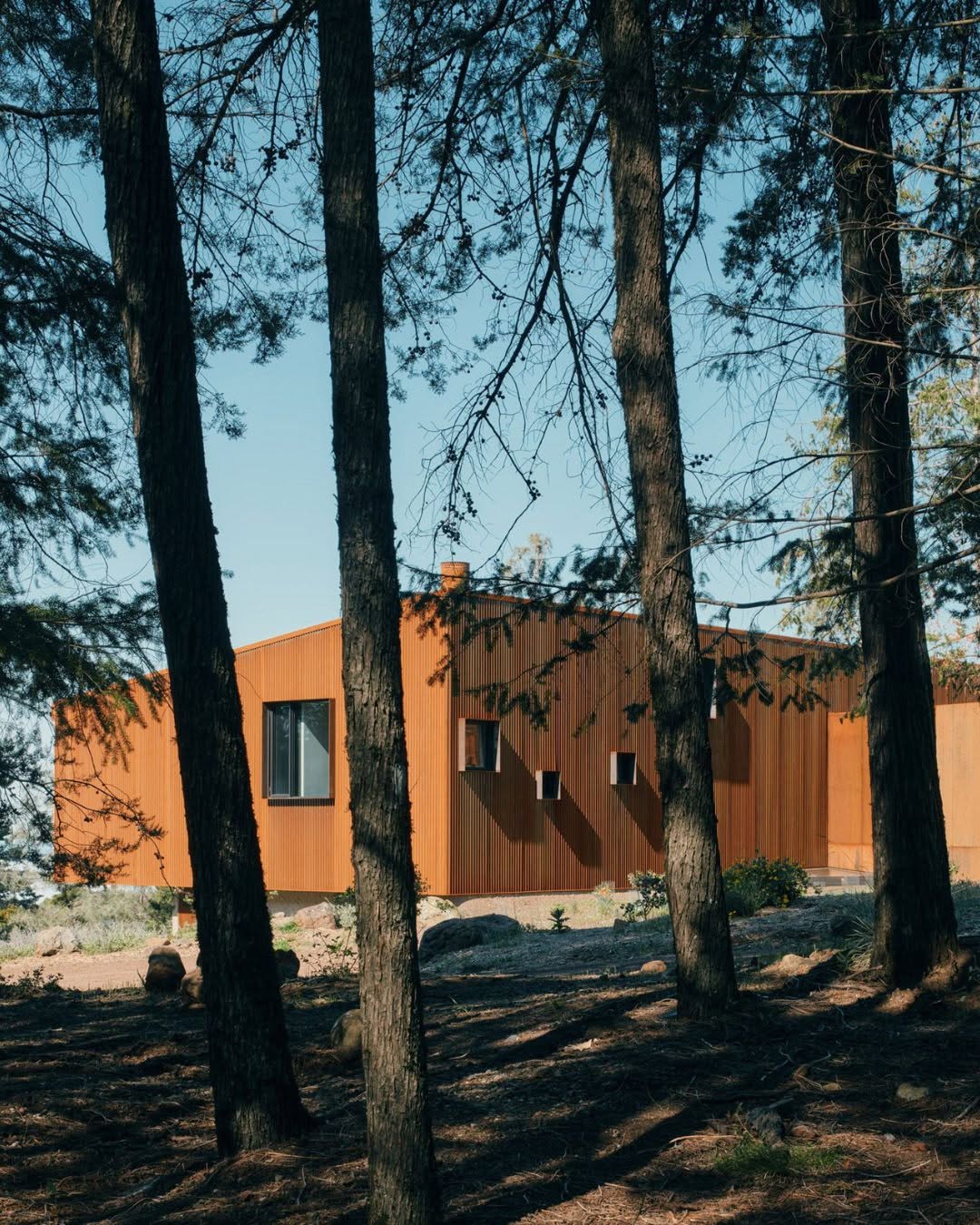
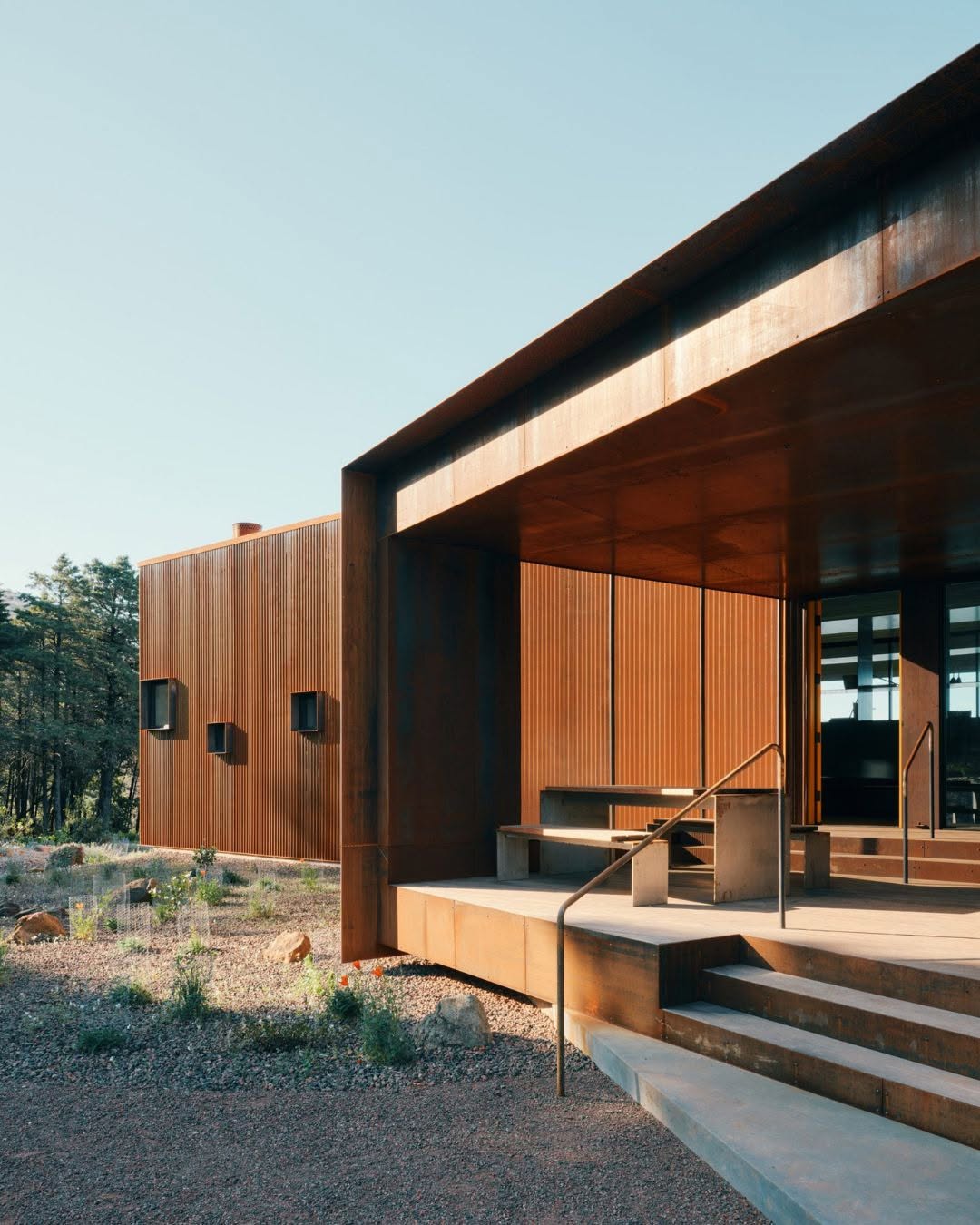
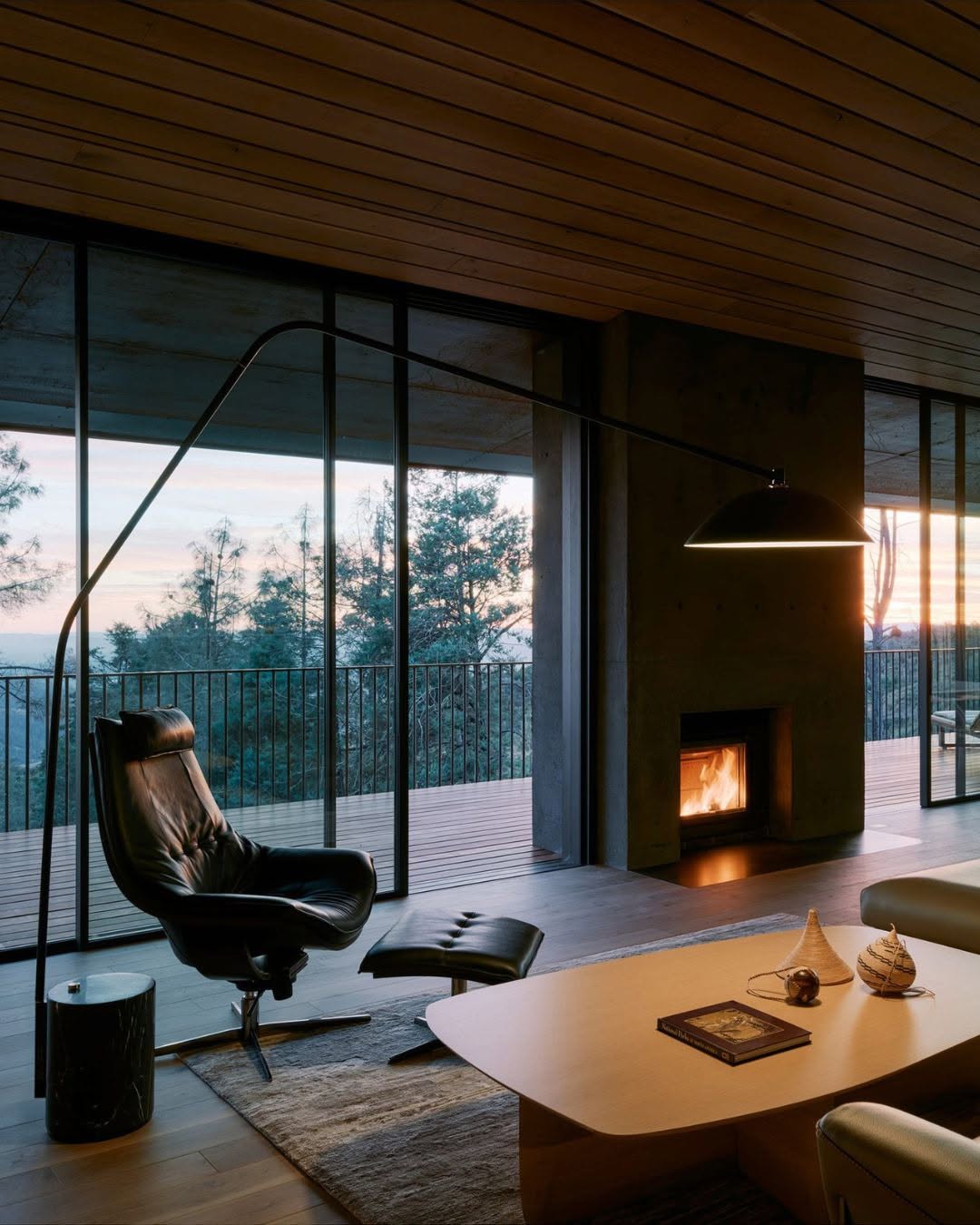
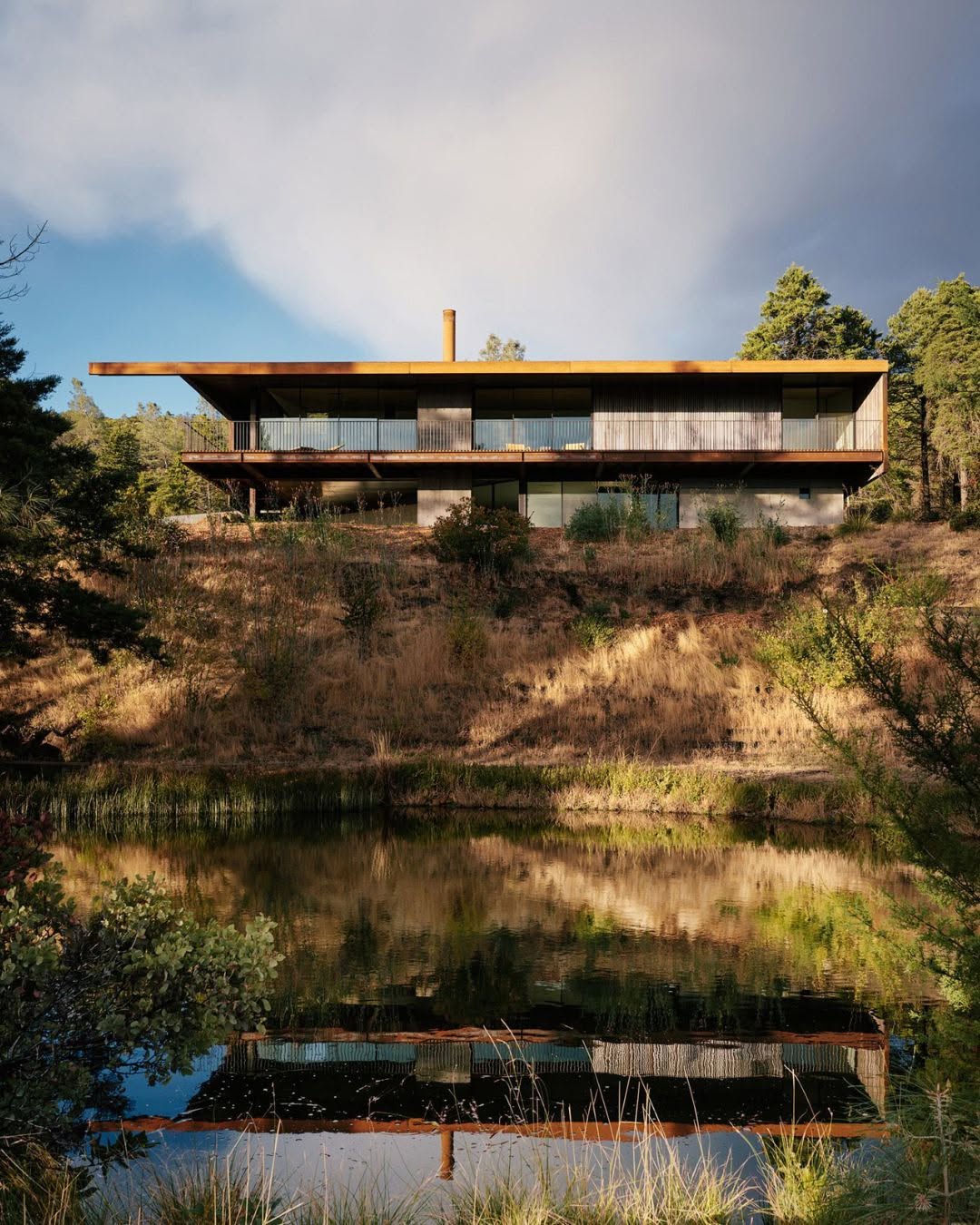
The 2019 Kincade Fire destroyed the original house on this site in the Mayacamas Mountains above Healdsburg, California. Faulkner Architects rebuilt it in Corten weathering steel.
The Pine Flat Residence is a three-bedroom home spread across two storeys, embedded in a steep slope approximately one hour north of San Francisco. The brief was specific: durable, wildfire-resilient, low-maintenance, designed for a site that has already burned once and sits in a region that will burn again.
Corten Steel. Why This Material and Not Another
Corten, also called weathering steel, undergoes controlled surface oxidation when exposed to the atmosphere. The resulting rust layer is stable and self-protecting: it inhibits deeper corrosion rather than allowing it to progress. The surface does not need painting, coating, or maintenance intervention after the initial weathering period of 18 to 36 months.
For wildfire contexts, the critical property is non-combustibility. Corten is steel. It does not burn. The corrugated cladding profile Faulkner chose adds rigidity and surface area to the weathering layer without adding combustible material. The building's envelope is made of something that fire cannot use.
Additional measures: sliding ember screens for all openings, exterior sprinklers over the decks as a secondary perimeter defense.
90% of the Original Foundation. The Constraint That Shaped the Design
Faulkner reused approximately 90% of the original concrete foundation and walls from the destroyed structure. This decision was both environmental and practical: excavating and pouring a new foundation on a steep Healdsburg hillside is expensive and disruptive, and the original concrete represented significant embodied energy.
Designing to the existing foundation's footprint is a constraint that shapes every subsequent decision about the building's volume, circulation, and orientation. The existing concrete dictated where the new structure could go. Faulkner worked with that rather than against it.
Off-Grid at Full Specification
The house is fully self-sufficient: solar power with battery storage, geothermal heat pumps, and a rainwater collection system that feeds into an on-site pond. The pond serves dual purpose, landscape and firefighting water reserve.
The building runs as a low-profile long volume following the topography of the ridge. The design does not announce itself. It sits in the landscape as a quiet industrial object that happens to be a home.
Verdict: the Pine Flat Residence is a solved brief, not a statement. Every decision traces back to a specific risk, a specific constraint, or a specific environmental condition. That discipline produces a building that will outlast the next fire because it was designed to, not because it looks like it might.
Related: This House in Healdsburg Was Built to Survive the Fire That Destroyed Its Predecessor.
Topics: corten-steel, faulkner-architects, healdsburg, pine-flat-residence, california, design, wildfire, architecture, kincade-fire, dezeen