FLORA Y FAUNA HOUSE HAS NO FIXED WALLS IN SAN PANCHO
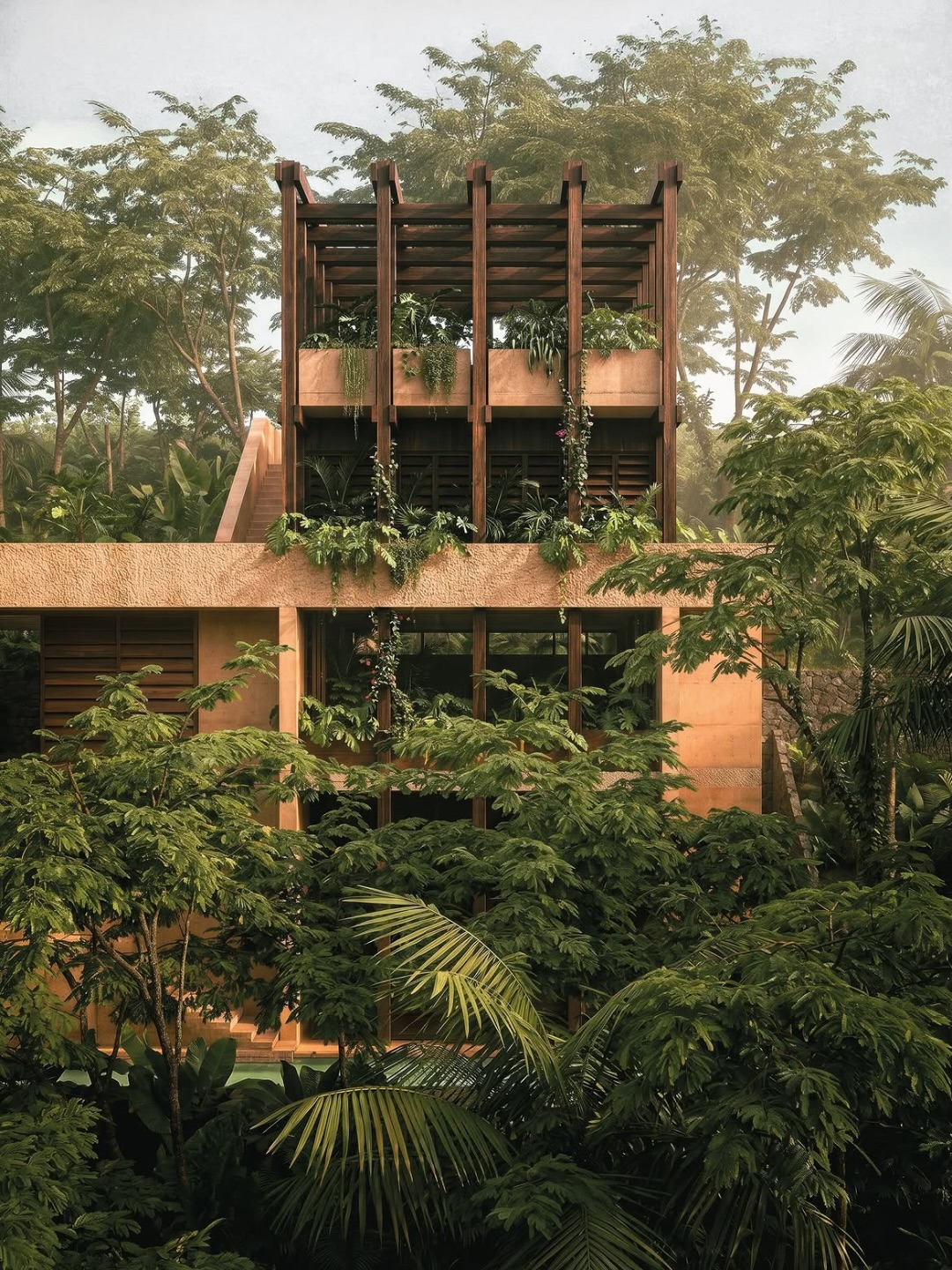
Flora y Fauna is a jungle house in San Pancho, Nayarit designed by V Taller and Leon Orraca Arquitectos using wooden screens and shutters instead of fixed walls. The design lets rooms open or close with the weather rather than relying on air conditioning, and it marks a residential departure for LOA, a studio known for hospitality projects like the 2017 Restaurante La Tequila Leon.
Key Points
- V Taller and Leon Orraca Arquitectos designed Flora y Fauna with wooden screens instead of fixed walls.
- LOA has built mostly hospitality projects, including the 806 square meter Restaurante La Tequila Leon in 2017.
- The house has no fixed room boundaries; gathering spaces expand or contract as wooden panels move.
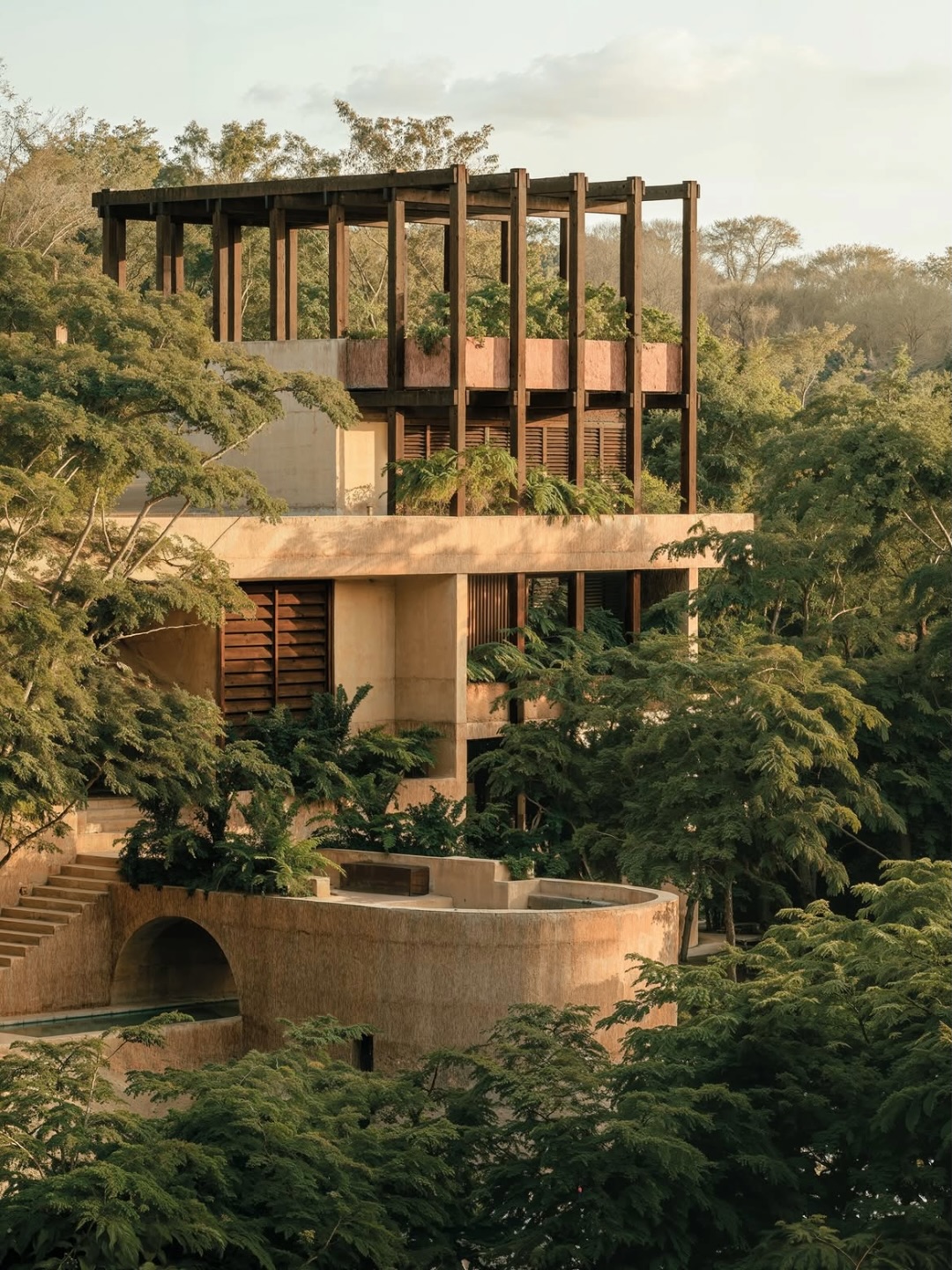
Flora y Fauna sits inside the jungle canopy of San Pancho, Nayarit, and it was built with almost no permanent walls. Architects V Taller and Leon Orraca Arquitectos framed the house around wooden screens and shutters instead of fixed enclosure, panels that open when the heat breaks and close when the afternoon rain moves in off the Pacific. The bet is that a house can be more comfortable with less enclosure, not more, and in a jungle this humid, that argument is worth making.
San Pancho Builds In Stucco. This House Did Not.
San Pancho is the cultural capital of the Riviera Nayarit, a jungle and surf town where most homes still lean on the region's colonial habits: white stucco walls, terracotta roofs, a courtyard sealed off from the street. Flora y Fauna breaks from that palette on purpose. The house uses timber screens as its primary skin instead of decoration layered onto concrete, which puts the structural question on wood and joinery rather than plaster and rebar.
The firm LOA, one of two studios credited on the project, was founded by brothers Inaki Diaz de Leon Orraca and Federico Diaz de Leon Orraca and works out of Guadalajara on mostly hospitality builds, including the 806 square meter Restaurante La Tequila Leon that opened in San Pancho in 2017. Flora y Fauna is a residential departure for a studio more used to feeding people than housing them, and the wood forward approach reads like a hospitality instinct turned inward: make the person inside feel the climate instead of hiding from it.
Wooden Shutters Replace Four Walls Here, Not One
The screens are not a single accent panel bolted onto a finished concrete box. They form the primary boundary between inside and outside across most of the structure, opening on tracks or hinges depending on each elevation's exposure to sun and prevailing wind. That is a structural decision as much as an aesthetic one. A screen wall has to resist wind load and shed rain while still swinging freely on its hardware, which is a harder engineering problem than sealing a fixed glass curtain wall shut.
Technical outerwear makes the same trade constantly. A rain shell with taped seams keeps water out and traps heat in, so brands cut pit zips and mesh vents into the fabric anyway, because letting some air through is the only way the garment survives being worn hard on a trail. Flora y Fauna runs that same trade at architectural scale, permanently, in a jungle instead of on a hike. It is the same logic behind Type7's Mapleton House, which used zinc and silver ash instead of sealed walls to handle a hinterland climate, just answered with timber and hinges instead of metal cladding.
Two Studios Drew One Plan With No Fixed Rooms
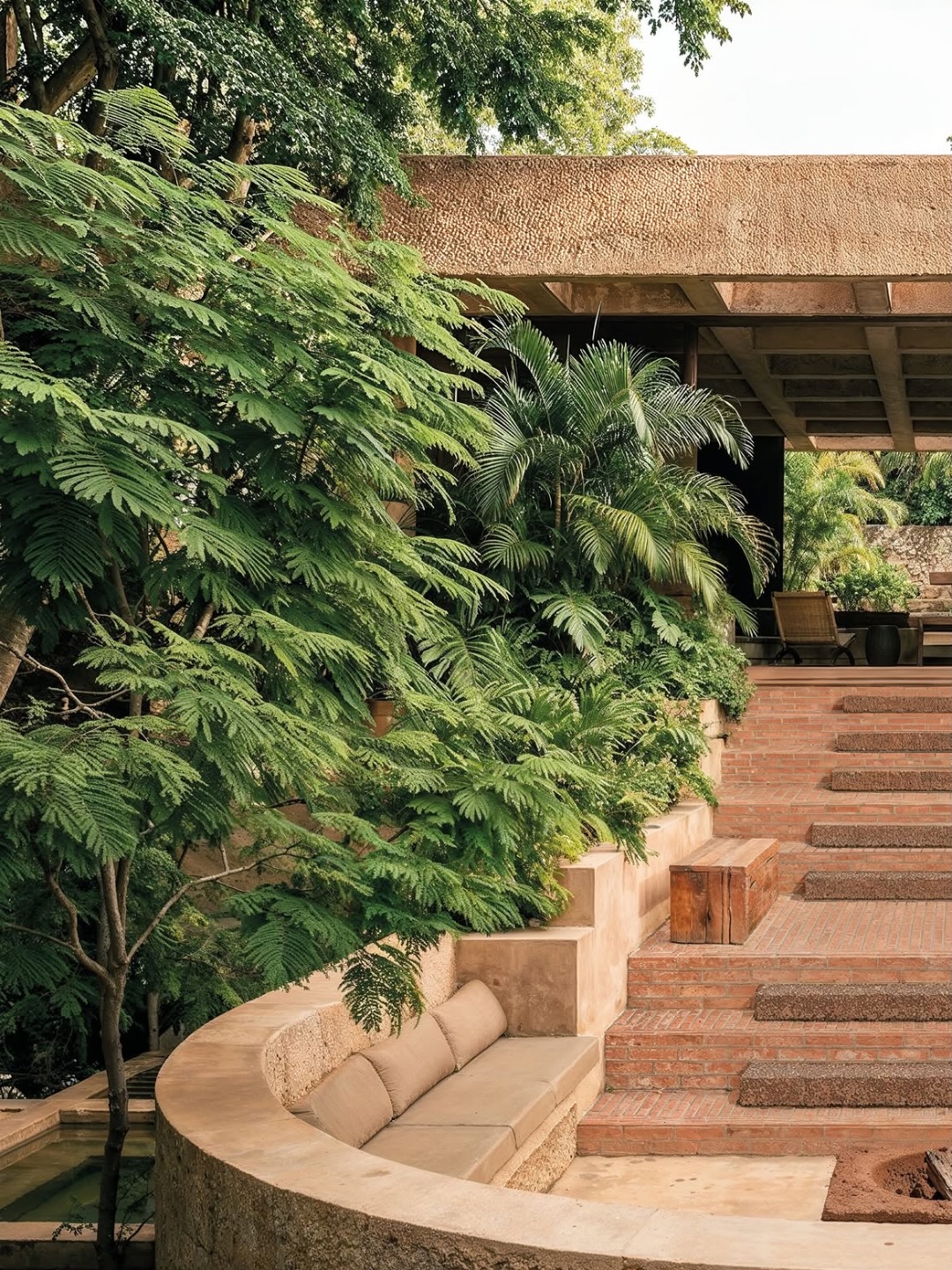
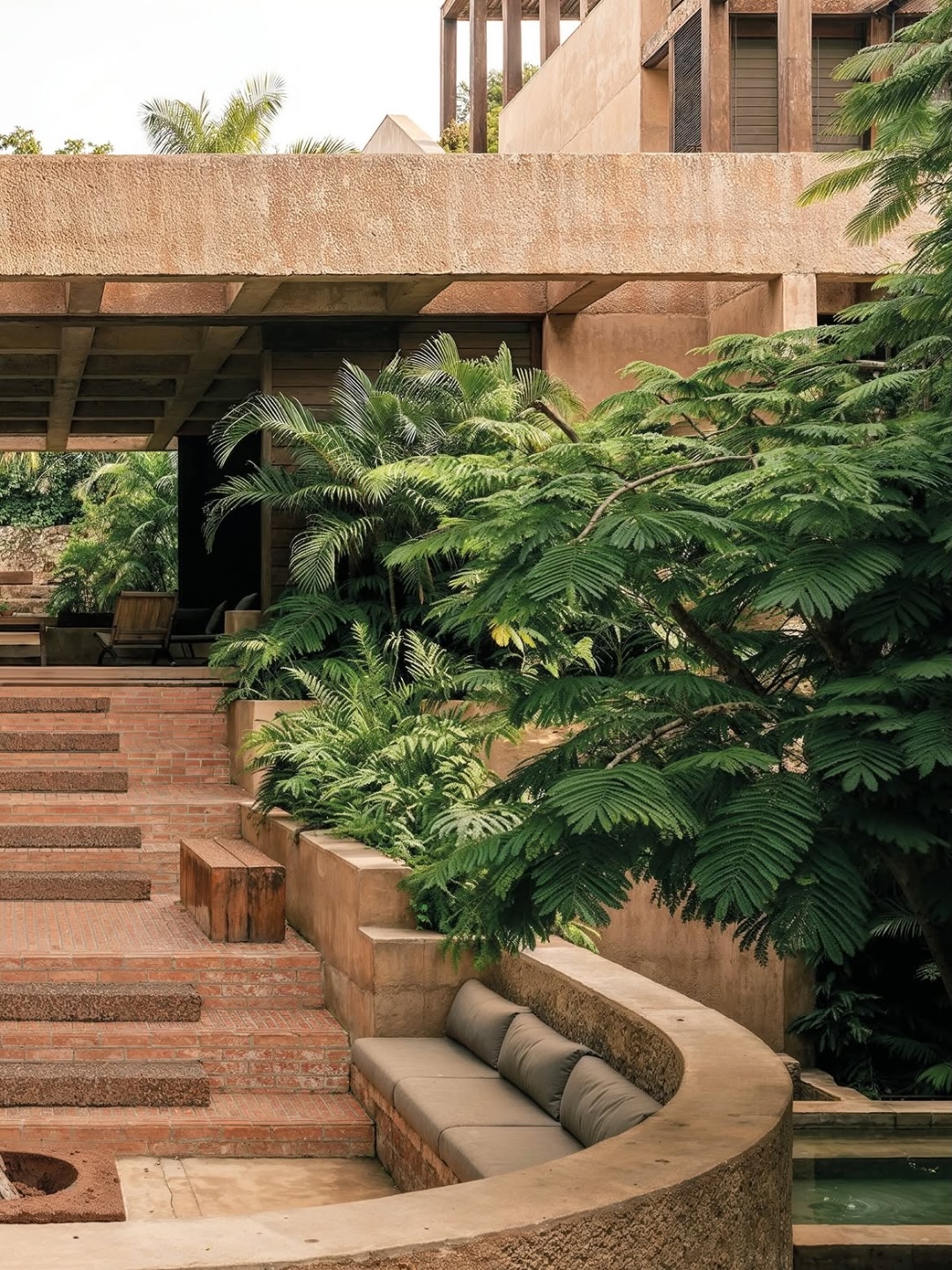
V Taller and Leon Orraca Arquitectos did not split the house by discipline the way most collaborations work, with one firm handling structure and the other handling finishes. Both practices are credited on the architecture itself, and the resulting plan avoids fixed room boundaries almost entirely. Gathering spaces expand or contract as the wooden panels move, so a dining area can fold into the living room for an afternoon and close back into its own footprint by evening.
VER, the visualization studio credited on the release, rendered those transitions in three dimensional form before a single panel was built. That step matters more on a screen based house than a conventional one, because the architects had to prove the shutters would read as intentional architecture and not as scaffolding left up after construction finished.
Skip The Air Conditioning Question Entirely
A jungle lot sells itself. The harder job is not blocking that view with a house that needs a compressor running around the clock to survive its own site, and Flora y Fauna answers that by making the building's skin do the climate work instead of the mechanical system. That is the opposite instinct from a project like Light House, which hid 800 square meters of program behind a solid concrete face in Notting Hill; one house closes to the street and opens inward, the other opens to the jungle on every side it can. The house has no announced square footage or price, which keeps it out of the market comparisons a listing would invite, but the design logic stands on its own regardless of the number attached to it.
Two studios built a house in San Pancho with wood instead of stucco, screens instead of walls, and a floor plan that assumes the weather will change today, tomorrow, and every day after that. That assumption is correct on this coast, and V Taller and Leon Orraca Arquitectos built an entire house around trusting it.
Related: Bofill Taller de Arquitectura Built "The Veil" Into an Albanian Hillside.
Frequently Asked Questions
What is the Flora y Fauna house?
Flora y Fauna is a residential project in San Pancho, Nayarit designed by V Taller and Leon Orraca Arquitectos using wooden screens and shutters instead of fixed walls.
Who designed the Flora y Fauna house?
The house was designed jointly by V Taller and Leon Orraca Arquitectos, with visualization by the studio VER.
Where is the Flora y Fauna house located?
It is located in San Pancho, a jungle and surf town in the Riviera Nayarit region of Mexico.
What materials were used in the Flora y Fauna house?
The house relies on wooden screens and shutters as its primary building skin instead of concrete walls.
How does the Flora y Fauna house handle the climate?
Its wooden panels open and close on tracks and hinges to manage sun, wind and rain without mechanical cooling.
Is the Flora y Fauna house available to buy or rent?
No price, square footage or availability has been announced for the project.
What other projects has LOA designed in San Pancho?
LOA previously designed the 806 square meter Restaurante La Tequila Leon, which opened in San Pancho in 2017.
Does Flora y Fauna have fixed room walls?
No, the plan avoids fixed room boundaries; spaces expand or contract as the wooden panels move.
Topics: mexican-architecture, v-taller, type7, leon-orraca-arquitectos, residential-architecture, san-pancho, architecture, passive-design, nayarit, jungle-house