VINYL SALES HIT $1 BILLION IN 2025 AND GEN Z IS THE REASON
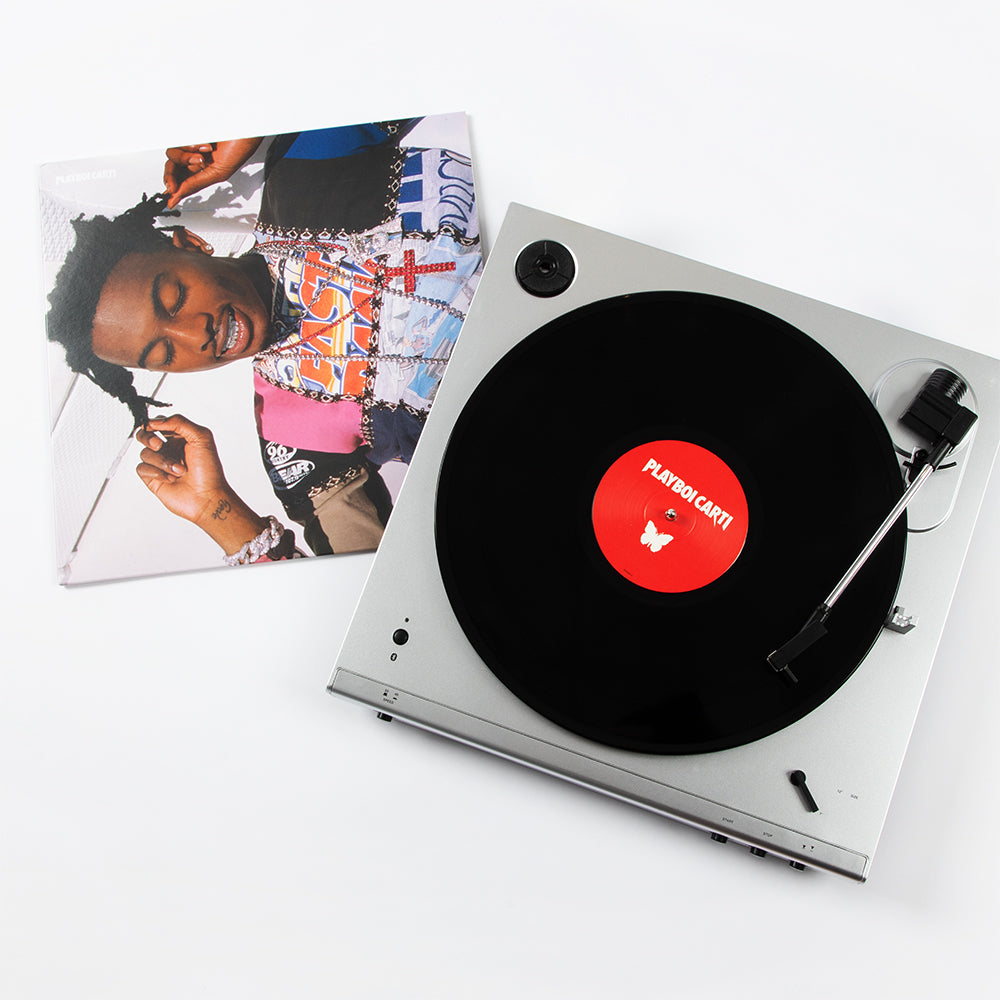
Vinyl sales in the US surpassed $1 billion for the first time since 1983, reaching $1.04 billion in 2025 according to the RIAA year end report. Gen Z consumers drive the growth, with 76% buying records monthly, while Taylor Swift moved 1.6 million vinyl units through multi-variant collectible strategies.

Key Points
- Vinyl hit $1.04B in 2025, first time since 1983, with 48.5M units outselling CDs by 19M
- Taylor Swift moved 1.6M vinyl units with multi-variant collectible strategy
- 76% of Gen Z vinyl fans buy records monthly per Vinyl Alliance survey
$1.04 Billion and 48.5 Million Units
Vinyl revenue in the United States hit $1.04 billion in 2025, the first time the format has crossed that threshold since 1983. The RIAA year end revenue report, released in March 2026, confirms the 19th consecutive year of growth for vinyl, a 9.3% increase from 2024's $954.4 million. Approximately 48.5 million new vinyl units sold, outpacing CDs at 29.5 million by a comfortable 19 million unit margin. Streaming still dominates at $9.5 billion, but the vinyl number tells a different story about how a generation buys music.
Gen Z is the engine. A Vinyl Alliance survey found that 76% of Gen Z vinyl fans, defined as ages 13 to 28, reported buying records at least once a month. Eighty percent own a record player. Those numbers track with what labels have known for three years: the youngest adult consumers are the ones spending $35 on a single LP.
The Taylor Swift Effect
Taylor Swift's The Life of a Showgirl moved 1.6 million vinyl units in 2025, an extraordinary number for any physical format. Her strategy of releasing multiple collectible variants, different colored pressings, exclusive artwork, limited edition inserts, converts casual fans into completionists. Sabrina Carpenter and Kendrick Lamar also ranked among top vinyl sellers, representing pop, hip hop, and the fan bases most willing to pay a premium for ownership.
The completionist model matters because it reframes vinyl from a listening format to a collecting format. The RIAA CEO described vinyl as both a listening experience and collectible art. That phrasing is deliberate. When the industry calls a music format art, it is justifying a price point, not describing a sound quality.
Digital Detox or Decorative Purchase
The skeptic's version: some Gen Z consumers buy records without owning a turntable. They display albums on shelves, prop them on desks, post them on Instagram stories. Vinyl as home decor is not a new phenomenon, but the scale is. When 48.5 million units move in a year, not all of them are being played.
The counterargument holds weight too. Vinyl forces intentionality. You pick an album, you put it on, you sit with it for twenty minutes per side. In a streaming environment where the average song gets 30 seconds before skip, that friction is the point. The format's inefficiency is a feature for listeners who feel overwhelmed by infinite choice. The ritual of cleaning the record, dropping the needle, and committing to a sequence of songs creates a listening experience that streaming architecturally cannot replicate.
The Pressing Plant Bottleneck
Vinyl's growth has created an infrastructure problem that the industry has not solved. Average wait times for independent artists hover around four to six months for a press run. Major labels get priority at the largest plants, United Record Pressing in Nashville and GZ Media in the Czech Republic, which means the artists who benefit most from vinyl economics are the ones who need it least. Independent musicians are subsidizing the format's growth with their patience while Taylor Swift gets express production runs.
The bottleneck extends to raw materials. PVC pellets, the primary ingredient in vinyl records, saw a 12% price increase in 2025 due to supply chain constraints. That cost gets passed to labels and ultimately to consumers, which is why the average LP now retails between $28 and $35, up from $22 in 2020.
What the Numbers Actually Mean
Vinyl at $1.04 billion represents less than 10% of total U.S. music revenue. Streaming is not threatened. But vinyl's growth rate, 9.3% year over year for 19 consecutive years, is a signal that physical ownership retains cultural value even when the product is technically obsolete.
Vinyl crossed $1 billion because Gen Z treats records the way millennials treated sneakers: as identity objects that happen to have a functional purpose. Whether the next billion comes from better turntable sales or better shelf aesthetics will determine if this is a music trend or a furniture trend.
Related Reading
- ADAM SANDLER TOPS FORBES HIGHEST PAID ACTORS 2025 WITH $48 MILLION
- BABY KEEM’s CASINO ALBUM DROPS featuring KENDRICK LAMAR
- MCDONALD'S BETS $100 BILLION ON DIRTY SODA AND COSMCS DIED FOR IT
Frequently Asked Questions
How much did vinyl sales make in 2025?
Vinyl revenue reached $1.04 billion in the US in 2025, a 9.3% increase from 2024s $954.4 million, marking 19 consecutive years of growth according to the RIAA.
Why is vinyl popular with Gen Z?
76% of Gen Z vinyl fans buy records monthly according to a Vinyl Alliance survey. Motivations include tangible ownership, digital detox from streaming, personal identity expression, and collecting culture.
How many vinyl records sold in 2025?
Approximately 48.5 million new vinyl units sold in the US in 2025, significantly outperforming CDs at 29.5 million units.
Topics: record-sales, gen-z, riaa, kendrick-lamar, music-industry, taylor-swift, streaming, vinyl-sales, kendrick lamar, physical-media