Reebok's Classics Reinvention Uses a Photographer, Not a Designer
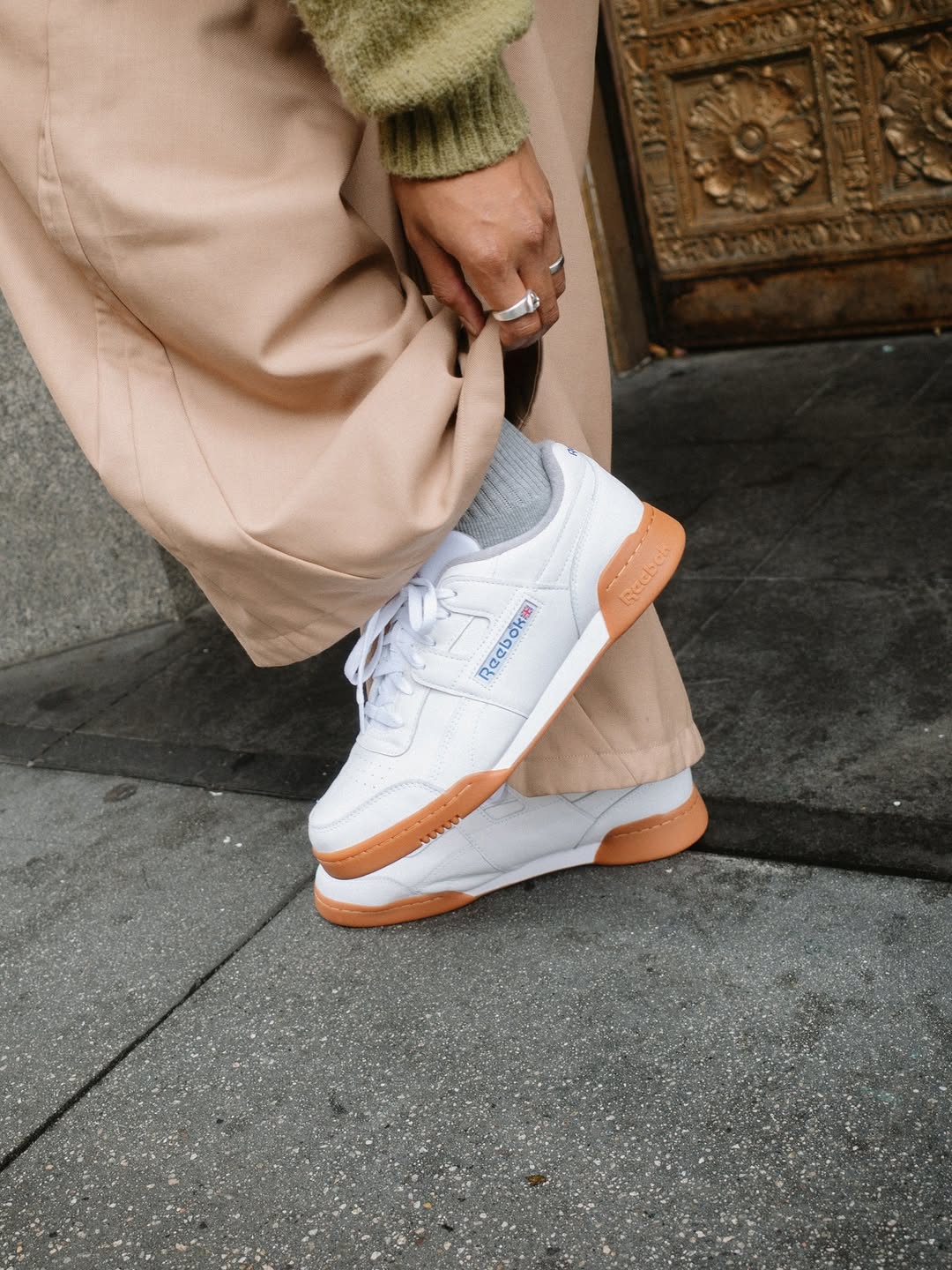
Reebok's 2026 Classic campaign features photographer Ralph Romeo with the tag line "Reinvent the Classics with your own personal spin." The activation extends the brand's post-ABG-acquisition strategy of stabilizing the Classic's heritage identity through wearer-interpreter campaigns rather than designer collaborations. The Classic Leather launched in 1983 and crossed cultural contexts through organic adoption rather than brand positioning.
Key Points
- ABG acquired Reebok from Adidas in 2022 for $3.5B with a mandate to stabilize brand identity before scaling
- Ralph Romeo is a photographer, not a sneaker collaborator; the campaign credits a wearer-interpreter rather than a designer
- Reebok Classic launched as a tennis shoe in 1983; its cultural shifts across running, aerobics, and hip-hop happened through wearer adoption, not brand strategy
Reebok did not hire a fashion designer to reinvent the Classic. It hired a photographer.
Ralph Romeo, known for his work in sneaker and lifestyle visual media, is the creative face of Reebok's current Classic campaign. The tag line is direct: Reinvent the Classics with your own personal spin. The framing is deliberate. Reebok is not positioning the Classic as a designer object that requires external creative authority to validate. It is positioning it as a canvas that belongs to the wearer.
This matters because of where Reebok has been. The brand spent much of the 2010s chasing collab-driven hype that did not convert into sustained commercial momentum. The $3.5 billion acquisition by Authentic Brands Group from Adidas in 2022 came with a mandate to stabilize the brand identity before scaling. The Chelsea Jordan campaign earlier this year, which we covered, was the first public signal of that stabilization strategy. The Ralph Romeo activation is the second.
Two Campaigns, One Argument
Chelsea Jordan wore the Classic Leather in a campaign that emphasized the garment leather upper and its longevity over trend cycles. The headline we noted at the time: Reebok Picked Chelsea Jordan and That Tells You Everything. The selection was the argument. A model with a specific cultural position, not an athlete or a celebrity, wearing a heritage silhouette without modification.
Ralph Romeo is a different kind of selection. A photographer brought in to document his own interpretation of the Classic is an invitation to reframe the product through the lens of someone who professionally sees objects. Romeo's Instagram presence is built around how things look in real light, on real surfaces, next to real context. Putting the Classic in his hands and asking him to reinvent it is asking for documentary evidence, not a mood board.
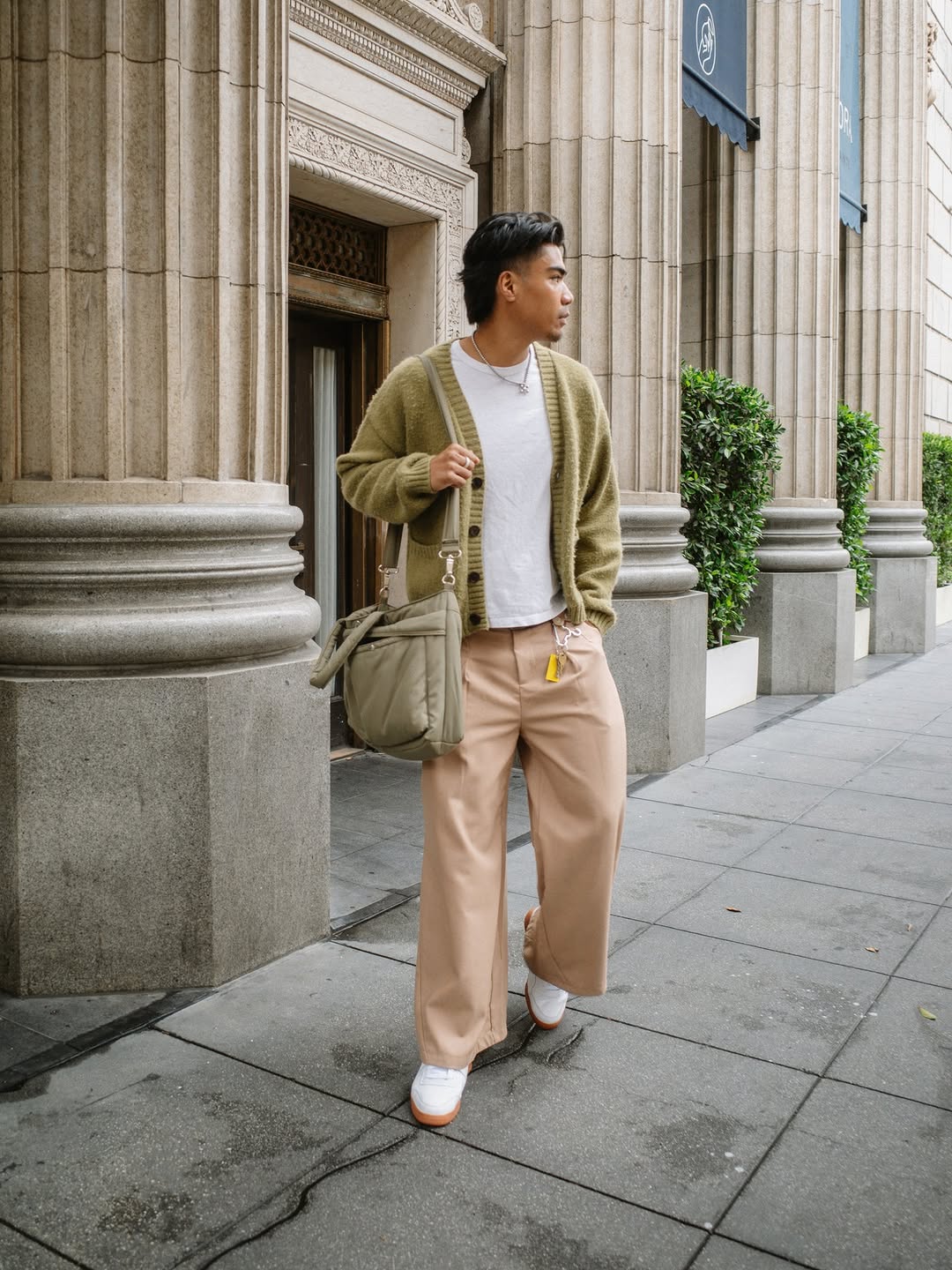
The two carousel images from the signal show the Classic in what appears to be a casual lifestyle context: natural light, minimal styling, the shoe worn rather than displayed. This is the visual language Romeo works in. It is not sneaker photography. It is photography that happens to contain sneakers.
The Reebok Classic's Actual Brief History
The Classic Leather launched in 1983 as a tennis shoe. By 1985 it had been adopted by runners. By 1990 it was in the aerobics market. By 1995 it was in the hip-hop market without Reebok doing anything in particular to put it there. The shoe moved across cultural contexts through wearer adoption, not brand positioning. That history is Reebok's strongest argument for the current campaign.
When Reebok says Reinvent the Classics, it is telling a story about a shoe that has already been reinvented multiple times by people who were not hired to do it. Romeo is not the first person to reinvent the Classic. He is the first person Reebok formally credited for doing it.
ABG's brand management approach, which has also been applied to Champion, Forever 21, and Brooks Brothers, prioritizes heritage narrative over innovation narrative. The message is not that Reebok is new. The message is that Reebok has always been adaptable. The Classic existed before lifestyle sneakers were a category. The campaign is trying to make that pre-category origin into a competitive advantage in a market saturated with purpose-built lifestyle silhouettes.
What Romeo's Framing Does for the Shelf
The sneaker market in 2026 has a specific problem. There are too many silhouettes competing for lifestyle relevance with identical positioning: clean, versatile, wear-with-anything. New Balance's 990 series, Nike's Air Force 1, Adidas's Stan Smith, and the Reebok Classic are all presenting similar arguments to the same consumer. The differentiator is not the shoe. It is the creative context the brand builds around it.
Romeo's involvement shifts the Creative context. A campaign photographed by someone whose professional identity is built on seeing, rather than selling, reads differently in a consumer's feed than a product shoot styled by an agency. The two-image carousel is minimal. It asks the viewer to look rather than be told what to look at.
Reebok's next move in the Classic's 2026 narrative will be visible by Q3. If the Romeo campaign holds and secondary market prices on Classic colorways show movement, ABG has its proof of concept. If the market stays flat, the reinvention argument needs a different collaborator.
Related Reading
- 150 Pairs. MassArt Only. Brain Child and Reebok Did the Numbers Right.
- ADIDAS ORIGINALS DROPS HOTEL SUPERSTAR CAMPAIGN WITH BABY KEEM
- BALENCIAGA DROPS HEART AND BODY FALL 26 WITH DAVID SIMS
Frequently Asked Questions
Who is Ralph Romeo?
A photographer and creative known for lifestyle and sneaker visual media, not a traditional sneaker collaborator. Reebok's 2026 Classic campaign features him reinventing the shoe through his own perspective.
When did Reebok launch the Classic Leather?
The Reebok Classic Leather launched in 1983 as a tennis shoe, moving into running, aerobics, and hip-hop markets through wearer adoption across the following decade.
Who owns Reebok in 2026?
Authentic Brands Group (ABG) acquired Reebok from Adidas in 2022 for $3.5 billion. ABG's approach prioritizes heritage narrative, which is reflected in the Classic's 2026 campaign strategy.
Topics: focus-57-58, sneaker, abg, culture, reebok-classic, new balance, campaign, heritage, ralph-romeo, classic-leather, adidas, reebok, new-balance, authentic-brands-group, nike