Nine Units and No Apologies: The Lamborghini Veneno Roadster at 13
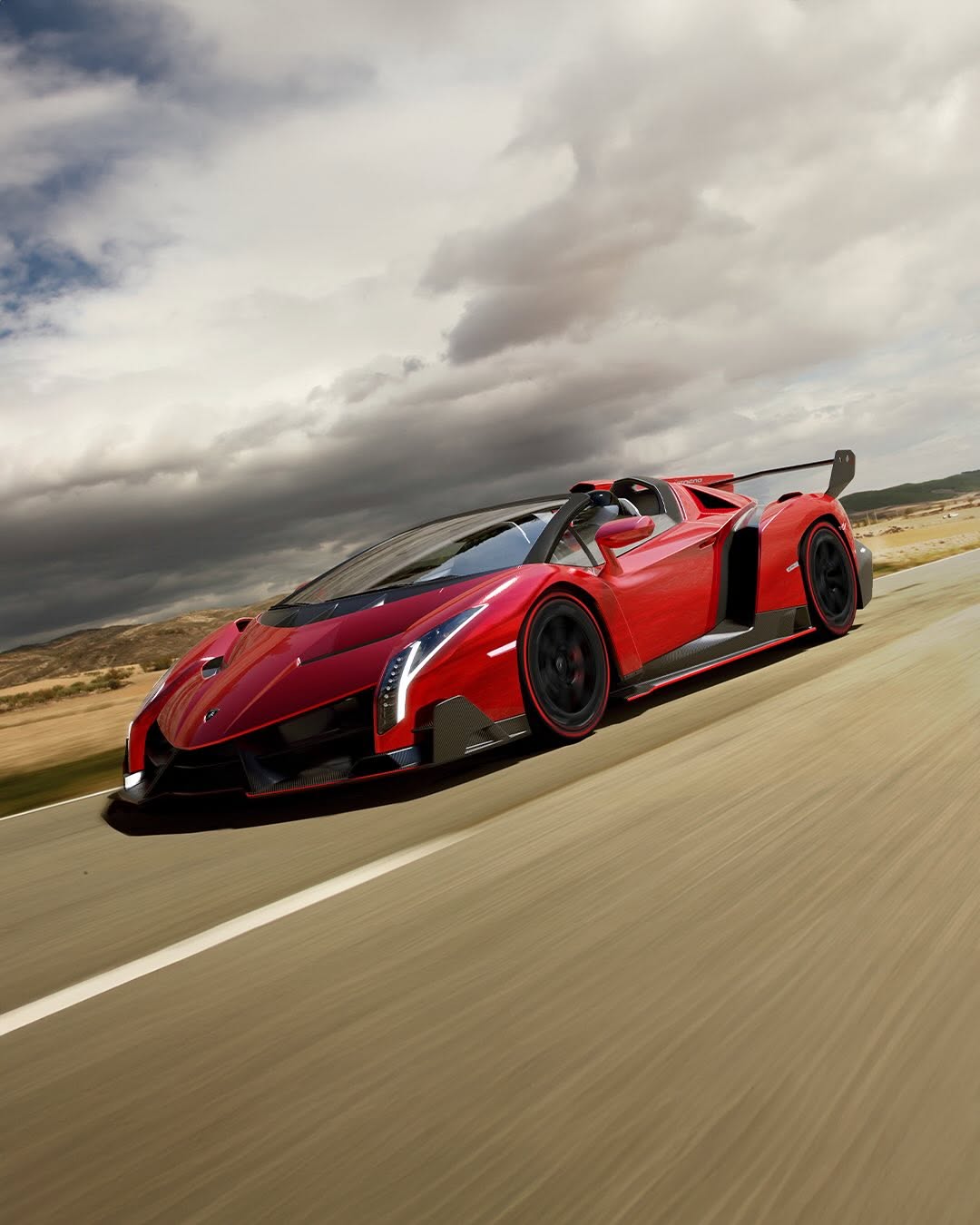
The Lamborghini Veneno Roadster, produced in just 9 units for the brand's 50th anniversary in 2013, was unveiled on an Italian naval aircraft carrier in Abu Dhabi. Priced at €3.3 million, the 750hp V12 carbon-fiber machine now trades at $8-10 million on the secondary market, outperforming Ferrari's LaFerrari on price appreciation.
Key Points
- Only 9 Veneno Roadsters were built; all sold before public unveiling at €3.3M each — now trading at $8-10M+.
- 750hp at 8,400rpm with no hybrid assist: the Veneno's V12 still outperforms modern turbocharged competitors.
- The Veneno Roadster is appreciating faster than the Ferrari LaFerrari on secondary markets despite smaller production.
December 1, 2013. The Italian naval aircraft carrier Cavour sat anchored off Abu Dhabi. The lights in the hangar bay cut out, then came back on pointed at something that did not look like a car. It looked like a weapons system wearing a bodykit.
That was the Lamborghini Veneno Roadster. Nine units. €3.3 million before tax. Unveiled specifically to mark 50 years of Lamborghini, and also to prove that the company that built the Countach and the Diablo and the Murcielago had not run out of ideas in the Audi ownership era.
€3,300,000. Before Tax.
The Veneno Roadster was priced at €3.3 million in 2013 when it was unveiled. For context, a Bugatti Veyron Super Sport that year was €2.4 million. Ferrari's LaFerrari, also a 2013 reveal, had a price that was not publicly disclosed but was widely reported at €1 million. Lamborghini priced the Veneno at three times that, for a car with no windscreen, no warranty discussion in any public documentation, and a production run of nine.
All nine were sold before the hangar lights came back on in Abu Dhabi. Buyers were chosen by invitation. Lamborghini said at the time it was looking for collectors who would preserve the cars; industry observers noted the selection criteria was less about preservation and more about who could write a nine-figure check before lunch.
750hp at 8,400rpm. No Turbos.
The Veneno Roadster runs a 6.5-liter naturally aspirated V12, the same basic architecture as the Aventador LP700 it was derived from, tuned to 750 horsepower at 8,400 rpm. The torque figure is 690 Newton-meters. The 0-100 km/h time is 2.9 seconds. The top speed is 355 km/h.
Those numbers still clear 2026 benchmarks. The Bugatti Tourbillon, the most anticipated hypercar of this decade, does 0-100 in 2.0 seconds, but with a hybrid system adding 994 horsepower of electric torque. The Veneno does its 2.9 with no hybrid system, no electric motor, no battery pack. A pure-combustion supercar that reaches those numbers through mechanical specificity alone.
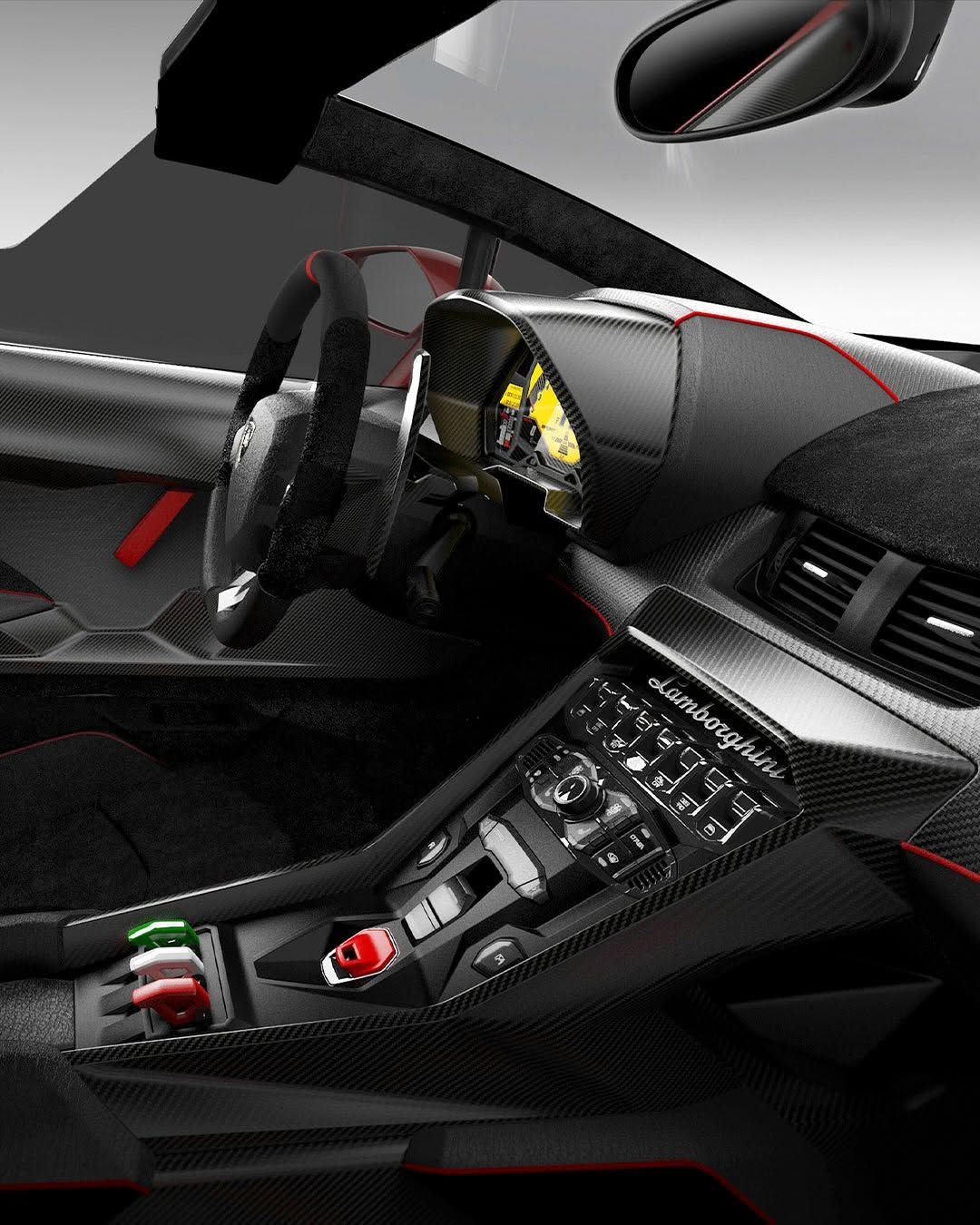
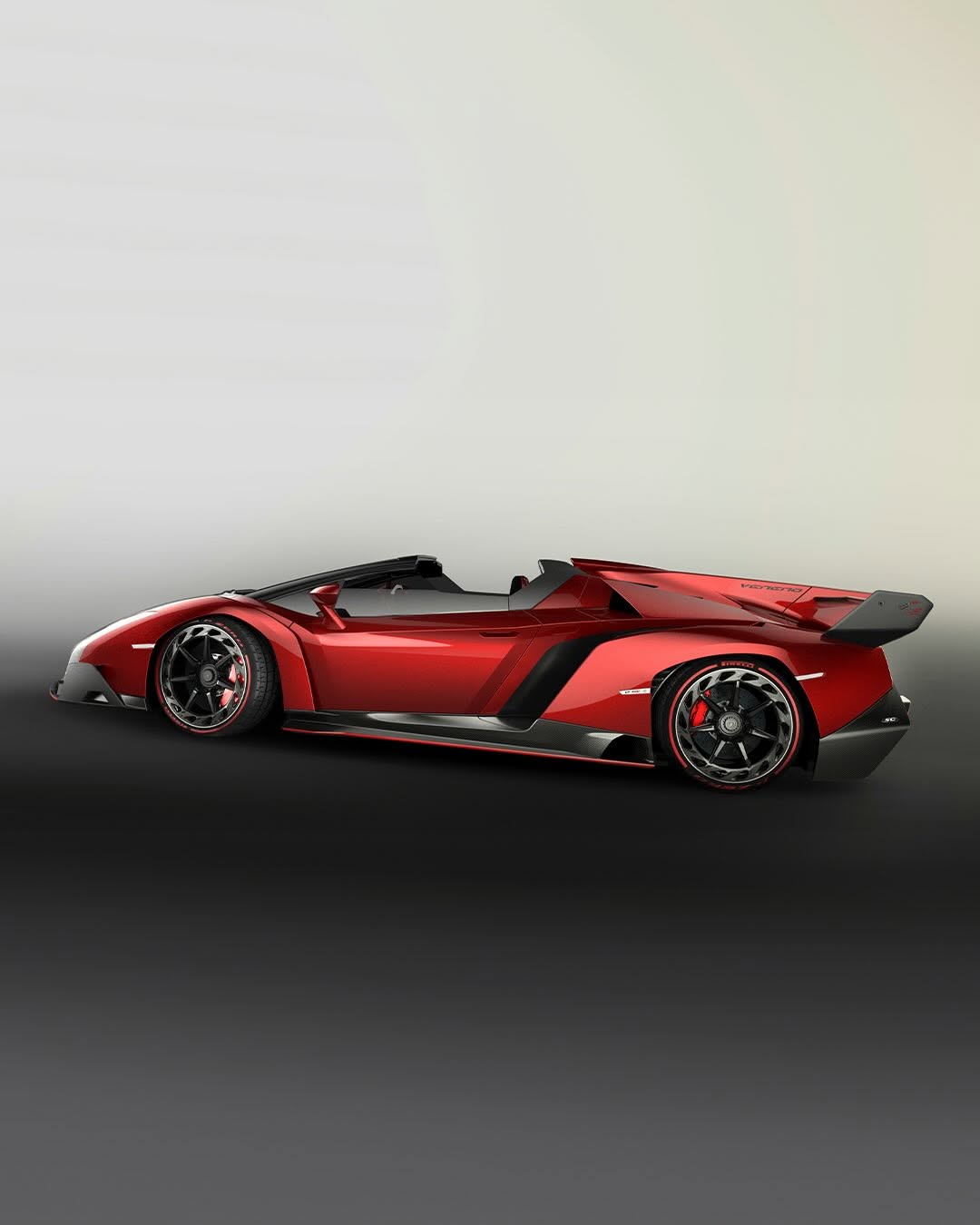
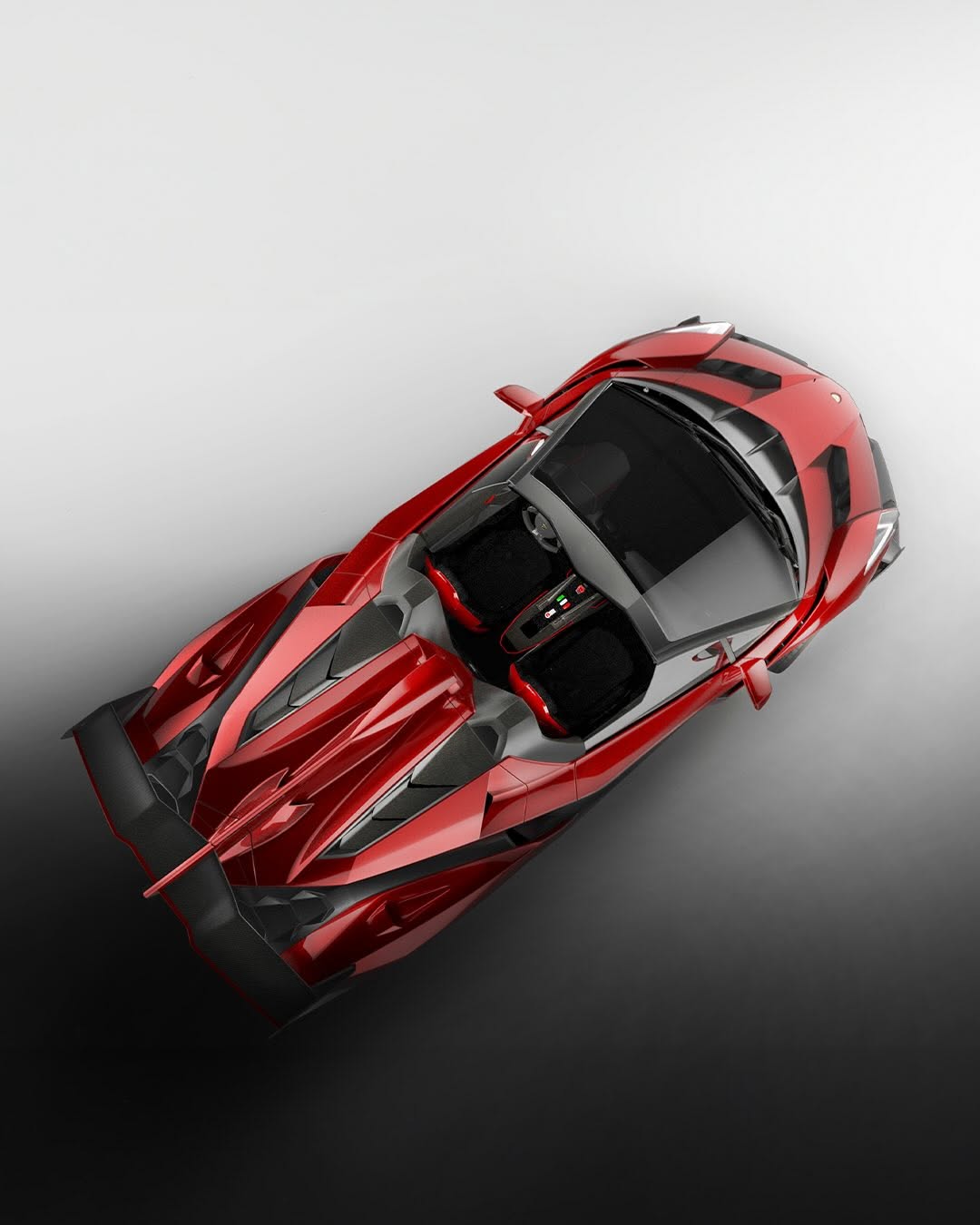
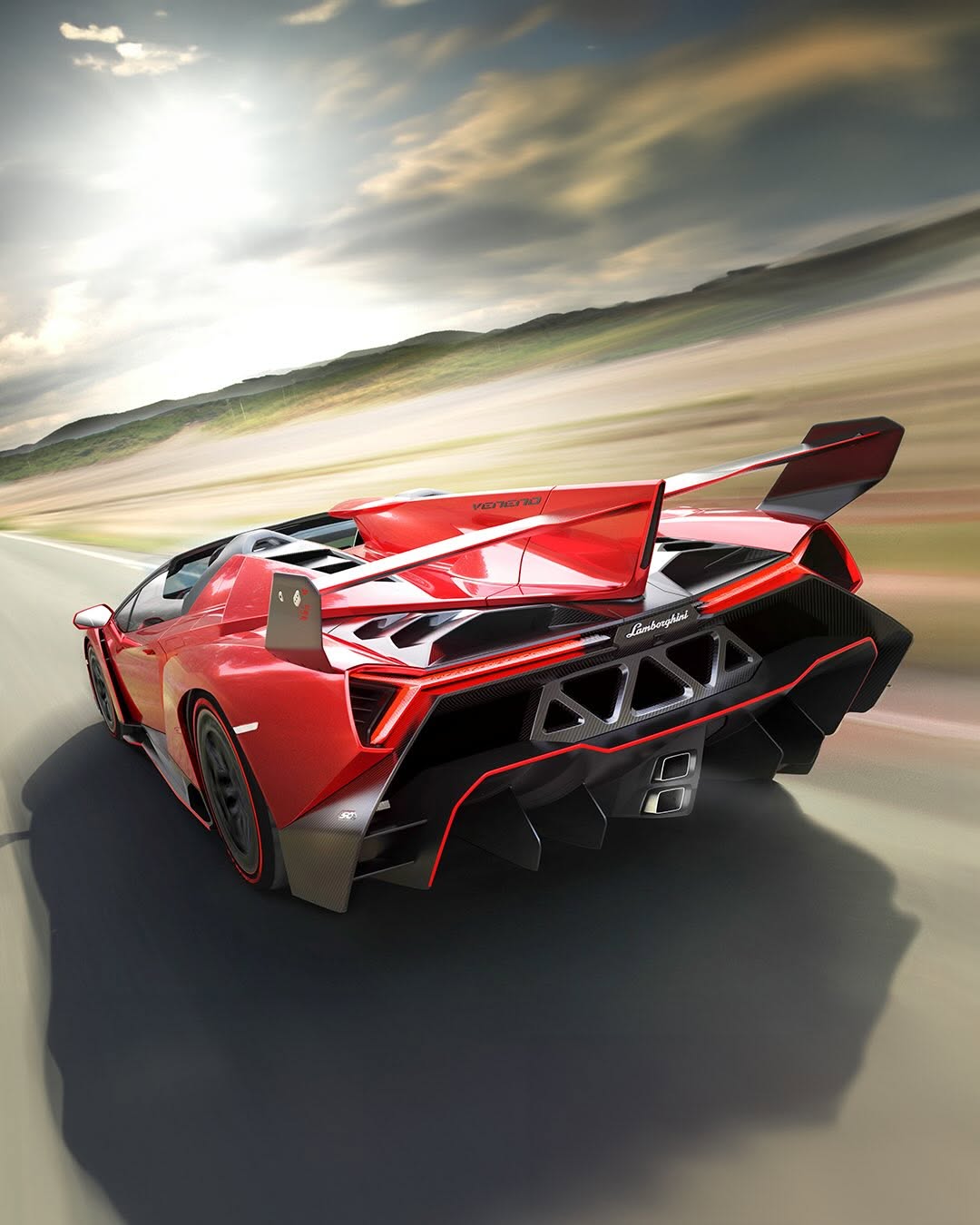
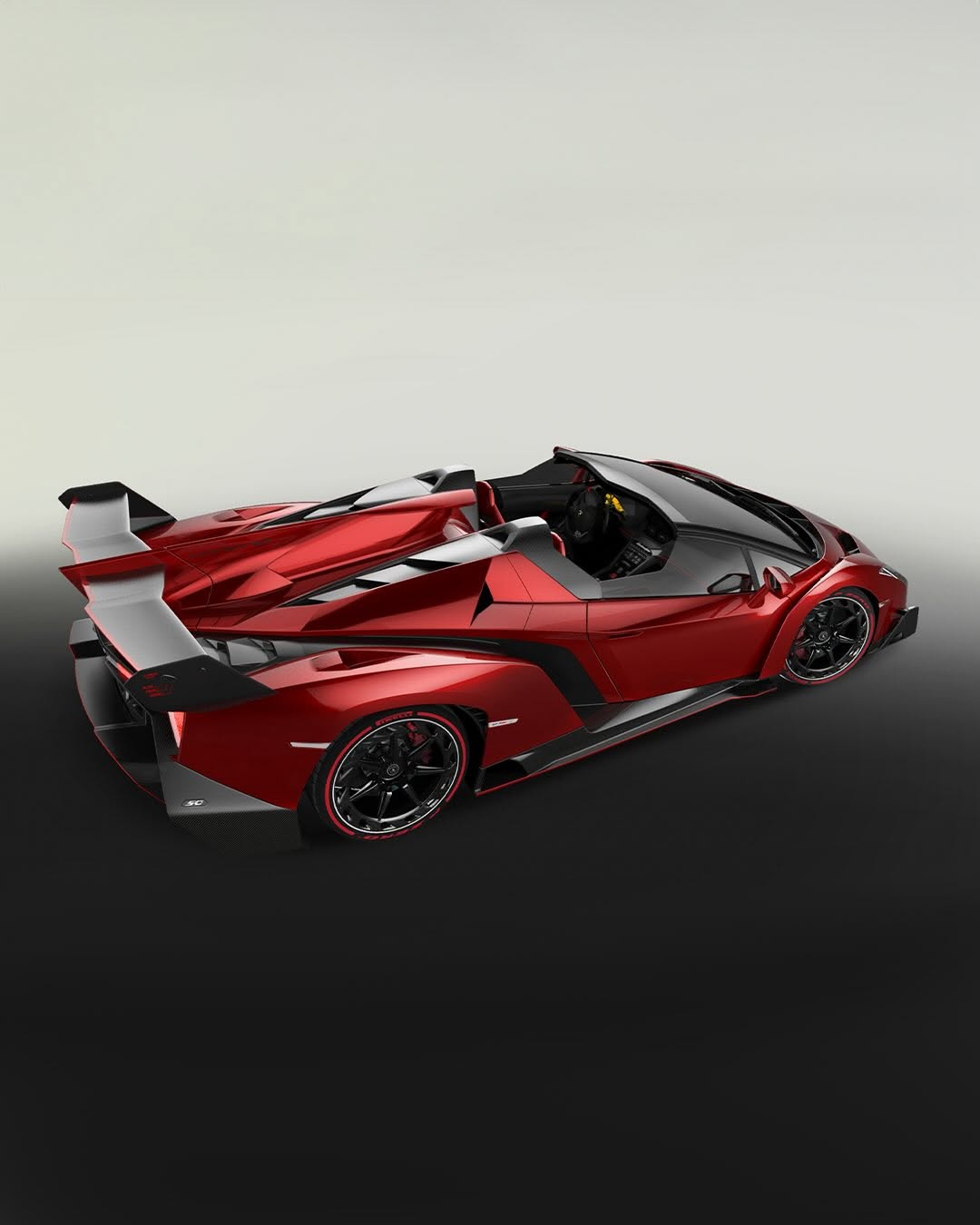
The carbon-fiber reinforced polymer monocoque body was designed as a direct translation of Lamborghini's racing prototype aesthetic. Every surface serves the aerodynamic load. There is no decorative bodywork. The Y-shaped LED headlights, the six-element rear diffuser, the fixed rear wing, these are not styling exercises. They are the car's actual performance systems expressed as geometry.
From Ramp to Record
One Veneno Roadster sold at auction in 2022 for $8.3 million, 2.5 times its original purchase price in nine years. A second unit changed hands privately in 2024 for what sources close to the transaction described as "above $10 million." The collectible car market has been volatile since 2020; the Veneno Roadster has been immune to that volatility, moving consistently upward even in quarters where the broader hypercar market softened.
The comparison is worth making: a 2013 Ferrari LaFerrari, which Lamborghini was directly competing with for collector attention, sold for $7.5 million in 2023. The Veneno Roadster is outperforming it on secondary market trajectory despite having been launched on an aircraft carrier with less press fanfare and no celebrity endorsement.
What Lamborghini Was Actually Proving in 2013
Audi acquired Lamborghini in 1998. The purchase was controversial inside both companies. Lamborghini's DNA was unhinged excess; Audi's DNA was German engineering rigor. The fear from purists was that Lamborghini under Audi would become expensive Audis with angular bodywork.
The Veneno Roadster, thirteen years later, is the clearest rebuttal to that concern that exists. Audi gave Lamborghini the engineering infrastructure to build a 750-horsepower carbon-fiber monocoque with a seven-speed automated manual and permanent all-wheel drive. Lamborghini used that infrastructure to build something that looks like it was designed by someone who had never been asked to compromise.
The street fashion parallel is direct. When Raf Simons joined Dior in 2012, he used the house's couture infrastructure to build collections that were unmistakably his own, not diluted Dior. The question at every heritage brand is whether new ownership produces better resources or just different constraints. The Veneno Roadster, nine units deep, answers that question with a 355 km/h top speed and an aircraft carrier for an unveiling venue.
Nine Units, 13 Years, Still No Compromise
Lamborghini has built many cars since the Veneno Roadster. The Urus, the Huracan Sterrato, the Revuelto. The brand's annual revenue has tripled since 2013 under the broader Porsche Automobil Holding and Audi umbrella. The Veneno Roadster is the artifact that sits outside all of that commercial logic.
Nine units, each wearing a different color, each documented down to its aerodynamic load data, each currently owned by someone who was invited into the transaction before the car existed as a physical object. The secondary market says those nine owners are sitting on assets that will not depreciate in the next decade. Lamborghini's anniversary bet is paying compound interest.
Related Reading
- FERRARI IS BRINGING THE GTO, F40, AND F50 ON THE SAME ROAD FOR THE LEGACY TOUR
- LAMBORGHINI REVIVES the MIURA LEGEND
- FERRARI 849 TESTAROSSA DELIVERS 1036 HORSEPOWER WITH ASSETTO FIORANO PACKAGE
Frequently Asked Questions
How many Lamborghini Veneno Roadsters were made?
Only 9 Lamborghini Veneno Roadsters were produced, each sold before public unveiling for €3.3 million. The coupe version had 3 units plus 1 for the Lamborghini museum.
What engine does the Lamborghini Veneno Roadster have?
The Veneno Roadster uses a 6.5-liter naturally aspirated V12 engine producing 750 horsepower at 8,400 rpm and 690 Nm of torque. It reaches 100 km/h in 2.9 seconds with a top speed of 355 km/h.
How much is a Lamborghini Veneno Roadster worth now?
Veneno Roadsters have sold at auction and private sale for $8-10 million, roughly 2.5x their original €3.3 million purchase price from 2013.
Topics: hypercar, culture, dior, carbon-fiber, supercar, veneno-roadster, v12, collector-cars, automotive, luxury-cars, porsche, ferrari, lamborghini