TESLA'S CYBERTRUCK CUTS WIRING 70 PERCENT WITH ETHERLOOP
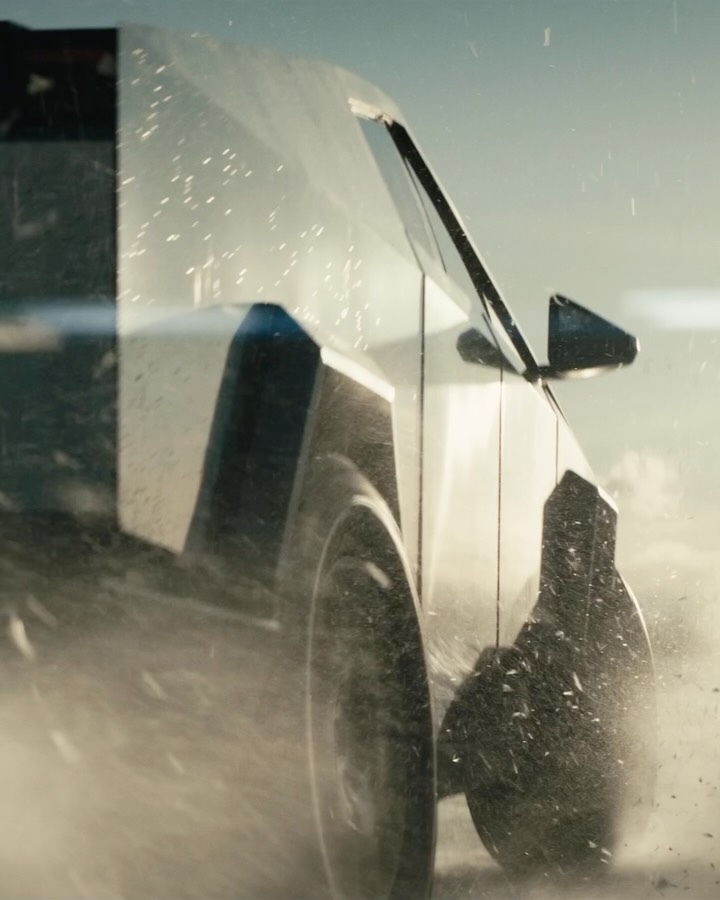
Tesla listed seven engineering firsts on the Cybertruck on September 16, 2026, including a 48 volt electrical architecture, true steer by wire, coordinated four wheel steering, a load bearing stainless steel exoskeleton, air bent panels, a locking power retractable tonneau cover and Etherloop, a single gigabit network cutting roughly 70 percent of cross vehicle wiring. Tesla has said its cheaper Model 2 will launch on the same 48 volt system.
Key Points
- Etherloop, a single gigabit Ethernet loop, cuts about 70 percent of the Cybertruck's cross vehicle wiring.
- Steer by wire removes the mechanical steering column; total wheel rotation is under one full turn.
- Tesla says its cheaper Model 2 will launch running the Cybertruck's 48 volt electrical architecture.
Seventy percent. That is how much cross vehicle wiring Tesla says it eliminated from the Cybertruck by replacing a tangle of point to point cables with a single gigabit Ethernet loop it calls Etherloop. Tesla published its full list of what it calls the truck's engineering firsts on September 16, and none of the seven items is a feature you can see from the sidewalk. They live in the wiring, the steering column and the skin itself.
The truck's real engineering story sits under the panels, not on top of them, and Tesla is already pushing pieces of that architecture into vehicles beyond the Cybertruck.
70 Percent Less Wiring Runs Through One Loop
Etherloop replaces the usual mess of point to point copper runs with a single gigabit Ethernet ring that every module on the truck taps into, which Tesla credits for cutting roughly 70 percent of the cross vehicle wiring a comparable truck would carry. That loop runs on a 48 volt electrical backbone instead of the 12 volt standard the auto industry has used for decades, and the higher voltage lets Tesla run four times less current through thinner, lighter cable for the same power draw.
Tesla did not keep the 48 volt system to itself. The company has released its Low Voltage Connector Standard for other automakers to adopt, and it has said its unreleased, cheaper Model 2 will launch running the Cybertruck's same 48 volt architecture rather than a scaled down version of it. A single loop also means fewer physical connectors and splice points for something to fail at, which is the unglamorous payoff of a wiring diagram nobody puts in a keynote. The proprietary bet that anchored Tesla's trillion dollar valuation case this year was never just autonomy software. Some of it is sitting in the wiring harness.
The Steering Wheel Turns Less Than One Full Rotation
Cybertruck's steer by wire system removes the mechanical link between the steering wheel and the front axle entirely, using electronic actuators instead of a steering column. That lets Tesla vary the steering ratio by speed, and the total wheel rotation lock to lock comes in under one full turn, compared with three to four turns on a car with a conventional steering rack.
Paired with rear wheel steering, the front and rear axles turn in coordination rather than the rear wheels simply following the front. At low speed the rear wheels turn opposite the front for a tighter turning circle in a parking lot built for a much smaller vehicle. At highway speed they turn the same direction as the front for added stability during a lane change. Removing the mechanical column is what makes both modes possible on the same axle set.
The Skin Carries the Load, Not Just the Frame
Most trucks bolt sheet metal panels onto a frame that does all the structural work. Cybertruck's cold rolled stainless steel exoskeleton flips that, letting the exterior panels themselves carry structural load, which is what gives the body its unusually high torsional stiffness. The panels are not decoration sitting on top of the skeleton. They are the skeleton.
Building that skin requires a process Tesla calls full hard stainless air bending, which forms the ultra hard exterior panels without any tooling touching the visible surface during the bend. Standard stamping presses a die directly against the metal; Tesla's process shapes the panel without marking the finish, which is part of why Cybertruck ships in raw, unpainted stainless rather than a color coat.
It is the same instinct Porsche's Sonderwunsch division applied when it stripped 31.6 kilograms from the Flachbau RS for downforce rather than styling. Different industries, same engineering argument: the material itself does the work the paint and trim used to fake.
A Truck Bed That Locks Like a Vault, Not a Tonneau
The bed cover is power retractable rather than a manual roll or folding panel, and it is built to physically secure whatever is loaded underneath it. Tesla's own framing in the release caption draws a direct line against a fabric tonneau cover, the kind a box cutter opens in seconds, positioning the retractable cover as a security feature rather than a weather feature.
Tesla Gave the 48V System Away for Free
None of these seven items depends on the Cybertruck's shape or its stainless finish. The 48 volt backbone, the steer by wire column and the Etherloop network are electrical architecture that Tesla can move into any future vehicle, and the company has already said it will. Cybertruck arrived as the loudest Tesla news of the past year for its shape. The wiring underneath it is the part likely to outlast the shape, showing up in a cheaper Tesla long after the exoskeleton stops being the headline.
Frequently Asked Questions
What is Etherloop on the Tesla Cybertruck?
Etherloop is a single gigabit Ethernet network arranged in a loop that Tesla says replaces about 70 percent of the cross vehicle wiring a comparable truck would carry.
What is the Cybertruck's 48 volt architecture?
Cybertruck runs its electrical system on a 48 volt backbone instead of the industry standard 12 volts, letting Tesla use four times less current through thinner, lighter wiring.
Does the Cybertruck have a mechanical steering column?
No. Cybertruck uses true steer by wire with no mechanical link between the wheel and the front axle, and the total wheel rotation lock to lock is under one full turn.
How does Cybertruck's rear wheel steering work?
Rear wheel steering is coordinated with the front wheels, turning opposite the front at low speed for tighter turns and the same direction at high speed for added stability.
What is the Cybertruck's exoskeleton made of?
Cybertruck uses a structural, cold rolled stainless steel exoskeleton where the exterior panels themselves carry structural load rather than sitting on a separate frame.
Will other Tesla vehicles use the Cybertruck's 48 volt system?
Tesla has said its unreleased, cheaper Model 2 will launch running the same 48 volt electrical architecture as the Cybertruck.
What does the Cybertruck's power retractable tonneau cover do?
It is a power retractable bed cover Tesla describes as built to secure cargo, positioned against fabric tonneau covers that can be cut open.
Topics: cybertruck, steer-by-wire, etherloop, tesla, automotive-engineering, electric-vehicles, 48v-architecture, porsche