JOBY'S CESSNA CARAVAN FLEW 3,199 MILES WITH NO PILOT INPUT
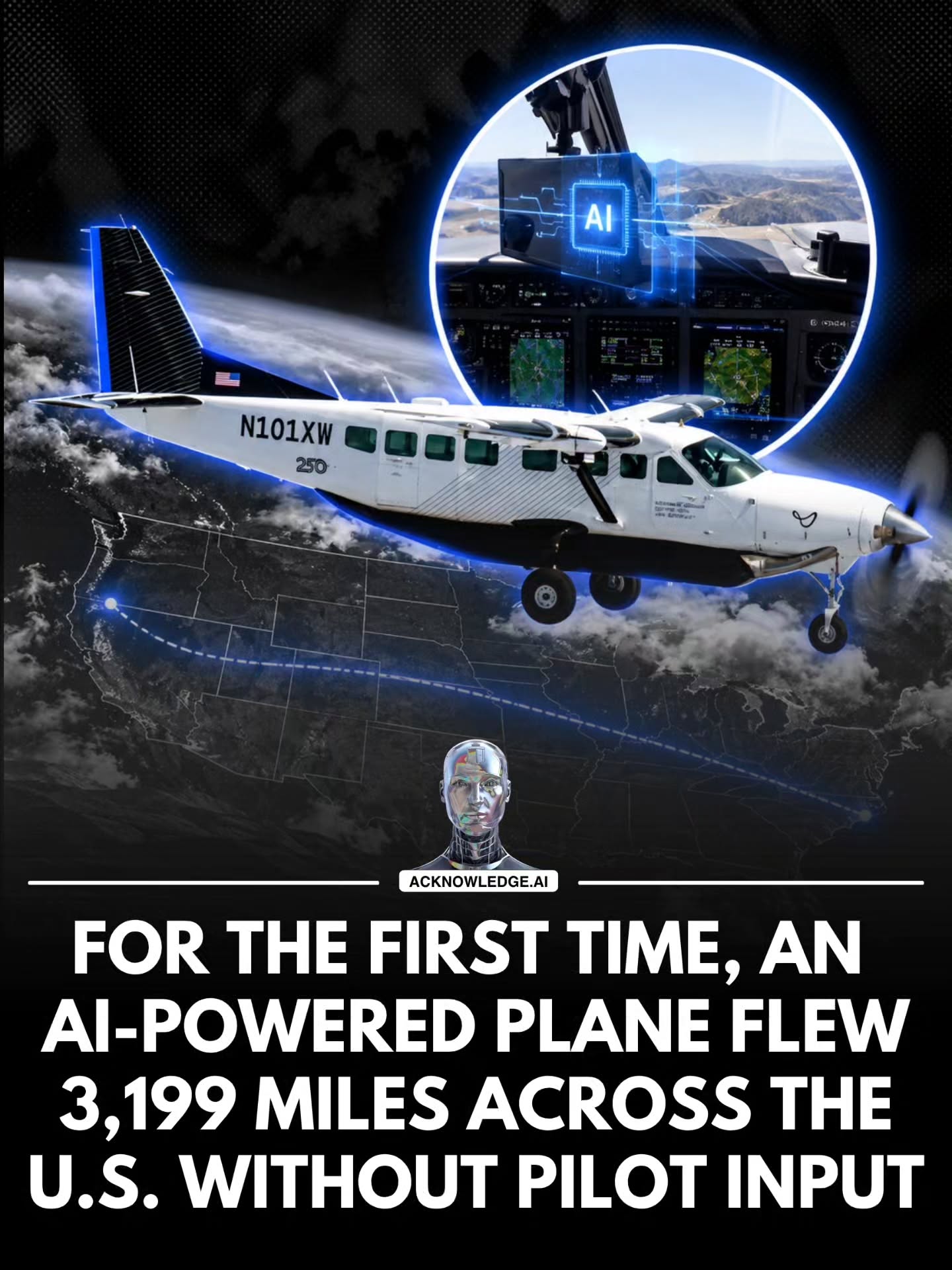
Joby Aviation completed a 3,199 mile autonomous flight of a converted Cessna Caravan from Concord, California to the Outer Banks of North Carolina, with the onboard safety pilot never touching the controls. Remote teams in California and at Shaw Air Force Base monitored the aircraft from as far as 2,323 miles away as it handled taxiing, takeoff, navigation and landing on its own.
Key Points
- Joby's converted Cessna Caravan flew 3,199 miles with the safety pilot never touching the controls.
- Remote engineers supervised from California and Shaw Air Force Base, up to 2,323 miles away.
- The autonomy system rerouted around thunderstorms and landed at airports it had never used before.
JOBY'S CESSNA CARAVAN FLEW 3,199 MILES WITH NO PILOT INPUT
A Waymo needs painted lane lines and a mapped intersection to drive itself four miles across a city grid. Joby Aviation just flew a plane 3,199 miles across the country with nobody touching the controls at all, through storms the aircraft had never flown around and over airports it had never landed at before.
The company converted a Cessna Caravan, the same turboprop workhorse that already hauls cargo and short regional hops, into a fully autonomous testbed. It took off from Buchanan Field Airport in Concord, California, and landed at Dare County Regional Airport in the Outer Banks of North Carolina, with a safety pilot sitting in the cockpit the entire way and never once at the yoke.
The Safety Pilot Never Touched the Yoke
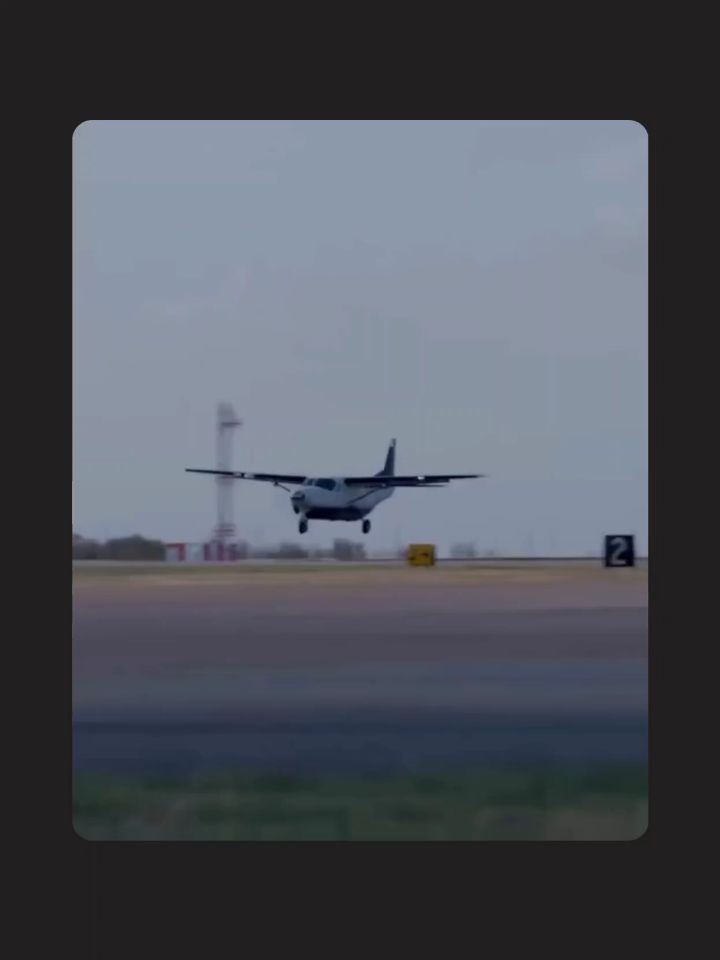
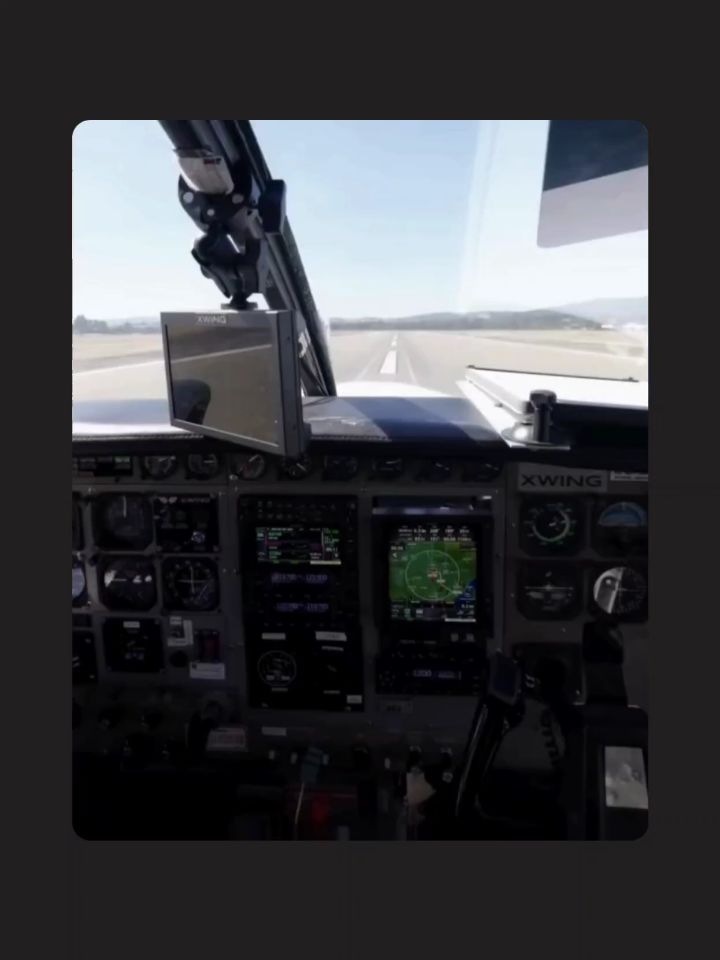
Joby's autonomy system flew every phase of the trip by itself: taxiing out of the ramp, takeoff, en route navigation between airports, and landing, all without a control input from the human onboard. That pilot stayed in the seat as a legal backstop, required by current rules, but the caption Joby used to describe the flight was blunt about the point of the exercise, that the controls went untouched for 3,199 miles.
A second layer watched from the ground. Engineers monitored the aircraft's systems remotely for the duration of the flight, a live check on top of the onboard safety pilot rather than a replacement for one.
Self Driving Solved Streets. Autonomy Now Wants Airspace.
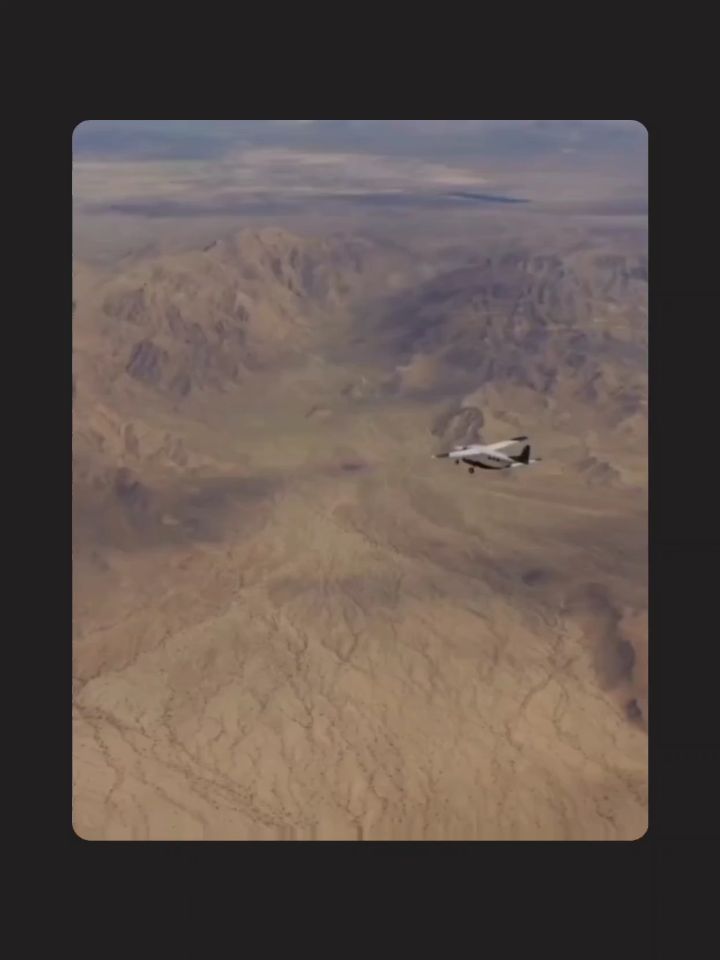
Ground based autonomy has spent a decade winning a much smaller fight. Tesla's Cybercabs are still running with a human driver on standby through Manhattan and Brooklyn, on mapped city streets with a person ready to grab the wheel. Joby's Caravan crossed open, largely uncontrolled airspace, landed at airports it had never touched down at, and rerouted around live weather, with the safety pilot present but hands off the entire time.
That gap is the actual story. A car that misjudges a lane change stops at a curb. A plane that misjudges a landing does not get a shoulder to pull over on. Joby cleared the harder version of the same problem first.
Five Airports, One Storm, Zero Manual Landings
The route was not a straight shot. The Caravan worked its way east through stops at Phoenix Deer Valley Airport in Arizona and Fort Worth Alliance Airport in Texas before reaching Shaw Air Force Base in South Carolina, then closing the trip at the Outer Banks. Every landing along that chain, at fields the aircraft had no prior operating history with, was flown by the autonomy stack.
Weather did not get a pass either. Joby says the system rerouted the aircraft around severe thunderstorms mid route, without advance familiarity with the airports that detour touched, and still closed the loop back onto the planned path.
Shaw Air Force Base Watched From 2,323 Miles Away
Remote supervision ran from two places at once: Joby's Autonomy Headquarters in California and a station inside Shaw Air Force Base in South Carolina, an active installation built around fighter wings rather than test flights. At the furthest point in the route, that remote link was holding a plane 2,323 miles from the humans watching it.
An Air Force base is not a neutral place to put a monitoring seat. Joby's own founder names military operations as one of the reasons this autonomy exists at all, a use case that reads differently when the flight's own ground control ran out of an active fighter wing installation instead of a civilian test range.
"Keep Pilots Out of Harm's Way"
JoeBen Bevirt, Joby's founder and chief executive, framed the flight as a preview rather than a finish line. "This journey across America offers a glimpse into a new era of aviation," he said, adding that "autonomy has an important role to play in the future of flight, allowing us to connect remote communities, deliver critical supplies, respond faster to disasters, support military operations, and keep pilots out of harm's way."
Every use case in that sentence except one, connecting remote communities, describes work built for the specific fact that a Cessna Caravan can now fly itself somewhere a company would rather not send a crew.
Passenger certification for autonomy this complete is still years out, and Joby knows it, which is why the flight leaned into cargo runs, disaster response and a military audience instead of a boarding gate. The same month Meta strapped its Muse AI agent to a keychain so a person never has to pull out a phone, Joby put the equivalent trust into a cockpit for 3,199 miles and did not need a human hand once. One of those bets ships by the holidays. The other one just proved it could clear an entire continent without a correction.
Frequently Asked Questions
What is Joby Aviation's autonomous flight record?
Joby Aviation flew a converted Cessna Caravan 3,199 miles from California to North Carolina without the onboard safety pilot touching the controls.
How far did Joby's autonomous plane fly?
The flight covered 3,199 miles, from Buchanan Field Airport in Concord, California to Dare County Regional Airport in the Outer Banks of North Carolina.
Is the Joby Aviation autonomous flight real?
Yes. Joby Aviation and multiple aviation outlets confirmed the flight, which carried a safety pilot onboard as a backup who never took manual control.
What aircraft did Joby Aviation use for the autonomous flight?
Joby used a converted Cessna Caravan, a turboprop already flown commercially for cargo and short regional routes.
Who supervised Joby's autonomous flight remotely?
Engineers monitored the flight from Joby's Autonomy Headquarters in California and from a station inside Shaw Air Force Base in South Carolina, up to 2,323 miles from the aircraft.
Where did Joby's autonomous Cessna Caravan stop along its route?
The aircraft stopped at Phoenix Deer Valley Airport in Arizona, Fort Worth Alliance Airport in Texas, and Shaw Air Force Base in South Carolina before reaching the Outer Banks.
Why does Joby Aviation want autonomous flight?
Founder JoeBen Bevirt said autonomy can connect remote communities, deliver supplies, respond to disasters, support military operations, and keep pilots out of harm's way.
Does Joby's autonomous flight mean passenger flights are next?
Not yet. Passenger certification for this level of autonomy is still years away, and the flight's stated use cases point toward cargo, disaster response and military applications first.
Topics: aerospace, autonomous-vehicles, meta, cessna-caravan, aviation-technology, autonomous-flight, tesla, shaw-air-force-base, evtol, joby-aviation