Ship 42 Came Back From Orbit and Landed in the Tower
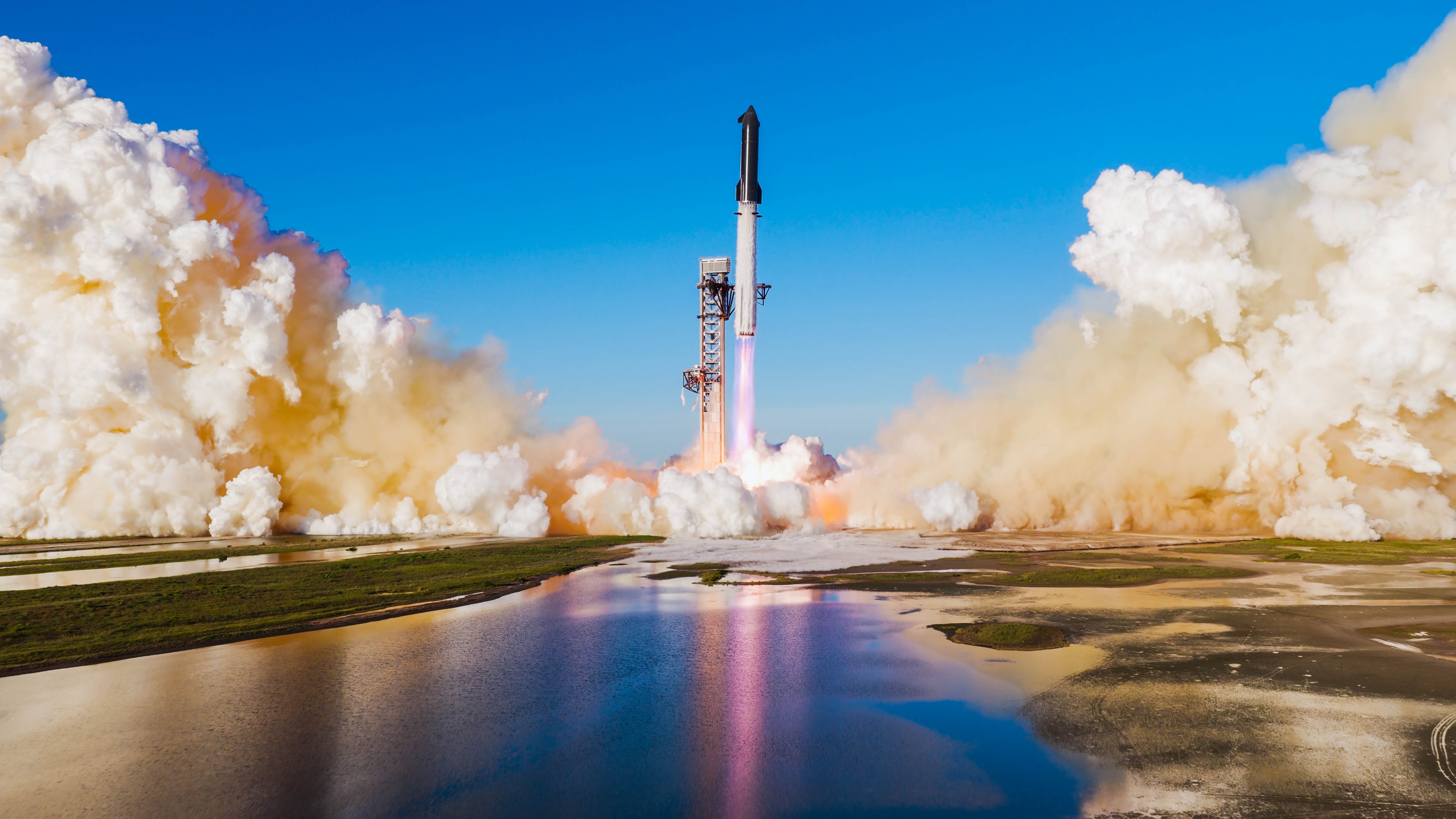
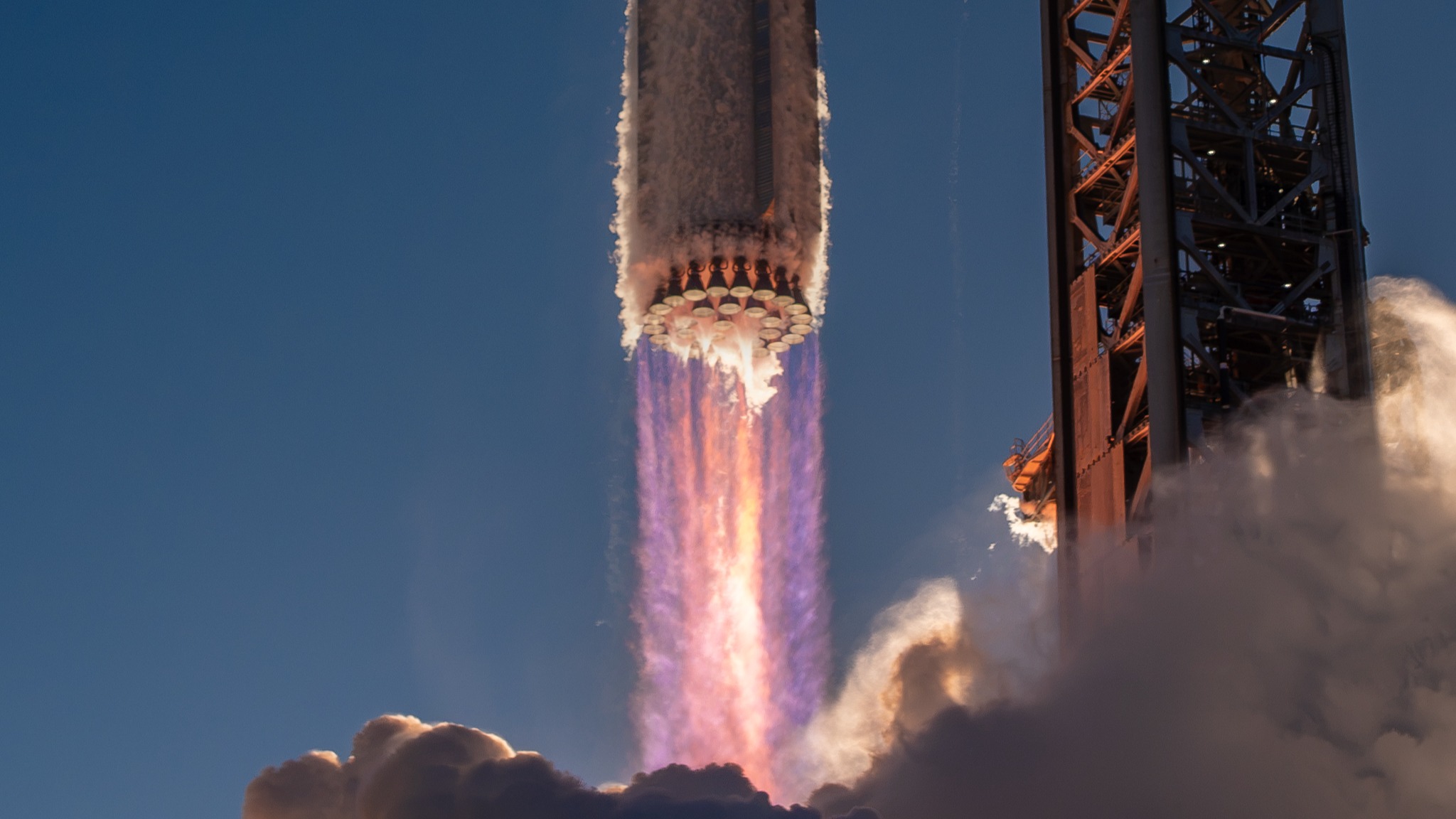
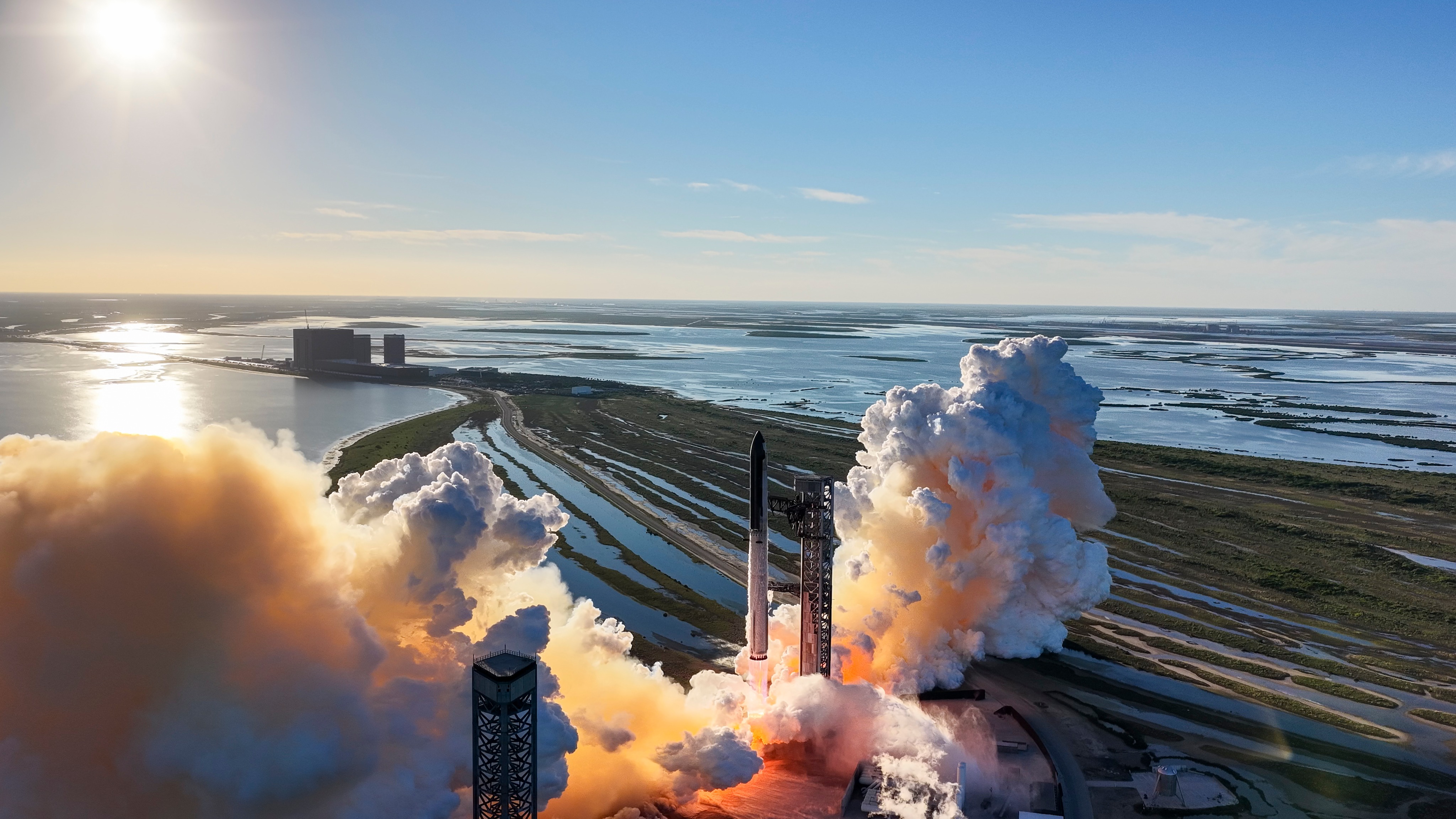
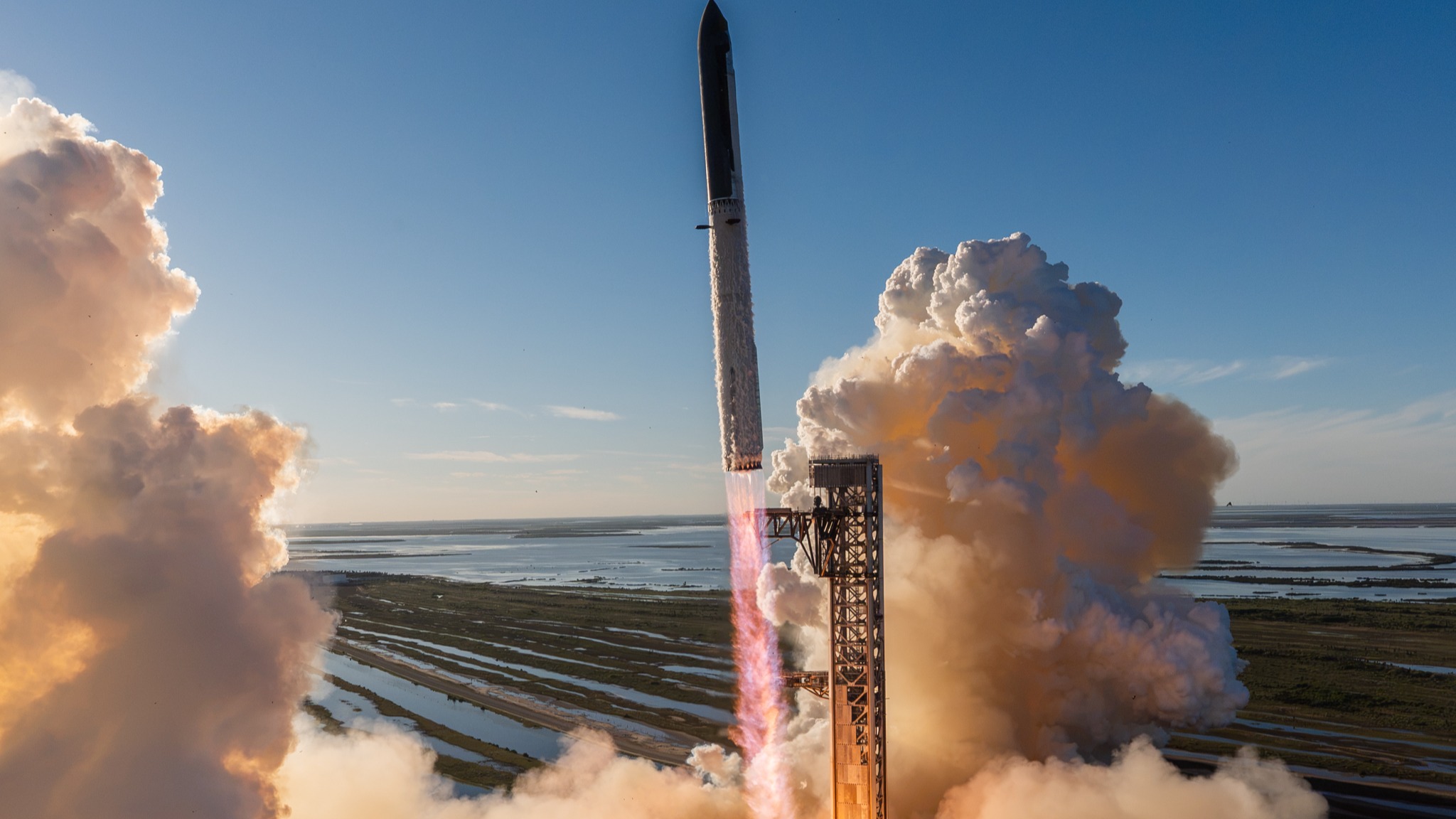
Starship Flight 15 lifted off from Starbase, Texas, on November 13, 2026, and released 26 Starlink V3 satellites about 40 minutes in. Ship 42 was caught by the launch tower arms on November 14 after more than 22 hours in orbit, the first time a Starship upper stage has been caught. Booster 22, the first V3 Super Heavy to attempt a catch, called off its return and went into the Gulf of Mexico.
Key Points
- Ship 42 was caught by the Starbase tower on November 14 after more than 22 hours in orbit
- Flight 15 released 26 Starlink V3 satellites about 40 minutes after its November 13 liftoff
- Booster 22, the first V3 Super Heavy to try a catch, called it off and went into the Gulf of Mexico
Ship 42 spent more than 22 hours in orbit and then flew itself back into the arms of the tower it launched from. That's Starship Flight 15 in one sentence, and it's the half of the rocket SpaceX had never brought home before.
It lifted off from Starbase, Texas, on November 13. About 40 minutes in, it released 26 Starlink V3 satellites. Booster 22, the first V3 Super Heavy built to come back for a catch, didn't make it home. It called off its own return and went into the Gulf of Mexico.
One stage caught, one stage lost. For a rocket that only pays off if both halves fly again, the stage that came back is the one that mattered more.
Ship 42 Stayed Up for a Day Before the Catch
Ship 42 was caught by the tower's arms at Starbase on the afternoon of November 14, more than 22 hours after liftoff. No Starship upper stage had ever been caught by the tower before, on any flight.
The flight before it shows how far that is. Flight 14 also reached orbit with 26 Starlink V3 satellites, but one of the ship's six engines cut off early. SpaceX had planned almost 10 hours and six orbits, ending in the south Pacific west of Chile. It brought the ship down in the north Pacific after 3 hours, 8 minutes and 27 seconds instead.
Flight 15 more than doubled that planned 10 hours. Then the tower caught it.
That's the number I keep coming back to. A ship that can sit in orbit for a day and still find its pad is a ship that can do real work up there, then come back and do it again.
Booster 22 Was the First V3 Super Heavy to Try
Booster 22 was the first V3 Super Heavy SpaceX planned to return to the launch site for a catch. When it rolled to the pad on November 10, SpaceX said it had already been used for final catch testing, including a suspended squeeze test at catch height.
SpaceX had caught a Super Heavy before. The first catch came in October 2024, and TechCrunch reported a second in January 2025. None of those were the bigger V3.
This one never got close. SpaceX commentator Dan Huot said on the company's webcast that the booster cancelled the catch on its own after detecting a guidance and navigation problem, according to The Next Web. It went for the water instead, and it didn't survive.
That's a loss, but it's the safer kind. The booster made its own call to stay away from the tower, and the tower was still standing the next afternoon to catch the ship.
Starlink V3 Satellites Rode Up in the Ship
Each Starlink V3 is designed for up to 1 Tbps of downlink and 160 Gbps of uplink, according to SpaceX's own figures as reported by Converge Digest. Twenty six of them is, on paper, up to 26 Tbps of new downlink capacity from one launch.
SpaceX has said Starship will eventually target about 60 V3 satellites a flight. Flight 15 carried less than half of that.
The V3s can't ride a Falcon 9 at all. That rocket still flies the smaller V2 Minis and rideshares like Besxar's semiconductor test pods. The V3s exist because Starship does.
"Then on Flight 15 We Will Try to Catch the Ship"
Elon Musk laid out this flight in September. At the All In Summit he said Flight 14 would be "the last flight before we attempt to catch the ship. So if this flight goes well, then on Flight 15 we will try to catch the ship."
On SpaceX's October 20 earnings call, as quoted by Tech Insider, he went further and said Flight 15 would try to catch both the booster and the ship.
Half of that happened. The half that's never been done before.
It also lands differently now that SpaceX trades in public. The company's first day on Nasdaq closed at $161 a share in June. A promise made on an earnings call is now one shareholders hold the company to.
Forget the Booster. Watch the Ship.
Falcon 9 lands its first stage and throws its second stage away, every single flight. That's how SpaceX got its costs down, and it's also the ceiling. You can't get to cheap enough for 60 satellites at a time if half the rocket is new each launch.
Ship 42 is the first sign that ceiling can move. A ship that deploys a full Starlink load, waits out a day in orbit and comes back to the tower is the piece that makes Starlink V3 a habit instead of a stunt.
The booster problem is a known kind of problem. SpaceX has caught boosters before, and it'll catch a V3 eventually.
The ship had never come back. Now it has, to the pad it left the afternoon before.
Frequently Asked Questions
Did SpaceX catch Starship on Flight 15?
Yes. Ship 42 was caught by the tower arms at Starbase on November 14, 2026, after more than 22 hours in orbit. Booster 22 did not make its catch and went into the Gulf of Mexico.
How many Starlink satellites did Starship Flight 15 carry?
Starship Flight 15 released 26 Starlink V3 satellites about 40 minutes after liftoff.
Why did the Booster 22 catch get called off?
SpaceX commentator Dan Huot said on the webcast that the booster cancelled the catch itself after detecting a guidance and navigation problem, according to The Next Web.
Topics: starship-flight-15, super-heavy, space, elon-musk, starship, spacex, starlink-v3, starbase, techcrunch