Why Saucony Shadow 6000 Actually Matters Right Now
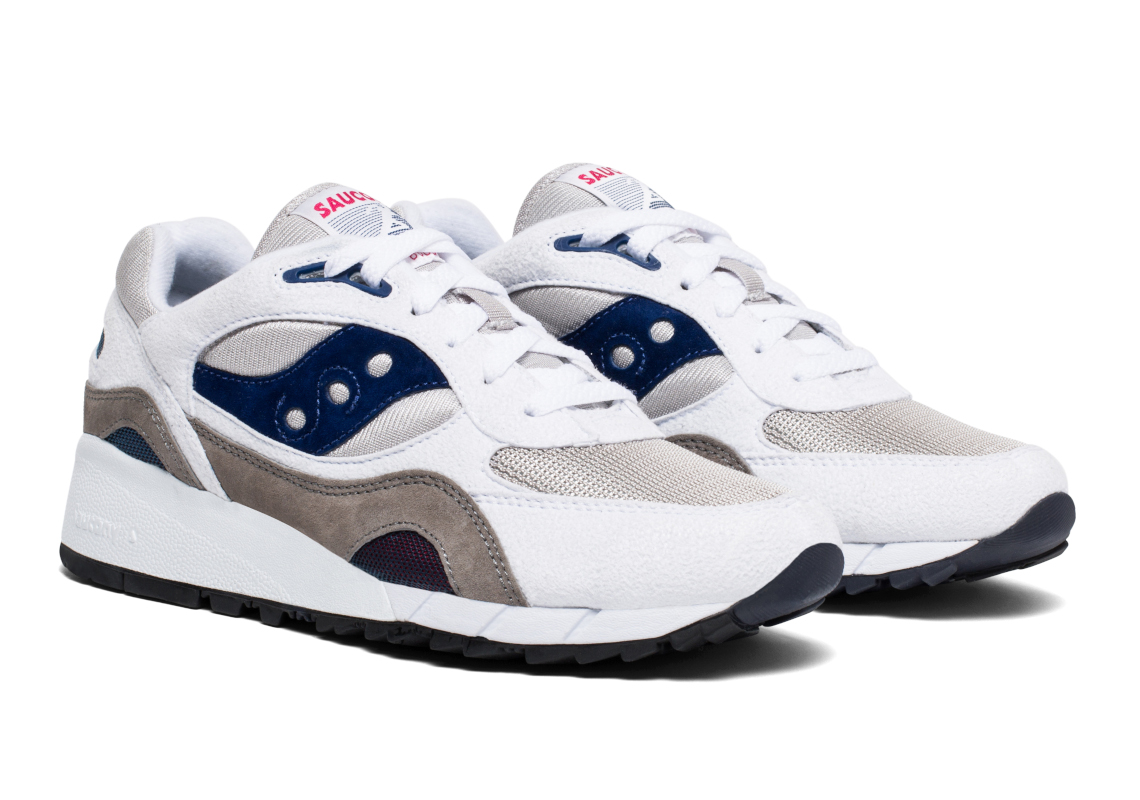
The Saucony Shadow 6000 is a 1991 heritage running shoe retailing at $130 with tri-density EVA cushioning. Owned by Wolverine World Wide, Saucony generates $800M-$1B annually. The Shadow 6000 is favored by boutiques for collaborations with accessible resale premiums.
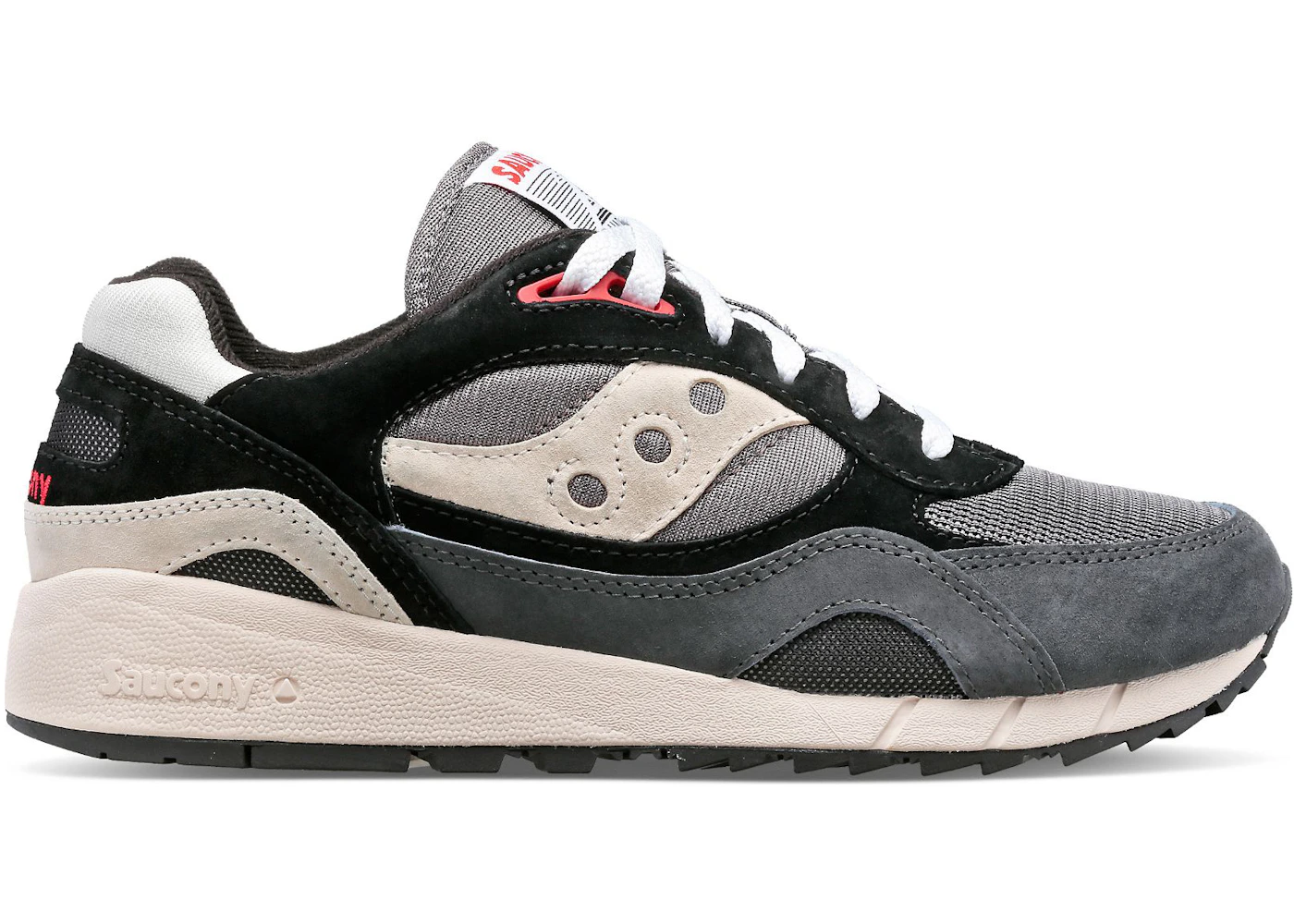
Key Points
- Shadow 6000 weighs 10.8 oz with tri-density EVA midsole at $130 retail
- Saucony brand revenue estimated at $800M to $1B under Wolverine World Wide
- Collaboration resale premiums typically 1.3x to 2x, keeping shoes on feet versus shelves
The Shoe
Saucony introduced the Shadow 6000 in 1991 as a premium running shoe in the Shadow cushioning lineage. The shoe uses a tri density EVA midsole, mesh and suede paneling, and a triangle lug outsole pattern that provides traction without excessive weight. At 10.8 ounces in a men size 9, it ran lighter than comparable Nike and ASICS models of the same era. The original retail was approximately $90. The current general release retails at $130. In a market where Nike Dunk restocks command $120 for a shoe with less cushioning technology, the Shadow 6000 is objectively better footwear at a lower price point.The Collab History
Saucony collaboration strategy mirrors ASICS rather than Nike: boutique partnerships with shops that care about the shoe rather than the hype. Bodega, the Boston streetwear retailer, produced multiple Shadow 6000 collaborations that sold out through store credit and raffle rather than bot driven online drops. Feature, BAIT, Up There, and END all produced limited editions. The resale premiums are modest, typically 1.3x to 2x retail, which keeps the model accessible to people who actually wear their shoes rather than display them.The Brand Position
Saucony is owned by Wolverine World Wide, the conglomerate that also owns Merrell, Hush Puppies, and Sweaty Betty. Annual revenue for the Saucony brand is estimated at $800 million to $1 billion, driven primarily by performance running (Kinvara, Endorphin Speed, Peregrine) rather than lifestyle retro. The Shadow 6000 occupies the same cultural lane as the ASICS Gel Lyte III and New Balance 990: a running heritage shoe adopted by people who consider brand visibility a negative attribute.The Fit
The Shadow 6000 fits true to size with a medium width that accommodates most feet without the narrow pinch of Adidas or the wide spread of New Balance. The suede panels age gracefully, developing a patina rather than showing dirt. The midsole cushioning provides enough return for all day wear without the marshmallow instability of maximum cushion shoes. The silhouette works with slim jeans, wide trousers, and shorts equally. No other shoe in the $130 range offers this combination of heritage, comfort, and visual restraint.The Shadow 6000 is the sneaker recommendation for people who are tired of being told to buy Dunks. The construction is better. The fit is better. The price is comparable. The only thing missing is the cultural cachet of a Nike Swoosh, and for the person this shoe is designed for, the absence of cachet IS the cachet.
The $120 Shoe That Outlasts $250 Hype Releases
The Saucony Shadow 6000 is the best sneaker nobody talks about because it does not need a collaboration, a celebrity endorsement, or a lifestyle campaign to move product. The shoe sells on engineering: the ISOFIT upper adapts to the foot, the EVERUN midsole cushioning provides genuine running performance, and the silhouette has enough visual complexity to function as a lifestyle shoe without pretending to be one.
Saucony's collaboration roster, Feature, Extra Butter, and Bodega among others, generates secondary market demand that rivals Nike SB releases, but the Shadow 6000 does not need collaborations to justify its $150 retail price. The shoe simply performs.
The Shadow 6000 is the sneaker purist's secret weapon: a shoe that runs well, looks distinctive, and costs $150 in a market where mediocre New Balance collaborations cost $400. Saucony does not have Nike's marketing budget or adidas's cultural presence, and that obscurity is the brand's greatest asset because the customer who discovers the Shadow 6000 did so through taste rather than algorithm, and that distinction is worth more than any Instagram post.
Related Reading
- ASICS GEL LYTE III SPLIT THE TONGUE AND CHANGED RUNNING
- ADIDAS ADISTAR LEADS SPRING 2026 STYLE EDIT ROUNDUP
- ADIDAS ADISTAR LEADS SPRING 2026 STYLE EDIT ROUNDUP
Frequently Asked Questions
Is the Saucony Shadow 6000 good?
The Shadow 6000 offers tri-density EVA cushioning, suede and mesh construction, and a true-to-size fit at $130 retail, making it one of the best value heritage running shoes available.
How much does the Saucony Shadow 6000 cost?
General release Shadow 6000 retails at $130. Boutique collaborations with shops like Bodega and BAIT range from $140-$170 retail with modest resale premiums.
Topics: nike-sb, sneakers, saucony, bodega, new balance, underrated, retro-running, asics, fashion, nike sb, running-shoes, extra-butter, extra butter, adidas, sneaker-culture, shadow-6000, new-balance, focus-51-56, boutique, nike