ASICS GEL LYTE III SPLIT THE TONGUE AND CHANGED RUNNING
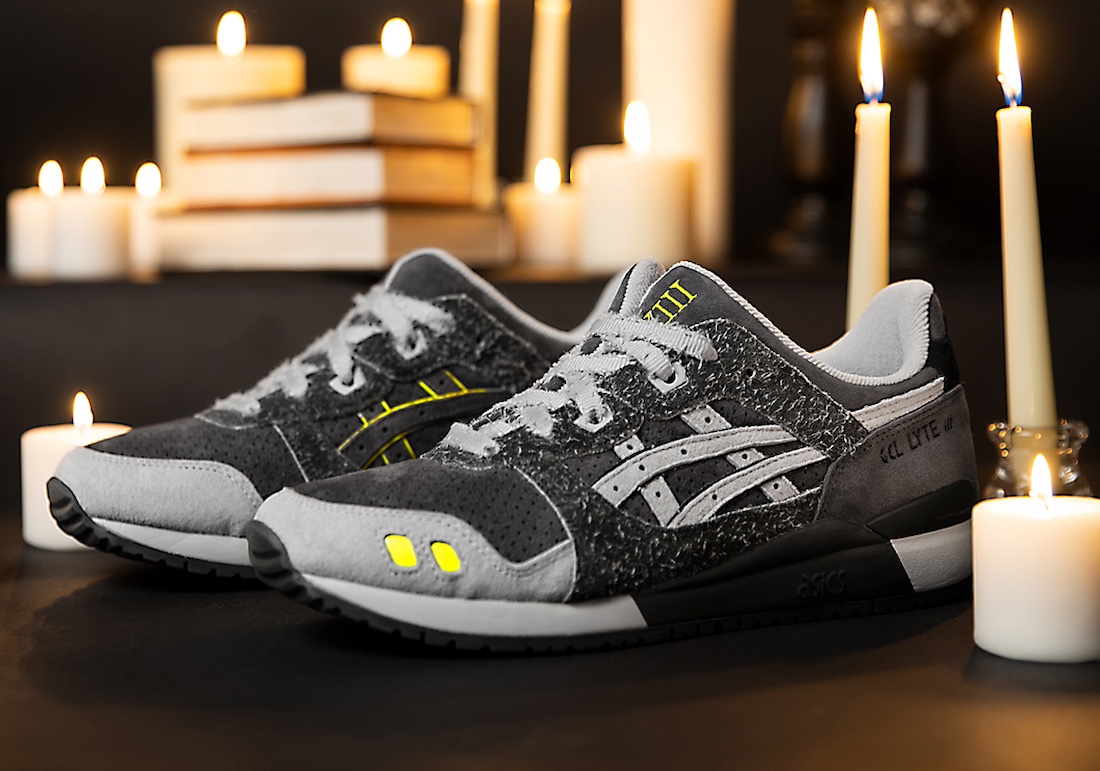
The ASICS Gel Lyte III is a running shoe designed by Shigeyuki Mitsui in 1990, notable for its split tongue construction that prevents tongue slip. Originally priced at $80, it was revived through collaborations with Kith, BAIT, and Packer Shoes in the 2010s and remains one of the most respected runner silhouettes in sneaker culture.
Key Points
- Shigeyuki Mitsui designed the split tongue in 1990 to fix tongue slip during running
- Ronnie Fieg's Salmon Toe collaboration in 2011 revived the model for sneaker culture
- ASICS was founded in Kobe Japan in 1949 by Kihachiro Onitsuka
The Detail
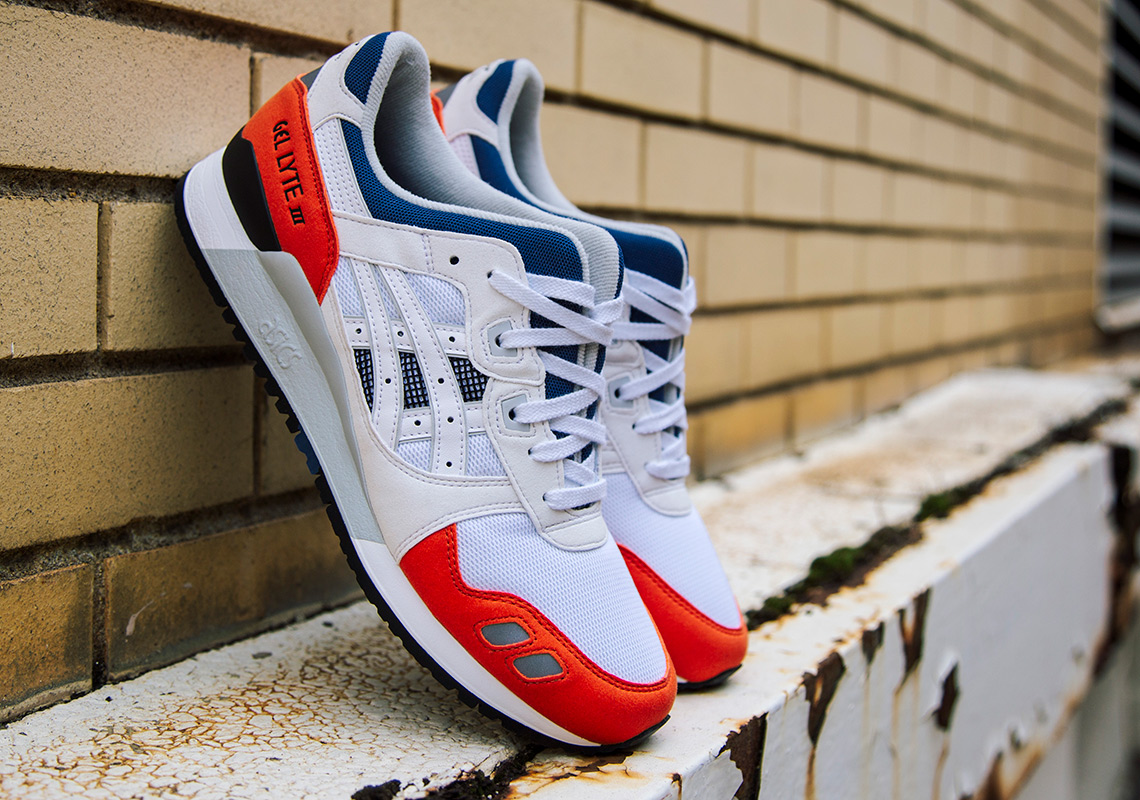
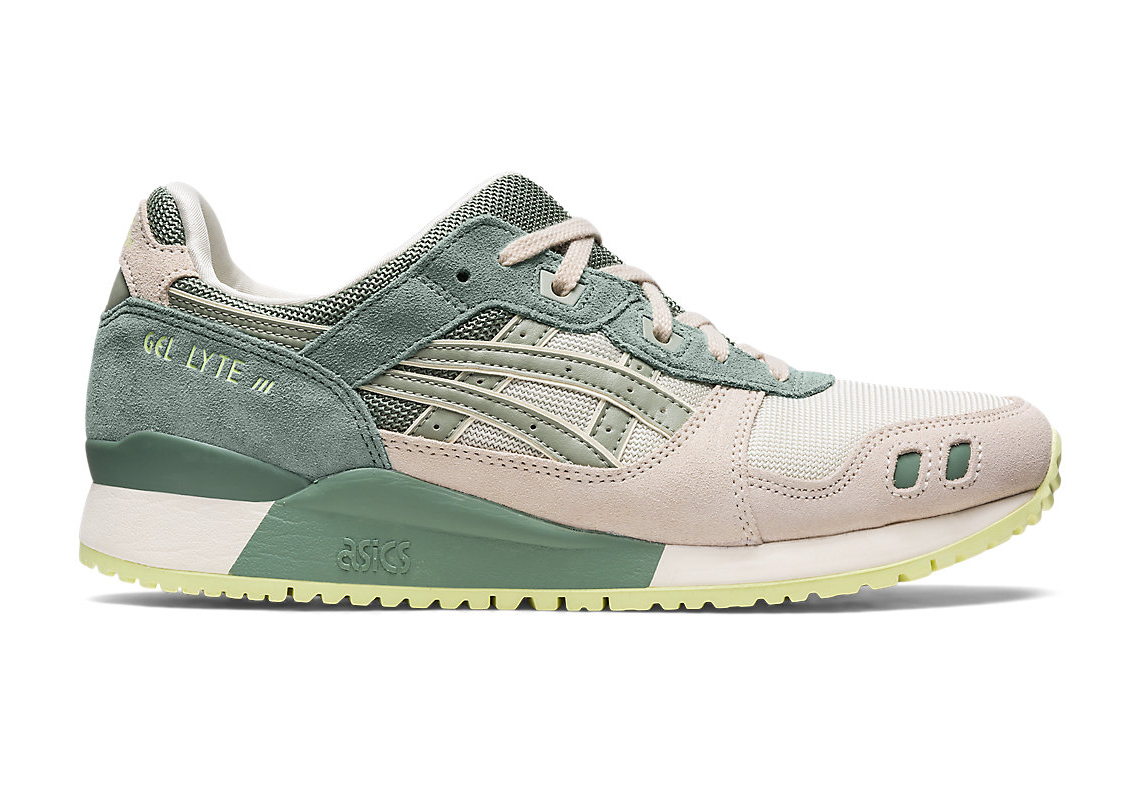
Shigeyuki Mitsui split the tongue. That single construction decision in 1990 gave the ASICS Gel Lyte III its identity and fixed a problem every runner knew but nobody had solved: tongue slip. A conventional sneaker tongue drifts sideways during movement. Mitsui sewed the tongue directly into the upper in two halves, creating a glove like fit that held the midfoot without additional lacing pressure. The GEL cushioning system in the heel, a silicone based compound ASICS had been developing since 1986, handled impact absorption. The split tongue handled everything else.The Construction
The original Gel Lyte III used a nubuck and mesh upper on an EVA midsole with rear foot GEL technology. The shoe weighed approximately 11.2 ounces in a men's size 9. The outsole featured AHAR (ASICS High Abrasion Rubber) in high wear areas and solid rubber elsewhere. The colorway that would become the model's signature was a simple grey and white combination that let the split tongue construction speak for itself. Retail price in 1990 was approximately $80, competitive with comparable running shoes from Nike and Reebok.The Collaboration Wave
The Gel Lyte III sat dormant for nearly 15 years before the collaboration market revived it. Ronnie Fieg's "Salmon Toe" colorway in 2011 with his Kith brand became one of the most important sneaker collaborations of the decade, selling out immediately and reselling for over $500. That single shoe turned the GL III into a canvas for boutique collaborations. BAIT, Packer Shoes, Concepts, and Saint Alfred all produced limited editions. Afew's "Koi" collaboration in 2014 sold out in under 10 minutes. The model became the default choice for sneaker stores that wanted to prove their design credibility.The Japanese Heritage
ASICS, an acronym for "Anima Sana in Corpore Sano" (a sound mind in a sound body), was founded in Kobe, Japan in 1949 by Kihachiro Onitsuka. The company built its reputation on marathon shoes and track spikes before expanding into lifestyle running. The Gel Lyte III sits within a trilogy: the Gel Lyte (1987), Gel Lyte II (1988), and the III, each designed by Mitsui. The Japanese provenance matters in a market dominated by American and German brands. ASICS's design philosophy prioritizes function with minimal aesthetic intervention, which gave the GL III a restrained quality that ages better than most of its competitors.The Position
The Gel Lyte III retails today between $110 and $140 for general releases and $160 to $200 for premium collaborations. Vintage OG colorways in deadstock condition trade between $200 and $400. The shoe occupies a specific lane: too understated for hype culture, too storied for casual consumption. That lane, populated by people who care about construction details over brand logos, is exactly where ASICS wants to live. The split tongue remains the strongest single design detail on any running shoe ever made.The Technical Innovation
The Asics Gel Lyte III split the tongue in 1990 because Shigeyuki Mitsui believed that a conventional tongue bunched up during long runs and caused blisters. The split tongue solution was so unconventional that Japanese retailers initially refused to stock the shoe, and it took three years for the model to find an audience. When it did, the audience was not runners; it was sneaker collectors in Europe who appreciated the silhouette's technical ambition and colorway potential.
The Gel Lyte III proved that technical innovation and cultural relevance are not mutually exclusive. The split tongue solved a running problem and created a sneaker icon because the design community recognized beauty in engineering. Mitsui designed for function. Collectors adopted it for form. And the shoe that Japanese retailers refused to carry in 1990 is now one of the most collaborative silhouettes in sneaker history, with partners from Kith to Ronnie Fieg treating it as a canvas for creative expression.
Related Reading
- BALTIMORE SAVED THE AIR FORCE 1 AND NIKE OWES THEM EVERYTHING
- KITH x ADIDAS SPRING 2026 INTRODUCES THE BW ARMY FOR FIRST TIME
- NEW BALANCE SPENT 40 YEARS BEING UNCOOL AND THEN BECAME THE COOLEST SNEAKER ON EARTH
Frequently Asked Questions
What is special about the ASICS Gel Lyte III?
The Gel Lyte III features a split tongue design created by Shigeyuki Mitsui in 1990 that prevents tongue slip during movement, along with rear-foot GEL cushioning technology.
Why did the ASICS Gel Lyte III become popular again?
Ronnie Fieg's Salmon Toe collaboration with Kith in 2011 revived the model, leading to a wave of boutique collaborations that elevated it from a forgotten runner to a collector's essential.
How much do ASICS Gel Lyte III cost?
General releases retail between $110 and $140, premium collaborations cost $160 to $200, and vintage deadstock pairs trade between $200 and $400 on resale markets.
Topics: kith, sneakers, fashion, asics, ronnie-fieg, running-shoes, japanese-design, collaborations, concepts, reebok, ronnie fieg, split-tongue, sneaker-history, asics-gel-lyte-iii, nike