Why Porsche 911 Is Bigger Than You Think
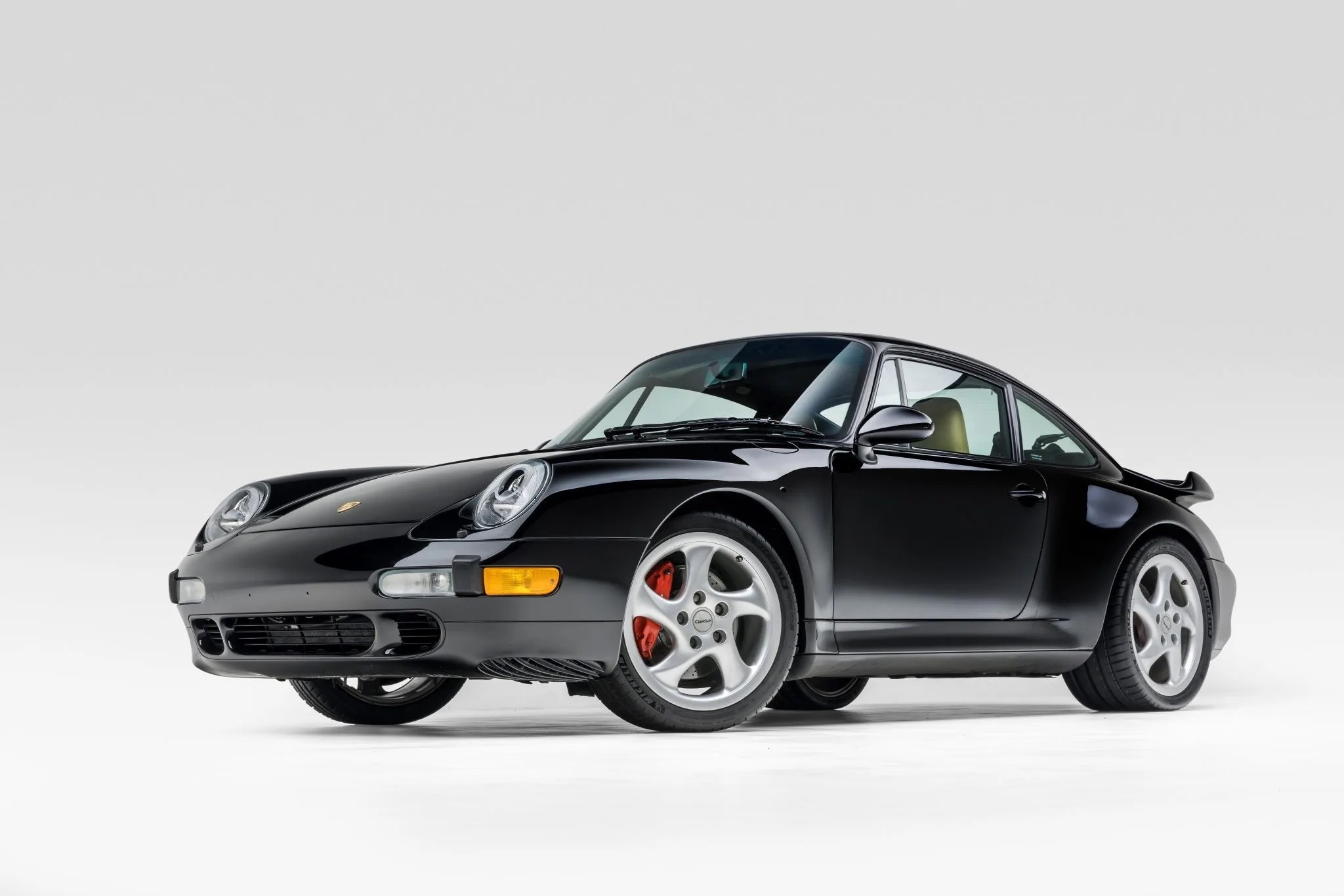
The Porsche 911, designed by Ferdinand Alexander Porsche in 1963, has maintained its signature rear-engine silhouette for over 60 years. Porsche sells approximately 40,000 911s annually at average prices above $130,000, with GT variant models trading significantly above retail on the secondary market.
Key Points
- The 911 silhouette has remained fundamentally unchanged since Ferdinand Alexander Porsche designed it in 1963
- Porsche sold approximately 40,000 911 units in 2024 at average prices above $130,000
- The GT3 RS retails at $230,000 and trades above $300,000 on the secondary market
The Shape That Refuses to Change
Ferdinand Alexander Porsche drew the 911 silhouette in 1963. The rear engine, the sloped roofline, the round headlights, and the wide haunches over the rear wheels. Sixty years later, a 2026 Porsche 911 Carrera is immediately recognizable as the same car. No other manufacturer has maintained a single design language this long while remaining commercially relevant. Ferrari changes its design every generation. Lamborghini chases angular extremes. Porsche refines.
The 911 generated approximately 40,000 unit sales globally in 2024. At an average transaction price above $130,000, that represents over $5.2 billion in 911 revenue alone. Porsche AG, which also produces the Cayenne, Macan, Taycan, and Panamera, reported total revenue of approximately 40.5 billion euros for fiscal year 2024. The 911 accounts for roughly 13% of units sold but a disproportionate share of brand equity.
Engineering Evolution Within Constraints
The engine moved from air cooled to water cooled in 1998 with the 996 generation. Purists mourned. Sales increased by 30%. The current 992.2 generation uses a 3.0 liter twin turbocharged flat six producing 394 horsepower in base Carrera form. The Turbo S pushes 640 horsepower from the same engine architecture. Zero to sixty arrives in 2.7 seconds, faster than cars costing three times as much.
Every generation has added technology, reduced emissions, and improved safety without abandoning the fundamental layout. Rear engine, rear wheel drive (or all wheel drive in the Carrera 4 and Turbo variants), manual or PDK transmission. The 911's rear engine placement creates a unique weight distribution of roughly 39:61 front to rear. Engineers have spent six decades making that physics challenge into a handling advantage through progressive suspension geometry, active rear steering, and electronic stability systems that intervene only when necessary.
The 997 generation (2005 to 2012) introduced the first direct injection system. The 991 (2012 to 2019) went fully turbocharged across the range. The 992 added a wet-sump dual clutch PDK and optional rear axle steering to the base Carrera. Each generation solves a problem the previous generation created, without ever questioning whether the fundamental layout should change.
The GT Division and Collector Economics
The GT3 and GT3 RS models occupy a unique position in automotive culture. The 992 GT3 RS produces 518 horsepower from a naturally aspirated 4.0 liter flat six engine that revs to 9,000 RPM. It retails for approximately $230,000 and trades on the secondary market above $300,000 within months of delivery.
Porsche's GT division, led by Andreas Preuninger, has created a collector car ecosystem within a production car company. Allocation for GT models requires purchase history. Customers who want a GT3 RS often buy a Cayenne and a Panamera first, spending $250,000 before they are even eligible for the car they actually want. The economics are deliberate: Porsche sells four SUVs for every sports car, but the sports car is the reason people walk into the dealership.
The 997 GT3 RS 4.0 from 2011, originally $185,000, now commands $600,000 to $800,000 at auction. The 993 Turbo S from 1997 has surpassed $500,000. These are not exotic supercars with V12 engines. They are variations of a 60 year old sports car design that happens to appreciate like fine art.
The Fashion Connection
The 911 has become menswear's default automotive reference. Type7, the Danish car culture publication, built its entire editorial identity around 911 content and driving culture. Jerry Seinfeld's collection, which exceeds $100 million in value, is anchored by 911s across every generation from the original 901 prototype to a 2024 Dakar. Virgil Abloh drove a Singer 911. Tyler, the Creator owns a 964 in mint green. A$AP Rocky photographed his Bottega Veneta campaign alongside a 930 Turbo.
Verdict
The Porsche 911 proves that design restraint is a strategy, not a limitation. Starting at $116,950 for the 2026 Carrera, it costs less than the average BMW M5 while holding its value better than any vehicle outside of limited production Ferraris. The manual transmission is still available. The flat six still sounds like nothing else on the road. Sixty years of the same idea, executed better every time. Ferdinand Porsche designed one car in 1963. His great grandchildren are still selling the same silhouette to people who could buy anything else and choose not to.
Related Reading
- Porsche 911 GT3 S/C Opens the Roof on 4.0L Flat Six Power
- DANIEL ARSHAM VANILLA YELLOW PORSCHE 993A
- MANU CAMPA PAINTED A PORSCHE 911 BY HAND
Frequently Asked Questions
How long has the Porsche 911 been in production?
The Porsche 911 has been in continuous production since 1963, making it one of the longest-running sports car nameplates in automotive history with the same fundamental rear-engine silhouette.
How much does a new Porsche 911 cost?
The 2026 Porsche 911 Carrera starts at $116,950. The Turbo S exceeds $230,000, and the GT3 RS retails for approximately $230,000 but trades above $300,000.
Why does the Porsche 911 hold its value so well?
The 911 holds value due to limited production of GT variants, required purchase history for allocation, the car's racing heritage, and a design language that has appreciated rather than dated over 60 years.
Topics: virgil abloh, automotive-design, tyler-the-creator, bottega veneta, tyler, the creator, bottega-veneta-newbottega, bottega-veneta, type7, gt3-rs, sports-car, design, german-engineering, virgil-abloh, porsche, car-culture, porsche-911, ferrari, lamborghini