MANU CAMPA PAINTED A PORSCHE 911 BY HAND
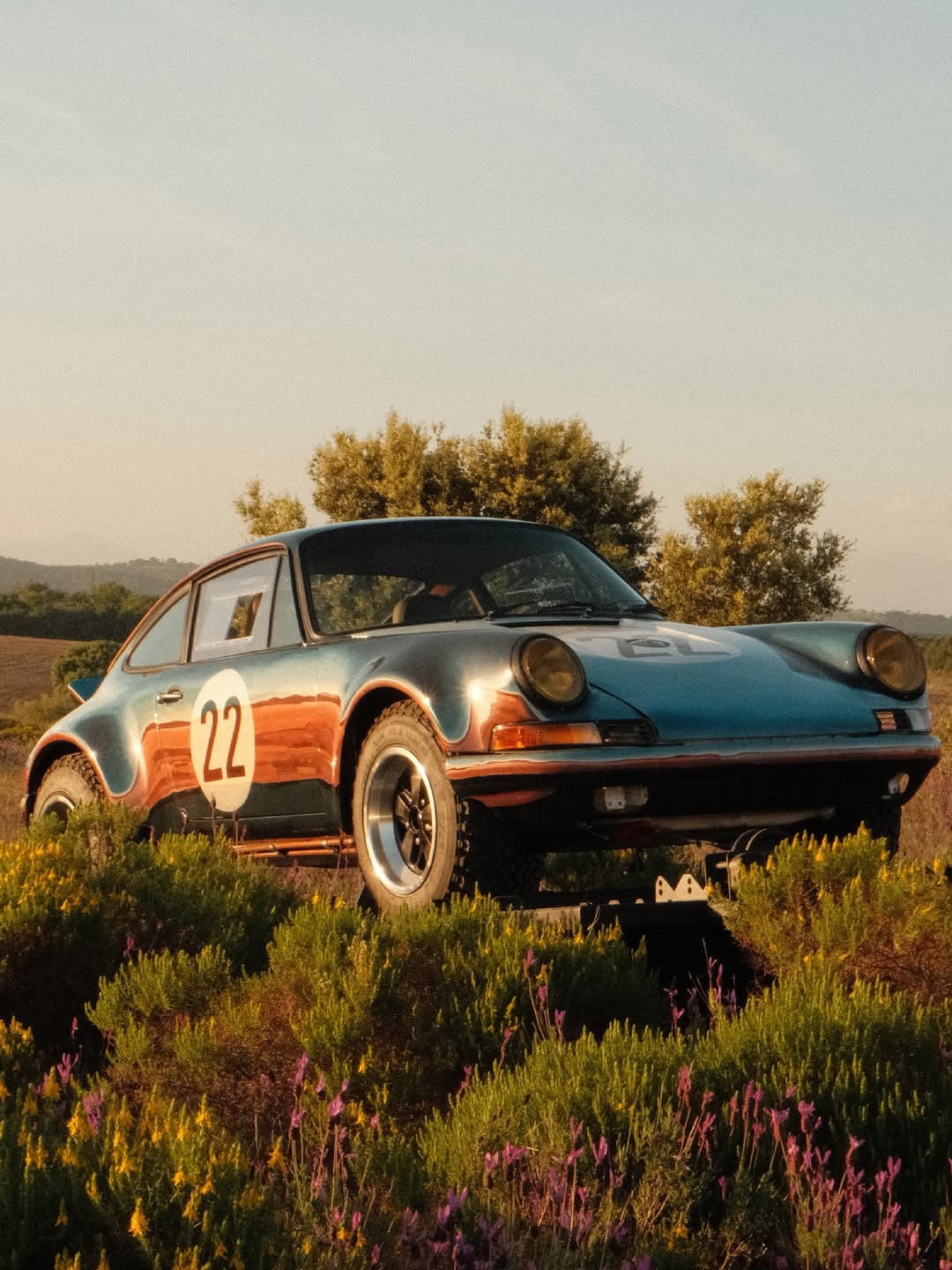
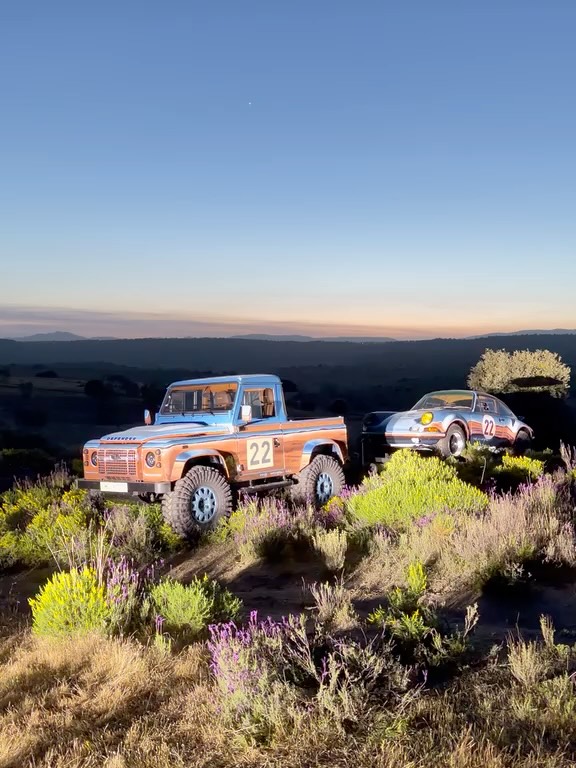
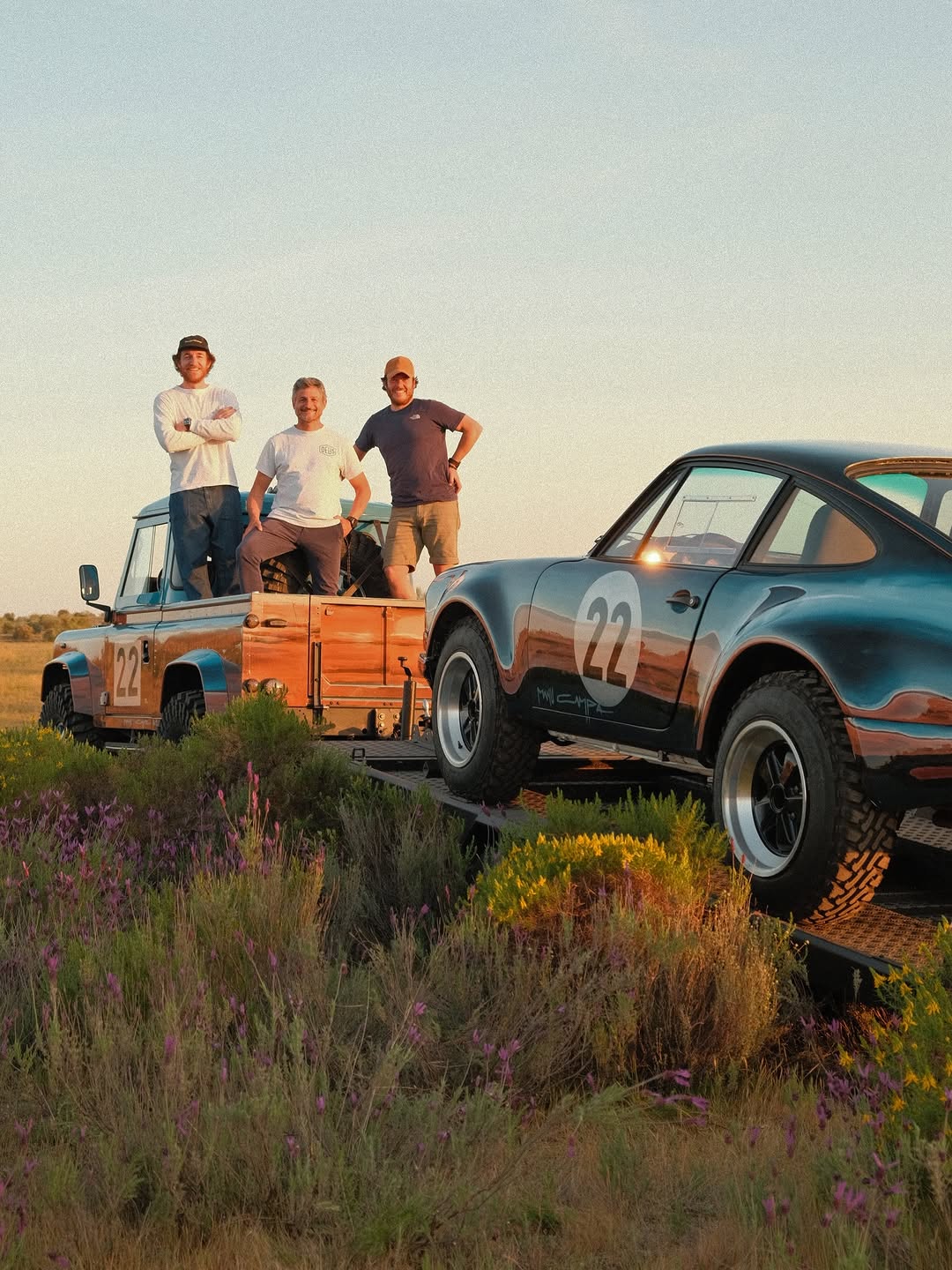
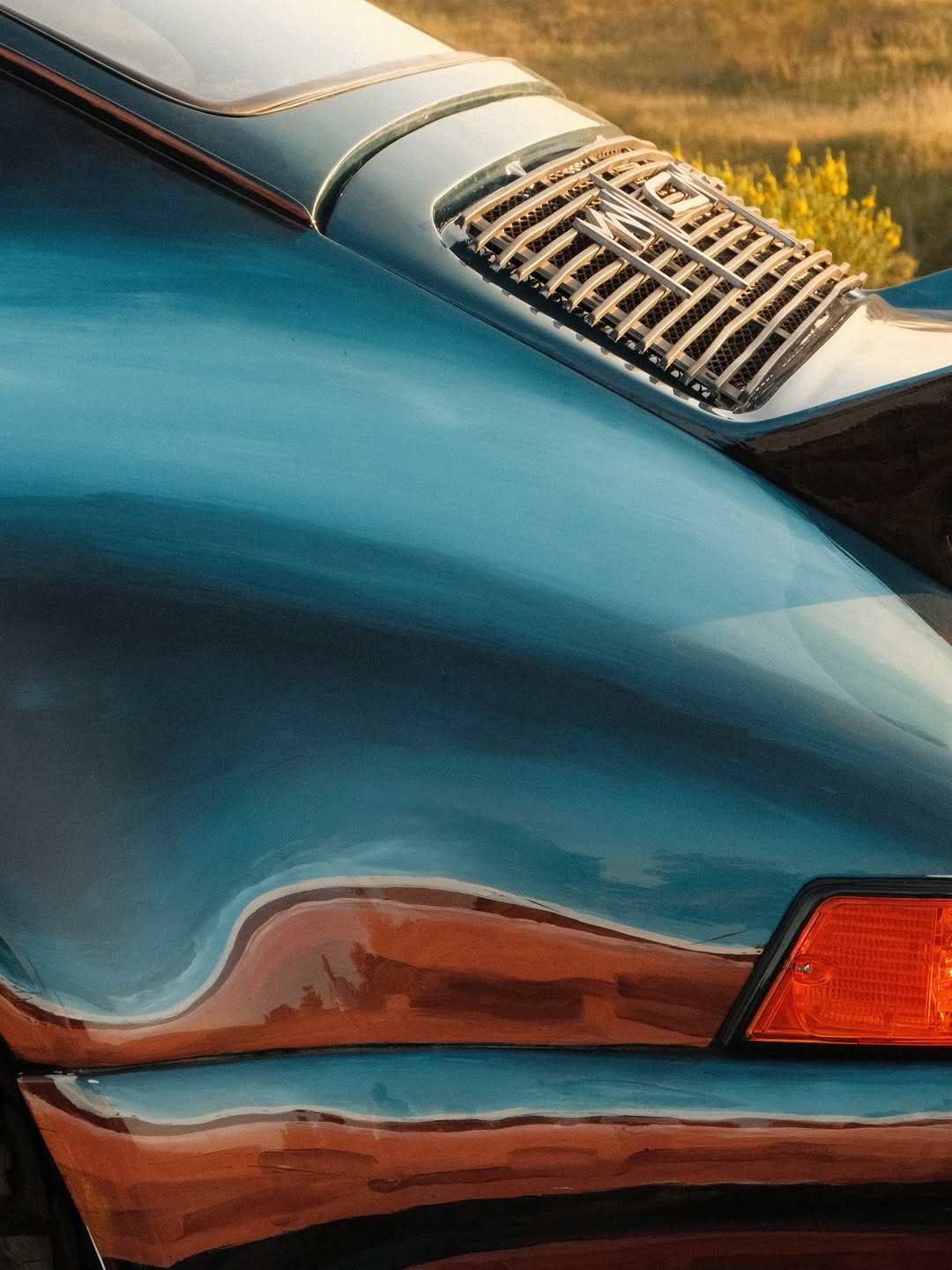
Madrid photorealist Manu Campa was commissioned by Type7 to hand-paint a white Porsche 911, covering every panel in trompe-l'oeil mirror imagery without digital tools. Campa described his approach as 'painting realistic because that is the most honest way.' The build was documented in an 18-image carousel and a video walkthrough.
Key Points
- Manu Campa paints exclusively in photorealism — the 911 surface became a trompe-l'oeil mirror
- The commission required hand-painting every panel to simulate reflection on a flat ground
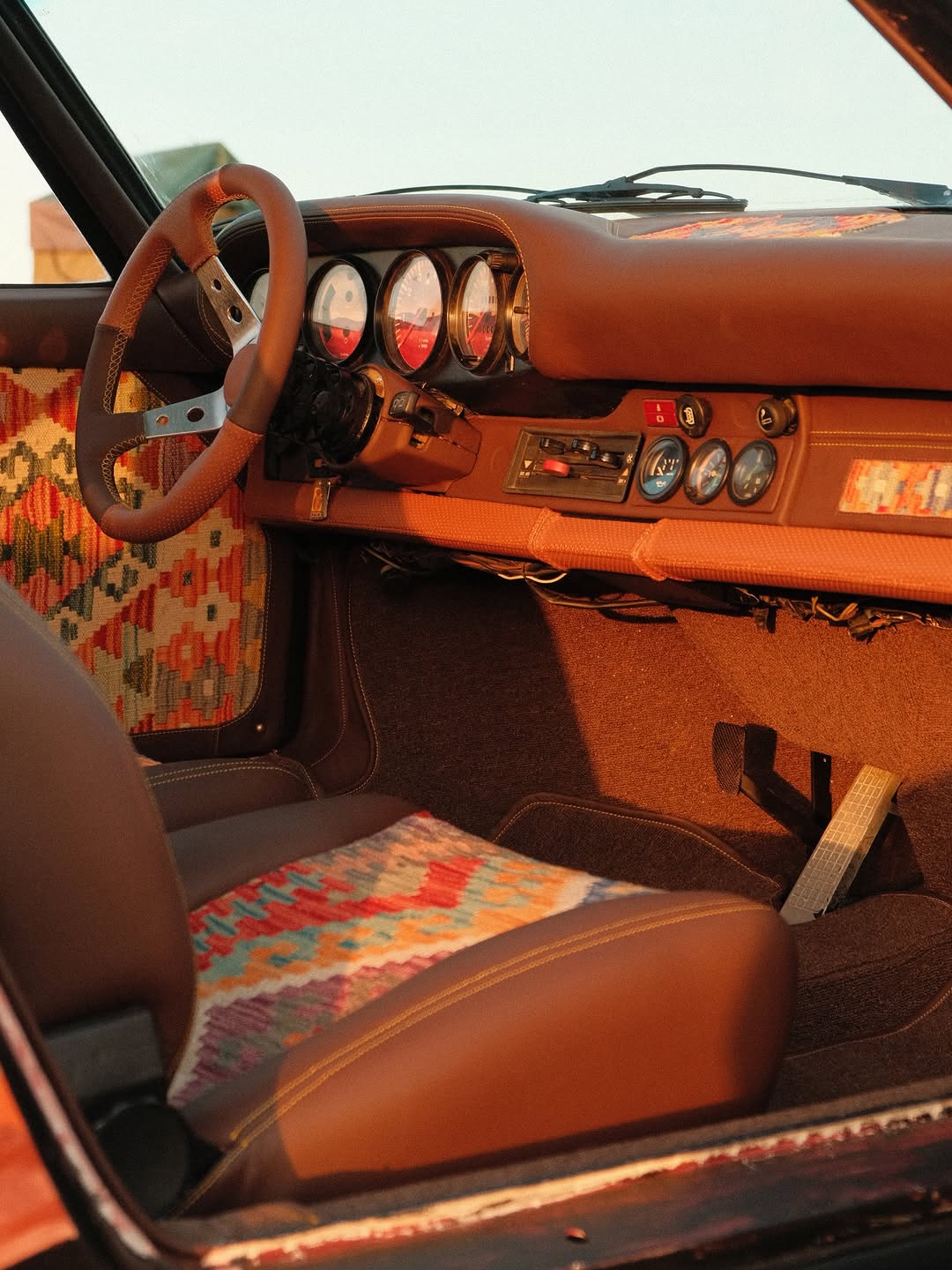
- Type7 documented the build across 18 images, positioning the 911 as wearable fine art
A white Porsche 911 is the most available canvas in 2026. Manu Campa chose to paint it as a mirror of itself.
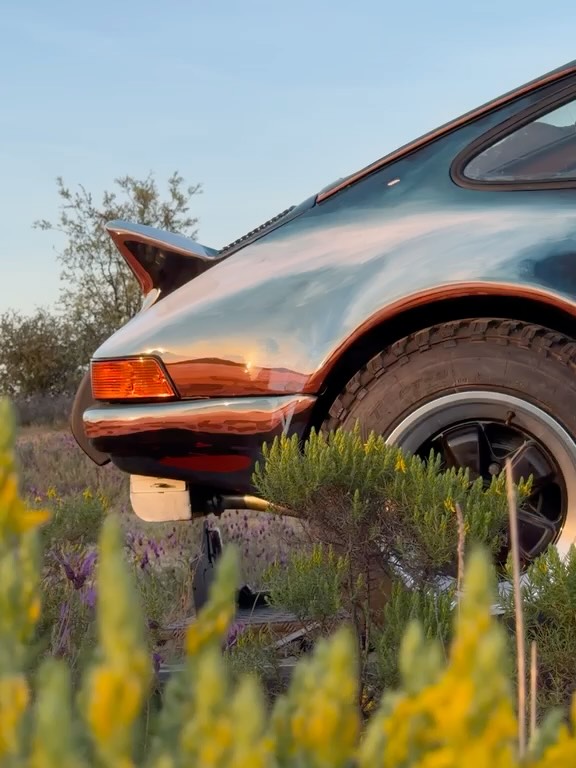
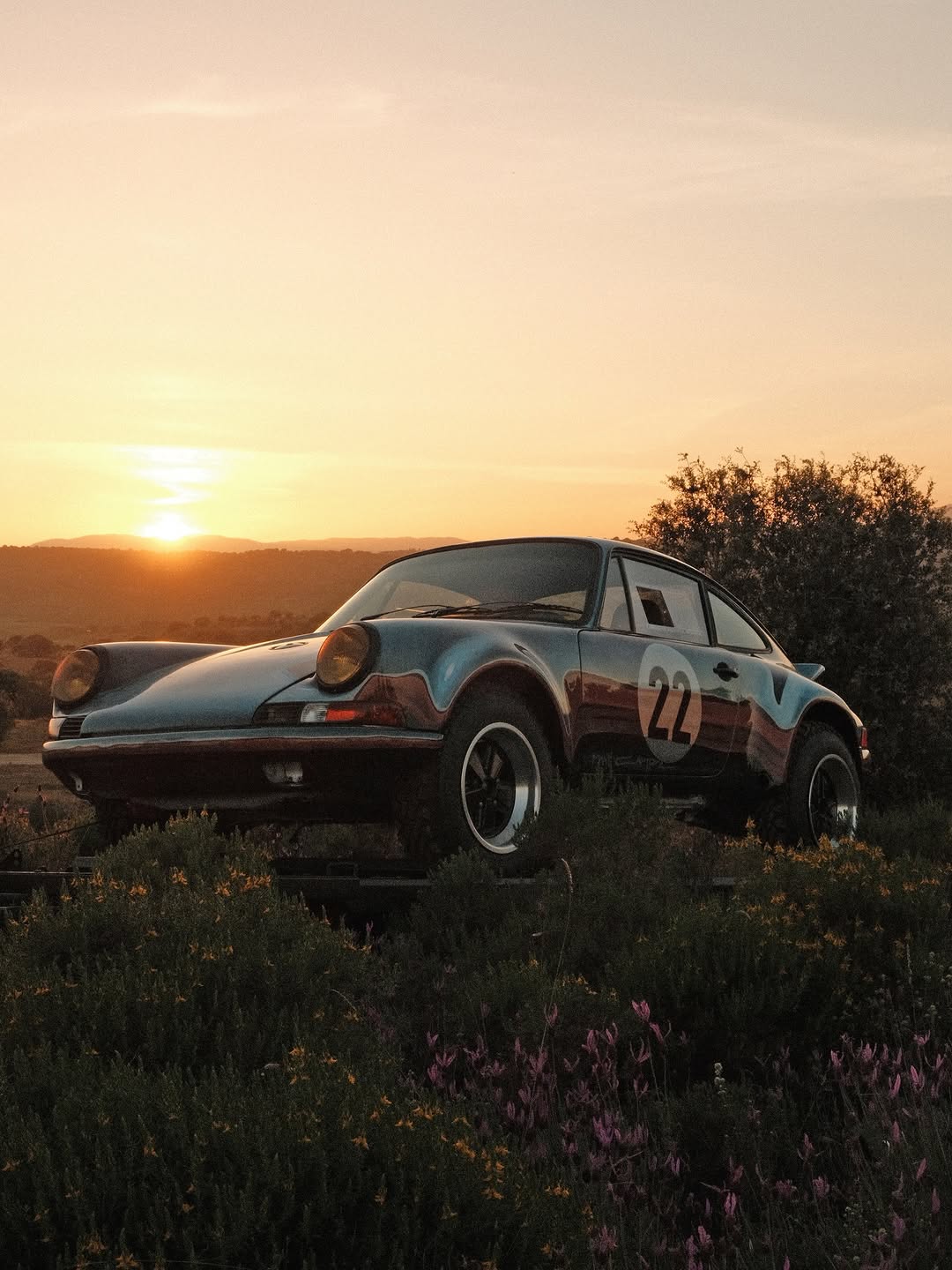
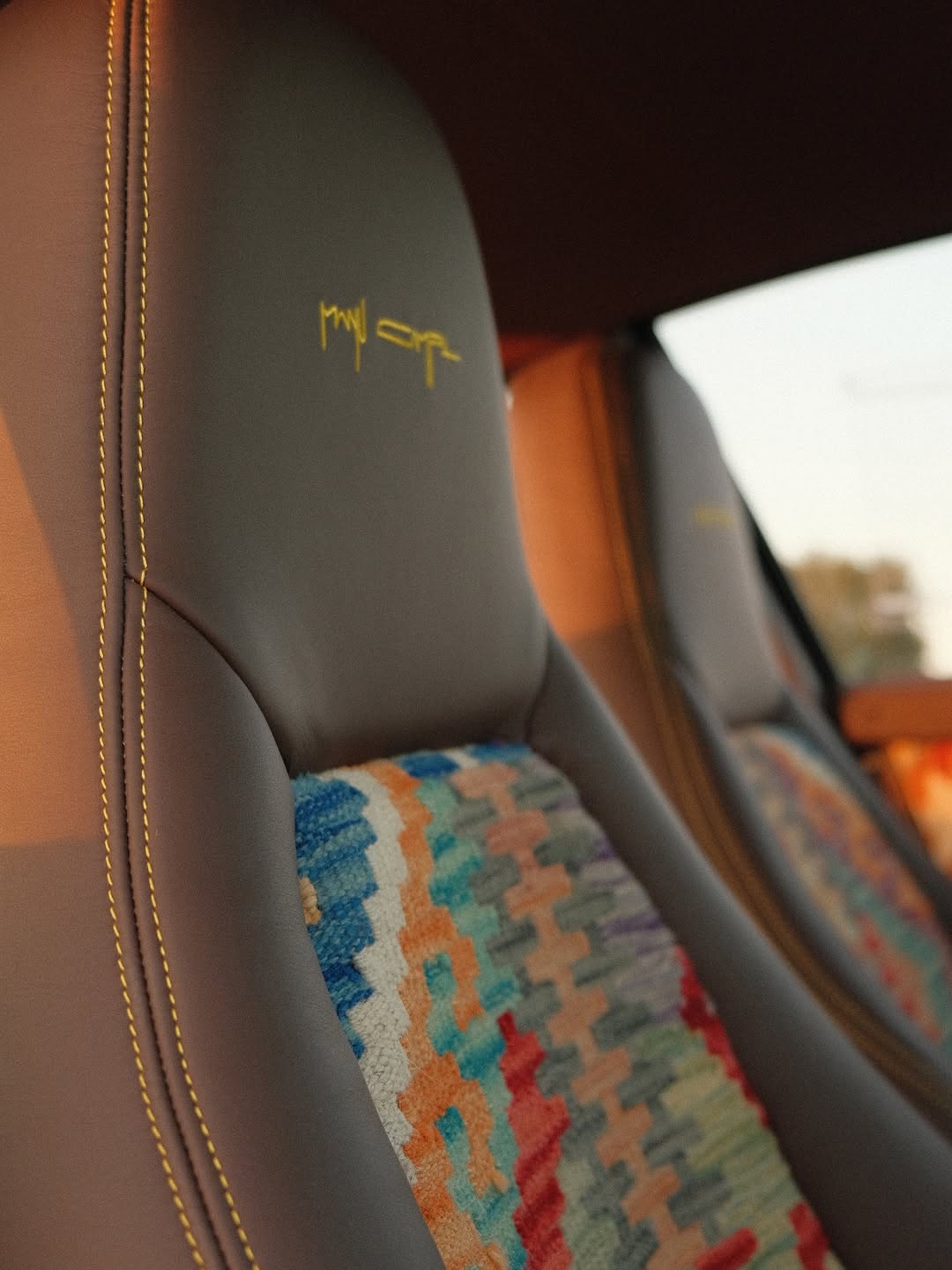
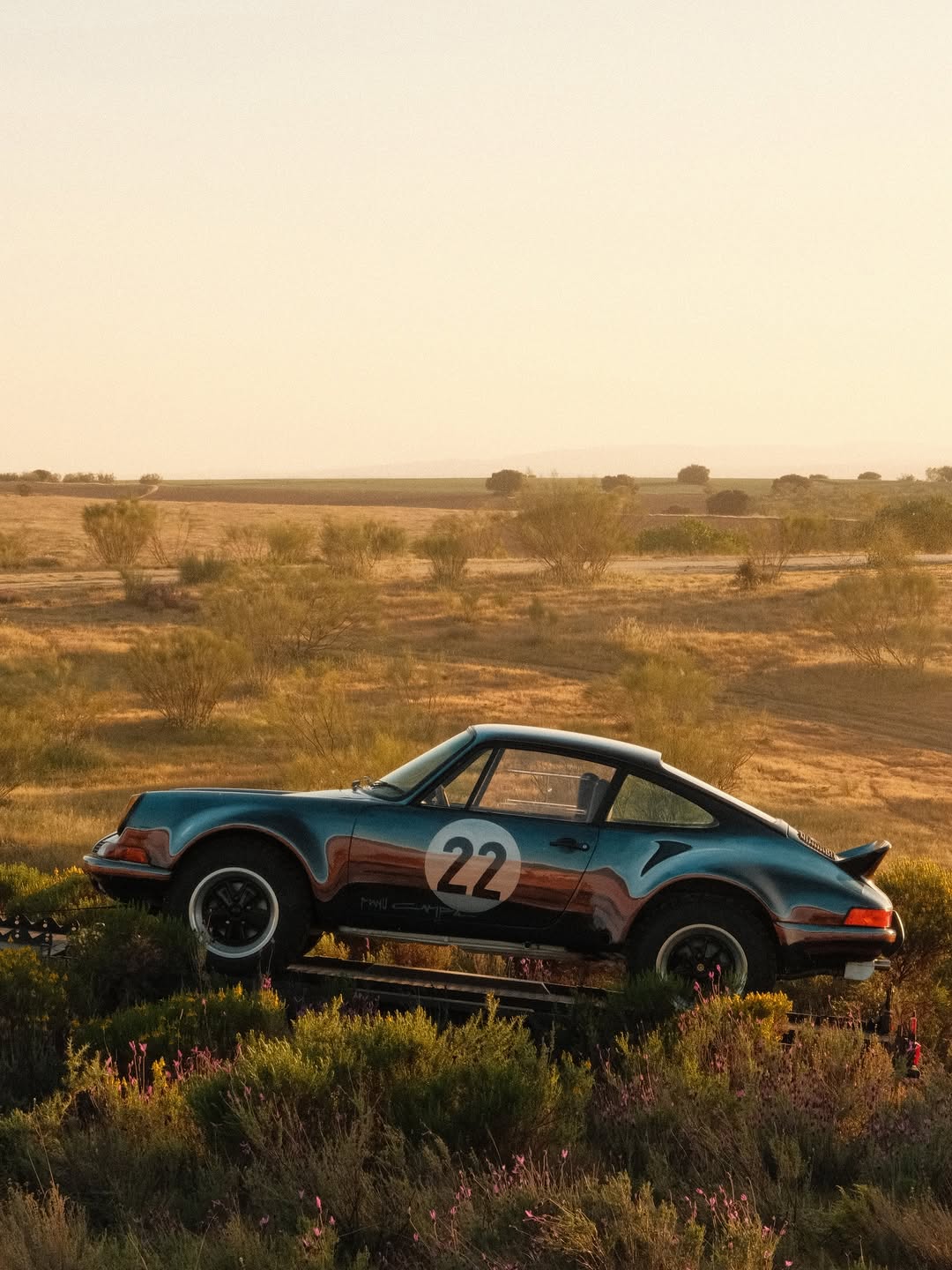
The Madrid-based photorealist (@manucampart) was handed the car and approached it the only way that made sense to him: panel by panel, hand to surface, no digital projection, no vinyl. "I always paint realistic," he said. "That's the most honest way I could approach it." The result is a 911 that reads as a trompe-l'oeil reflection, every body panel painted to simulate a mirror surface that does not exist beneath the lacquer.
Photorealism at 1,500 Kilograms
Campa builds his reputation on hyperdetail. His studio work involves no tracing, no reference projection onto canvas. He observes and replicates, which means his error margin is human rather than mechanical. Applied to automotive bodywork, that discipline becomes something different: a medium that cannot be stretched, cannot be rolled, reacts to temperature, and has to survive weather.
The 911 is a six-panel problem at minimum. Front hood, rear deck lid, two doors, two quarter panels. Each one requires a different approach to the mirror illusion because each one sits at a different angle relative to a viewer's sightline. Getting the reflection to read as continuous across the entire car requires solving a visual geometry problem that no software shortcut can simplify.
Type7 Documented the Right Build
Type7 operates at the overlap between automotive curation and contemporary art publishing. Their archive is not a car magazine. It does not review specs or performance figures. It covers the people who treat cars as the primary material for ideas that would otherwise live in a gallery.
The Campa 911 fits that frame exactly. This is not a factory art car program. Porsche runs official collaborations through its museum, through the Targa Florio heritage circuit, through carefully managed partnerships with estate estates. The Campa project exists outside all of that. It is a private commission documented by a platform that recognized it as worth archiving. The documentation is the deliverable.
Sixteen still images and a video walkthrough is an editorial choice. That format shows you how the illusion changes as the viewing angle shifts, which is the most important thing to understand about a mirror-painted car. A single beauty shot would miss the point entirely.
Automation Cannot Replicate Patience
In 2026, the automotive design conversation is almost entirely digital. AI surface generation, parametric modeling, digital clay that updates in real time on a render farm. The tools that took months of manual work in 2004 now take hours. Campa's 911 is the most obvious possible counter-argument.
He is not nostalgic. The hand is not his identity. The hand is his medium because it produces an outcome that no digital pipeline can replicate at this level of detail. A vinyl wrap simulating chrome costs two thousand euros and takes a day. Campa's painted mirror cost months of his life and produces something that is not comparable to a wrap in any material sense. The two things look similar in a thumbnail. They are not the same object.
This is the same logic that makes a hand-thrown ceramic pot worth more than a factory-pressed one. Not sentiment. Material reality.
Porsche 911 as Art Market Object
The 911 silhouette is fifty-nine years old in 2024. Every variation Porsche has produced since the original 901 shares recognizable proportion geometry: the greenhouse that slopes back, the rear engine haunches, the round headlights. Artists have used it as a canvas for decades because it is one of the few manufactured objects that reads as complete whether moving at speed or standing still.
Campa's version does not depreciate through that lens. He has signed his work. The documentation is permanent and traceable. The chain of custody from his hand to this specific car is established across sixteen images and video. In art market terms, that provenance is the beginning of a file that can be opened in any future transaction.
Where the Car Ends Up
The 911 will not live at a dealership. It will not appear in a Porsche official campaign. It exists in the space between private collection and public record, which is exactly where the most interesting automotive art objects accumulate the most value over time. The 2026 market for cars-as-art is still small enough that early documentation matters.
Type7 archived it. Campa signed it. The rest is time.
Related Reading
- CALIPER BUILDS CUSTOM DRAFTING TABLE FOR DANIEL ARSHAM
- EDITION OFFICE BUILT ABOVE THE GROUND IN MELBOURNE
- GONZALO BARDACH BUILT HOUSE JR INTO THE EARTH
Frequently Asked Questions
Who is Manu Campa?
Manu Campa (@manucampart) is a Madrid-based photorealist painter known for hyperrealistic works painted entirely by hand without digital assistance.
What did Manu Campa do to the Porsche 911?
He painted the bodywork to simulate a mirror surface using painstaking hand techniques, treating the car as a canvas rather than a vehicle.
What is Type7?
Type7 is a luxury automotive and design media platform that curates bespoke car builds, design collaborations, and creative commissions.
Topics: art-car, type7, porsche-911, automotive-art, design, manu-campa, daniel-arsham, daniel arsham, madrid, photorealism, porsche, focus-55-62