PORSCHE 911 GT3 RS SHOOTS YELLOW WHILE EV RUNS GREY
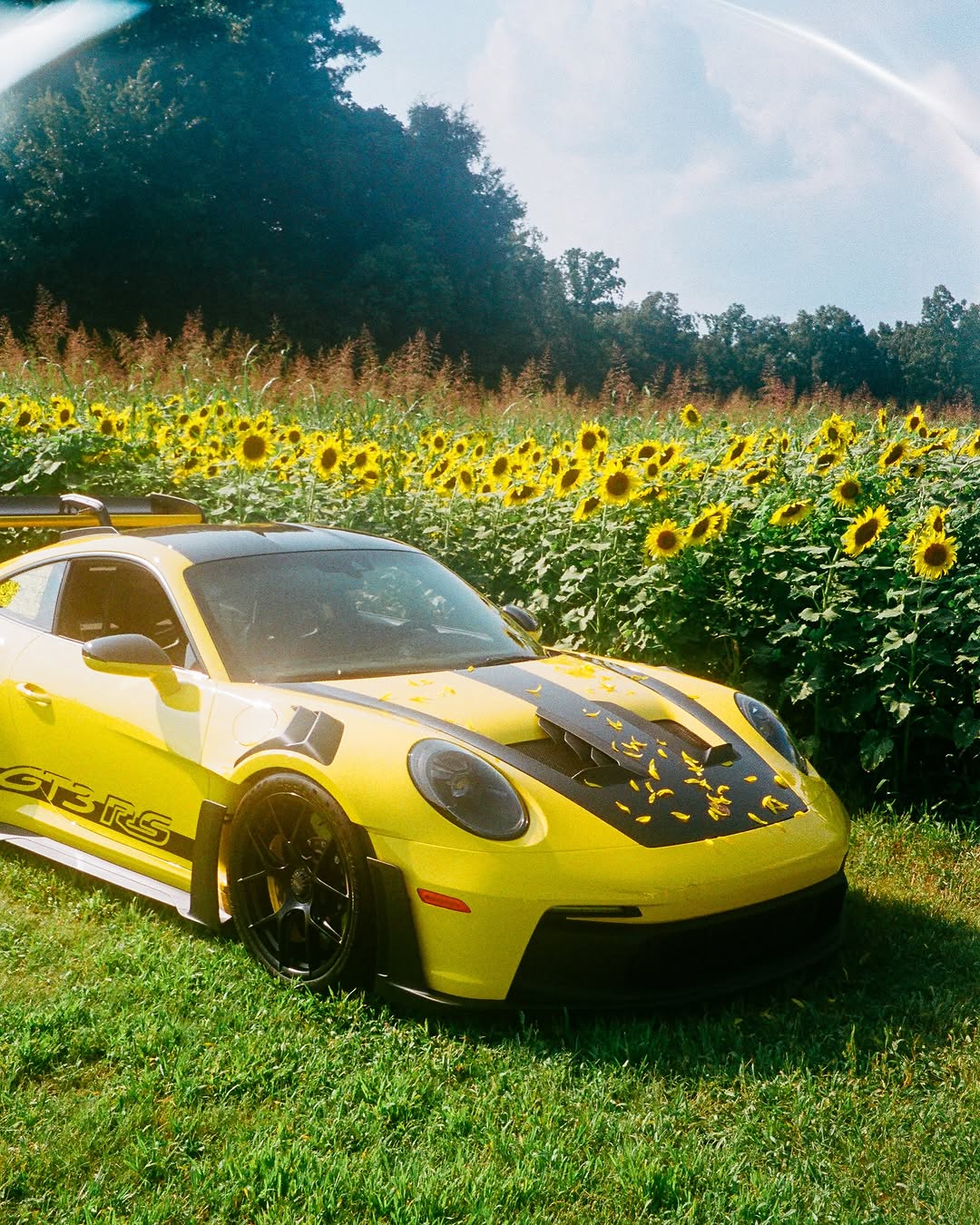
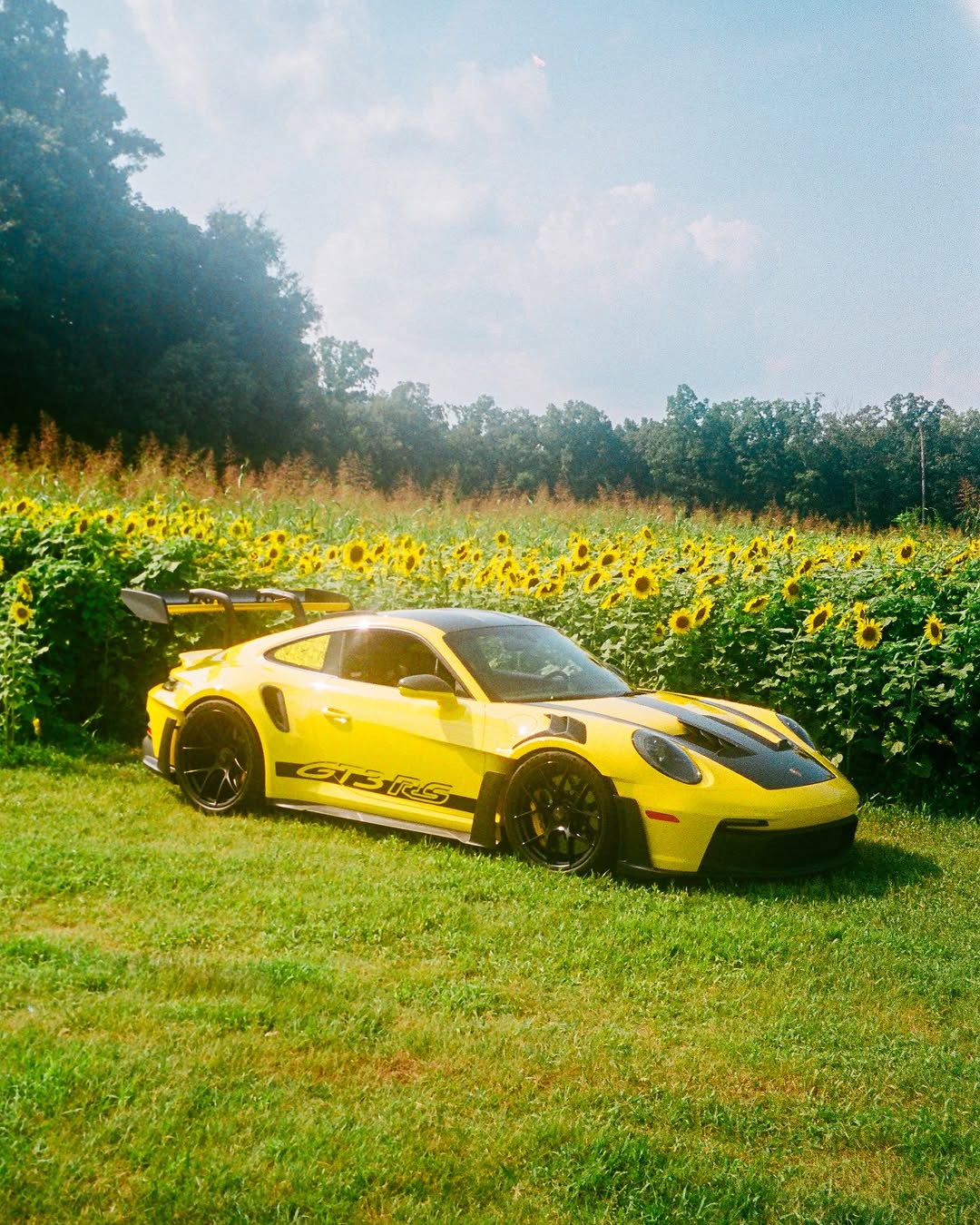
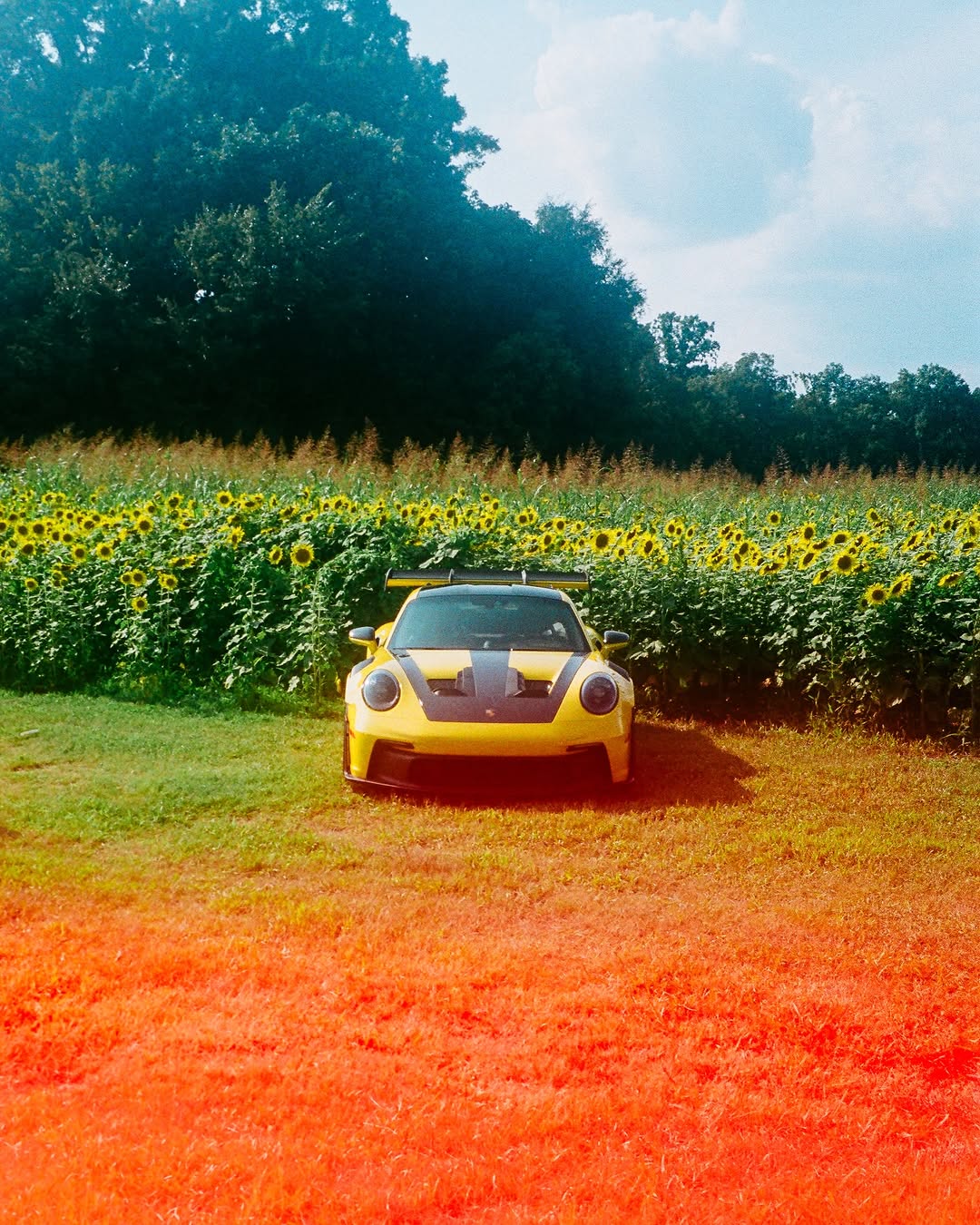
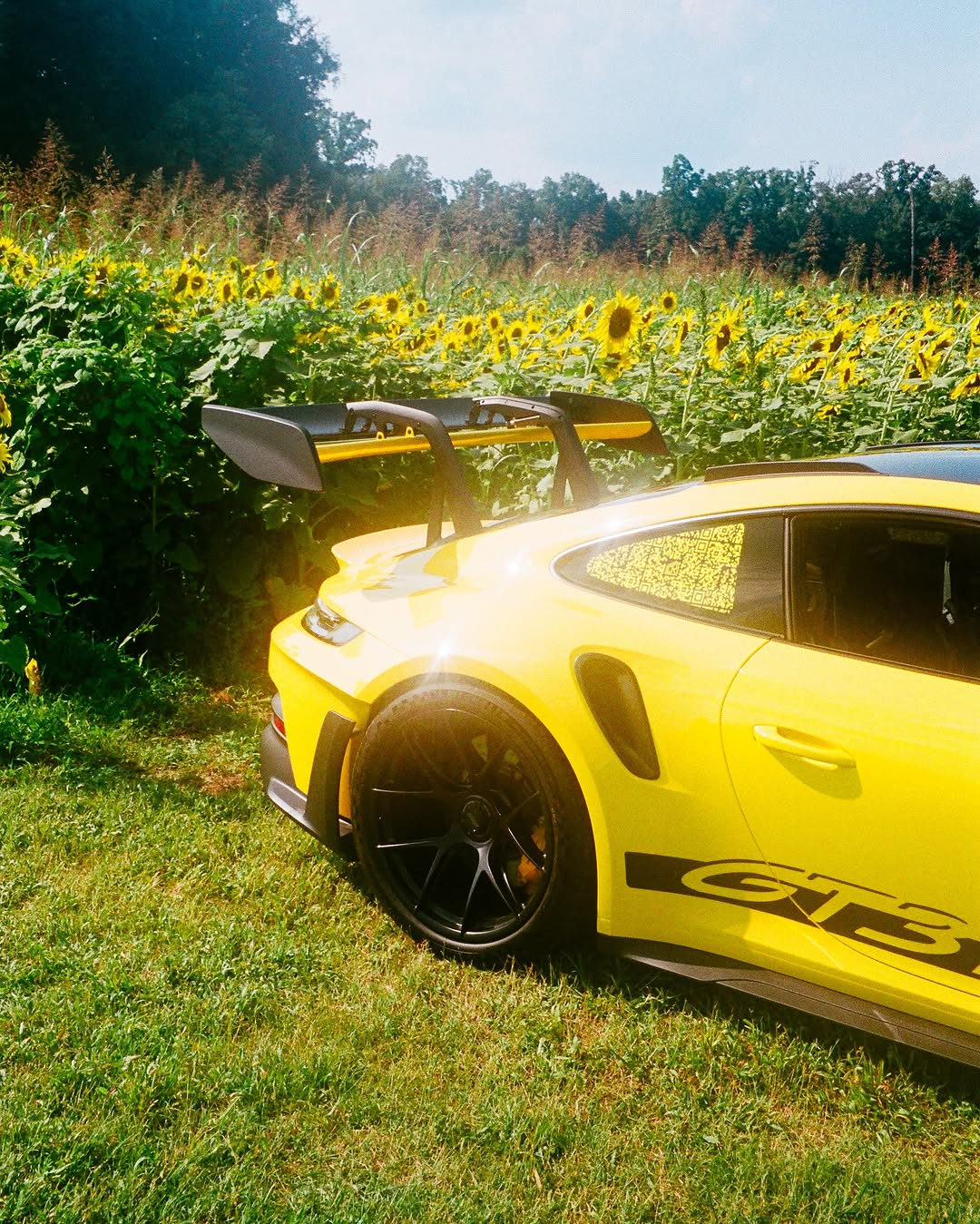
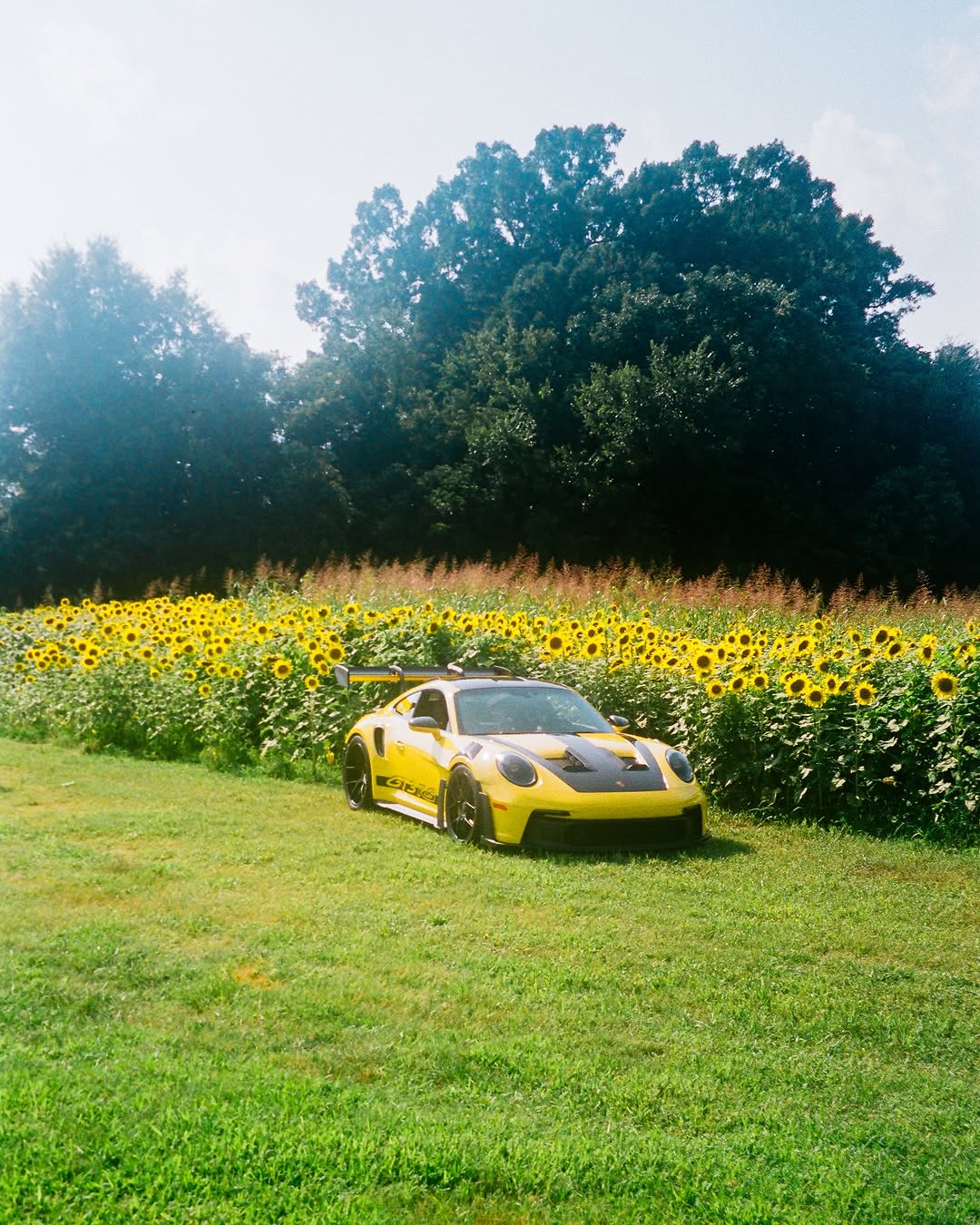
The Porsche 911 GT3 RS, producing 518 hp and generating 409 kg of downforce, was photographed in sunflower yellow by Dylan Dawson in June 2026, gathering 116,000 social media engagements. Racing Yellow was removed from the standard Porsche configurator in 2024 and is now available only through Paint to Sample bespoke ordering. Porsche is deploying colour as a recurring cultural argument for the combustion-era GT3 RS across gaming, editorial, and community photography activations throughout 2026.
Key Points
- Porsche 911 GT3 RS: 518 hp, 9,000 RPM naturally aspirated flat six, 409 kg downforce, 299g CO2/km Class G
- Racing Yellow removed from standard configurator in 2024; now available only through Paint to Sample bespoke orders
- June 8 post by photographer Dylan Dawson and owner Nick Cabaniss gathered 116,000 likes in under 24 hours
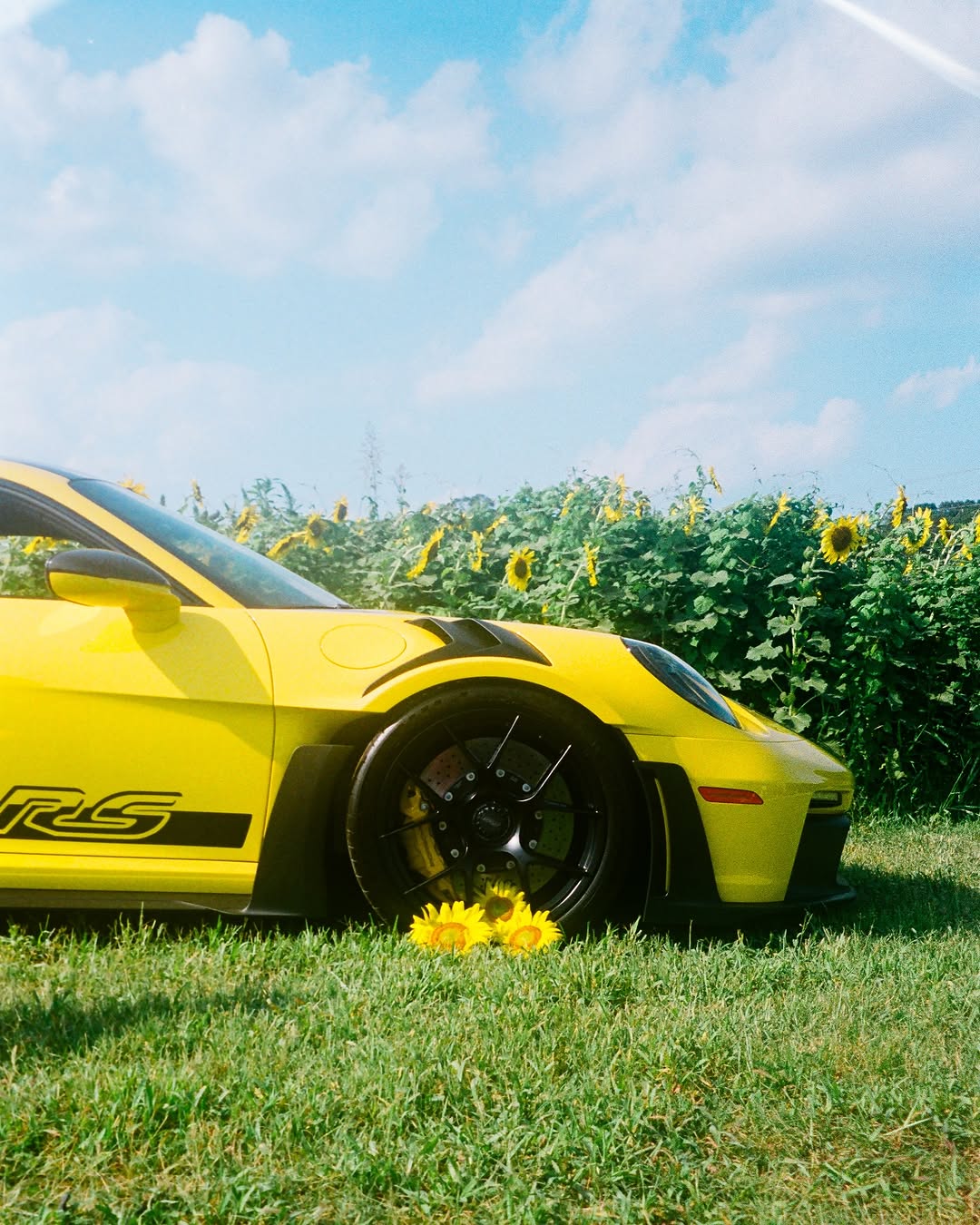
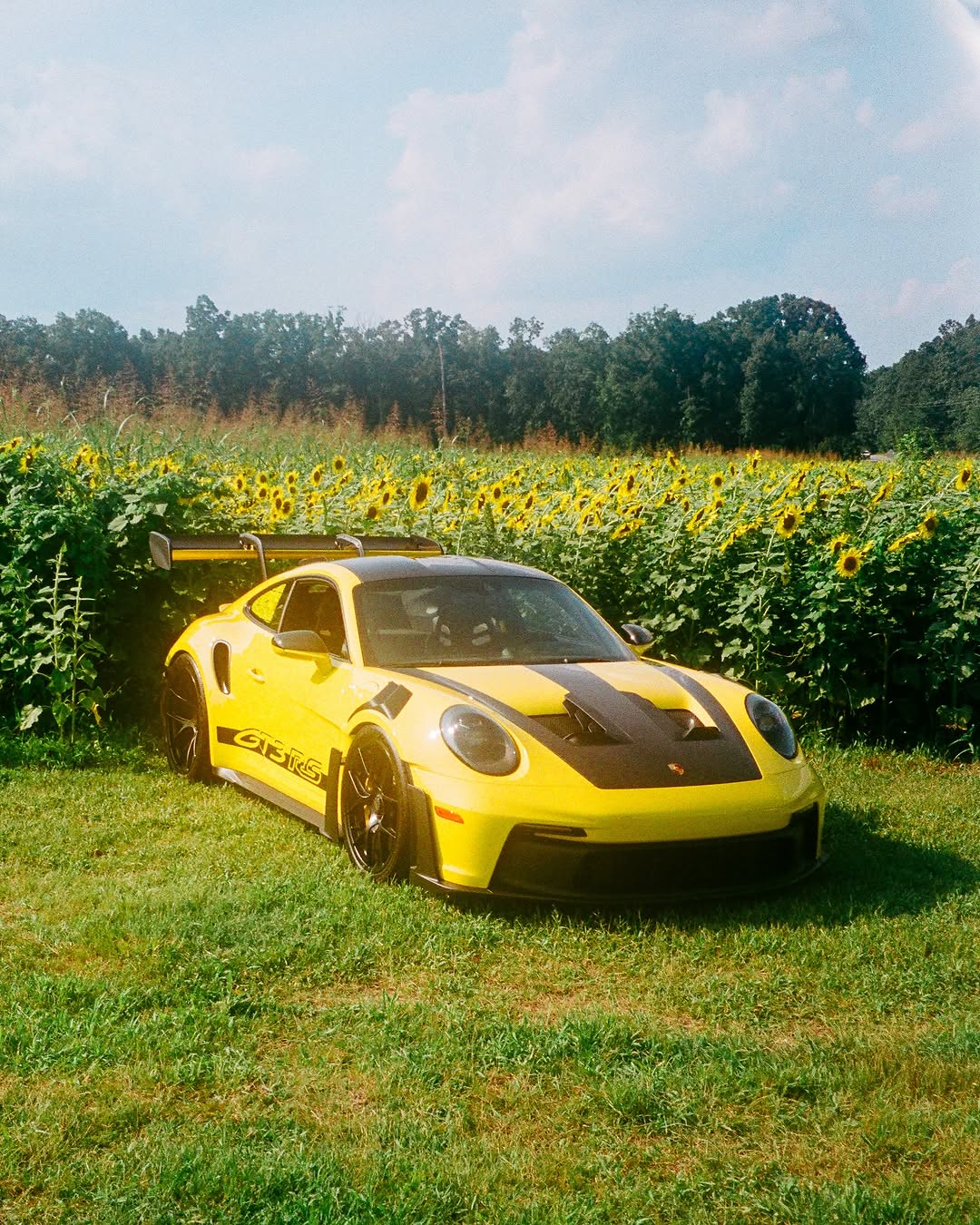
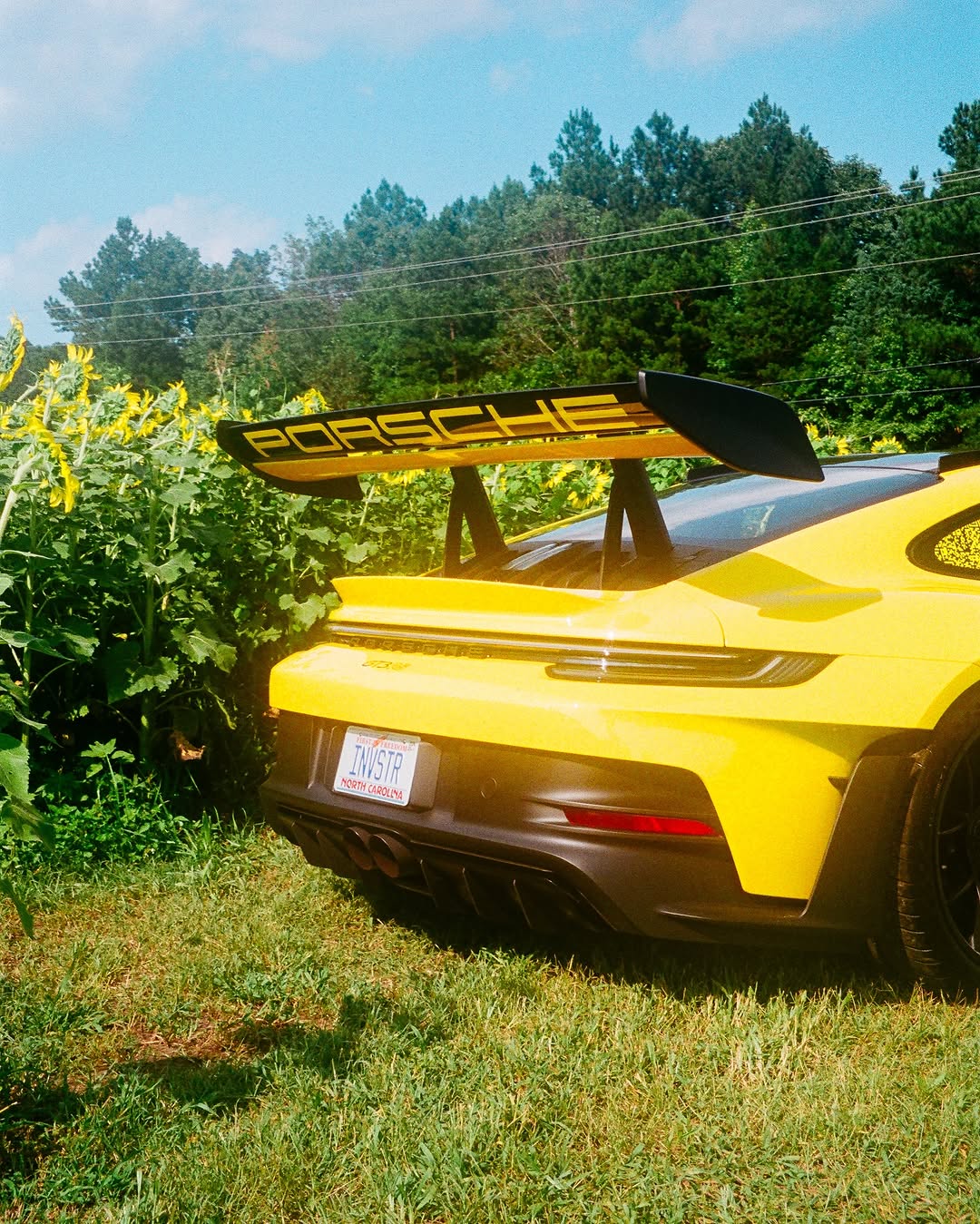
Four hundred and nine kilograms of downforce. A naturally aspirated flat six that redlines at 9,000 RPM. A Class G CO2 rating that Porsche includes in every European advertisement without additional comment. The 911 GT3 RS is the most technically precise car in the Porsche range, and on June 8, 2026, the brand published eight photographs of one in sunflower yellow and called it the colour of the season.
It gathered 116,000 likes by the following afternoon. Nobody was sharing it for the downforce figure. They were sharing it because a track car in that specific yellow, shot in full summer light, is one of the more direct colour arguments anyone has made in automotive photography this year.
518 hp and One Very Deliberate Shade
The 911 GT3 RS produces 518 horsepower from a 4.0 litre naturally aspirated flat six. It returns 13.2 litres per 100 kilometres under WLTP combined cycle testing and emits 299 grams of CO2 per kilometre, placing it in Class G, the EU's most carbon-intensive passenger vehicle category. European advertising regulations require Porsche to publish these figures. Porsche publishes them beneath eight photographs of a sunflower yellow car in direct sun.
Racing Yellow, the shade that defined a generation of GT cars and their resale premiums, was removed from the standard 911 configurator in 2024. It is available now only through Paint to Sample, Porsche's bespoke ordering programme, which means a call to a specialist desk, a production scheduling wait measured in months, and a premium on top of the base price. The 2026 911 GT3 Touring offers Cartagena Yellow Metallic as a standard colour. The GT3 RS in the June 8 images shoots in something closer to the legacy Racing Yellow than to Cartagena, which is an editorial decision with weight behind it.
Finally Offline covered Rare Shades 7 in May 2026, when 000 Magazine staged 100 Porsches sorted entirely by paint colour inside Wildflower Studios in Astoria, Queens. The curation principle was not horsepower. It was palette. One hundred cars chosen for the frequency of their paint. The event ran at a 760,000 square foot film campus built by Robert De Niro. A Porsche event inside an art venue, curated by hue. That framing is not accidental.Porsche Has Been Running This Campaign All Year
On May 19, 2026, the GT3 RS launched in Forza Horizon 6, the same week that franchise debuted its first Japan-based map. A week after the gaming launch, a chocolate brown GT3 RS photographed by @his_things circulated widely, the car's full spec sheet running in the caption as though the colour choice required context. Three weeks after that, the sunflower yellow post arrived. Each activation targets a different cultural moment without changing the car at all.
The gaming launch reaches the person who cannot afford a GT3 RS but will spend 200 hours building one in Forza. The chocolate brown wrap photograph reaches the buyer who chose the GT3 RS as much for its shape as its specification. The colour-of-the-season post reaches the Instagram algorithm and through it everyone else, including people who will never buy or drive a GT3 RS but who understood immediately what that particular yellow was saying.
Photographer Dylan Dawson (@currentlydawson) shot the eight-image set. The car belongs to Nick Cabaniss (@nick_cabaniss). Both are credited in the caption. This is not a controlled studio shoot with a brand brief. It is a community activation that Porsche chose to amplify through its own channels. The distinction matters: the brand is choosing whose conviction to platform, not manufacturing conviction in a controlled environment.
Type7 tracked down the last air-cooled 911 of its line on Shikoku and the resulting piece read as a precise eulogy for a specific engineering era. The GT3 RS in sunflower yellow posts in the opposite direction: a combustion car that declines to present itself as a transitional object waiting to be replaced.299 g/km and No Apology from the Sunflower
The CO2 figure appears below the hashtag in the caption, formatted as a regulatory disclosure. Class G. The highest-emission classification in the EU passenger vehicle framework. Porsche places it there because they are required to. What they do not do is surround the disclosure with a neutral colour story or carefully moderated imagery.
Electric vehicles in 2026 trend silver, white, and matte grey because those colours read as forward-looking, technologically restrained, and aligned with the clean-air argument. Sunflower yellow reads as visceral, analog, and specific about what it is and how it runs. The implicit message is stated plainly through the image itself: if you are going to emit 299 grams per kilometre in June 2026, look this decisive doing it. The colour is not apologizing. Neither is the spec sheet.
116,000 Likes for a Shade Nobody Can Configure
Racing Yellow is no longer selectable. A GT3 RS buyer cannot click it in the configurator. The 116,000 people who engaged with this photograph cannot order what they saw without calling a specialist and joining a wait. That gap is the strategy.
Porsche is building a deliberate tension over multiple activation cycles: making a colour desirable enough to drive demand through editorial and community content, then restricting access to that colour through the bespoke pipeline. The result is a shade that functions like a limited release. Scarcity and palette are now compounding in the same way that lap times and downforce figures used to carry the entire brand argument alone.
By the end of 2026, expect Porsche to attach a structured Paint to Sample colour programme to the GT3 RS and use these community-driven social activations as the proof-of-concept that colour alone can generate 116,000 engagements on a car that most of the audience will never physically encounter. The sunflower yellow photograph is the market research. The Paint to Sample appointment is the product.
Related: Porsche 911 GT3 RS in Chocolate Brown Is a Mood Statement.
Related: PORSCHE SPENT 400 HOURS ON ONE PAINT JOB.
Frequently Asked Questions
What colour is Porsche's 911 GT3 RS in the summer 2026 campaign?
Porsche shot the 911 GT3 RS in a shade close to the legacy Racing Yellow for its 2026 summer campaign, calling it the colour of the season in a June 8 post that gathered 116,000 likes.
Is Racing Yellow still available on the Porsche 911?
Racing Yellow was removed from the standard 911 configurator in 2024 and is now available only through Paint to Sample, Porsche's bespoke ordering programme.
What are the Porsche 911 GT3 RS specifications for 2026?
The 2026 Porsche 911 GT3 RS produces 518 hp from a 4.0 litre naturally aspirated flat six engine, revs to 9,000 RPM, generates 409 kg of downforce, and returns 13.2 l/100km under WLTP with CO2 emissions of 299g/km.
Topics: 911-gt3-rs, type7, car-culture, racing-yellow, automotive, colour, design, culture, paint-to-sample, combustion, porsche