PARSA GHAVIMI BUILT A DUBAI FLAT WITHOUT THE RULEBOOK
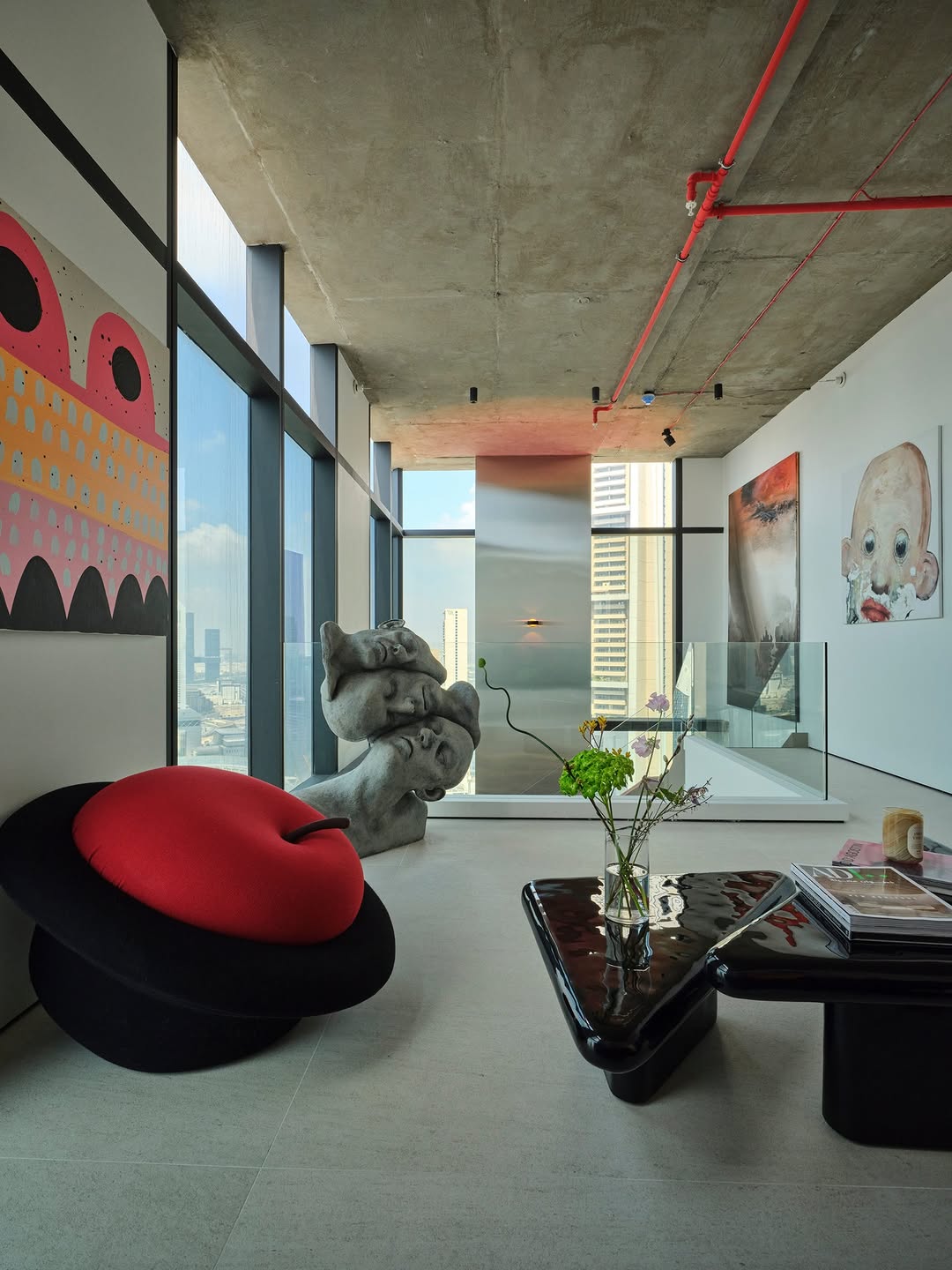
Parsa Ghavimi, a Persian-born Dubai skincare professional with no formal design training, renovated his own three bedroom apartment in Central Park Towers, DIFC, Dubai. The project was photographed by Žiga Mihelčič and featured in Architectural Digest Middle East. Ghavimi subsequently founded High Edit Developments, a Dubai interiors studio.
Key Points
- Ghavimi is a Dubai skincare professional who renovated his own flat in Central Park Towers, DIFC, starting on weekends.
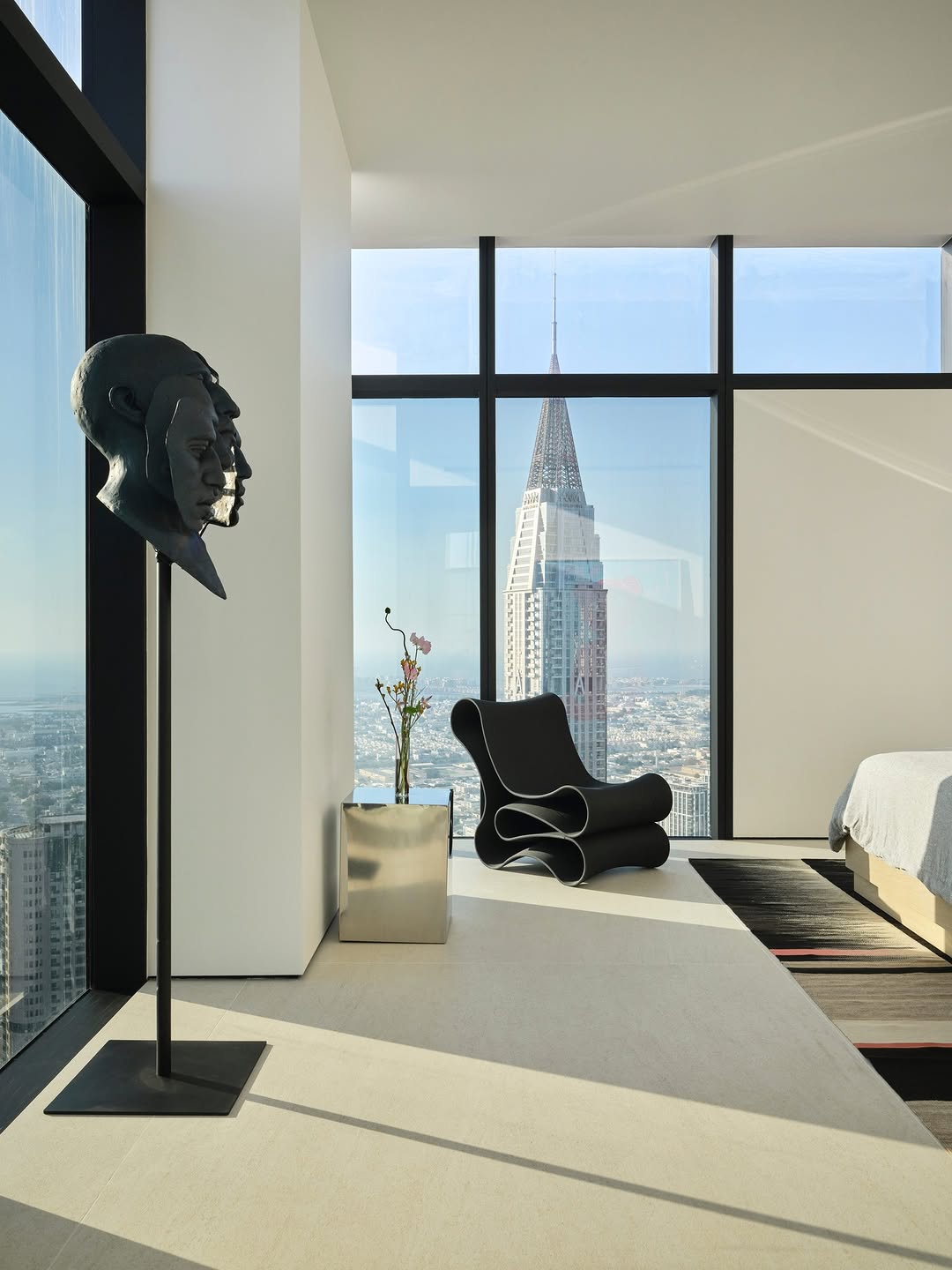
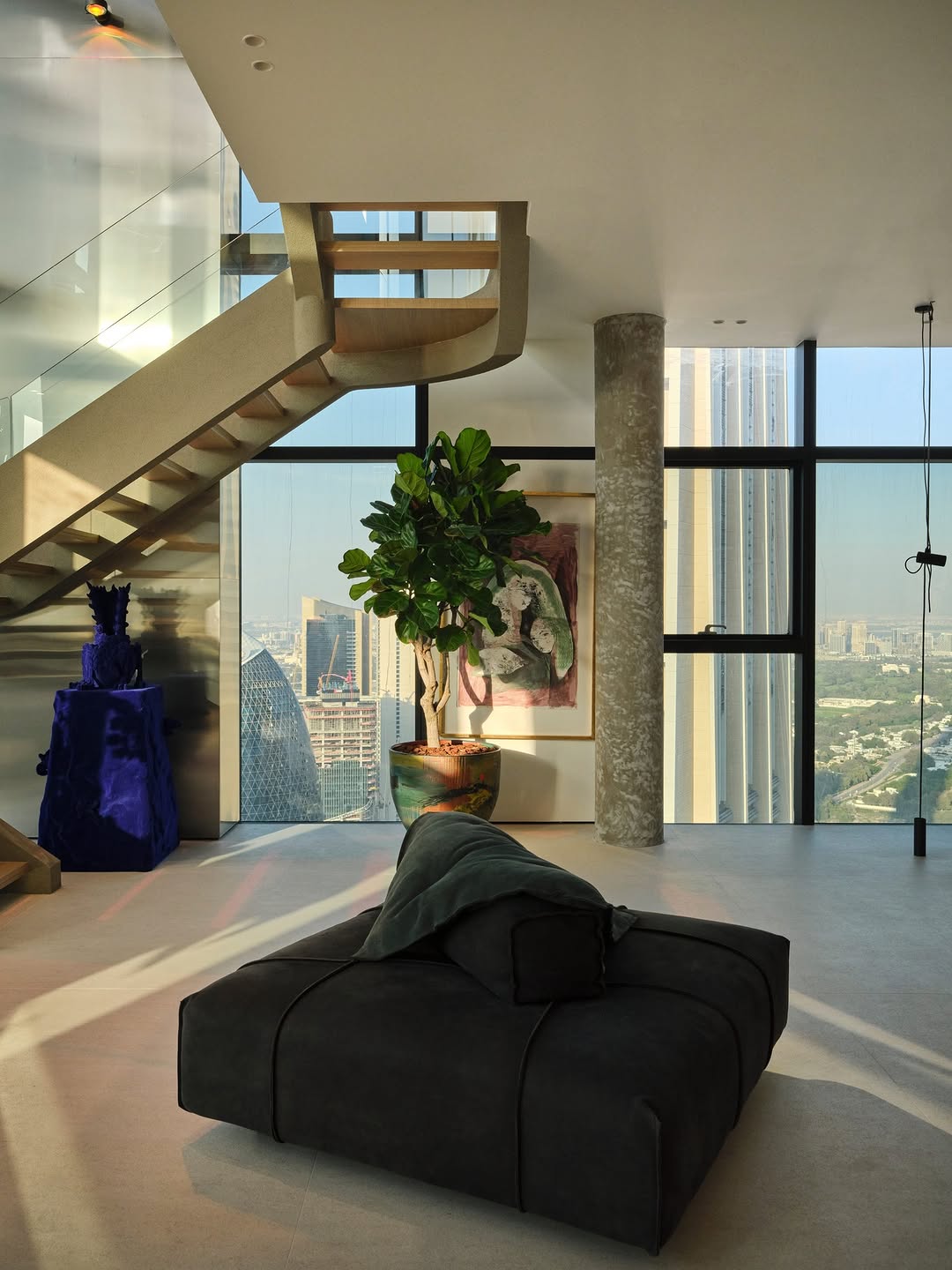
- The apartment is a three bedroom unit in Central Park Towers, Dubai, featured in Architectural Digest Middle East.
- Ghavimi founded High Edit Developments after the flat drew notice. One apartment, no degree, now a Dubai studio.
He started renovating on weekends. Parsa Ghavimi works in the skincare industry in Dubai. Interior design was a side project before it became a studio. What he completed in Central Park Towers, a three bedroom apartment in the DIFC, was not a formal debut. It was his first home, designed entirely for himself, without a brief, without a client, and without a formal education in architecture or interior design.
The result is featured in Architectural Digest Middle East, photographed by Žiga Mihelčič. When AD runs a residential project by someone who never studied the discipline, it is not charity. It is a recognition that the apartment earned the coverage. Publications with that editorial standard do not run projects out of novelty. They run work that stands up under a photograph.
Dubai in 2026 is a city where interiors careers are built on speed and ambition rather than institutional pedigree, and the built environment reflects it. Ghavimi is a specific case of that dynamic.
Ghavimi Started on Weekends. Nobody Had Said He Could.
His own words: "What initially started as a creative escape during weekends slowly turned into something I became deeply passionate about." The more revealing quote follows: "In some ways, I think that allowed me to approach spaces more instinctively, because I was never restricted by conventional rules or traditional ways of thinking."
That second sentence is the design argument, not the biography. A formally trained interior designer carries accumulated expectations about kitchen proportions, hallway dimensions, and material hierarchies. That training shapes decisions before anyone opens a paint chart. Ghavimi did not have that weight. He had the instinct of someone who had been paying close attention to spaces for years and had finally stopped asking permission to act on that attention.
The studio he founded, High Edit Developments (@hed.projects), is the formal structure that came after. Not before. Most design practices start with a portfolio and a client list. This one started with a single apartment, then formalized because the work warranted it. That is an unusual sequence, and it changes what the studio means.
Three Bedrooms, No Portfolio, and a Very Specific Point of View
Central Park Towers is in the DIFC, Dubai's International Financial Centre, a dense cluster of glass towers built in the early 2000s. The architecture is corporate by design: uniform floor plates, standard window configurations, neutral lobbies pitched at transient finance professionals. A DIFC apartment starts from the same square footage and ceiling height as the unit above and the one below.
Constraint is never the enemy. It is the story. What Ghavimi did with a standardized floor plan in a tower built for financial residents says more than what he might have done on an empty plot. He worked within the box and produced something that does not look like the box. That is the harder task.
Finally Offline covered Norm Architects, who designed their own Copenhagen studio on the city's oldest street as a case of trained designers turning a constrained environment into a design statement. The dynamic here is different. Ghavimi is not a credentialed professional making a showcase. He is someone who did the work because he loved it, and AD noticed because the evidence was there.
Dubai Has Been Making This Argument for Twenty Years.
Dubai produced a generation of interiors practitioners who built serious environments without institutional credentials. The city grew faster than its design education infrastructure could support. Architects and engineers from Europe and Asia filled the formal professional tier. The residential interiors, the spaces people actually live in, were often shaped by people with strong aesthetic instincts and no accreditation.
Ghavimi fits that pattern and also disrupts it. He did not design for a client or a market. He designed for himself, at his own expense, in his own apartment, and the result reached AD Middle East. Finally Offline covered Noah LA's 5,000 square foot argument against conventional retail, another environment shaped by someone whose primary credential was a strong point of view rather than a degree. Both spaces earned coverage on the strength of the work alone.
High Edit Developments is now a studio. One apartment became a practice. If Ghavimi keeps working the way he started, on instinct and without the weight of convention, the body of work will be worth following. The question for Dubai is whether the city produces more of these, and whether it recognizes them early enough for it to matter.
Related: Sig Bergamin Luxury Gallery Penthouse.
Frequently Asked Questions
Who is Parsa Ghavimi?
Parsa Ghavimi is a Persian-born Dubai skincare professional who designed his own three bedroom apartment in Central Park Towers, DIFC, without formal training, later founding High Edit Developments.
What is High Edit Developments?
High Edit Developments is a Dubai interiors studio founded by Parsa Ghavimi after his self-designed apartment in Central Park Towers was featured in Architectural Digest Middle East.
Where is Central Park Towers Dubai?
Central Park Towers is in the DIFC, Dubai International Financial Centre, a high density business district in central Dubai built in the early 2000s.
Was the Parsa Ghavimi apartment published?
Yes. The three bedroom Central Park Towers apartment was featured in Architectural Digest Middle East with photography by Ziga Mihelcic and words by Amy Bradford.
How did Parsa Ghavimi learn interior design?
Ghavimi has no formal architecture or interior design training. He began renovating spaces as a creative escape on weekends, approaching design instinctively without conventional rules.
Topics: architectural-digest, self-taught, parsa-ghavimi, dubai-interiors, interior-design, design, difc, middle-east-design, central-park-towers, high-edit-developments